Follow Me On Social Media!

Ham is the leftover that punishes impatience more than any other. It arrives at the table already cooked, already seasoned, already perfect — and then, reheated too hot or too fast, it turns dry, salty and tough, a shadow of the ham it was. The mistake is treating reheating like cooking: ham does not need to be cooked, it needs to be warmed, gently, with moisture trapped around it, until the centre is just hot enough. This guide covers the oven method that works for a whole or half ham, the glaze timing that keeps it from burning, the skillet and microwave methods for slices, the different rules for spiral-cut ham, and how to store the rest so it is worth reheating in the first place.
The Short Answer: 325°F, 10–15 Minutes a Pound, 140°F
The short answer is that a fully cooked ham reheats at 325°F for 10 to 15 minutes a pound, covered tightly with foil, with half a cup of liquid in the pan, until a thermometer in the thickest part reads 140°F. The USDA’s own guidance is exactly this: set the oven at 325°F and heat a fully cooked ham to an internal temperature of 140°F. There is one important exception: if the ham was repackaged at a butcher shop or grocer, or if it is leftover ham rather than a ham still in its original USDA-inspected packaging, reheat it to 165°F instead. The lower temperature is not a shortcut — it is the whole point. Ham that was already cooked to at least 147°F during processing only needs warming, and every degree past 140°F squeezes moisture out of meat that cannot get it back. Rest the ham for 15 minutes before carving, tented loosely with foil, so the juices settle back into the meat instead of running out onto the board.
Which Ham Do You Have? (Fully Cooked vs Cook-Before-Eating)
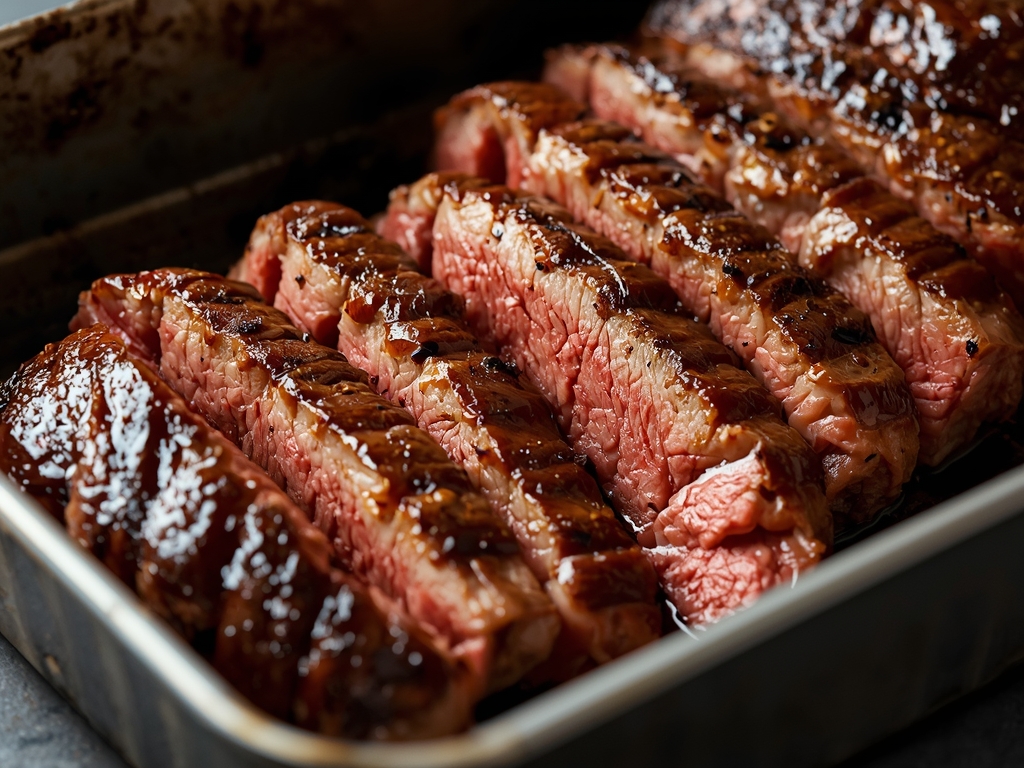
The first thing to check is the label, because the target temperature depends on it. A ham labelled “fully cooked” or “ready to eat” was already heated to at least 147°F during processing, and it is safe to eat cold, straight from the package — reheating is about serving temperature, not safety, which is why 140°F is enough. A ham labelled “cook before eating” or a fresh ham is raw meat: it must reach 145°F as measured with a food thermometer, with a 3-minute rest, and it needs a full cook, not a reheat. Most holiday hams — spiral-cut, bone-in half hams, boneless hams from the supermarket — are fully cooked, but the label is the only way to be sure, and guessing wrong in either direction is a mistake: underheating a cook-before-eating ham is unsafe, and overheating a fully cooked ham is what makes it dry.
The second thing to check is whether the ham is still in its original packaging. A ham that left the processing plant in USDA-inspected, vacuum-sealed packaging reheats to 140°F. A ham that was repackaged anywhere else — sliced at the deli counter, wrapped by a butcher, or already served and put back in the fridge as leftovers — reheats to 165°F, because it has been handled since processing and the safety margin needs to be higher. That distinction is the reason two hams that look identical can have different targets, and it is the rule most home cooks have never heard. If you are not sure which case yours is, use 165°F: a slightly drier ham is a better outcome than an unsafe one. For the turkey that often shares the holiday table, see our guide to cooking a turkey breast.
Method 1: The Oven (Best All-Around)
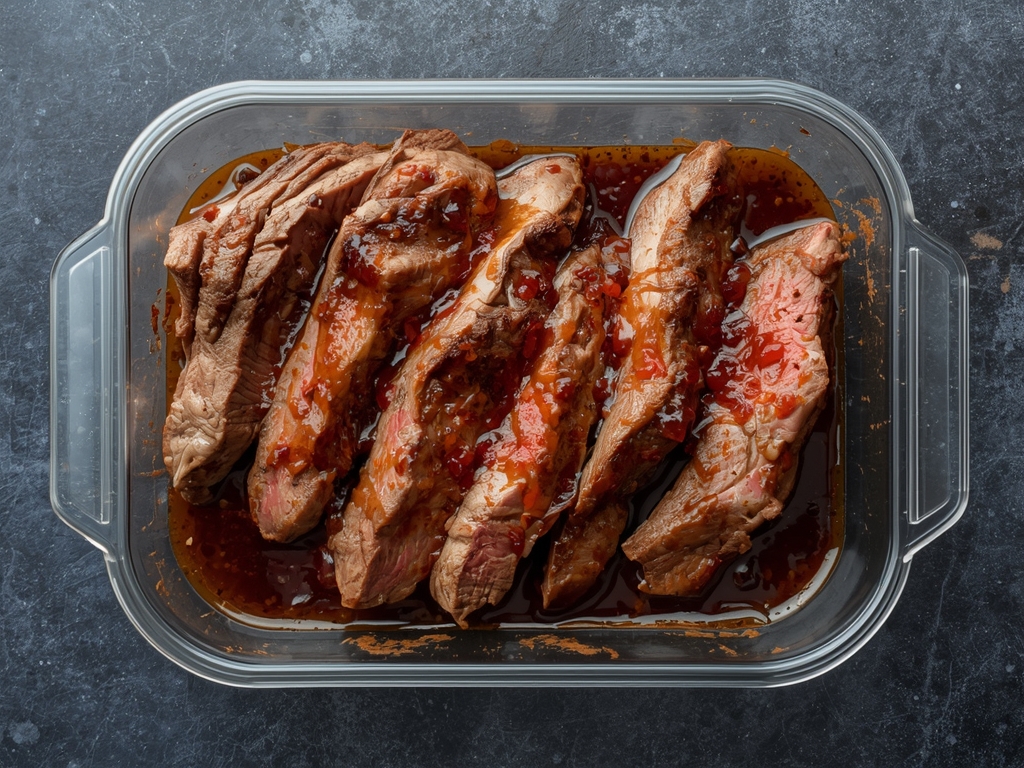
Preheat the oven to 325°F — never higher, because a hotter oven overcooks the outside while the centre is still cold. Take the ham out of the fridge 30 minutes before it goes in, so it loses the chill and heats more evenly. Place it cut-side down on a rack in a roasting pan, and pour half a cup of liquid into the bottom of the pan: water, broth, or apple juice, never poured directly on the ham. The liquid creates steam inside the foil, and the steam is what keeps the ham moist. Cover the ham completely with heavy-duty foil, crimping the edges tightly to the pan so no steam escapes. Bake for 10 to 15 minutes a pound — a 5 to 7-pound half ham takes roughly an hour to an hour and three-quarters, an 8 to 10-pound whole ham an hour and a half to two and a half hours — and check with a thermometer in the thickest part, avoiding the bone, at the minimum time.
Pull the ham out when it is 5 degrees below target, because carryover cooking will finish the job while it rests. A fully cooked ham comes out at 140°F; a repackaged or leftover ham comes out at 165°F. Tent it loosely with foil and rest it for 15 minutes before carving — this is not optional, because a ham carved straight from the oven loses its juices onto the board, and a ham rested for 15 minutes keeps them. Carve against the grain, in thin slices, and serve immediately while the meat is still above 140°F. If the ham was frozen, thaw it completely in the fridge first — about 4 to 5 hours a pound — because a frozen ham reheats unevenly and the outside will be dry before the inside is warm. Our guide to thawing a frozen turkey safely covers the same fridge-thawing rules that apply to ham.
The Glaze: When to Add It (and When Not To)
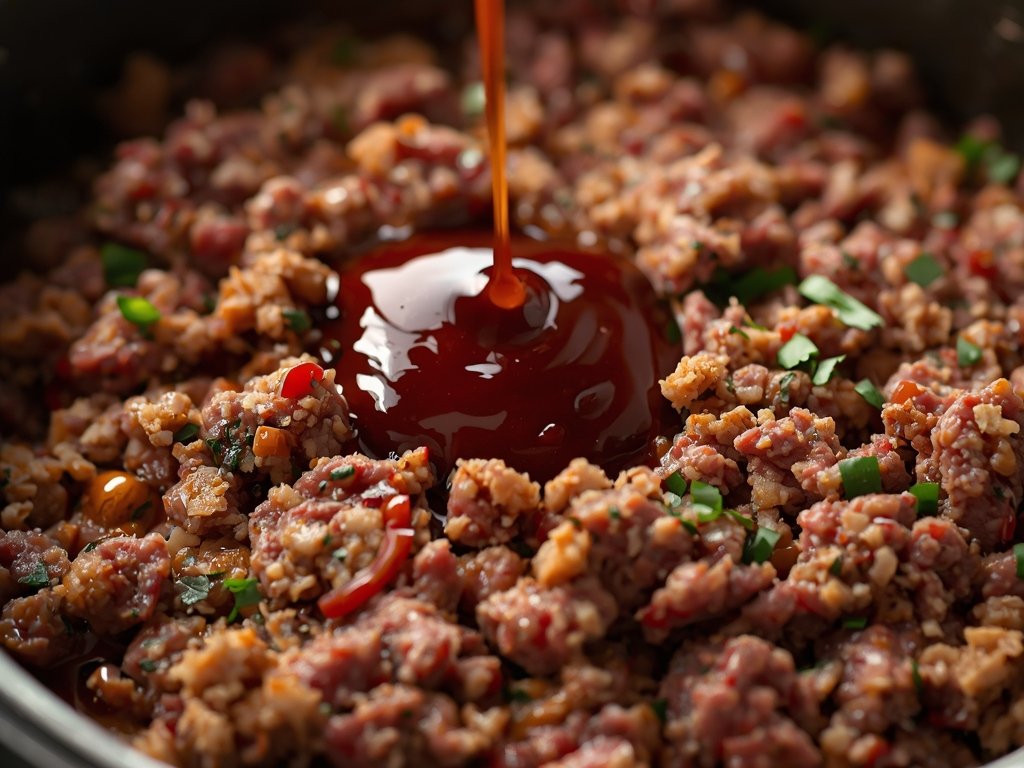
The glaze goes on last, never first. Sugar-based glazes burn quickly above 350°F, and a ham glazed at the start of a two-hour reheat comes out with a blackened, bitter crust. Uncover the ham for the final 20 to 30 minutes of reheating, brush on the glaze in thin layers, and return it to the oven uncovered. Brush again every 10 minutes if you want shine, but keep the layers thin: thick globs of glaze burn while thin layers caramelise. If the ham is already glazed — a honey-baked ham from the store, for example — skip the extra glaze entirely and warm it at 275°F instead of 325°F, just enough to melt the existing coating without charring it.
Score the surface in a diamond pattern about a quarter-inch deep before the glaze goes on, if the ham is not already spiral-cut: the cuts give the glaze somewhere to sit and let the heat reach the meat evenly. A brown-sugar and mustard glaze, a honey glaze, or a maple glaze all work the same way, and the choice matters less than the timing. The glaze is a finish, not a marinade, and the ham underneath should already be at temperature before the glaze starts to colour. If the glaze darkens too fast, tent the ham loosely with foil again and let the inside catch up — the colour can wait, the temperature cannot.
Method 2: The Skillet and Microwave (for Slices)
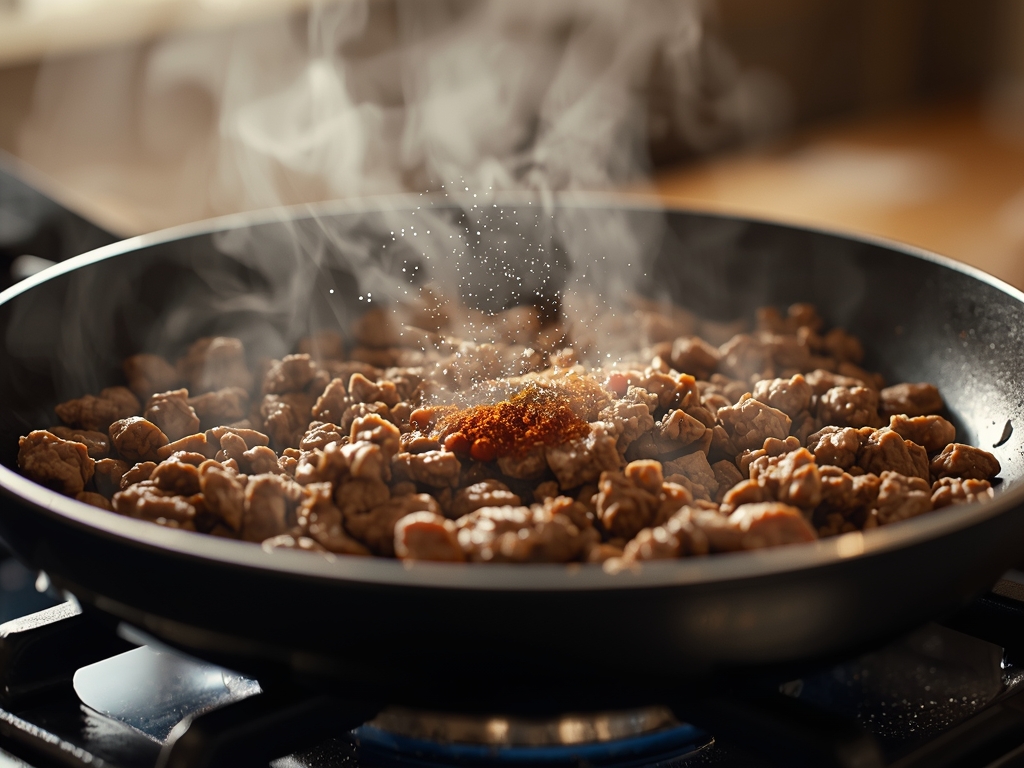
For individual slices, the oven is the wrong tool: it takes an hour to warm what a skillet warms in minutes. Warm slices in a skillet over medium-low heat with a splash of water or broth in the pan, covered, for 2 to 3 minutes a side, until hot through. The lid traps steam and keeps the slices from drying out, and the liquid in the pan does the same job as the liquid in the roasting pan. Do not use high heat: thin slices overcook in seconds, and a slice that curls and crisps at the edges has gone too far. A skillet is also the right place to crisp the edges deliberately — a minute uncovered at the end, with a little butter, gives a slice a golden edge without drying the middle.
The microwave works for a slice or two, with the same rules as any other leftover: cover the plate, add a splash of liquid, and heat in 30-second bursts, checking between each one. Individual slices may also be warmed in the microwave straight from the fridge, and for a single serving this is the fastest honest method. What the microwave cannot do is a whole ham or a thick half: it heats unevenly, the outside dries while the centre stays cold, and no amount of turning fixes a piece of meat that big. The rule is simple — slices in the skillet or microwave, whole hams in the oven — and the dividing line is the size of the piece in your hand.
Spiral-Cut Ham: The Rules Are Different

A spiral-cut ham is sliced all the way through in one continuous cut, which makes it easy to serve and easy to dry out: every slice has two cut faces exposed to the heat, and the thin slices overcook faster than a solid ham. Reheat a spiral-cut ham at 325°F, covered tightly with foil, for about 10 minutes a pound, and check the temperature early — the slices at the outside will be hot before the centre is. Keep the foil tight for the whole time except the last 20 minutes for glazing, and do not separate the slices while it reheats: the ham holds its moisture as a whole, and it loses it slice by slice.
The safety rule is stricter for spiral-cut ham, too: the USDA guidance treats leftover spiral-cut ham like repackaged ham, reheating to 165°F rather than 140°F, because the slicing exposes so much surface. If your spiral-cut ham is still in its original USDA-inspected packaging and has never been served, 140°F is the target; once it has been served and put back in the fridge, it is leftover ham, and 165°F is the number. That is a real difference — 25 degrees — and it is the reason a spiral-cut ham reheated the day after the holiday needs more time than the same ham reheated on the day it was bought. When in doubt, use the thermometer and the higher number, and keep the foil on: the slices will thank you.
How to Store Leftover Ham (3–4 Days, Then Freeze)
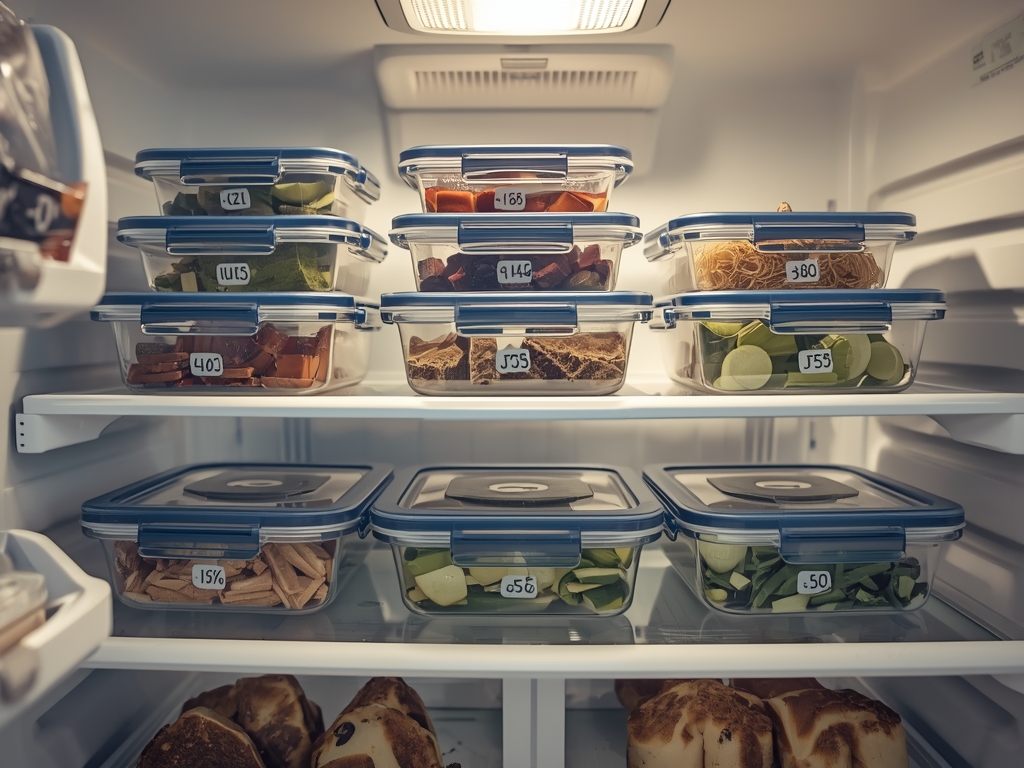
Sliced leftover ham keeps for 3 to 4 days in the fridge, in an airtight container or tightly wrapped, and the FoodSafety.gov cold food storage chart gives the same window for sliced cooked ham. A whole, uncut half ham keeps longer — up to a week in the fridge — because the uncut surface protects the meat inside, but once it is sliced, the 3-to-4-day clock starts. Refrigerate the ham within two hours of serving, and within one hour if the room is above 90°F. Do not leave the ham on the table while the meal stretches on: the danger zone is 40°F to 140°F, and a ham sitting out for an afternoon is a ham that should be thrown away, not reheated.
For longer storage, freeze it. Wrap slices tightly in plastic wrap and foil, or pack them in freezer bags with the air pressed out, and use them within 1 to 2 months for the best quality. A whole ham bone freezes too, and it is worth keeping: the bone is the base for soup, and a frozen ham bone keeps for months. Thaw frozen ham in the fridge, never on the counter, and reheat it to 165°F once thawed, since it is leftover ham by then. If the ham smells sour, feels slimy, or has changed colour, throw it away — reheating does not make spoiled ham safe. For ideas that use the ham up before the clock runs out, see our guide to what to do with leftover ham.
What to Do With the Rest of the Ham
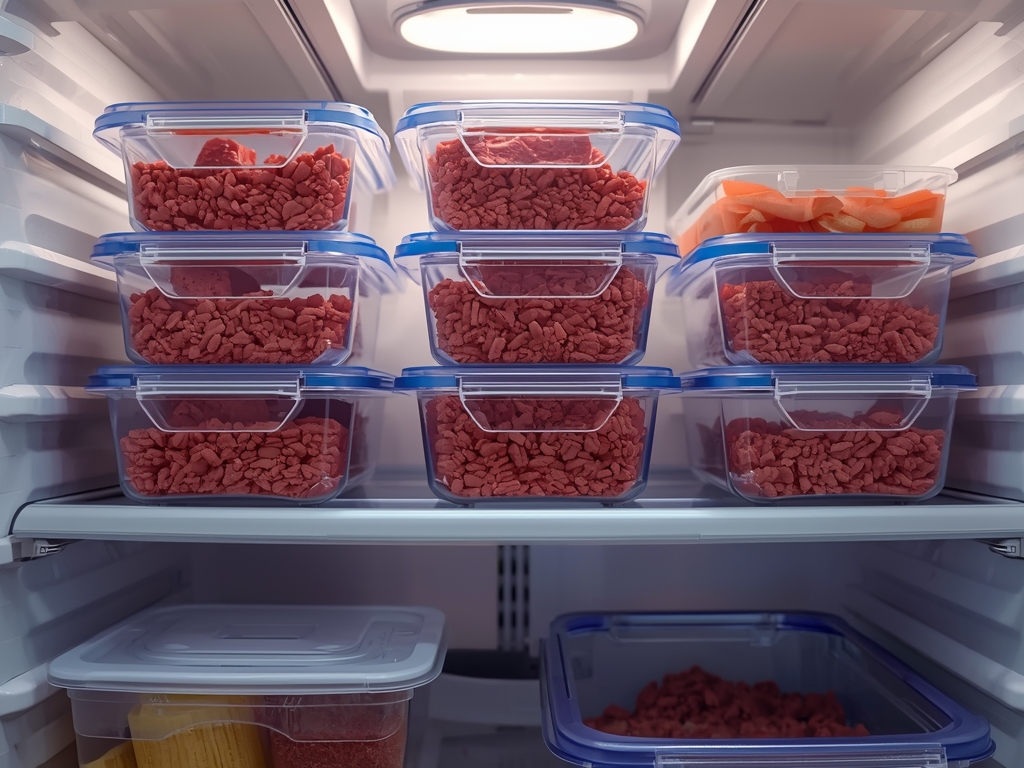
A whole ham feeds a crowd, and the rest of it has its own second life. Sliced ham goes into sandwiches, omelettes, fried rice, and pasta — anywhere a salty, smoky meat earns its place. Diced ham goes into soups, beans, and egg dishes, where a little goes a long way. And the bone, which most people throw away, is the best part of the leftovers: simmered with beans and vegetables, it makes a soup that tastes like it cooked all day, because the bone has been doing exactly that. The ham that fed twelve people on the holiday can feed four people the next day, and still leave a bone for soup on the weekend.
The rule for all of it is the same as for the reheat: gentle heat, moisture, and a thermometer. Ham that is diced into a soup does not need reheating rules at all, because the soup brings it to a boil. Ham that is sliced for a sandwich should be warmed, not cooked, and served promptly. And ham that is going into the freezer should be packed in the portions you will actually use — a bag of slices for sandwiches, a bag of dice for soup — because a frozen block of ham is a project, and a frozen portion is dinner. The bird that shares the table has the same logic, and our guide to reheating leftover turkey covers the same gentle-heat rules for the other holiday meat. The other big roast follows the same logic too — our guide to reheating prime rib covers the low-and-slow rules for it.
The Bottom Line
Reheat ham at 325°F for 10 to 15 minutes a pound, covered tightly with foil, with half a cup of liquid in the pan, until a thermometer in the thickest part reads 140°F — or 165°F if the ham was repackaged or has already been served. Add the glaze only in the final 20 to 30 minutes, in thin layers, and rest the ham for 15 minutes before carving. Warm slices in a skillet or microwave, never the whole ham. Treat a spiral-cut ham with extra care: keep the foil tight, check the temperature early, and use 165°F once it is leftovers. And keep the clock in mind: sliced ham keeps 3 to 4 days in the fridge and 1 to 2 months in the freezer, refrigerated within two hours of serving. A ham reheated gently, at the right temperature, tastes like the ham you bought — a ham reheated hot and fast tastes like the mistake you made.

Ghani is the founder of TwiceTasty and a passionate home cook who believes no meal should go to waste. What started as a personal mission to transform leftovers into exciting new dishes has grown into a community of food lovers who share the same philosophy.