Follow Me On Social Media!

A roast chicken leaves two things behind: a pile of picked meat and a carcass that looks like rubbish. The carcass is the better half. Simmered in water for an hour, it gives up a golden broth that no carton can match, and that broth is the foundation of the soup that uses up the meat as well. This leftover chicken soup recipe turns both halves into dinner — the carcass into stock, the stock into soup, the meat back into the pot at the end so it stays tender — plus how long the stock should simmer, when to add the chicken, the noodle question, and the storage rules. One pot, 1 hour 45 minutes, 6 servings, and the chicken that fed the table on Sunday feeds it again on Monday.
The Short Answer: Simmer the Carcass 1 Hour, Then Build the Soup
The short answer is that this leftover chicken soup recipe starts with the carcass of 1 roast or rotisserie chicken and 2 to 3 cups of shredded cooked chicken. Pick the meat off the carcass and set it aside, put the carcass in a stockpot, cover with 10 cups of cold water, add 1 teaspoon of salt, bring to a gentle boil, skim the foam, then simmer 1 hour. Strain the broth, discard the bones, return it to the pot, add 1 diced onion, 3 sliced carrots, 3 sliced celery stalks and 2 bay leaves, and simmer 15 minutes until tender. Add 1 and a half cups of egg noodles and cook 8 minutes, stir in the shredded chicken and parsley, simmer 5 minutes more, season and serve. Six servings, 1 hour 45 minutes in total — and the order matters: the carcass first, the vegetables second, the noodles third, the chicken last. The Basics With Bails chicken carcass soup follows the same shape — carcass, 12 cups of cold water, a 2-hour simmer, strain, fresh vegetables for 20 minutes, 2 cups of shredded chicken — and its tip is the one to remember: start with cold water, so the flavour comes out of the bones slowly and the broth stays clear.
The reason this leftover chicken soup recipe works is that it treats the carcass and the meat as two different ingredients with two different jobs. The carcass is flavour: bones, skin, cartilage and the last scraps of meat, simmered until they give up everything they have. The picked meat is texture: tender shreds that only need 5 minutes in hot soup to warm through, and that turn stringy and dry if they simmer for an hour. Most leftover chicken soup fails because the meat goes in at the start and cooks twice; this one keeps the meat aside until the end, so every bowl has proper chicken in it. That is the whole trick, and everything else in this guide — the cold water, the skim, the strain, the noodles last — exists to protect it.
What You Need (Carcass, Water, Onion, Carrot, Celery, Noodles)
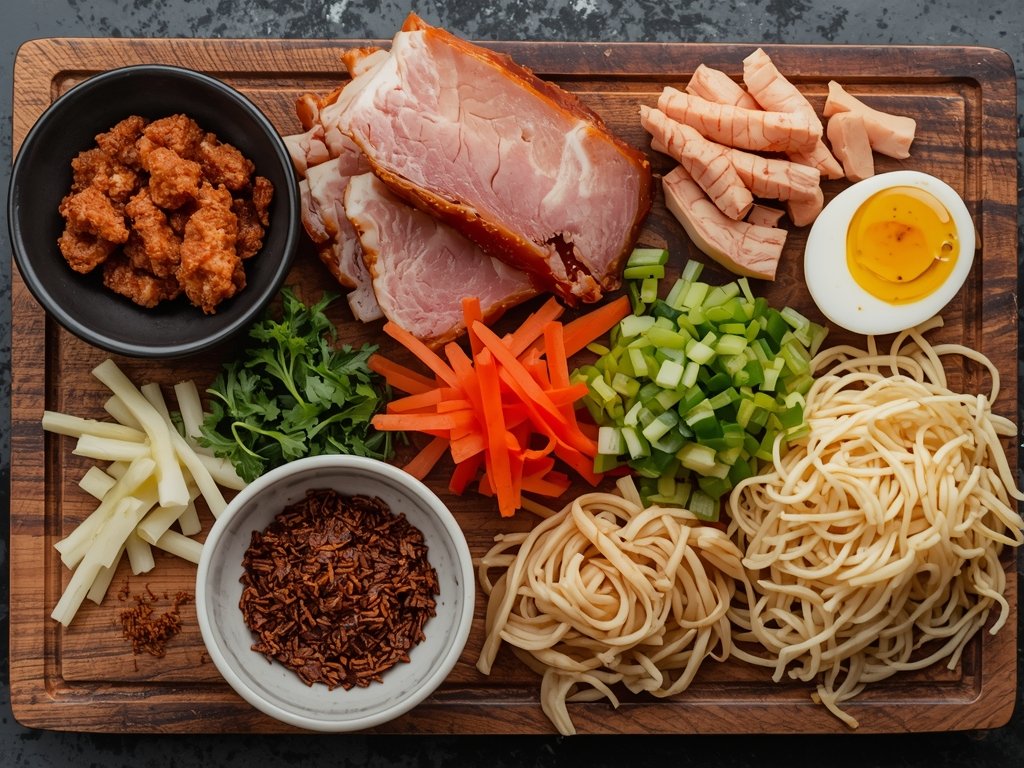
You need 1 leftover roast or rotisserie chicken carcass for this leftover chicken soup recipe, plus 2 to 3 cups of shredded cooked chicken picked from it. The carcass should be used within 2 days of the roast, kept in the fridge in the meantime, and it should still have the skin, wing tips and any cartilage on it — those are the parts that give the broth its body. If your carcass is very bare, add a second one from the freezer, or a few wings, because a thin broth is the one thing this soup cannot recover from. Break the ribcage in half with your hands or kitchen shears so the inside of the bones is exposed to the water. For the full guide to the stock itself, see our guide to how to make stock from chicken carcass.
The rest of this leftover chicken soup recipe is 10 cups of cold water, 1 onion, 3 carrots, 3 celery stalks, 2 bay leaves, 1 teaspoon of salt, half a teaspoon of black pepper, 1 and a half cups of egg noodles and 2 tablespoons of chopped fresh parsley. The onion, carrots and celery are the classic soup base, and they go in fresh at the soup stage, not with the carcass — the vegetables that simmer with the bones for an hour give up their flavour and turn to mush, so they are strained out and discarded. The noodles go in near the end so they stay firm, and the parsley goes in last so it stays green. That is the whole ingredient list, and it is worth making exactly as written the first time: the ratio of carcass to water to vegetables is the recipe, and changing one element before you have tasted it is how a golden broth becomes a thin one.
How to Make Leftover Chicken Soup Step by Step

Start this leftover chicken soup recipe by picking the carcass. Pull off any remaining meat with your hands, shred it into bite-sized pieces, and set it aside in a covered bowl in the fridge — 2 to 3 cups is the target, and if the carcass gives you less, add leftover chicken from another meal. Put the picked carcass in a large stockpot, breaking the ribcage in half so the marrow is exposed, and pour in 10 cups of cold water, enough to cover the bones. Add 1 teaspoon of salt, bring the pot to a gentle boil over medium heat, and skim off any foam that rises in the first 10 minutes with a slotted spoon.
Simmer and build this leftover chicken soup recipe next. Reduce the heat to low, so the surface barely moves, and simmer for 1 hour, skimming occasionally. A full rolling boil makes the broth cloudy, so keep it gentle. Strain the broth through a fine-mesh sieve into a clean pot and discard the bones, skin and spent vegetables. Return the broth to the heat, add the diced onion, sliced carrots, sliced celery and bay leaves, and simmer for 15 minutes until the vegetables are tender. Add the noodles and cook for 8 minutes, then stir in the shredded chicken and parsley and simmer for 5 minutes more, just to heat the chicken through. Remove the bay leaves, season with salt and pepper, and serve hot. The same carcass-first logic works for other birds: our leftover turkey soup builds its broth the same way, from the turkey carcass up.
How Long Should the Stock Simmer? (1 Hour vs 2 Hours)
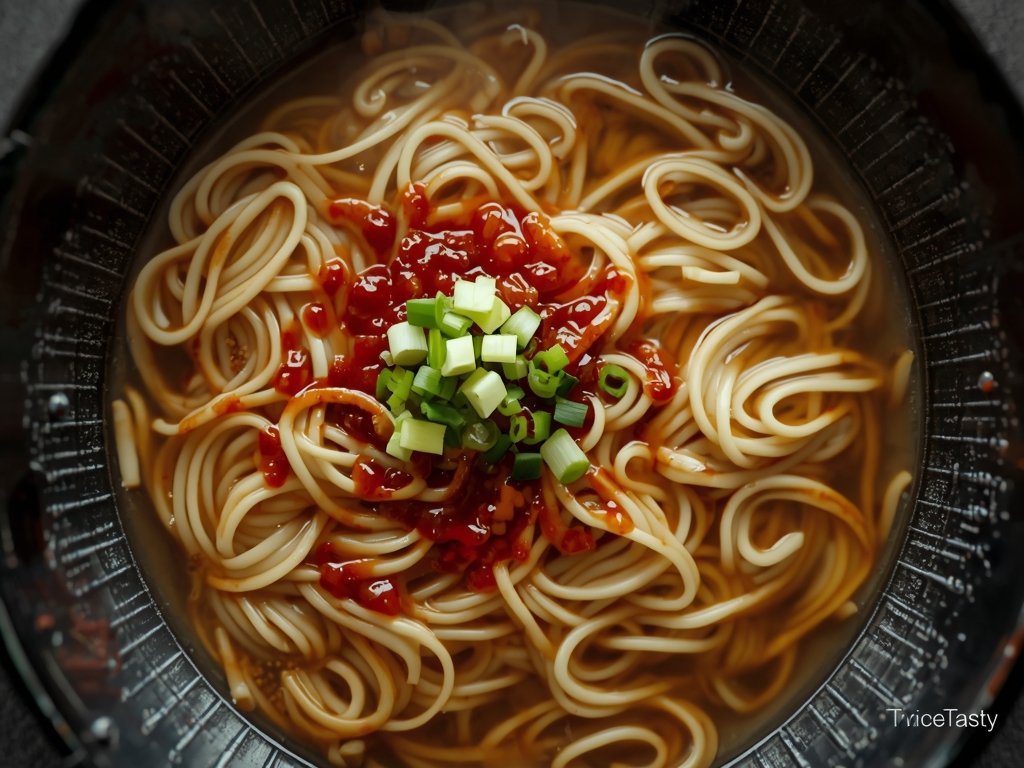
The published recipes disagree on the simmer for this leftover chicken soup recipe, and the disagreement is about depth, not safety. Basics With Bails simmers the carcass for 2 hours, and Tasting Table does the same; another version simmers for about 1 hour and strains. Two hours gives a deeper, richer broth with more body, because the bones have longer to give up their collagen; one hour gives a lighter, cleaner broth that is still unmistakably homemade, and it is enough when the carcass still has meat and skin on it. This recipe uses 1 hour, because it is the version a weeknight cook will actually make — and a soup made is better than a soup planned for a 2-hour simmer that never happens.
The rule for this leftover chicken soup recipe is to match the simmer to the carcass and the day. A bare carcass, picked clean, wants the full 2 hours, and the extra hour is worth it. A meaty carcass from a rotisserie chicken, skin and all, gives up its flavour in 1 hour, and a second hour adds little. A pressure cooker cuts the same stock to about 45 minutes, if you have one. Whatever time you use, keep the simmer gentle — the surface should barely move — and skim the foam in the first 10 minutes, because the foam is what makes a broth cloudy and bitter. And do not salt heavily at the stock stage: the broth reduces as it simmers, and a stock salted early can turn too salty by the time the soup is built. Season at the end, when you can taste the finished soup.
Should You Add the Chicken at the Start or the End?
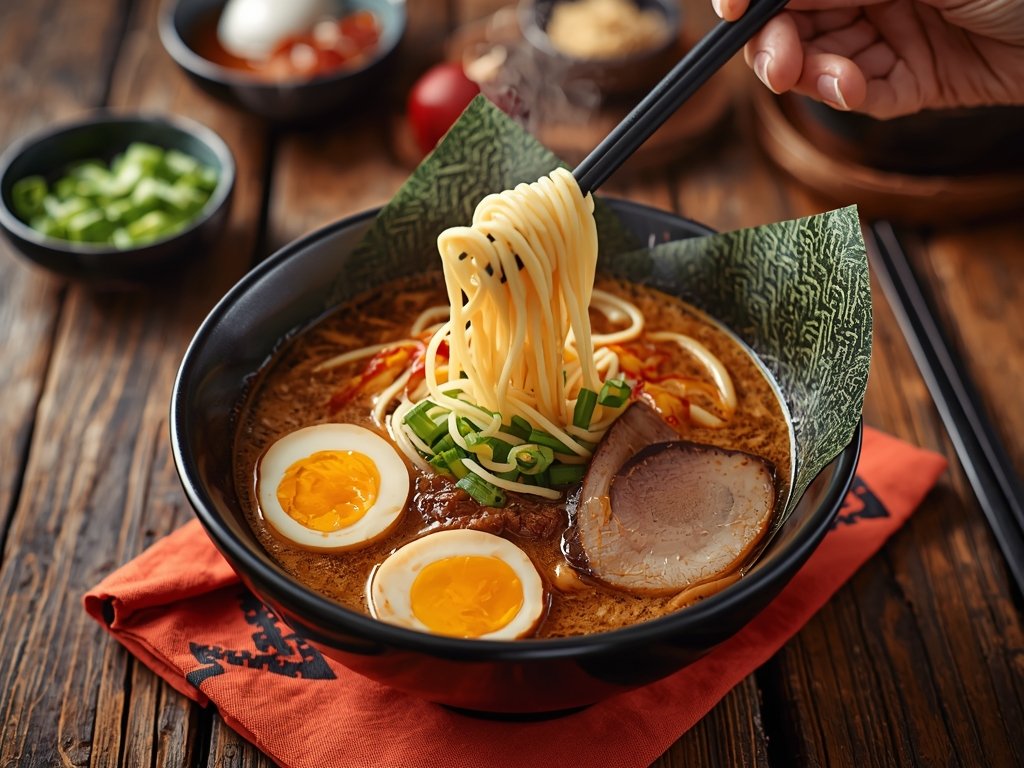
At the end, always, and this is the most important rule in this leftover chicken soup recipe. The chicken is already cooked, and cooked chicken only needs to warm through — 5 minutes in hot soup is enough. Chicken that simmers for an hour, from the start of the stock to the end of the soup, cooks twice, and twice-cooked chicken is stringy, dry and grey, the texture that gives leftover soup a bad name. The carcass goes in at the start because it is bones and skin, and bones need time; the meat stays in the fridge until the last 5 minutes, because meat needs almost none.
The same logic applies to any chicken you add beyond what came off the carcass. If you are short on picked meat and you add leftover roast chicken from another meal, fold it in at the same last-5-minutes stage, just to heat it through. If you are starting with raw chicken instead of leftovers, the rule flips: raw chicken needs 20 to 25 minutes simmering in the broth, added with the vegetables, and then shredded back in — but that is a different soup, and this leftover chicken soup recipe is built for the chicken you already have. The test in this leftover chicken soup recipe is the bite: chicken that was added at the end is tender and juicy, chicken that simmered for an hour is not, and the difference is visible in the bowl before you even taste it.
Should the Noodles Cook in the Soup?
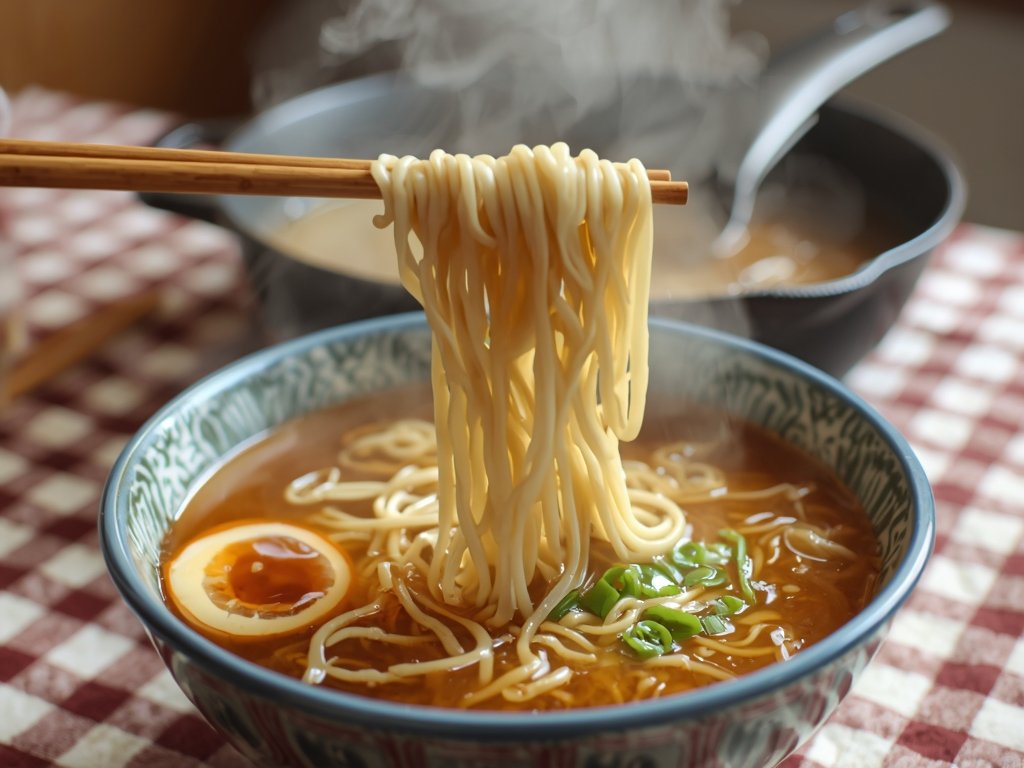
Yes for tonight, no for tomorrow, and the answer depends on when the soup will be eaten. Noodles cooked in the soup absorb its flavour and its broth, and a bowl eaten tonight, with noodles cooked in the pot for 8 minutes, is the best version of this leftover chicken soup recipe. But noodles keep absorbing broth in the fridge, and a soup stored with noodles in it turns into a thick, starchy stew by the next day, with soft, bloated noodles and half the broth gone. The fix is to cook the noodles separately if the soup is for later, and add them to each bowl as you serve it.
The rule for this leftover chicken soup recipe is to match the noodles to the plan. Cooking for tonight only: cook the noodles in the soup, 8 minutes, and serve at once. Cooking for the week: cook the noodles in a separate pot, store them in their own container, and add a scoop to each bowl when you reheat the soup. Small shapes hold up better than wide egg noodles in storage — ditalini, small shells and orzo all keep their shape longer — so if you know the soup will last three days, choose one of those. And never freeze the soup with noodles in it: the noodles go mushy on thawing, and the soup is better frozen plain, with fresh noodles cooked when you reheat it.
How to Store and Freeze Leftover Chicken Soup
Leftover chicken soup from this leftover chicken soup recipe keeps for 3 to 4 days in the fridge, and the FoodSafety.gov cold food storage chart gives cooked leftovers and soups the same 3-to-4-day window. Cool the soup quickly — divide it into shallow containers so it drops through the danger zone fast, and refrigerate within 2 hours of cooking. The clock starts from when the chicken was cooked, not from when the soup was made: a chicken roasted on Sunday, made into soup on Tuesday, has one or two days left, not four. Reheat the soup to a rolling boil, 165°F, before serving, and never reheat it more than once.
For longer storage, freeze the soup from this leftover chicken soup recipe without noodles for 2 to 3 months, in portions in airtight containers or freezer bags with the air pressed out, labelled with the date. Thaw overnight in the fridge, reheat to a boil, and cook fresh noodles to add at serving. The 2-to-3-month window is a quality window, not a safety one: at 0°F the soup stays safe indefinitely, but the flavour and texture fade after a few months, and the vegetables go soft. For the same logic applied to the other bird on the table, see our guide to leftover turkey soup, and for a soup built the same way from ham, see our guide to leftover ham soup.
What to Serve With It
The best way to serve this leftover chicken soup recipe is the plainest: hot, in a deep bowl, with crusty bread for dipping and a sprinkle of fresh parsley on top. The bread matters — a soup this rich wants something to soak up the broth, and a thick slice of sourdough or a warm dinner roll turns the soup into a meal. For lunch, serve it with a grilled cheese sandwich, the classic pairing, or with a simple green salad and a sharp vinaigrette to cut the richness. Strain the soup and the broth is stock for risotto or rice, and the chicken is sandwich filling for tomorrow — our guide to leftover turkey sandwich ideas covers the same use-it-up logic for the bird, while our guide to leftover turkey chili turns the same leftovers into a second dinner entirely. The one serving rule for this leftover chicken soup recipe is temperature: serve it at a rolling boil, ladled hot into warm bowls, because a soup that sits and cools loses the steam and the aroma that are half the point of it.
The Bottom Line
This leftover chicken soup recipe is the best second life for the chicken: 1 carcass, 10 cups of cold water, a 1-hour simmer, strained, then onion, carrots, celery and bay leaves for 15 minutes, noodles for 8 minutes, and the shredded chicken and parsley folded in for the last 5. Six servings, 1 hour 45 minutes in total, and the order is the recipe: carcass first, vegetables second, noodles third, chicken last. Serve it hot with crusty bread, keep it for 3 to 4 days in the fridge, and freeze it without noodles for 2 to 3 months. The chicken that tasted like Sunday as a roast tastes like Monday as a soup, and that is exactly what a leftover recipe should do.
Leftover Chicken Soup
Ingredients
- 1 leftover roast or rotisserie chicken carcass
- 2 to 3 cups shredded cooked chicken
- 10 cups cold water
- 1 onion diced
- 3 carrots sliced
- 3 celery stalks sliced
- 2 bay leaves
- 1 teaspoon salt
- 1/2 teaspoon black pepper
- 1 1/2 cups egg noodles
- 2 tablespoons chopped fresh parsley
Instructions
- Pick the meat off the carcass and set aside.
- Put the carcass in a large stockpot, cover with 10 cups cold water, add 1 teaspoon salt, bring to a gentle boil and skim off any foam.
- Reduce the heat and simmer 1 hour.
- Strain the broth through a fine-mesh sieve and discard the bones.
- Return the broth to the pot, add the onion, carrots, celery and bay leaves and simmer 15 minutes until the vegetables are tender.
- Add the noodles and cook 8 minutes.
- Stir in the shredded chicken and parsley and simmer 5 minutes more.
- Season with salt and pepper and serve.
Notes
Fridge 3–4 days; freezer 2–3 months without noodles.

Ghani is the founder of TwiceTasty and a passionate home cook who believes no meal should go to waste. What started as a personal mission to transform leftovers into exciting new dishes has grown into a community of food lovers who share the same philosophy.

Rate This Recipe
Tried this recipe? Share your experience and help others!