Follow Me On Social Media!

The day after Thanksgiving has its own famous meal, and it is not a reheated plate of dinner. It is the leftover turkey sandwich: cold turkey, stuffing, cranberry sauce, and a little warm gravy, stacked between two slices of bread and eaten standing at the kitchen counter. Thanksgiving 2026 falls on Thursday, November 26, which makes Friday lunch the best sandwich of the year — the turkey is still fresh, the stuffing has not dried out yet, and the cranberry sauce is at its tangiest.
This guide covers six sandwich builds from leftover turkey, the bread that holds up and the bread that collapses, the spreads and sauces that make the difference, the warm builds that need a skillet, and the storage rules that decide whether the turkey is still good to use. The rules are simple — sturdy bread, a fat barrier against the wet fillings, warm turkey, and gravy on the side for dipping rather than poured inside — and the builds below are all variations on those rules.
The Short Answer: Sturdy Bread, Mayo Against the Bread, Warm Turkey
A great leftover turkey sandwich starts with sturdy bread, a layer of mayonnaise spread to the edges on both slices, warm turkey, and the wet fillings — cranberry sauce and gravy — kept away from the bread until the last moment. Use leftover turkey within three to four days of Thanksgiving, and reheat the turkey to 165°F before building a warm sandwich. The classic cold build is turkey, stuffing, cranberry sauce, and mayo on whole-grain or sourdough bread; the classic warm build is the same stack grilled in butter until the cheese melts. Everything else in this guide is a variation on those two.
The most common failure is soggy bread, and it is almost always a layering failure rather than a bread failure. Cranberry sauce sitting directly on bread soaks through in minutes; gravy poured inside the sandwich does the same. Keep a fat layer — mayonnaise, butter, or cheese — between the bread and anything wet, and keep the gravy in a small bowl for dipping. A sandwich built this way holds together long enough to eat; a sandwich built the other way falls apart in your hands.
The Rules of a Good Leftover Turkey Sandwich
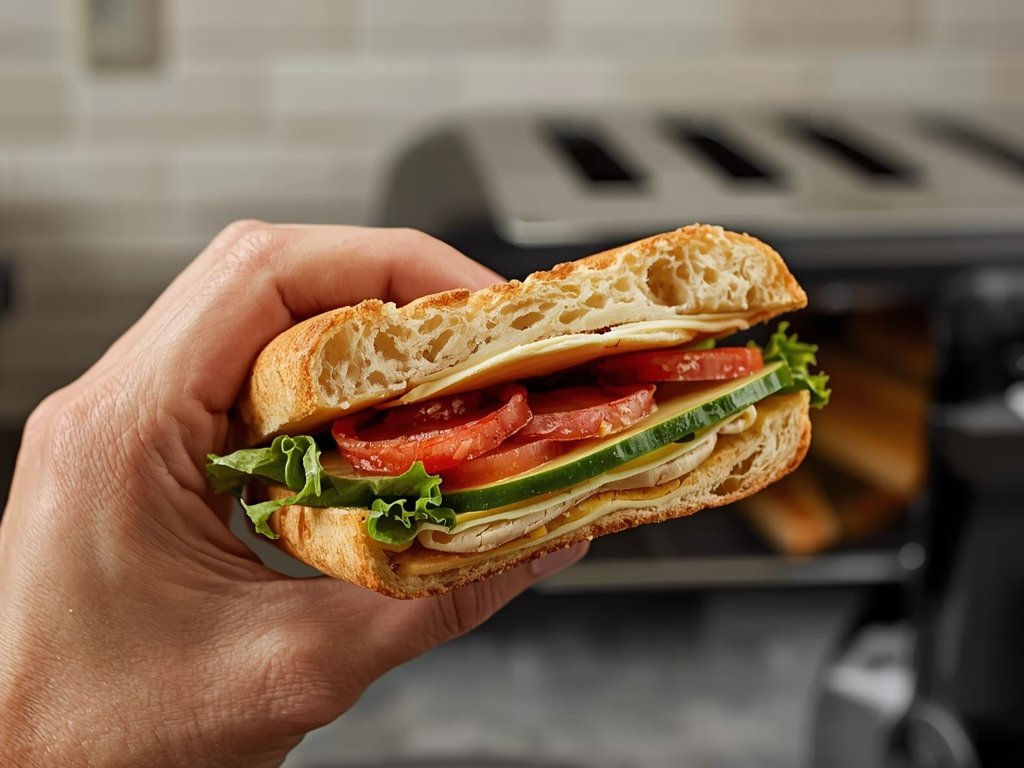
Four rules govern every build in this guide. First, use both white and dark meat. White meat is lean and mild; dark meat is juicier and more flavourful, and it survives reheating better because it has more fat. Shred the dark meat and slice the white meat, and mix them in the sandwich so every bite has both textures. Second, warm the turkey before you build. Cold turkey straight from the fridge is fine in a cold sandwich if you take the chill off — twenty seconds in the microwave is enough — but cold turkey in a warm sandwich never heats through, and the cheese melts while the meat stays cold.
Third, season the turkey. Leftover turkey was seasoned for the Thanksgiving table, not for a sandwich, and a pinch of salt and a crack of black pepper on the meat makes a noticeable difference. Fourth, build the sandwich just before eating. A leftover turkey sandwich does not keep once assembled: the bread goes soft, the lettuce wilts, and the fillings slide. Keep the turkey, stuffing, gravy, and cranberry sauce in separate containers in the fridge, and assemble only what you will eat now. Our guide to how long leftovers last in the fridge gives the windows for all of them — three to four days for the turkey, the stuffing, and the gravy alike.
Bread: What Holds Up and What Collapses

Bread is the structural element of the sandwich, and it is where most leftover turkey sandwiches fail. The breads that work are the sturdy ones: thick-cut sourdough, a crusty baguette, a whole-grain seeded loaf, a potato roll, or a leftover dinner roll split open. Toast the bread lightly before building — toasting dries the surface and gives the mayonnaise something to grip, and a toasted slice resists soaking far longer than a soft one.
The breads that do not work are the thin, soft ones: standard sandwich bread collapses under cranberry sauce and gravy, and a flour tortilla, while it works for a warm leftovers burrito, turns gummy if it sits for more than a few minutes. If all you have is soft sandwich bread, use three slices instead of two — a triple-decker with a middle slice spread with gravy-soaked stuffing — and eat it immediately. And if you have leftover dinner rolls, they make the best turkey sliders of all: split, buttered, filled with turkey and cranberry, and baked covered at 350°F for about 15 minutes until hot. A roll is small enough that the fillings cannot slide, and the crust holds up to the cranberry in a way sliced bread never does.
Spreads and Sauces: Cranberry Mayo and Beyond
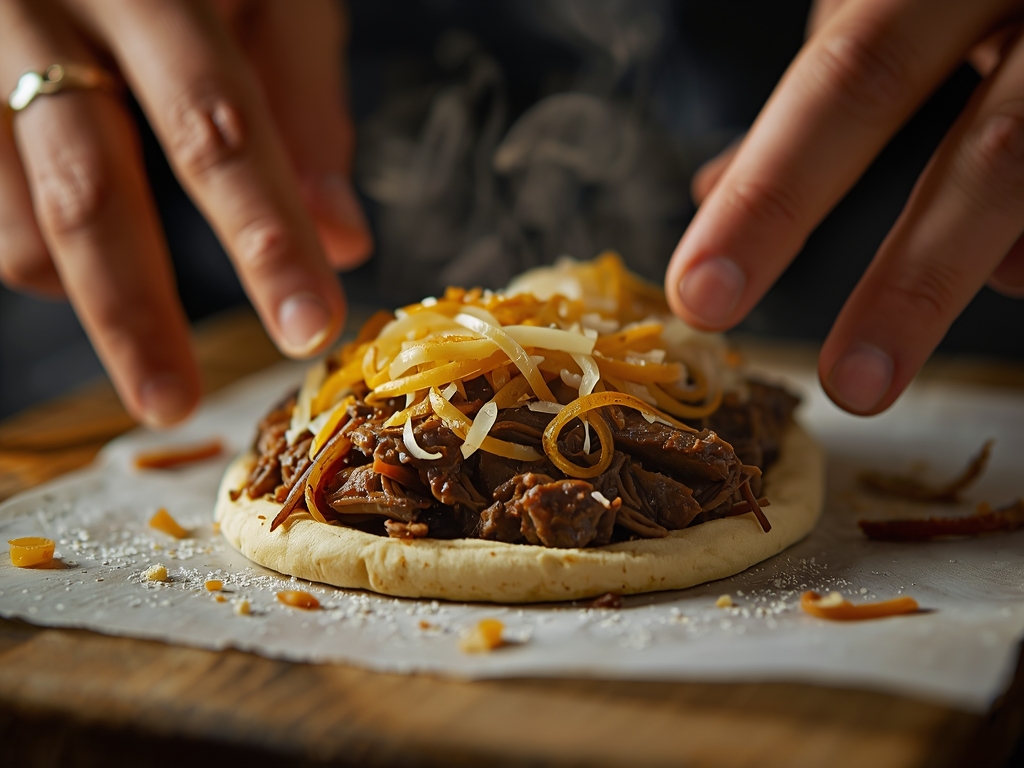
The spread is what separates a good leftover turkey sandwich from a pile of Thanksgiving dinner between bread. Cranberry mayo is the classic: stir together half a cup of mayonnaise, about a third of a cup of cranberry sauce, and a teaspoon of Dijon mustard, with salt and pepper. Whole-berry or jellied cranberry sauce both work; whole-berry gives texture, jellied gives a smoother spread. Spread it generously on both slices, all the way to the edges, so every bite has some — and so the mayonnaise forms the fat barrier that keeps the bread dry.
Beyond cranberry mayo, the spreads worth trying are all in the fridge already. Plain mayonnaise mixed with Dijon is the simplest version and lets the turkey speak. Cream cheese with chopped pecans is richer and works well with dark meat.
Six Sandwich Builds Worth Making

Build one is the classic cold Thanksgiving sandwich: whole-grain or sourdough bread, mayonnaise on the bottom slice, sliced turkey with salt and pepper, stuffing in the middle, cranberry sauce on the top slice, and crisp lettuce on top of the turkey. Layer order matters — mayo against the bread, turkey next, cranberry on the top slice — because it keeps the wet cranberry away from the bottom slice, which carries the weight. This is the sandwich to make on Friday at lunchtime, when everything is at its freshest.
Build two is the warm turkey and gravy sandwich: warm the sliced turkey in a skillet with a few spoonfuls of gravy, covered, for three to four minutes, then pile it onto toasted sourdough with a slice of Swiss or sharp cheddar and a spoonful of cranberry sauce. The cheese goes right next to the hot turkey so it melts faster. Build three is the crispy stuffing melt: press leftover stuffing into a thin patty and pan-fry it in butter until the edges brown, then stack it with turkey, cheddar, and cranberry mayo on sourdough and grill in butter until the cheese runs out the side. Crisping the stuffing first is the trick — it adds crunch and keeps the sandwich from feeling mushy, and if the stuffing will not hold a patty shape, mix in a beaten egg and chill the patties for 15 minutes before frying.
Build four is the turkey cranberry club: three slices of toasted bread, turkey, bacon if you have it, lettuce, tomato, and cranberry mayo, cut on the diagonal and held together with a toothpick. Build five is the open-faced hot turkey sandwich: thick bread, a pile of warm turkey, and gravy poured over the top, eaten with a knife and fork — the one build where soggy bread is the point, not the problem. Build six is the leftovers burrito: turkey, mashed potato, gravy, stuffing, and cranberry rolled in a large tortilla and warmed in a dry skillet until the outside crisps. It is not a sandwich in the strict sense, but it uses the same leftovers and the same rules, and it is the best way to feed a crowd quickly.
The Warm Builds: Melts, Paninis, and the Monte Pilgrim

Warm builds need heat management: the fillings must be hot before the sandwich goes in the pan, because grilling alone will not heat a thick stack all the way through. Warm the turkey, stuffing, and gravy until steaming hot first, then build, then grill over medium-low heat so the bread does not burn before the cheese melts — about three to four minutes per side for a melt on sourdough, buttered on the outside.
Two warm builds deserve their names. The Bobbie is the Pennsylvania-deli classic, served since 1976 by Capriotti’s, a Delaware-and-Pennsylvania chain that built its identity on it: a toasted seeded roll, turkey, stuffing, cranberry, and mayo, no lettuce, plain and perfect. The Farmers’ Almanac’s Thanksgiving sandwich guide gives the same layer order used here — mayo against the bread, turkey next, cranberry on the top slice — and calls the Bobbie the most famous version of the build. The Monte Pilgrim is the indulgent version: turkey and stuffing with brie between two slices of brioche, pan-fried in butter like a Monte Cristo, cranberry on the side for dipping. Both work because the bread is sturdy, the fillings are warm before they go in, and the wet ingredients are kept to a spoonful inside with the rest on the side. If you only make one warm sandwich this weekend, make the Bobbie — it is the build the whole idea of a Thanksgiving sandwich is named after.
What Not to Do: The Soggy Bread Traps

Soggy bread has four causes, and all four are avoidable. The first is gravy inside the sandwich: a spoonful over the turkey is fine, but a ladle poured onto the bread soaks through in minutes, so serve the extra gravy on the side for dipping. The second is cranberry sauce against bare bread: always put mayonnaise, butter, or cheese between the cranberry and the bread, and spread the cranberry on the top slice so gravity works for you rather than against you. The third is wet lettuce: wash and dry the lettuce properly, or skip it — damp lettuce wilts into the bread and adds nothing.
The fourth cause is time. A leftover turkey sandwich is a build-and-eat food, not a make-ahead food, and a sandwich assembled in the morning for lunch will be soggy by noon no matter how well it is layered. If you need to pack one, pack the components separately — turkey, stuffing, cranberry sauce, and bread in separate containers — and assemble at the table. And never reheat an assembled sandwich in the microwave: the bread steams, the cheese goes rubbery, and the cranberry slides out. Reheat the fillings separately and build fresh.
Storage: How Long Leftover Turkey Lasts

The storage rules are the same for every build in this guide, and they come from the FoodSafety.gov cold food storage chart: cooked turkey, stuffing, and gravy keep three to four days in the fridge at 40°F or below. Refrigerate everything within two hours of serving, store the components in separate airtight containers, and use them within three to four days of Thanksgiving. Past that window, do not put the turkey on a sandwich — freeze it instead and use it in soup.
For longer storage, leftover turkey slices freeze well for up to three months, wrapped tightly with a splash of gravy to stay moist — and freezing leftover stuffing follows the same wrap-airtight, label-and-date routine. Frozen turkey is best used in cooked dishes rather than sandwiches: our leftover turkey soup and our leftover turkey pot pie are both built for turkey that has been in the freezer, and both are better destinations for it than a sandwich, where the thawed meat can taste tired. The sandwich window is short — Friday to Sunday — and that is part of what makes it good.
Frequently Asked Questions
How long is leftover turkey good for sandwiches? Three to four days in the fridge at 40°F or below, per the FoodSafety.gov cold food storage chart. Make sandwiches on Friday and Saturday; by Sunday, use the turkey in a cooked dish like soup or pot pie instead.
Should turkey be warm or cold in a leftover turkey sandwich? Either, but warm turkey is better. Take the chill off cold turkey with twenty seconds in the microwave for a cold sandwich, and reheat turkey to 165°F before building a warm sandwich or melt.
How do I keep my turkey sandwich from getting soggy? Spread mayonnaise to the edges on both slices, put cranberry sauce on the top slice, keep gravy on the side for dipping, and build the sandwich just before eating. Toasting the bread lightly helps too.
What is the Bobbie sandwich? The classic Thanksgiving leftovers sandwich from Capriotti’s delis in Delaware and Pennsylvania: a toasted seeded roll with turkey, stuffing, cranberry sauce, and mayo, no lettuce. It has been served since 1976 and is the most famous version of the build.

Ghani is the founder of TwiceTasty and a passionate home cook who believes no meal should go to waste. What started as a personal mission to transform leftovers into exciting new dishes has grown into a community of food lovers who share the same philosophy.

← Previous
What to Do With Leftover Brussels Sprouts
Next →
What to Do With Leftover Green Bean Casserole