Follow Me On Social Media!


Leftover Ham Soup
Ingredients
- 1 pound dry navy beans picked over and rinsed
- 1 meaty leftover ham bone
- 2 1/2 cups diced cooked ham
- 1 small red onion diced
- 1 cup carrots cut into 1/2-inch pieces
- 1 cup celery cut into 1/2-inch pieces
- 2 cloves garlic minced
- 4 cups unsalted chicken stock
- 2 cups water
- 1 bay leaf
- 1 teaspoon smoked paprika
- 1 tablespoon red wine vinegar
- kosher salt and black pepper to taste
Instructions
- Pick over and rinse the beans and place in a 6-quart or larger slow cooker.
- Add the onion, carrots, celery and garlic.
- Nestle the ham bone in the centre and add the diced ham, stock, water, bay leaf and paprika.
- Cook on Low for 7 to 8 hours or on High for 4 to 5 hours, until the beans are tender.
- Remove the bone and bay leaf, shred the meat from the bone and stir it back in.
- Stir in the vinegar, season with salt and pepper, and serve.
Notes
Fridge 3–4 days; freezer 3 months.
Ham soup is the reason to keep the bone. The ham is gone, the slices are eaten, the holiday is over — and the bone, which most people throw away, is still full of flavour: smoky meat, marrow, and the collagen that turns a pot of beans and water into a rich, silky soup. A slow cooker does the work: beans, mirepoix, stock and the bone go in in the morning, and by dinner the beans are tender, the meat falls off the bone, and the soup tastes like it cooked all day — because it did. This guide gives you the recipe — a ham bone, a pound of navy beans, 7 to 8 hours on Low — plus the bean question, the bone question, the slow-cooker-versus-stovetop choice, and the storage rules.
The Short Answer: Ham Bone, 1 lb Beans, 7–8 Hours on Low
The short answer is that leftover ham soup needs 1 pound of dry navy beans, a meaty leftover ham bone, 2½ cups of diced cooked ham, an onion, a cup each of carrots and celery, 2 cloves of garlic, 4 cups of unsalted chicken stock, 2 cups of water, a bay leaf, and a teaspoon of smoked paprika. Pick over and rinse the beans and place them in a 6-quart or larger slow cooker. Add the onion, carrots, celery and garlic. Nestle the ham bone in the centre and add the diced ham, the stock, the water, the bay leaf and the paprika. Cook on Low for 7 to 8 hours, or on High for 4 to 5 hours, until the beans are tender. Remove the bone and the bay leaf, shred the meat from the bone and stir it back in, stir in a tablespoon of red wine vinegar, season with salt and pepper, and serve. Six servings, 15 minutes of prep, and the slow cooker does the rest. The Well Plated slow cooker ham and bean soup follows the same shape — a pound of dry beans with no soaking, a ham bone or a pound of diced ham, Low for 7 to 8 hours or High for 4 to 5 hours — and its two rules are the ones to remember: use dried beans, because they absorb flavour as they cook, and season with salt only at the end, because the ham is already salty.
What You Need (Ham Bone, Navy Beans, Mirepoix, Stock)

You need a meaty leftover ham bone — the bone from the holiday ham, with meat still attached — and 2½ cups of diced cooked ham to go with it. The bone is the flavour: it gives the soup its body, its smokiness, and the shredded meat that goes back in at the end. If the bone is not meaty enough, the diced ham makes up the difference; if there is no bone at all, use a ham hock or a ham shank from the butcher, or skip the bone and use a pound of diced ham on its own. If the bone will not fit in the slow cooker, ask the butcher to cut it in half, or break the knuckles by hand. For ideas that use the ham before it becomes soup, see our guide to what to do with leftover ham.
The beans are 1 pound of dry navy beans, picked over and rinsed — no soaking needed, because the slow cooker does the softening over 7 to 8 hours. Great northern, pinto or cannellini beans all work, and a bean soup mix works too, but navy beans are the traditional choice: small, creamy, and quick to go tender. The mirepoix is 1 small red onion, diced, 1 cup of carrots and 1 cup of celery, cut into half-inch pieces, and 2 cloves of garlic, minced — the same trio that starts almost every soup, and the one our guide to storing pre-cut mirepoix covers in full. The liquid is 4 cups of unsalted chicken stock and 2 cups of water — unsalted matters, because the ham is already salty and a salted stock cannot be fixed. The seasonings are 1 bay leaf, a teaspoon of smoked paprika, and a tablespoon of red wine vinegar, stirred in at the end. That is the whole ingredient list, and it is worth making exactly as written the first time — the ratio of beans to liquid to bone is the recipe.
How to Make Leftover Ham Soup Step by Step

Start with the beans. Pick through the pound of dry navy beans and remove any stones, shrivelled beans or debris, then rinse them and place them in a 6-quart or larger slow cooker. Add the diced onion, carrots, celery and garlic, and stir them through the beans. Nestle the ham bone in the centre of the beans, so it is surrounded on every side, and add the diced ham, the stock, the water, the bay leaf and the smoked paprika. Pour in enough liquid to cover the beans completely — if the bone pokes out, add a little more water, because beans left above the liquid will not cook.
Cover and cook on Low for 7 to 8 hours, or on High for 4 to 5 hours, until the beans are very soft and tender. Do not lift the lid to check: every lift drops the temperature and adds time, and a slow cooker opened five times takes an hour longer than one left alone. When the beans are tender, remove the ham bone and the bay leaf and set the bone aside until it is cool enough to handle. Shred the meat from the bone with a fork, discard the bone, fat and cartilage, and stir the shredded meat back into the soup. Stir in the red wine vinegar, taste, and season with salt and pepper — salt last, because the ham’s saltiness varies, and a soup salted at the start cannot be unsalted. For a thicker, creamier soup, mash a ladleful of beans against the side of the pot and stir it back in, or blend part of the soup with an immersion blender. Serve hot, with crusty bread.
The Beans: Dry, Canned, or Soaked? (No Soak Needed)

Dry beans are the right choice for this soup, and they do not need soaking. The slow cooker holds them at a gentle simmer for 7 to 8 hours, which is more than enough time for dry beans to go tender, and the long cook is what lets them absorb the flavour of the ham bone and the stock. Soaking is not necessary, and skipping it saves an evening of planning: rinse the beans, pick them over, and put them straight in the pot. Canned beans also work, but they are a different recipe: drain them, stir them in when you add the shredded ham back at the end, and cook for 30 minutes more, because canned beans are already tender and a full day in the slow cooker would turn them to mush.
The bean you choose changes the soup. Navy beans are small and creamy, and they break down just enough to thicken the broth — the traditional choice, and the one this recipe uses. Great northern beans are larger and hold their shape better, which suits a soup you want chunky. Cannellini beans are creamy and mild, but they contain a naturally occurring toxin that needs thorough cooking, so they must be fully tender before serving — the slow cooker’s long time handles that, but do not shortcut it. And a 15-bean mix gives a varied, hearty soup, but the beans cook at different rates, so check the largest ones before you call it done. Whatever bean you use, pick it over first: a stone in a bowl of soup is the one mistake no seasoning can fix.
The Ham Bone Question: Bone, Hock, or Diced Ham?
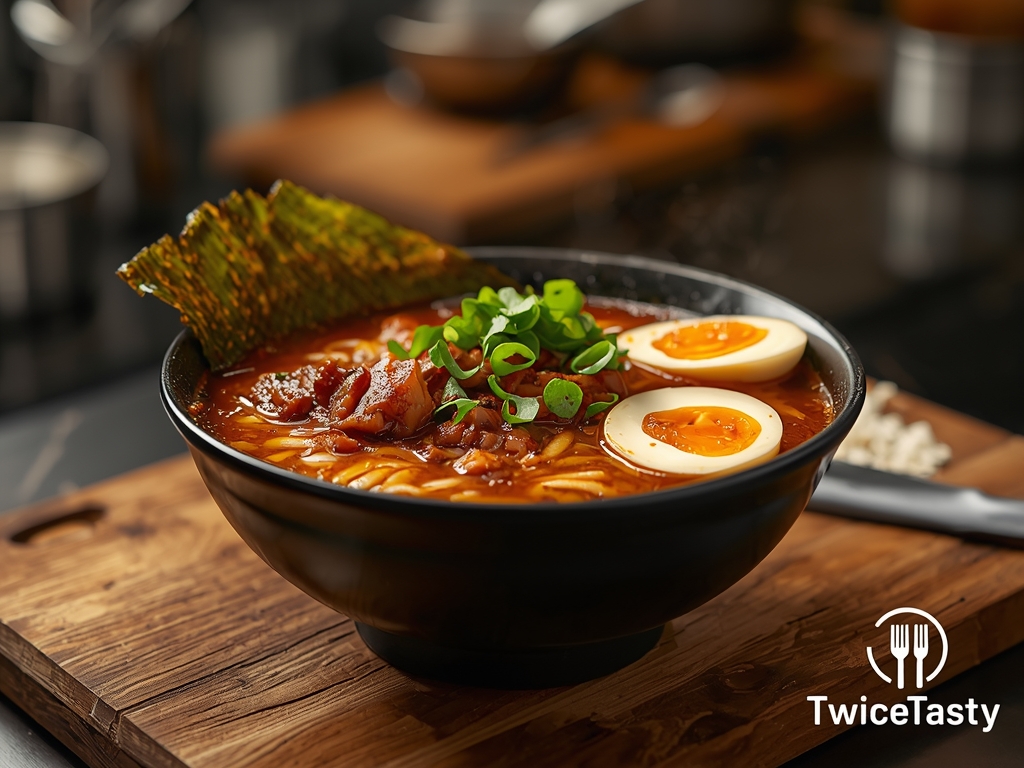
The ham bone is the best option, because it gives the soup flavour no diced ham can: the marrow, the collagen, and the meat that clings to the bone and falls off after hours of cooking. A ham hock is the next best thing — a smoked, meaty joint that does the same job, sold in the freezer case of most supermarkets. A ham shank is the third option, meatier than a hock and easier to shred. And diced ham on its own, a pound of it, makes a good soup without any bone at all: it will not have the same body, but it will have the same smoky, salty flavour, and it is the version to make when the bone is already gone.
The rule is to use what you have, in the amount the recipe gives: a bone plus 2½ cups of diced ham, or a hock plus diced ham, or a pound of diced ham alone. What does not work is a bone with no meat on it — a bare bone gives flavour but no substance, and the soup ends up thin — or a bone that is too big for the pot, which leaves beans above the liquid. If the bone is bare, add the diced ham. If the bone is too big, cut it. And if there is no bone and no hock, do not skip the soup: a pound of diced ham, a pound of beans, and a slow cooker still make a soup worth eating. For the stock the turkey carcass makes instead, see our guide to making turkey stock from the carcass.
Slow Cooker or Stovetop? (Which Pot Wins)
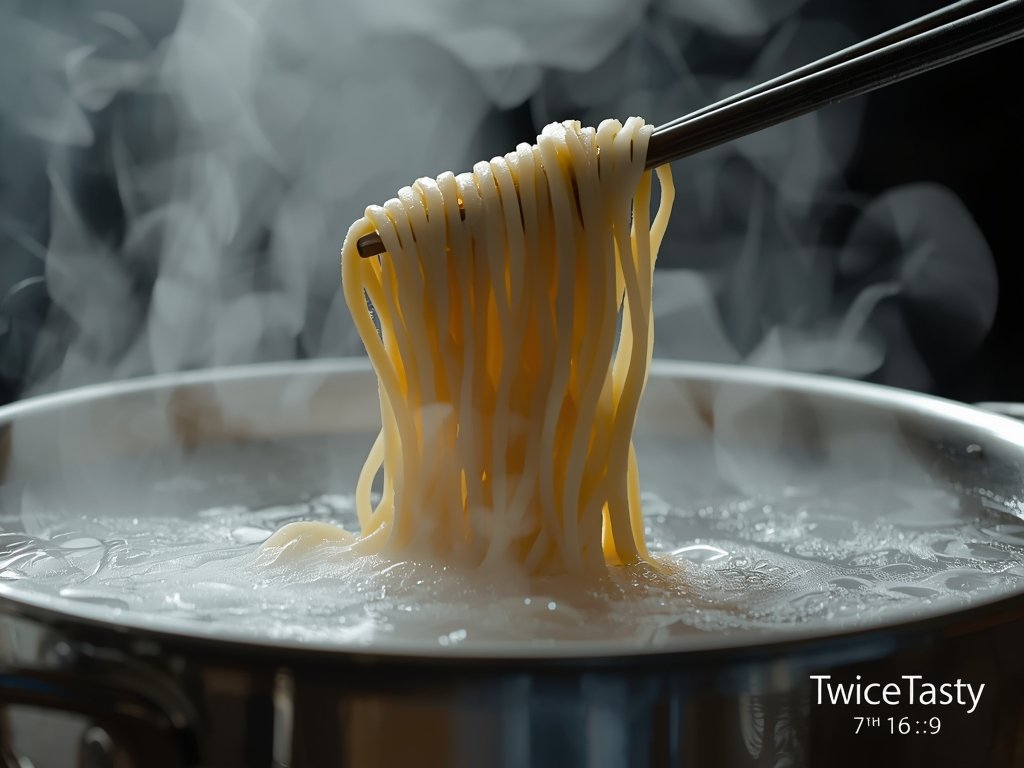
The slow cooker wins for this soup, and it is the one this recipe uses: it holds a low, steady heat for 7 to 8 hours without attention, the beans go tender without soaking, and the bone gives up its flavour slowly. The stovetop is the faster alternative: the same ingredients in a large pot, brought to a boil, then simmered covered on the lowest heat for 2 to 3 hours, until the beans are tender. The stovetop needs watching — a pot that boils dry, or a bean that sticks and scorches — and it needs the beans soaked overnight first, because 2 to 3 hours is not enough for dry beans from cold. The slow cooker needs neither.
The rule is to match the pot to the day: slow cooker when the soup can cook while you do something else, stovetop when you want it tonight and the beans are already soaked. Whatever pot you use, keep the lid on and the heat low: a soup that boils hard breaks the beans and clouds the broth, while a gentle simmer keeps them whole. And do not add the vinegar until the end: acid slows the softening of beans, and a soup with vinegar added at the start takes an hour longer to cook. The vinegar goes in after the beans are tender, where it brightens the whole pot. For the freezing rules, see our guide to freezing soup.
How to Store and Freeze Ham Soup (3–4 Days, 3 Months)
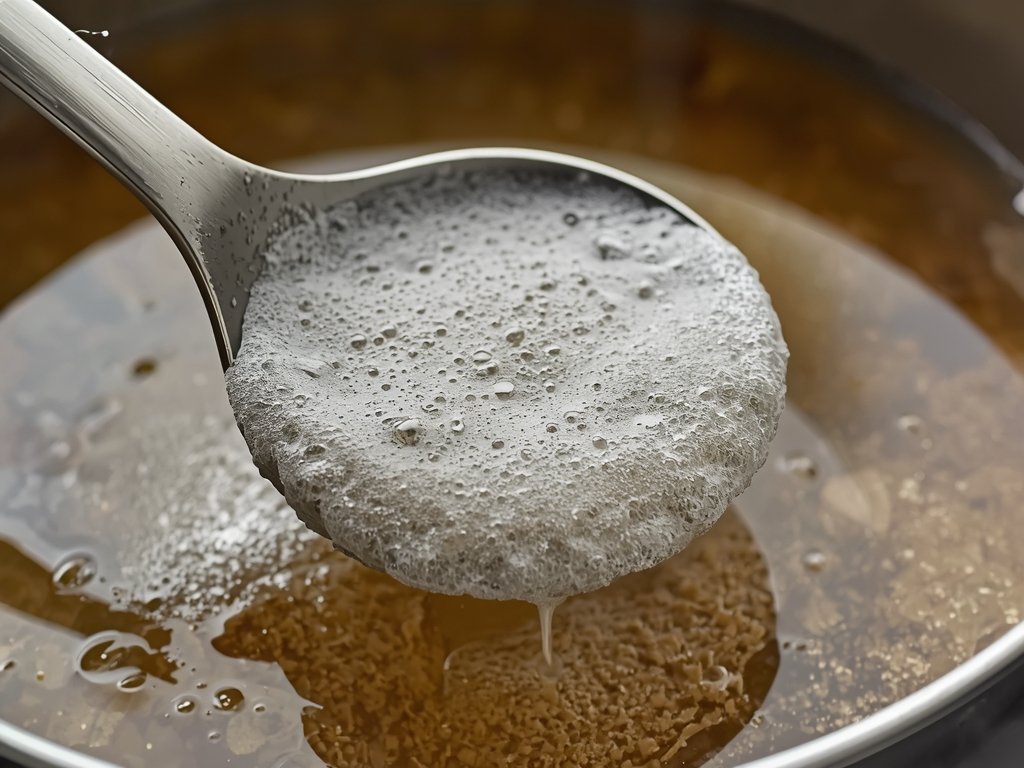
Ham soup keeps for 3 to 4 days in the fridge, in an airtight container, and the FoodSafety.gov cold food storage chart gives cooked soups the same window. Cool it quickly before refrigerating — spread it in shallow containers, or set the pot in a sink of cold water and stir — and refrigerate it within two hours of cooking. The soup gets more delicious as it sits, because the beans keep absorbing flavour, but the clock does not stop: a soup cooked on Sunday should be eaten or frozen by Wednesday. Label the container with the date, and reheat only the portion you plan to eat, to 165°F throughout.
For longer storage, freeze it. Portion the cooled soup into the amounts you will actually use — a quart at a time in freezer bags, laid flat so they stack, or in containers with an inch of headroom for expansion — and label with the date. Ham soup freezes beautifully, and it keeps its best quality for 3 months in the freezer, staying safe indefinitely at 0°F: the months are about taste and texture, not safety. Thaw it in the fridge overnight, never on the counter, and reheat it on the stovetop over low heat, stirring often, until it boils. If the soup has thickened in the freezer, add a splash of stock or water as it reheats. And if the soup smells sour or has been in the fridge for more than 4 days, throw it away: reheating does not make spoiled soup safe.
What to Serve With It

The best way to serve ham soup is the way that suits the moment. For dinner, serve it hot in deep bowls with crusty bread for dipping, and a fresh dark leafy green salad on the side — the bread is not optional, because the broth is too good to leave in the bowl. For lunch, serve it with a grilled cheese sandwich, or with the cornbread that is still in the fridge, which soaks up the broth better than any bread. For a crowd, serve it from the slow cooker with a ladle and a stack of bowls, and let people help themselves, with extra diced ham and a bottle of hot sauce on the table for those who want more.
The soup is also the base for other dishes: ladled over rice, it becomes a hearty bowl; blended smooth, a creamy first course; thinned with stock, a broth for noodles. The one serving rule is temperature: serve it boiling hot, straight from the pot, because a bean soup that sits and cools goes thick and stodgy, and the broth is the best part of it. The bone that fed no one on Thursday feeds six people on Sunday — and that is exactly what a leftover recipe should do. For the turkey soup that follows the same logic, see our guide to leftover turkey soup.
The Bottom Line
Leftover ham soup is the reason to keep the bone: 1 pound of dry navy beans, a meaty ham bone, 2½ cups of diced ham, mirepoix, stock and water, slow-cooked on Low for 7 to 8 hours, or on High for 4 to 5 hours, until the beans are tender. No soaking needed, salt last, vinegar at the end, and the meat shredded from the bone and stirred back in. Serve it hot with crusty bread, keep it for 3 to 4 days in the fridge, and freeze it for up to 3 months. The bone that fed no one on Thursday feeds six people on Sunday, and the soup gets better as it sits — which is the whole point of a leftover recipe: not to repeat the meal, but to replace it, one bowl at a time, until the ham is gone and nobody is tired of it.

Ghani is the founder of TwiceTasty and a passionate home cook who believes no meal should go to waste. What started as a personal mission to transform leftovers into exciting new dishes has grown into a community of food lovers who share the same philosophy.

Rate This Recipe
Tried this recipe? Share your experience and help others!