Follow Me On Social Media!

Cornbread is the most honest leftover in the kitchen: it tells you immediately whether you reheated it well. Done right, it comes back warm, moist and crumbly, with a crisp edge and a buttery crumb, almost as good as the day it was baked. Done wrong, it comes back dry, hard and chewy, a brick that no amount of butter will save. The difference is moisture: cornbread loses water fast, and every reheating method is really a way of putting water back — as steam under foil, as a damp paper towel in the microwave, as a pat of butter in a skillet. This guide covers the four methods that work — oven, microwave, air fryer and skillet — with the exact temperatures and times for each, plus how to reheat frozen cornbread and how to store it so it is worth reheating in the first place.
The Short Answer: 350°F, 10–15 Minutes, Wrapped in Foil
The short answer is that the oven is the best way to reheat cornbread: preheat to 350°F, sprinkle the cornbread with a little water or brush it with melted butter, wrap it in foil, and bake for 10 to 15 minutes, until it is hot and spongy all the way through. The Southern Cravings guide to reheating cornbread uses exactly this method — 350°F, wrapped in foil, 10 to 15 minutes — and calls the oven the best option, virtually fail-proof. If you only want one slice and you want it now, the microwave does the job in 20 to 30 seconds under a damp paper towel. If you want crisp edges, the air fryer wins at 350°F for 3 to 5 minutes. The method matters less than the two rules that apply to all of them: add moisture before you add heat, and keep the heat gentle. Cornbread is a crumbly, low-gluten bread, and it dries out faster than any yeast bread — which is why the foil, the damp towel, and the butter are not optional extras but the whole method.
Why Cornbread Dries Out (and How to Stop It)
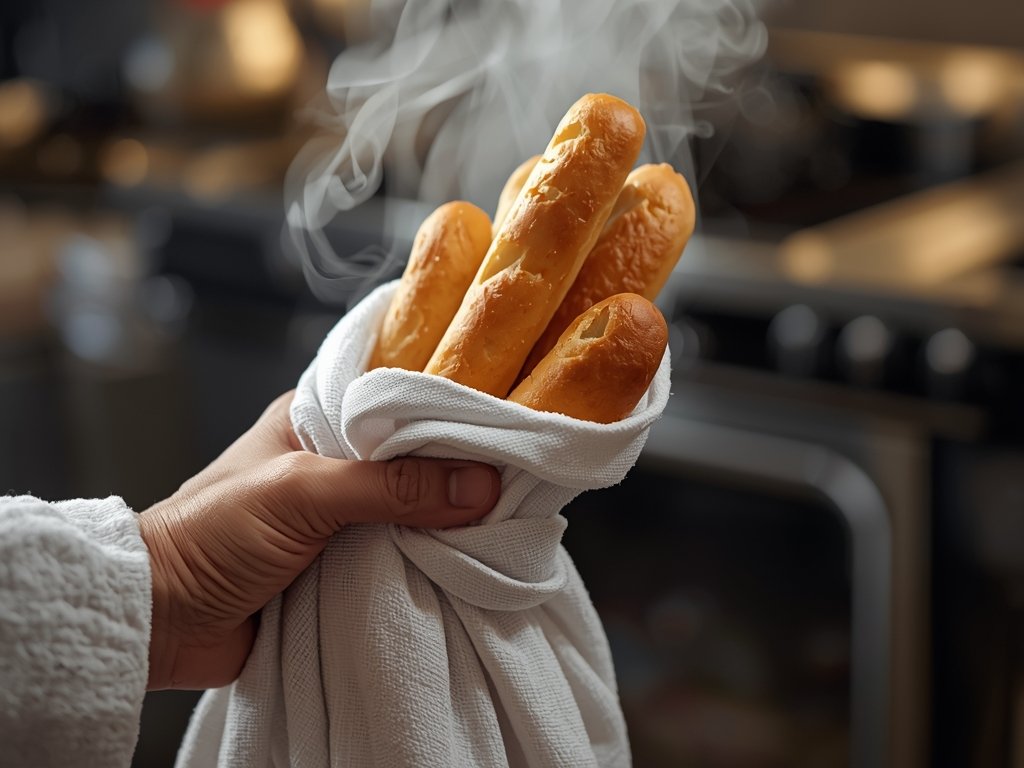
Cornbread dries out for one reason: cornmeal holds less water than wheat flour, and it gives up what it has quickly. A yeast bread has a gluten network that traps moisture; cornbread has almost none, so its crumb is tender and crumbly when fresh and dry and hard when stale. Every hour on the counter, and every day in the fridge, pulls more moisture out of the crumb, and reheating without adding moisture only pulls out more. The fix is to put water back before the heat goes on: a sprinkle of water over the slices, a damp paper towel draped over the top, a thin layer of butter spread on the cut faces. Each of these does the same job — it gives the crumb water to absorb as it warms, so the cornbread steams itself back to life instead of baking itself drier.
The other half of the problem is the crust. Cornbread baked in a cast-iron skillet has a crisp, golden crust that is the best part of the bread, and reheating badly destroys it: the microwave makes it chewy, the oven unwrapped makes it hard, and the air fryer can burn it before the middle is warm. The foil is the answer for the oven, because it traps steam and protects the crust from direct heat, and the last minute or two unwrapped is the answer for the crispness — just long enough to firm the top without drying it. For the freezing rules that decide how long cornbread keeps, see our guide to freezing cornbread.
Method 1: The Oven (Best All-Around)

Preheat the oven to 350°F. Sprinkle the cornbread with a little water, or brush the top with melted butter if it looks dry. Wrap individual slices in foil, or place the slices or the whole loaf on a baking sheet and cover tightly with foil. Bake for 10 to 15 minutes for slices, a little longer for a whole pan, until the cornbread is hot and spongy in the centre. If you want a crisp top, remove the foil for the last couple of minutes — but no longer, because an uncovered cornbread dries out fast. The added water or butter steams inside the foil and re-moisturises the crumb as it warms, which is why the oven method leaves cornbread moist inside and lightly crisp outside, the closest thing to freshly baked.
There is one honest disagreement in the guides worth naming: some cooks prefer a gentler 300°F oven, arguing that the lower temperature protects the crumb. The majority of tested methods use 350°F, and this guide uses 350°F, but the 300°F option is real — if your cornbread is already very dry, or if you are reheating a whole pan and have the time, 300°F for 15 to 20 minutes is the gentler choice, and it will not hurt the result. What matters is the foil and the moisture, not the exact degree: a cornbread wrapped in foil with a sprinkle of water at either temperature comes back moist, and a cornbread baked unwrapped at either temperature comes back dry. For the rolls that share the bread basket, see our guide to reheating dinner rolls.
Method 2: The Microwave (Fastest, One Slice)

The microwave is the right tool when you want one or two slices, quickly, with no preheating. Place the slice on a microwave-safe plate, cover it with a slightly damp paper towel, and microwave on medium power for 20 to 30 seconds, checking every 10 to 15 seconds. Continue in short bursts until the slice is warm and spongy — usually 30 to 60 seconds in total. A pat of butter on top before it goes in helps too: the butter melts into the crumb and adds back the richness the fridge took away.
The two mistakes that ruin microwave reheating are full power and too long. Full power heats the cornbread unevenly and makes it tough and rubbery; too long dries it past saving. Medium power, a damp towel, and short intervals are the whole secret, and the towel matters more than the power setting: it traps steam around the slice and keeps the crumb moist while it warms. Cover the slice rather than wrapping it in the towel, because a wrapped slice can go soggy on the bottom. Do not reheat a whole pan of cornbread in the microwave — it will heat unevenly, the middle will stay cold, and the edges will go hard. The microwave is a one-slice tool, and it is a surprisingly good one: a warm, moist slice in under a minute, with butter melting into the crumb, is the fastest honest reheat in this guide.
Method 3: The Air Fryer (Crispiest Edges)

The air fryer is the best method if what you want is crisp edges. Set the air fryer to 350°F. Cut the cornbread into slices rather than putting large chunks in the basket, and arrange them in a single layer so the air can reach both sides — do not stack them, because the slices in the middle stay cold while the ones on top dry out. If the cornbread is already dry, sprinkle it with a little water or top each slice with a pat of butter before it goes in. Heat for 3 to 5 minutes, until the cornbread is heated through and the edges are crisp.
The air fryer produces harsh, fast heat, so smaller slices work better than thick ones: a thick slice burns on the outside before the inside has warmed through. That is the trade-off of this method — it is quick and it crisps beautifully, but it dries the cornbread more than the oven does, which is why the water or butter is not optional here. If you want the crisp without the dryness, wrap the slices loosely in foil for the first half of the time, then unwrap them for the last couple of minutes: the foil steams the inside, and the open air crisps the outside. It is the same covered-then-uncovered logic as the oven, compressed into five minutes.
Method 4: The Skillet (Buttery and Golden)

The skillet is the method for a slice that deserves butter. Melt a tablespoon of butter in a cast-iron skillet over medium-low heat. Place the cornbread slices in the pan and cook for 2 to 3 minutes a side, until the bottoms are golden and crisp and the middles are warm. If the cornbread is a little stale, add a splash of water to the pan and cover it with a lid for 2 minutes: the steam rehydrates the crumb while the butter crisps the crust.
This is the only method that adds flavour while it reheats, because the butter fries the cut faces golden and the skillet gives the cornbread a crust it never had in the oven. It is also the best method for cornbread that is going somewhere else — crumbled into a salad, served under chilli, or turned into stuffing — because the buttered, toasted slices hold together better than plain reheated ones. The skillet is not the method for a whole pan, and it is not the method for a crowd, but for one or two slices on a quiet morning, with butter and honey, it is the best breakfast in this guide. And if the cornbread is past reheating, it has a better second life: our guide to turning leftover cornbread into bread pudding uses stale slices exactly as they are.
Frozen Cornbread: Thaw First, Then Reheat
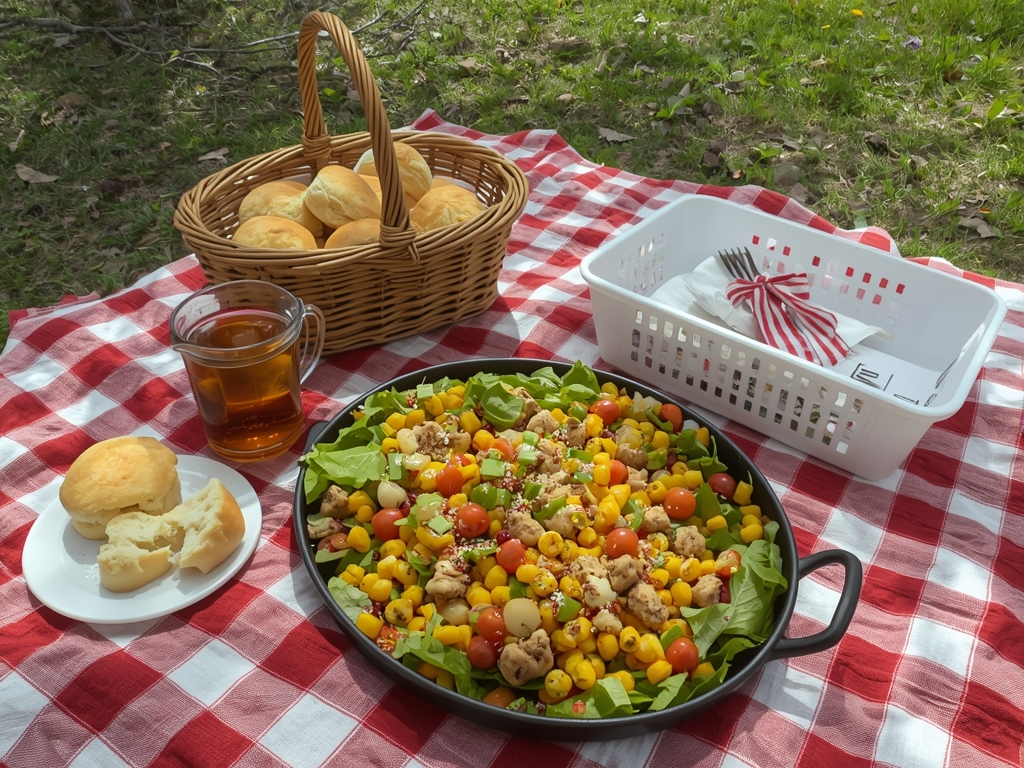
Frozen cornbread reheats best if it is thawed first. Leave the slices on the counter at room temperature for a few hours, on a paper towel to soak up any moisture so they do not go soggy, and then reheat them by any of the methods above: the microwave for a quick fix, the air fryer for crispy edges, or the oven for a crisp exterior and a soft, moist interior. A thawed slice needs the same time as a fridge slice — 10 to 15 minutes in a 350°F oven, 20 to 30 seconds in the microwave, 3 to 5 minutes in the air fryer — because the thawing, not the reheating, is the slow part.
You can also reheat frozen cornbread without thawing, in the oven, by adding 5 to 10 minutes to the covered time: wrap it in foil, bake at 350°F for 15 to 25 minutes, and check the centre before serving. The foil is even more important from frozen, because the outside will dry out while the inside thaws if it is left uncovered. The one thing not to do is microwave frozen cornbread on full power: it thaws unevenly, with hot, rubbery edges and a frozen middle, and no amount of butter fixes that. Thaw it first, or use the oven — those are the two honest options. For the full freezing guide, see our guide to freezing cornbread.
How to Store Leftover Cornbread (So It Reheats Well)
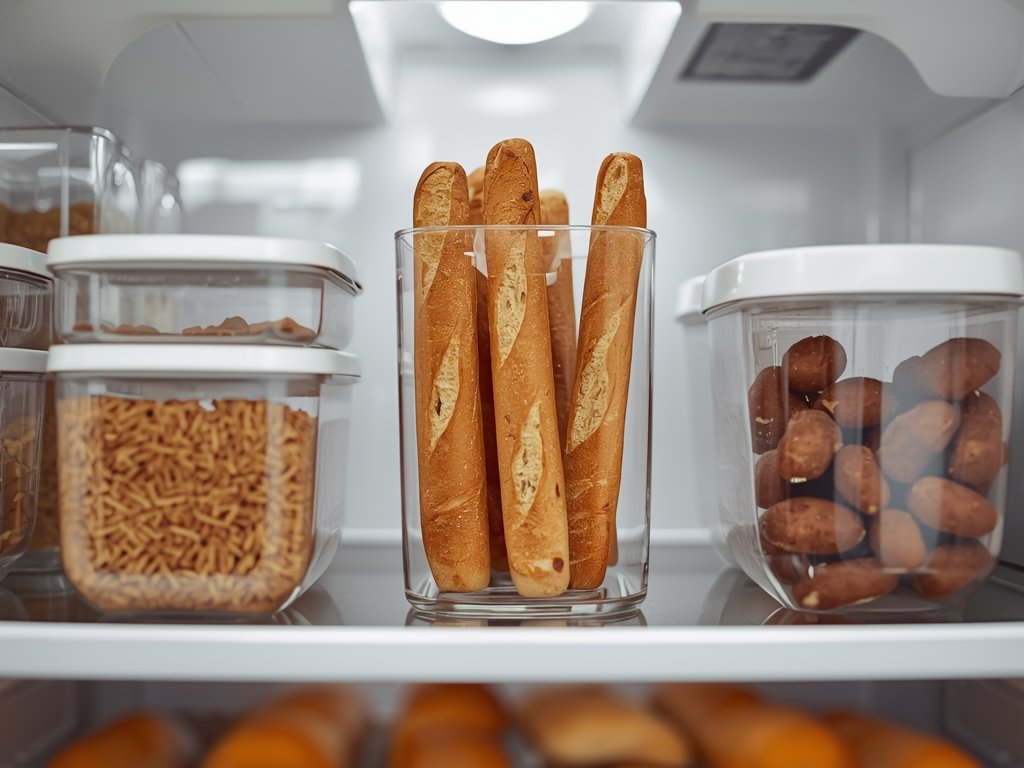
Cornbread keeps for 2 days on the counter in an airtight container or wrapped tightly in plastic wrap, up to a week in the fridge, and up to 3 months in the freezer for the best quality. The counter is the best place for the first two days, because the fridge dries cornbread out faster than the counter does — the cold air pulls moisture from the crumb, which is the same drying that makes reheating necessary in the first place. Wrap it tightly, whatever you do: an unwrapped cornbread on the counter is stale by morning, and a wrapped one is still good on day two.
For the fridge, wrap slices individually in plastic wrap and put them in an airtight container, so you can take out one slice without exposing the rest. For the freezer, wrap slices in plastic wrap and foil, or pack them in freezer bags with the air pressed out, and label with the date. The FoodSafety.gov cold food storage chart gives cooked leftovers 3 to 4 days in the fridge, and cornbread kept in the fridge should be eaten or frozen inside that window, even though it keeps longer on the counter. If the cornbread smells sour or has visible mould, throw it away: reheating does not make spoiled bread safe. And if the rolls share the basket, our guide to freezing dinner rolls covers the same wrap-tight rules for yeast bread.
The Bottom Line
Reheat cornbread in the oven at 350°F for 10 to 15 minutes, wrapped in foil with a sprinkle of water or a brush of butter — that is the method that works for slices and for a whole pan, and it is the one that brings the cornbread back moist inside and lightly crisp outside. For a single slice in a hurry, the microwave under a damp paper towel for 20 to 30 seconds does the job. For the crispiest edges, the air fryer at 350°F for 3 to 5 minutes wins. For the most flavour, the skillet in butter over medium-low heat gives you a golden crust in a few minutes a side. Whatever method you choose, add the moisture before the heat, keep the heat gentle, and remember the clock: 2 days on the counter, a week in the fridge, 3 months in the freezer. Cornbread treated that way tastes like the day it was baked, every time you reheat it — and if it is past that, our guide to leftover cornbread panzanella gives the stale slices a second life that is better than the first.

Ghani is the founder of TwiceTasty and a passionate home cook who believes no meal should go to waste. What started as a personal mission to transform leftovers into exciting new dishes has grown into a community of food lovers who share the same philosophy.