Follow Me On Social Media!

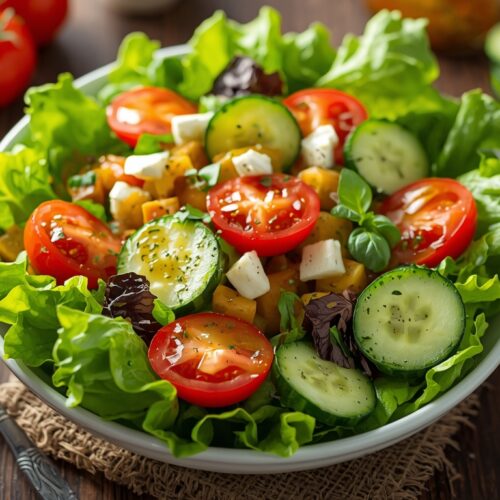
Leftover Turkey Salad
Ingredients
- 3 cups cooked turkey shredded or diced
- 1/2 cup mayonnaise
- 1 shallot finely chopped
- 2 stalks celery diced
- 1/2 cup dried cranberries
- 1 lemon zested and juiced
- 1 teaspoon Dijon mustard
- kosher salt and black pepper to taste
Instructions
- Whisk the lemon juice and zest with the mustard and mayonnaise until evenly combined.
- Add the shallot, celery, cranberries and turkey and season generously with salt and black pepper.
- Stir everything together and taste for seasoning.
- Cover and refrigerate for 1 hour before serving.
Notes
Fridge 3–4 days; does not freeze well.
Turkey salad is the quiet hero of the days after Thanksgiving. It takes no cooking, it takes ten minutes, and it turns the turkey nobody wants to look at anymore into the lunch everybody asks for. The formula is simple — cold turkey, a creamy dressing, something crunchy, something sweet, something sharp — and the result is a dish that tastes nothing like the dinner it came from. This guide gives you the classic recipe, the one with mayonnaise, celery, cranberries and lemon, plus seven variations that take the same turkey in completely different directions, and the storage rules that decide how long the salad is safe to eat.
The Short Answer: 3 Cups Turkey, ½ Cup Mayo, 1 Hour Chill
The short answer is that leftover turkey salad needs three cups of cooked turkey, shredded or diced, half a cup of mayonnaise, one finely chopped shallot, two stalks of diced celery, half a cup of dried cranberries, the zest and juice of one lemon, and a teaspoon of Dijon mustard, seasoned with salt and black pepper. Whisk the lemon juice and zest with the mustard and mayonnaise, add the shallot, celery, cranberries and turkey, season generously, stir everything together, and refrigerate for one hour before serving. Ten minutes of prep, one hour of chilling, four servings. The chilling hour matters — it lets the flavours marry, the cranberries soften slightly, and the dressing coat every piece of turkey. A turkey salad eaten the moment it is mixed tastes like its ingredients; a turkey salad eaten after an hour in the fridge tastes like a dish.
What You Need (Turkey, Celery, Cranberries, Lemon)

You need three cups of cooked turkey, shredded or diced into uniform pieces. The size matters: pieces that are all roughly the same size mean every spoonful has a bit of everything in it, and the salad holds together instead of falling apart. White meat and dark meat both work, and a mix of the two is best — white meat for structure, dark meat for moisture and flavour. The turkey should be leftover turkey from the last three to four days, stored properly in the fridge. A turkey cooked on Thursday is perfect for salad on Friday or Saturday. For the storage rules that decide whether the turkey is still good, see our guide to storing leftover turkey safely.
The dressing is half a cup of mayonnaise, the juice and zest of one lemon, and a teaspoon of Dijon mustard. The lemon does two jobs: the juice brightens the rich mayonnaise, and the zest adds a sharp, floral note that keeps the salad from tasting flat. The mustard adds a little heat and helps the dressing emulsify. The crunch comes from two stalks of celery, diced, and one finely chopped shallot — the shallot is milder than an onion and will not overpower the turkey. The sweetness comes from half a cup of dried cranberries, which also add chew and colour. Salt and black pepper, to taste, finish it. That is the whole ingredient list, and it is worth making exactly as written the first time — the balance of creamy, crunchy, sweet and sharp is the recipe, and changing one element before you have tasted it is how a good salad becomes a strange one.
How to Make Leftover Turkey Salad Step by Step

Start with the dressing. In a large bowl, whisk together the lemon juice and zest with the mustard and mayonnaise until evenly combined. The mixture should be smooth and pale yellow, with the zest visible throughout. Add the shallot, the diced celery, the dried cranberries and the chopped turkey to the bowl, and season generously with salt and black pepper. Stir everything together, making sure every piece of turkey is coated, and taste for seasoning — a little more salt, a little more pepper, a squeeze more lemon if it tastes flat. This is a no-cook recipe, so you can taste as you go and balance the flavours to your liking, which is the great advantage of a cold salad over a hot dish.
Cover the bowl with plastic wrap, or transfer the turkey mixture to an airtight container, and refrigerate for one hour before serving. The hour in the fridge is not optional garnish — it is when the dressing soaks into the turkey, the cranberries plump slightly, and the shallot mellows. Serve it cold, straight from the fridge, on its own or as a sandwich filling. The MasterClass turkey salad recipe follows exactly this shape — the same quantities, the same method, the same one-hour chill — and its three tips are the ones to remember: dice or shred the meat carefully so the pieces are uniform, taste as you go, and think about the crunch, adding something crisp if the salad is all soft, or something creamy if it is all crunch.
The Mayo Question: Classic, Light, or Vinaigrette?
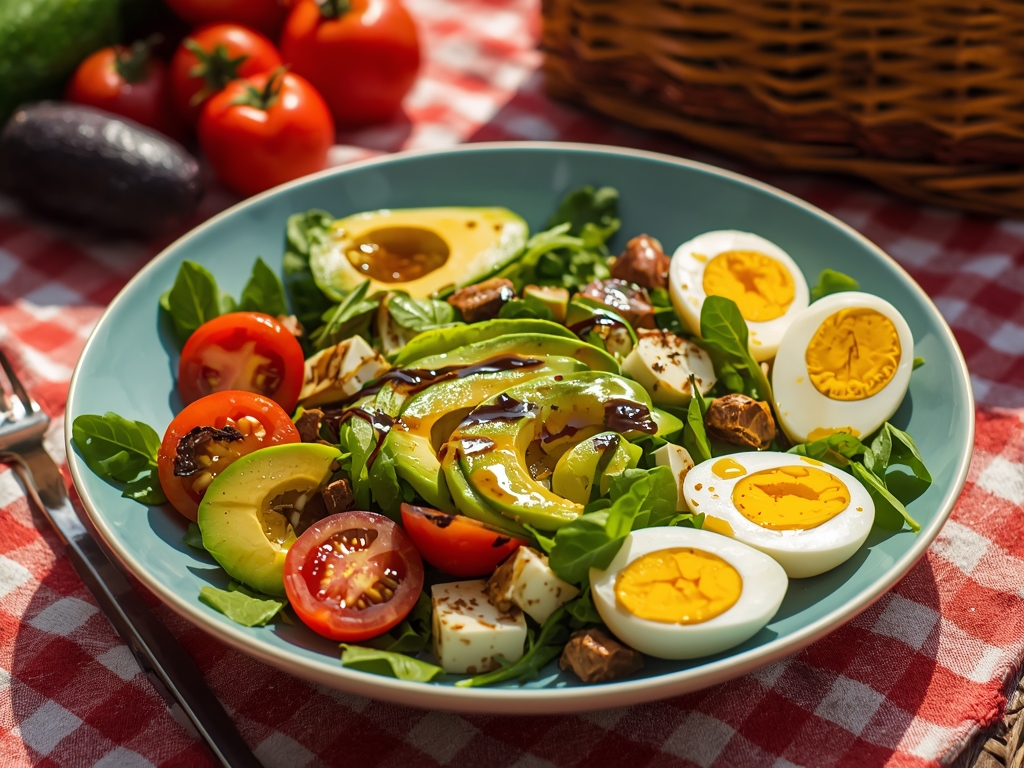
The classic turkey salad uses mayonnaise as its binder, and mayonnaise is the right choice for the classic version: it is creamy, it coats evenly, and it is a blank canvas for other flavours. But it is not the only choice, and the dressing you choose changes the salad completely. A light version swaps half the mayonnaise for Greek yoghurt or sour cream, which keeps the creaminess and adds a tang — the Waldorf variation below uses a sour cream dressing for exactly this reason. A vinaigrette version skips the creamy binder entirely and dresses the turkey with olive oil, lemon juice and Dijon, which is best served as soon as it is mixed, so nothing wilts.
The rule is to match the dressing to the serving. Mayonnaise-based salads are for sandwiches and for making ahead — they hold for days and they travel well. Vinaigrette-based salads are for eating now, on a bed of greens, where the brightness of the dressing is the point. And whatever dressing you use, do not drown the turkey: half a cup of mayonnaise for three cups of turkey is the ratio, and more dressing does not make a better salad, it makes a wetter one. If the salad looks dry after chilling, add a spoonful of mayonnaise, not a flood of it. If it looks wet, add more turkey or more celery, not more dressing.
Variations: Waldorf, Curry, Caesar, Niçoise

Turkey salad is a template, and the turkey will take almost any flavour you give it. The Waldorf is the classic: pecans, grapes, apples and celery, with a tangy sour cream dressing, served with bagel chips. The curry version takes the bright-yellow mayonnaise of a curry chicken salad — curry powder, raisins and cashews — and swaps in turkey. The Caesar version is parmesan, croutons, Caesar dressing and a bed of crisp romaine, made tableside if you want the theatre. The Niçoise is a composed salad: turkey in place of tuna, on butter lettuce, with steamed and cooled green beans and new potatoes, olives, boiled eggs and a Dijon vinaigrette.
The sesame ginger version is a chopped salad with shredded carrots, cabbage, green onions and crispy wonton chips, dressed with sesame oil, soy sauce, ginger and rice vinegar. The Greek version pairs the turkey with cucumber, red onion, tomatoes, olives and feta in a lemon vinaigrette with herbs. The larb version is Thai: shredded turkey with lime juice, fish sauce, brown sugar and sriracha, sliced shallots, romaine, and handfuls of cilantro and mint. And the simplest variation of all is the turkey salad sandwich: the salad between a split croissant or two slices of hearty bread, with butter lettuce and an extra swipe of mustard. Seven variations, one base recipe, and not one of them tastes like Thursday dinner.
How to Serve It (Sandwiches, Lettuce Cups, Crackers)
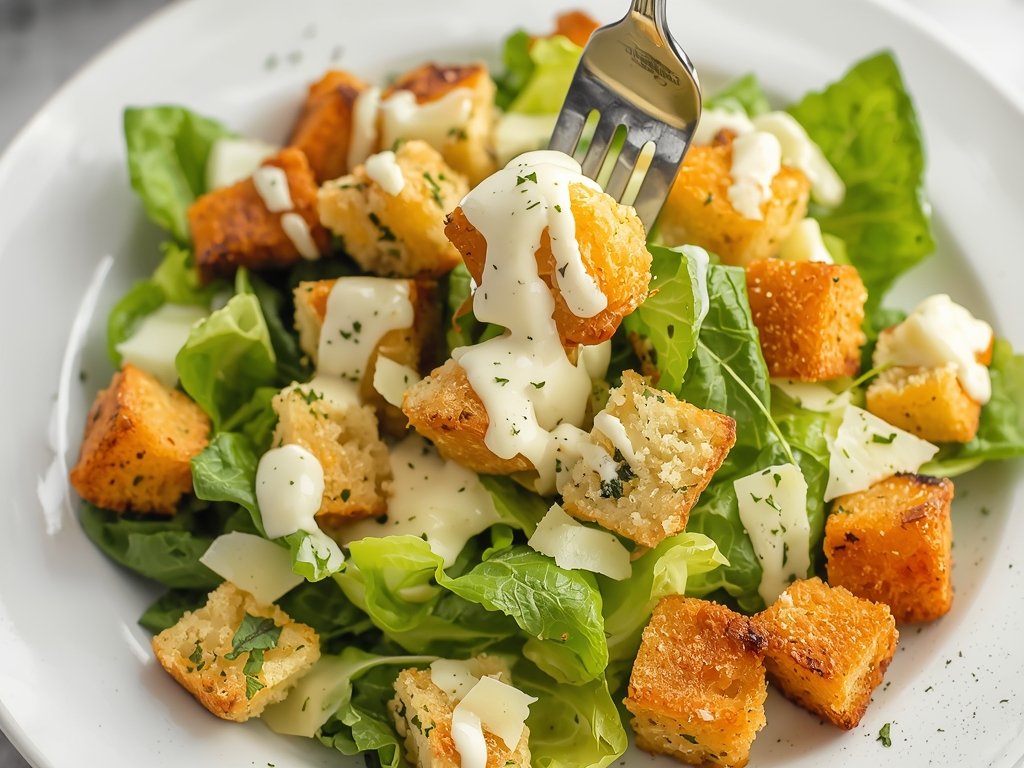
The best way to serve turkey salad is the way that suits the moment. For lunch, make sandwiches: split croissants, hearty bread, or soft rolls, with butter lettuce and a swipe of mustard. The bread should be sturdy enough to hold the filling without falling apart — a soft white sandwich loaf will go soggy, a crusty sourdough will hold. For a lighter lunch, serve it in lettuce cups, spooned into butter lettuce leaves with a few extra cranberries on top. For a party, serve it as a dip with crackers, bagel chips or cucumber rounds, and let people help themselves.
For dinner, serve it as a composed salad: a bed of greens, a scoop of turkey salad in the middle, and something crisp on the side. The salad is also the filling for wraps, the topping for a baked potato, and the protein in a grain bowl — spoon it over quinoa or rice with extra celery and herbs, and it becomes a complete meal. The one serving rule is temperature: serve it cold, straight from the fridge, and do not leave it sitting out. A mayonnaise-based salad should not sit at room temperature for more than two hours, and on a warm day, one hour is the limit.
How to Store Turkey Salad (3–4 Days, Never Frozen)
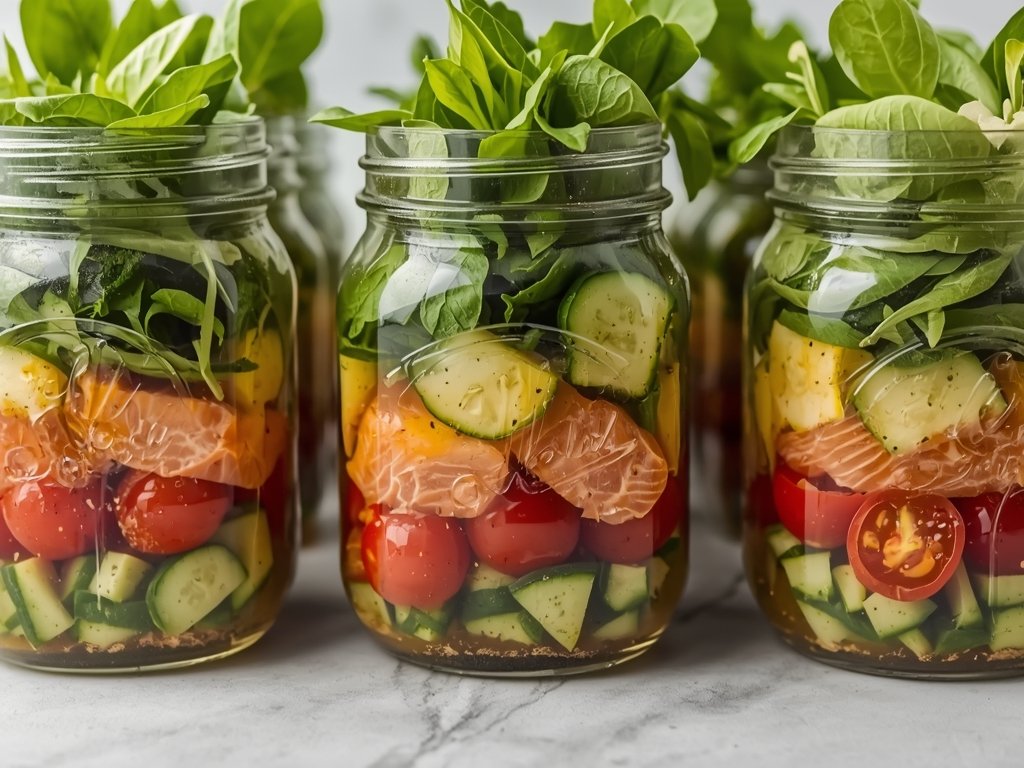
Turkey salad keeps for 3 to 4 days in an airtight container in the fridge, and it does not freeze well. The FoodSafety.gov cold food storage chart gives salads — egg, chicken, ham, tuna and macaroni salads — 3 to 4 days refrigerated, and notes that they do not freeze well, because the mayonnaise separates and the celery goes limp. The clock starts from when the turkey was cooked, not from when the salad was mixed: a turkey cooked on Thursday, made into salad on Saturday, has one or two days left, not four. Label the container with the date you made the salad, and use it or lose it by day four.
Store the salad in the container you will serve it from, with the lid on tight, and keep it in the coldest part of the fridge, not the door. Do not freeze it, and do not leave it on the counter while you decide what to do with it — the two-hour rule applies, and the danger zone is 40°F to 140°F. If the salad has been sitting out for more than two hours, throw it away. If it smells off, looks slimy, or the dressing has separated into oil and water, throw it away. A turkey salad is cheap to make and expensive to get wrong, and the fridge window is the rule that keeps it safe.
What to Do With the Rest of the Turkey

Three cups of turkey is a lot of turkey, and the bird you cooked probably gave you more than that. The rest of it has its own recipes, and they are all worth making. Our guide to leftover turkey tacos turns the same turkey into a weeknight dinner with lime and pickled onions. Our guide to leftover turkey enchiladas bakes it under sauce and cheese. Our guide to leftover turkey fried rice is the fastest answer of all — twenty minutes, one pan, and the turkey tastes like takeout instead of Thanksgiving. And if you started with a breast rather than a whole bird, our guide to cooking a turkey breast is the recipe to cook next time, because a breast gives you exactly the amount of turkey a salad needs, with none of the carcass to deal with afterwards.
Save the carcass when dinner is done, and turn it into stock — the stock is the base for the soup that follows the salad by a day, and it is the best use of the parts of the bird nobody eats. The turkey that fed twelve people on Thursday can feed four people on Friday, four more on Saturday, and still leave enough for soup on Sunday. That is the whole point of a leftover recipe: not to repeat the meal, but to replace it, one dish at a time, until the turkey is gone and nobody is tired of it.
The Bottom Line
Leftover turkey salad is the fastest answer to the day-after problem: three cups of cooked turkey, half a cup of mayonnaise, a shallot, two stalks of celery, half a cup of dried cranberries, a lemon and a teaspoon of Dijon, mixed in ten minutes and chilled for one hour. Serve it cold, in sandwiches, lettuce cups or as a dip, and keep it for 3 to 4 days in the fridge — never frozen, never left out for more than two hours. The variations are the point: Waldorf, curry, Caesar, Niçoise, sesame ginger, Greek, larb, or a simple sandwich, all from the same base. The turkey that tasted like Thursday on a plate tastes like lunch in a bowl, and that is exactly what a leftover recipe should do.

Ghani is the founder of TwiceTasty and a passionate home cook who believes no meal should go to waste. What started as a personal mission to transform leftovers into exciting new dishes has grown into a community of food lovers who share the same philosophy.

Rate This Recipe
Tried this recipe? Share your experience and help others!