Follow Me On Social Media!

A stale loaf looks finished, and most of it goes in the bin for that reason. The crust is hard, the crumb is dry, and the bread feels like it lost something it can never get back. It did not lose anything. A stale loaf holds almost as much water as a fresh one — the water is still inside, locked up in starch crystals that formed as the bread cooled, and heat unlocks them. That is why the fix for stale bread is water and heat, not butter or hope: wet the crust, bake it at 300°F for 6 to 10 minutes, and the loaf comes back soft inside and crisp outside. This guide explains how to revive stale bread three ways — oven, microwave and skillet — which breads the trick works on, when a loaf is too far gone, and how to keep the next loaf fresh longer.
The Short Answer: Wet the Crust, 300°F, 6–10 Minutes
The short answer to how to revive stale bread is water, then heat. Preheat the oven to 300°F, take the whole or partial loaf — not pre-sliced bread — and run it briefly under cold running water, turning it so the whole crust gets damp, keeping the cut side away from the water so the crumb does not soak. Place the loaf on a baking sheet or directly on the oven rack and bake for 6 to 10 minutes, depending on its size and how wet it is, until the crust is dry and crackly again and the loaf gives a little when you squeeze it. Eat it within the hour, because a revived loaf goes stale again faster than a fresh one. That is the whole method, and it works because the water turns to steam in the oven, the steam softens the crumb, and the dry heat re-crisps the crust as the water burns off. The Food Network guide to reviving stale bread gives exactly these three steps — 300°F, a quick run under water, 6 to 10 minutes — and its one warning is the one to remember: the method is for whole and partial loaves, not for bread that is already sliced, and if the bread is mouldy it cannot be saved and should be thrown away.
The reason this answer to how to revive stale bread works is that staling is not drying out. As bread cools and sits, its starches change shape and lock the water inside them as they crystallise — a process called retrogradation — and the crumb feels dry because the water is trapped, not because it is gone. Heat loosens those crystals and lets the starch take the water back up, and the bread softens again. That is also why the revival does not last: once the bread cools, the starches crystallise again, faster than the first time, so a revived loaf is a just-in-time fix, not a storage strategy. Revive what you will eat at that meal, not the whole loaf for the week, and the trick will never let you down.
Why Bread Goes Stale (It’s Not Drying Out)

Bread goes stale because of retrogradation, and understanding it changes how to revive stale bread completely. When bread bakes, its starches absorb water and swell; as the loaf cools and sits, those starches slowly regroup into crystals, squeezing the water out of the crumb and locking it away where your teeth cannot find it. The loaf feels dry and hard, but a stale loaf holds almost as much moisture as a fresh one — the water moved, it did not leave. That is why wrapping a stale loaf in plastic does nothing: there is no moisture to trap, because the moisture is already inside, in the wrong place.
The second fact about how to revive stale bread is that cold speeds the process up. Starch crystals form fastest at fridge temperatures, which is why the fridge is the worst place for a loaf — bread stored in the fridge goes stale faster than bread stored on the counter, even though the fridge keeps everything else fresh. Room temperature is the right place for bread you will eat in two or three days, and the freezer is the right place for anything longer: frozen bread keeps for up to 3 months, and its starches stop moving entirely at freezer temperatures. The enemy is not air or time, it is the wrong temperature, and the fix is heat applied at the right moment. For the full freezing guide, see our guide to how to freeze bread.
Method 1: The Oven (Best for Whole Loaves)
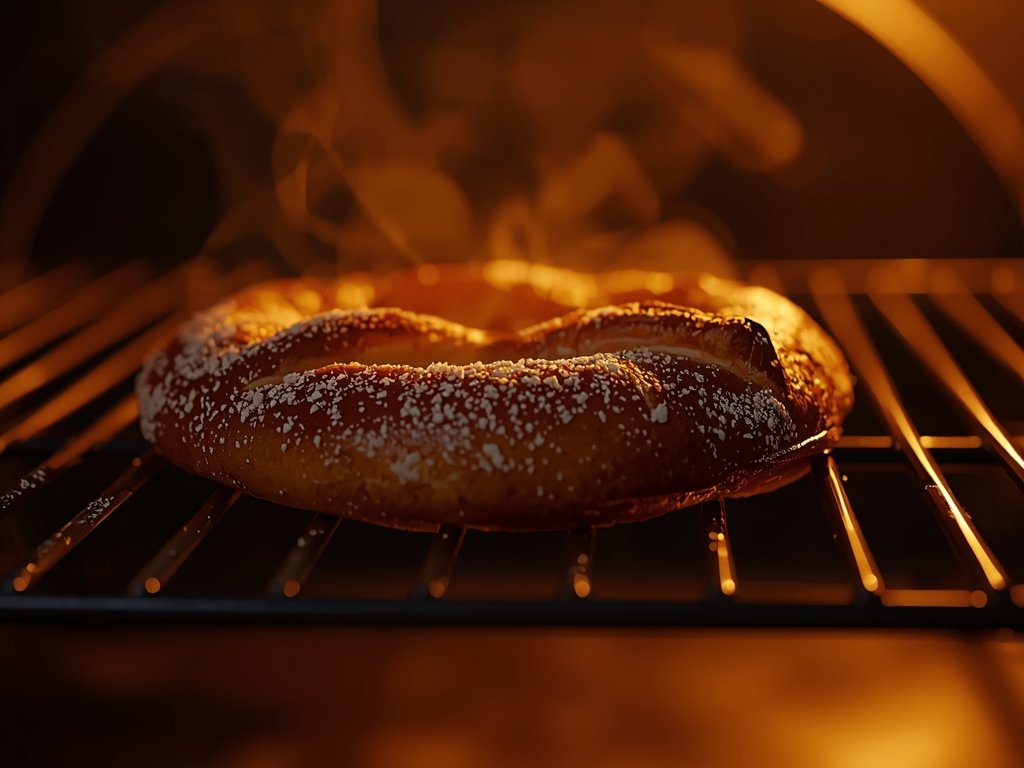
The oven is the best tool for learning how to revive stale bread, because it is the only method that fixes a whole or half loaf at once. Preheat the oven to 300°F. Run the loaf briefly under cold running water, turning it so the whole crust gets damp, not soaked, and keeping the cut side away from the stream. Place the loaf directly on the oven rack — no pan, no foil — so hot air moves all around it, and bake for 6 to 10 minutes: baguettes closer to 5 or 6, bigger loaves closer to 10. It is ready when the crust feels dry and crackly again and the loaf sounds slightly hollow when you tap the bottom. Eat it within the hour, and remember that how to revive stale bread is a just-in-time fix: revive what you will eat at that meal.
For a loaf that is very hard, there is a slower oven version of how to revive stale bread that works better. Wet the crust the same way, wrap the loaf tightly in foil, put it on the middle rack of a cold oven, and set the oven to 300°F. Give a standard loaf about 30 minutes, or 15 to 20 minutes for a narrow loaf like a baguette, then unwrap it and bake for about 5 minutes more to firm up the crust. The foil makes the bread steam instead of toast, which softens the crumb all the way through before the crust re-crisps. The trade-off is time: the quick version takes 10 minutes and the foil version takes 35, but the foil version is the one that saves a loaf that feels like a brick. Either way, do not soak the crumb — a damp crust is the goal, and a soaked loaf comes out soggy, not revived.
Method 2: The Microwave (Fastest, One Slice)
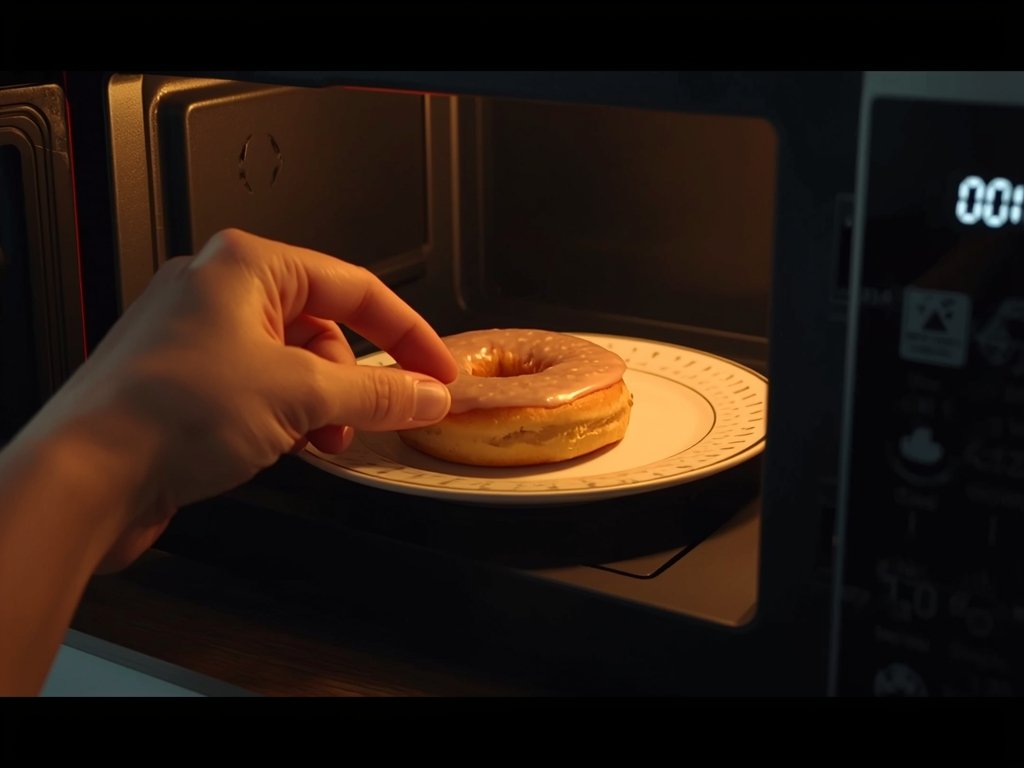
The microwave is the fastest answer to how to revive stale bread, and the most limited one. Wrap a slice or a roll in a damp paper towel and microwave it in short bursts: 30 to 45 seconds is enough for a single slice or roll. The damp towel is not optional — it is the water that turns to steam and softens the crumb, and without it the microwave only drives out the last of the moisture and makes the bread harder. Eat the slice at once, straight from the microwave, because this is the method with the shortest revival of all: a microwaved slice turns hard and stale again fast as the moisture evaporates, sometimes within minutes.
Do not microwave a whole loaf: that is the one mistake in how to revive stale bread that makes things worse. The microwave heats unevenly, so the outside goes rubbery while the middle stays hard, and a loaf revived this way is worse than the stale loaf you started with. The microwave is a one-slice tool, for the slice you are about to eat, and it is a good one: a warm, soft slice in under a minute, with no oven to preheat. It is also the right tool for rolls and buns: a light spritz of water on the outside, a short burst, and the roll is soft enough to split and butter. For the freezing rules that decide whether the bread is worth reviving at all, see our guide to freezing dinner rolls, which covers the same 3-month freezer window for the bread on the holiday table.
Method 3: The Skillet and Toaster (Best for Slices and Rolls)
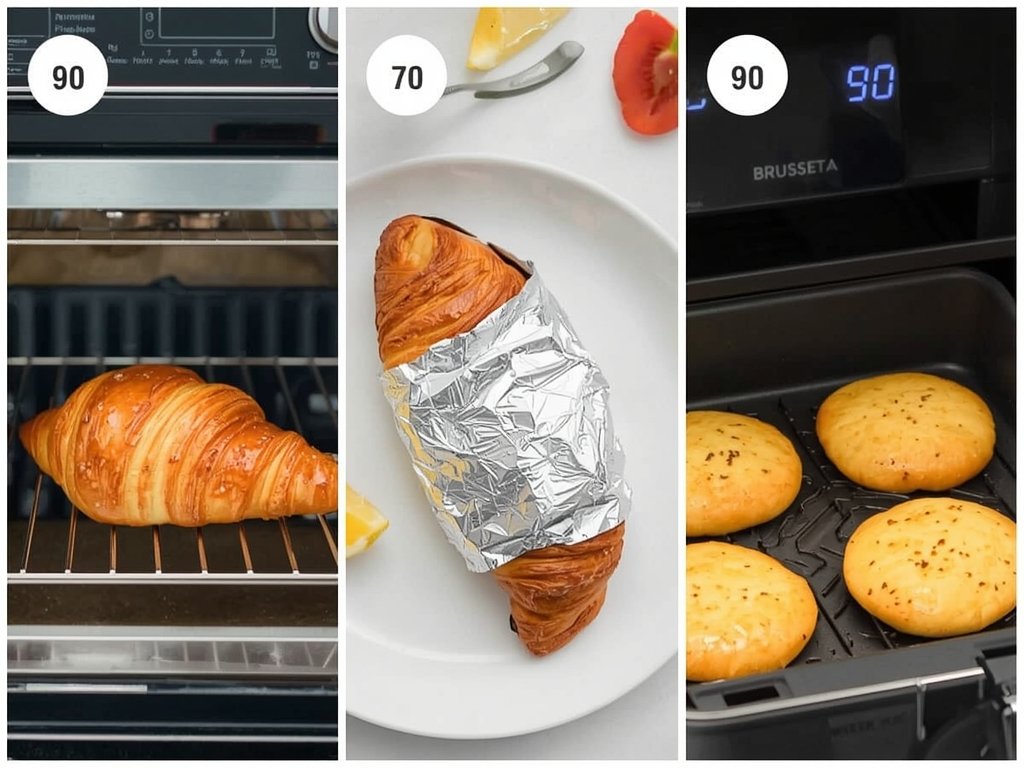
The skillet is the third way to learn how to revive stale bread, and the best one for slices. Spritz the slice lightly with water, place it in a dry skillet over medium heat, and warm it for 1 to 2 minutes a side, pressing gently with a spatula. The direct heat re-crisps the outside while the steam from the spritz softens the inside, and the slice comes out warm, pliable and lightly toasted — better than a microwaved slice, because the skillet gives it a crust the microwave never can. This is also the method for rolls: split the roll, spritz the cut sides, and warm it cut-side down in the skillet until the inside is soft and the outside is golden.
The toaster is the same idea, faster. A light spritz of water on the outside of a slice or a roll, then a short toast just to warm it through, gives you a slice that is soft inside and crisp outside — and stale bread makes the best toast of all, because its dry crumb browns evenly instead of steaming. The rule for both the skillet and the toaster in how to revive stale bread is to warm, not to cook: you are reheating a slice that is already baked, and a minute too long turns revival into a crouton. If the bread is sliced thin, the toaster wins; if it is a thick slice or a roll, the skillet wins, because you can press it and control the heat. Either way, butter it while it is hot, and eat it at once.
Which Breads Revive Best (and Which Don’t)
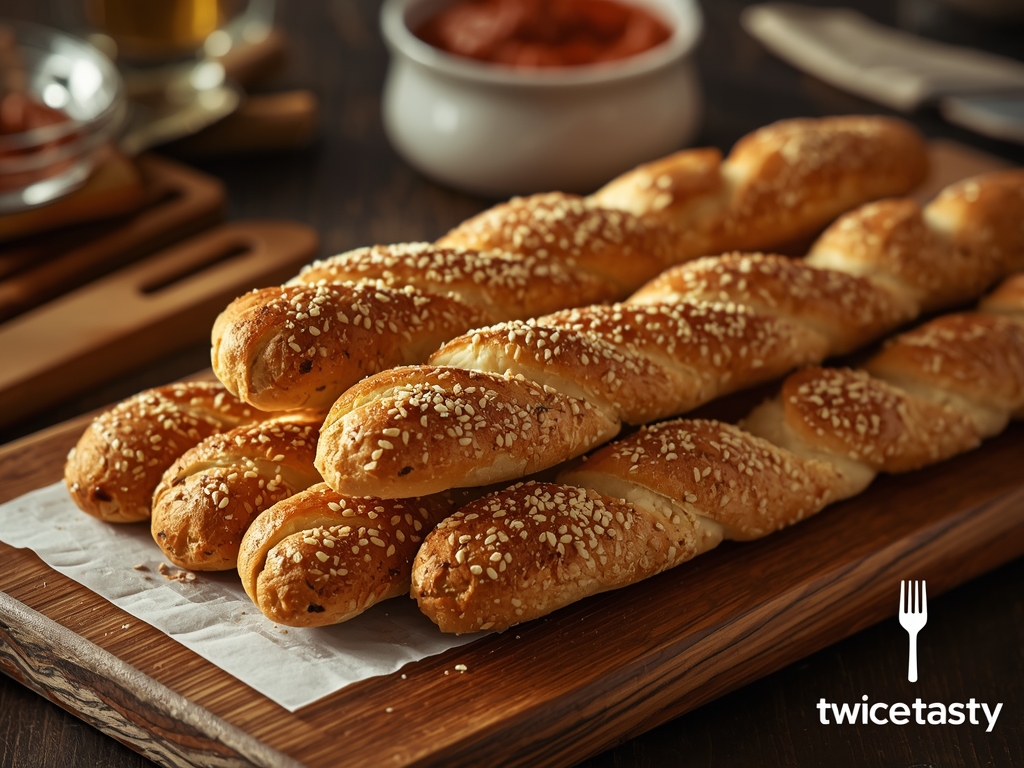
The oven-and-water answer to how to revive stale bread works best on crusty loaves: artisan bread, baguettes, sourdough boules, ciabatta, and any rustic bread with a real crust. These breads have a thick crust that can take the water and a dense crumb that holds its structure, so the steam softens the inside while the dry heat re-crisps the outside. A baguette is the best case of all: a few seconds under the tap, 5 or 6 minutes at 300°F, and it comes back sounding hollow and crackly, almost as if it were baked that morning.
How to revive stale bread works least well on soft bread, and knowing that saves disappointment. Soft sliced sandwich bread, brioche, dinner rolls and other enriched loaves have thin crusts and soft crumbs, and wetting them only makes them soggy — they have no crust to re-crisp and no structure to hold the steam. For those breads, the toaster is the better tool: a short toast warms them through without soaking them. The same split applies to age: bread that is a day or two past its prime revives beautifully, bread that has been sitting for a week is harder to save, and bread that is rock-hard all the way through wants the foil-wrapped oven method, not the quick one. For what to do with the rolls that will not revive, see our guide to what to do with leftover dinner rolls.
When Bread Is Too Far Gone
There is a line between stale and spoiled, and knowing it is the most important part of how to revive stale bread. Stale bread is dry and hard; spoiled bread is mouldy, and mould is the line. If the loaf has any fuzzy spots, greenish or bluish patches, a musty smell, or anything else that looks off, do not try to revive it — throw it out. Mould on bread spreads beneath the surface where you cannot see it, and cutting off the visible spot does not make the rest safe. The FoodSafety.gov cold food storage chart gives storage times for bread, and the standing guidance is the same everywhere: mouldy bread is discarded, not trimmed and eaten.
A loaf that is too far gone for how to revive stale bread is not wasted, as long as it is not mouldy. Dry bread is an ingredient: grind it into homemade breadcrumbs, cut it into cubes for stuffing or croutons, soak it for bread pudding, or slice it for French toast, where the dry crumb soaks up the egg better than fresh bread ever could. Our guide to what to do with leftover stuffing starts with bread cubes for exactly this reason, and our leftover cranberry sauce muffins are the sweet version of the same idea — stale bread and leftovers, turned into something the table actually wants. Revival is the first option, not the only one, and the loaf that will not come back as bread can still come back as dinner.
How to Keep Bread Fresh Longer

The best answer to how to revive stale bread is to need it less often, and keeping bread fresh is mostly about temperature and air. Store bread you will eat in two or three days at room temperature, in a paper bag or a cloth bag, cut side down on the board — paper lets the crust breathe and stay crisp, while plastic traps moisture and makes the crust soft. For anything longer, slice the loaf, freeze it in a bag with the air pressed out, and use it within 3 months: frozen bread keeps that long, and a slice thaws in minutes on the counter or straight in the toaster. Never store bread in the fridge, which speeds staling, and never leave a cut loaf open to the air, which dries the crumb out from the cut side first.
The Bottom Line
How to revive stale bread comes down to water and heat: run a whole or partial loaf briefly under cold water, bake it at 300°F for 6 to 10 minutes until the crust is dry and crackly again, and eat it within the hour, because a revived loaf goes stale again fast. For a very hard loaf, wrap it in foil and bake it at 300°F for 30 minutes, then unwrap it for 5 minutes to crisp the crust. For a single slice, wrap it in a damp paper towel and microwave it for 30 to 45 seconds, or spritz it and warm it in a skillet or toaster. The trick works best on crusty loaves, least well on soft sliced bread, and not at all on mouldy bread — which should be thrown away, never trimmed. Keep the next loaf at room temperature for two or three days, freeze the rest for up to 3 months, and the bin will see a lot less bread — which is the point of knowing how to revive stale bread.

Ghani is the founder of TwiceTasty and a passionate home cook who believes no meal should go to waste. What started as a personal mission to transform leftovers into exciting new dishes has grown into a community of food lovers who share the same philosophy.