Follow Me On Social Media!

The Thanksgiving table always has too much pie. Three pies for twelve people, four pies for eight, a pumpkin, a pecan, an apple and a cream pie that nobody ordered but everybody eats — and then the question that nobody asks until the table is cleared: where does all this pie go? The answer depends on the pie. A fruit pie can sit on the counter for two days. A pumpkin pie belongs in the fridge from the moment it cools. A custard pie should never see the counter at all. Get it wrong and the pie goes stale, or soggy, or unsafe — and the pie that was the best part of dinner becomes the thing you throw away on Sunday. This guide sorts every kind of pie by its storage rules, with the exact times, the wrapping, the freezing and the thawing.
The Short Answer: It Depends on the Pie
The short answer is that there is no single rule for storing pie, because pies are not one food — they are four different foods that happen to share a crust. Fruit pies made with sugar and no eggs can be stored covered at room temperature for up to 2 days, then refrigerated for 2 more days, or put straight in the refrigerator for up to 7 days. Pumpkin, pecan and other pies made with eggs should be stored in the refrigerator for up to 4 days. Fresh fruit, custard, cream and chiffon pies should be refrigerated promptly after preparing, and kept in the refrigerator for up to 4 days. Pies made with sugar substitutes should be stored in the refrigerator and eaten within 2 days. Those are the rules from the University of Maine Cooperative Extension, and they are the rules this guide follows — because the pie’s filling decides its storage, not its crust.
Fruit Pies: 2 Days on the Counter, Then the Fridge
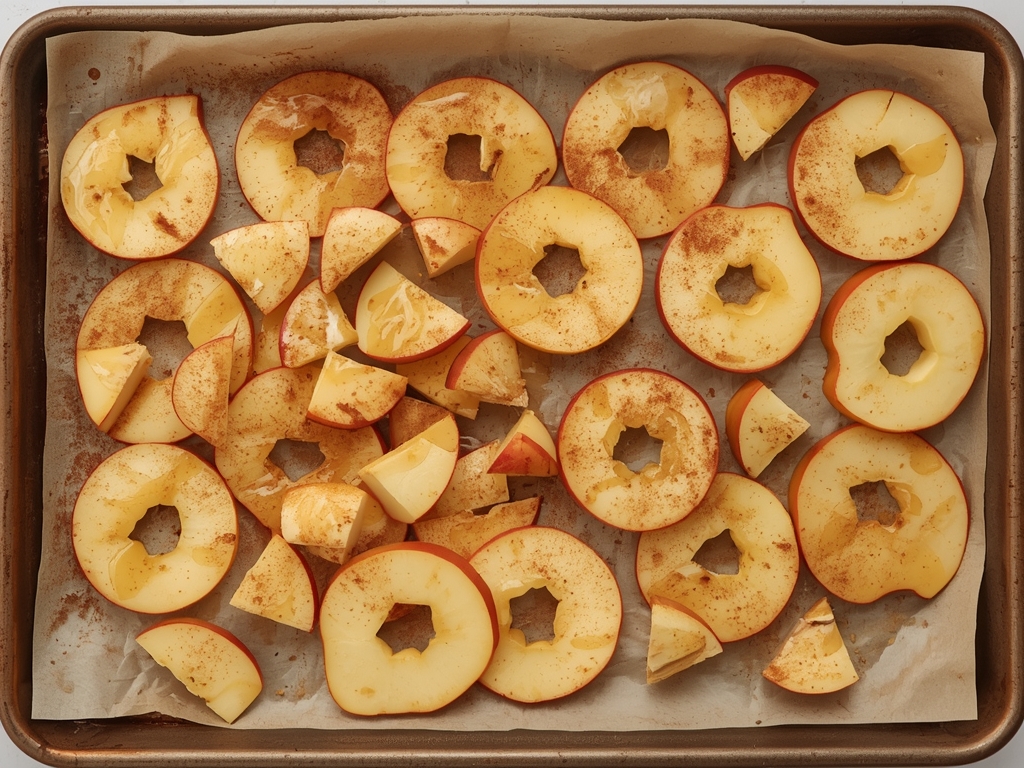
Fruit pies are the most forgiving pies to store, because sugar and acid are natural preservatives. A fruit pie made with sugar — apple, cherry, berry — with no eggs in the recipe, can be stored covered at room temperature for up to 2 days, and then refrigerated for 2 additional days. Or, put it straight in the refrigerator for up to 7 days. The sugar in the filling and the acid in the fruit are enough to retard bacterial growth for two days at room temperature, which is why a fruit pie can sit on the counter after dinner in a way a pumpkin pie cannot.
For longer storage, fruit pies freeze well. Place the pie uncovered in the freezer until frozen solid, then wrap it in plastic wrap and foil and place it back in the freezer for up to 4 months. Thaw it at room temperature for one hour, and if desired, reheat it at 375°F for about 30 minutes until warm. The University of Maine Cooperative Extension pie storage chart gives fruit pies the longest counter life and the longest freezer life of any pie, and it is the chart this guide is built on. For the full freezing guide for the two most common fruit pies, see our guides to freezing apple pie and freezing pecan pie — pecan is covered in the next section, because despite its fruit-pie neighbour on the table, it follows the egg rules, not the fruit rules.
Pumpkin, Pecan and Egg Pies: Fridge, 4 Days, No Exceptions

Pumpkin, pecan and other pies made with eggs belong in the refrigerator, and they stay there for up to 4 days. There is no counter time for these pies — not two hours, not overnight, not “just until the table is cleared.” A pumpkin pie looks like a baked vegetable dessert, but its filling is a custard: pumpkin purée mixed with eggs, evaporated milk, sugar and spices, and eggs are central to the texture. Pecan pie follows the same pattern, with eggs, butter and sugar as its base. That egg-and-milk base is why these pies must be kept at 41°F or colder, and why they should not stay out for more than 2 hours.
The FoodSafety.gov cold food storage chart gives pumpkin or pecan pie 3 to 4 days in the refrigerator after baking, and 1 to 2 months in the freezer — and the University of Maine chart agrees, with 4 days in the fridge and the best quality within 2 months in the freezer. A homemade pumpkin pie should cool at room temperature for only 30 minutes after it leaves the oven, then go into the refrigerator to finish cooling — and it should be covered only once it is cold, so condensation does not form under the wrap and make the crust soggy. For the full guides, see our pages on freezing pumpkin pie and freezing pecan pie, and our guide to what to do with leftover pumpkin pie for the slices that never make it back into the oven.
Custard, Cream and Fresh Fruit Pies: Fridge Promptly, 4 Days
Custard, cream, chiffon and fresh fruit pies are the most perishable pies on the table, and they need the most care. Refrigerate them promptly after preparing, keep them in the refrigerator until ready to serve, and store them in the refrigerator for up to 4 days. These pies do not freeze well — the custard separates, the cream weeps, and the chiffon collapses — so enjoy them while they are fresh, and do not try to save them for next month. The FoodSafety.gov chart agrees: custard and chiffon pies keep 3 to 4 days in the fridge, and they do not freeze.
The reason is the filling. A custard pie is eggs and milk, barely set. A cream pie is whipped cream and a filling that is mostly dairy. A chiffon pie is egg whites and gelatin, which is the most delicate structure in baking. None of them has the sugar and acid that protect a fruit pie, and none of them has the baked-through density of a pumpkin pie. They are, in food-safety terms, the same as a bowl of cream left on the counter — and they should be treated that way. Serve only the pie you are eating, and leave the rest chilled. Bring out one pie at a time, slice what you need, and put the rest back in the fridge before the meal moves on.
How to Wrap a Pie So the Crust Stays Crisp

Wrapping a pie is a balance: too tight and the crust goes soggy, too loose and the filling dries out. The rule is to let the pie cool completely before covering it. A warm pie covered in plastic wrap sweats, and the condensation drips back onto the crust, which is how a crisp crust turns to cardboard overnight. Cool the pie on a rack until it is room temperature — or, for an egg pie, until it has had its 30 minutes on the counter and is in the fridge to finish cooling — then cover it loosely with plastic wrap, foil, a pie cover, or an upside-down bowl. Loosely is the key word: the cover should keep the air out without pressing on the filling or sealing in steam.
For a pie that is already sliced, cover the cut edges. A slice with its cut face exposed dries out from the cut side, and the filling shrinks away from the crust. Press a piece of plastic wrap directly against the cut surface, or place the slices cut-side down in a container. For a whole pie, a pie cover or an inverted bowl is better than plastic wrap, because it does not touch the filling at all. And label the pie with the date it was baked — the storage clock counts from baking, not from the first slice, so a pie baked on Tuesday for a Thursday dinner has already used two of its days by the time dessert is served.
How to Freeze Pie (and How to Thaw It)
Some pies freeze well, and some do not, and the difference is the filling. Fruit pies freeze best: up to 4 months for the best quality, wrapped tightly after freezing solid uncovered. Pumpkin and pecan pies freeze well for up to 2 months, wrapped tightly in plastic wrap and foil or placed in an airtight freezer bag — they lose a little integrity in the freezer, the filling may separate slightly and the crust may get soggy, but they are still good. Custard, cream, chiffon and fresh fruit pies do not freeze well, and should not be frozen. Pies made with sugar substitutes can be frozen for up to 2 months, wrapped in plastic and foil or in an airtight bag.
Thawing matters as much as freezing. Thaw pumpkin and pecan pies in the refrigerator, not on the counter — slow thawing keeps the filling from separating and the crust from going soggy. Thaw fruit pies at room temperature for one hour, then reheat at 375°F for about 30 minutes if you want them warm. Never thaw a pie in the microwave, and never refreeze a pie that has been thawed. The freezer is a pause button, not a reset: a pie that was three days old when it went into the freezer is still three days old when it comes out, and it should be eaten within a day of thawing.
Store-Bought vs Homemade: Why the Label Matters

Store-bought pies do not follow the same rules as homemade pies, and the label is the authority. Some perishable commercial pies include preservatives, so check the label for their specific storage instructions. Commercial pumpkin pies are often cooked at a higher temperature, contain preservatives, and have carefully controlled acidity, which is why they can sit on a store shelf at room temperature. The rule is simple: if the pie was refrigerated at the store, keep it refrigerated at home. If it was sold on a room-temperature shelf, follow the label and the sell-by date. Once cut, refrigerate the leftovers.
A bakery pie or a pie from a friend’s kitchen should be treated like homemade: refrigerate it after two hours, and use the homemade rules for how long it keeps. When in doubt, refrigerate it — it is never wrong to store a store-bought pie in the refrigerator, and the fridge is always the safe choice. The same goes for a pie that has been sitting out at a party: if it has been out for more than two hours, or more than one hour if the room is above 90°F, it should be thrown away, not saved. The USDA rule is two hours at room temperature, one hour above 90°F, and it applies to pie as much as to anything else on the table.
What to Do When the Fridge Is Full
The practical problem with pie storage is space. A refrigerator already holding a turkey, side dishes and a bowl of cranberry sauce rarely has a free shelf for three pies, and the pies are the things that get left on the counter because there is nowhere else to put them. The answer is planning, and it starts before the pies are baked. Bake the pies a day ahead, since pumpkin and pecan pies keep up to 4 days under refrigeration, and the pies will already be in the fridge, taking up their shelf, before the turkey arrives. Clear a shelf before the meal, not after it — move the condiments to the door, stack the containers, and leave one shelf empty for the pies.
If the fridge is genuinely full, prioritise. The egg pies and the custard pies go in the fridge first, because they are the most perishable. The fruit pie can wait on the counter for two days, covered, and it will be fine. The cream pie should never wait — if there is no room for it, serve it first, and eat it all, rather than leaving it out. And if you are bringing a pie to someone else’s house, bring it in a container that fits in their fridge, and ask where it should go before the meal starts, not after it ends. A pie that is planned for is a pie that is stored properly, and a pie that is stored properly is a pie that gets eaten.
The Bottom Line
How to store leftover pie depends on the pie. Fruit pies made with sugar and no eggs: covered at room temperature for up to 2 days, then 2 more days in the fridge, or straight into the fridge for up to 7 days, and they freeze for up to 4 months. Pumpkin, pecan and other egg pies: in the refrigerator for up to 4 days, frozen for up to 2 months, thawed in the fridge. Custard, cream, chiffon and fresh fruit pies: refrigerated promptly, kept for up to 4 days, and never frozen. Pies made with sugar substitutes: refrigerated, eaten within 2 days, frozen for up to 2 months. Cool the pie completely before covering it, cover it loosely, label it with the baking date, and refrigerate it within two hours. For the storage rules that apply to everything else in the fridge, see our guide to how long leftovers last in the fridge. A pie stored by its own rules is a pie that tastes like it was just baked, every time you slice it.

Ghani is the founder of TwiceTasty and a passionate home cook who believes no meal should go to waste. What started as a personal mission to transform leftovers into exciting new dishes has grown into a community of food lovers who share the same philosophy.