Follow Me On Social Media!

How to Revive the Broth and Noodles Separately
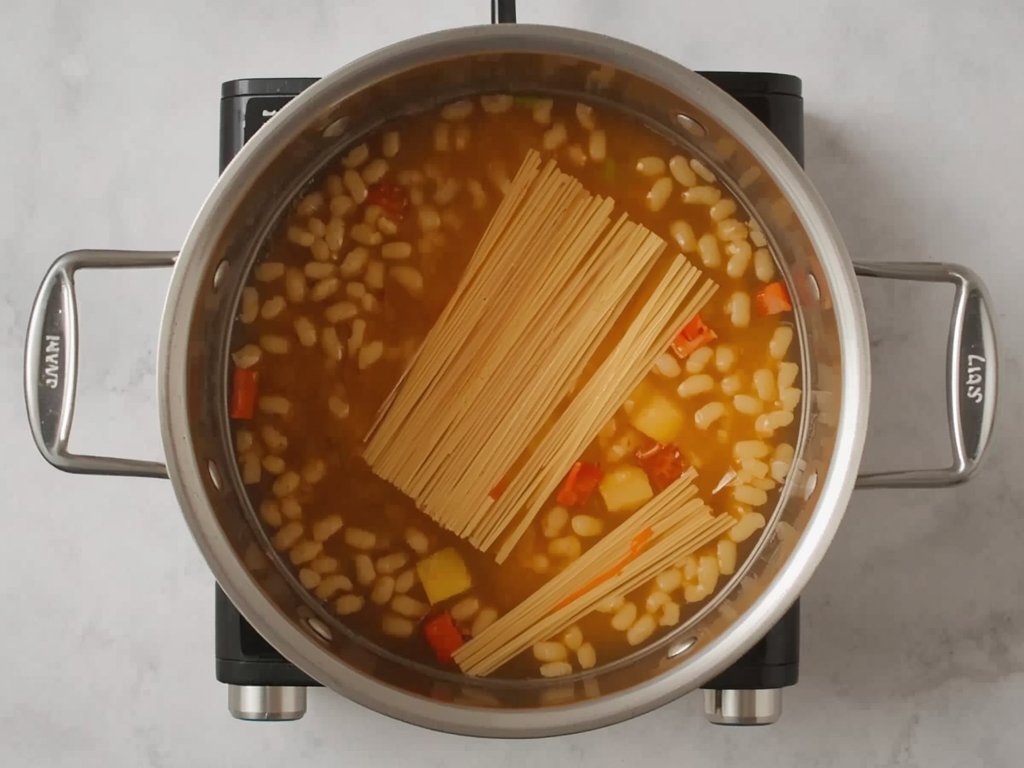
We’ve all faced the Tupperware Tetris of the morning after. You open the container, and instead of a beautiful, distinct bowl of soup, you’re staring at a solid, gelatinous mass. The noodles have absorbed almost all the liquid, bloating into a thick, starchy knot, and the broth has been reduced to a glaze that coats everything like heavy syrup. It’s a tragedy of physics. The noodles and the broth, which were perfect partners last night, have spent the night fighting a war of absorption, and the noodles won.
Most people just dump this brick into a pot and add water, hoping for the best. But what you end up with is a diluted, cloudy soup that tastes like a shadow of its former self. The broth is thin, the noodles are mushy, and the joy is gone. The secret to restaurant-quality leftovers isn’t just reheating; it’s separation. You have to play referee and split these two elements up. If you treat the broth and the noodles as the separate entities they are, you can restore the integrity of both. It takes two extra bowls, but the difference in texture is night and day.
Why the Noodles Steal the Show (and the Flavor)
To understand why we need to separate them, look at the noodles again. Ramen noodles—especially fresh ones—are thirsty sponges made of wheat and water. Even when they are cooked, they haven’t stopped trying to absorb liquid. In the fridge, the process of osmosis works relentlessly. The salty, flavorful broth is drawn into the less salty center of the noodle.
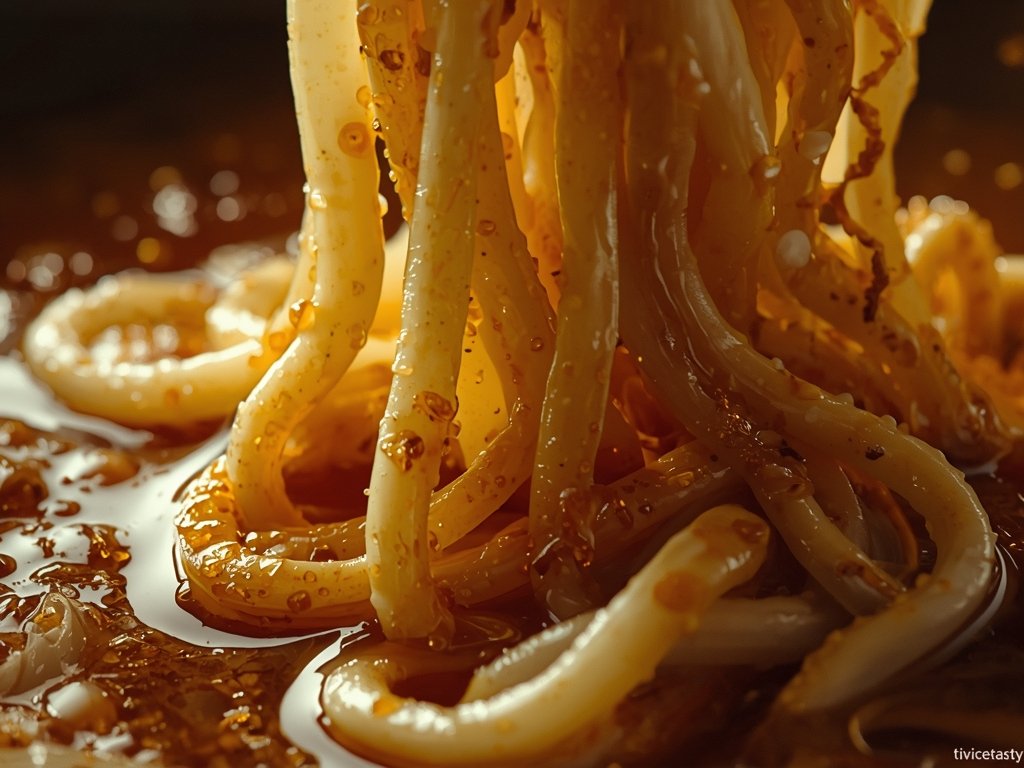
This does two things. First, it ruins the noodle texture. The cells over-inflate with water, bursting the structure and turning that springy “chew” into a soft, pasty mush. Second, it ruins the soup. You lose liquid volume, so the soup becomes thick and starchy. The flavor concentration in the broth drops because the salt and sugar molecules migrate into the noodles. You’re left with bland, bloated noodles swimming in a weak, gravy-like liquid. They are parasitic. By keeping them together in the fridge, you let the noodles cannibalize the soup. We need to break that cycle before we even turn on the stove.
Resurrecting the Broth: The Clarifying Rinse
Start by turning that block of soup out into a sieve or a colander set over a saucepan. You want to physically separate the liquid from the solids. Shake the colander a bit to let as much of the thickened broth drip into the pot as possible. Put the noodles and toppings aside on a plate for a moment.
Now, look at that broth in the pot. It’s probably thick and has broken bits of this and that floating in it. Put the pot over medium heat. As the broth warms up, that layer of fat on top—tallow or pork fat—will begin to melt. This is liquid gold; don’t skim it off unless it’s excessive. That fat carries the bulk of the ramen’s flavor.
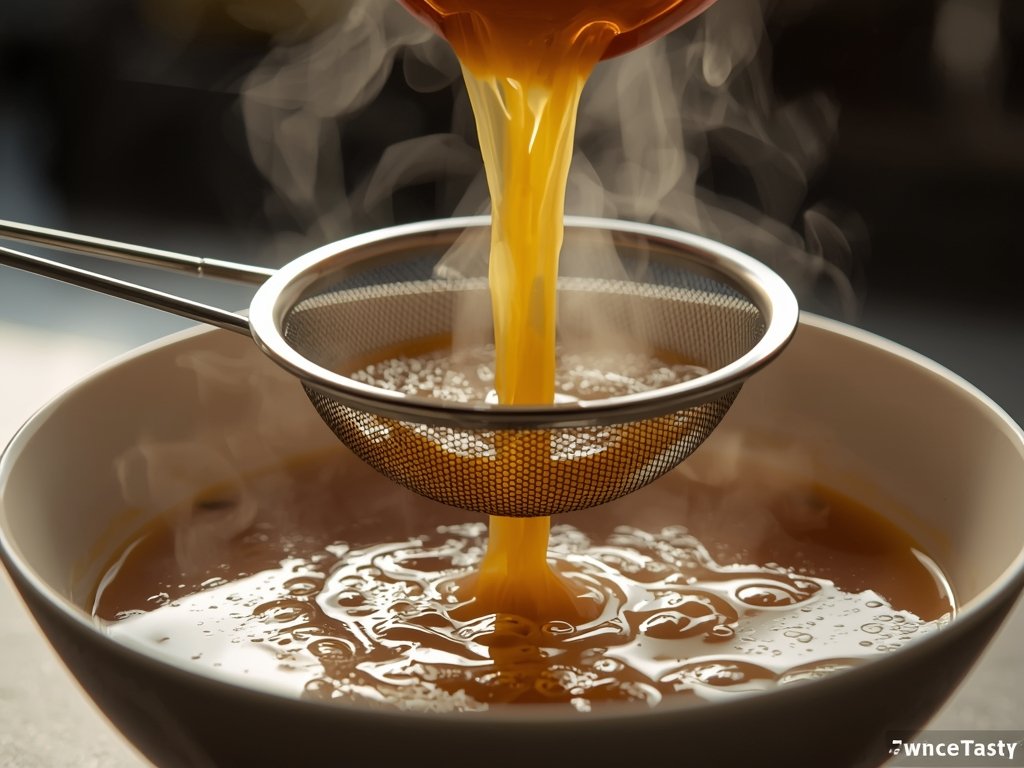
Here is the pro move: once the broth is hot and liquid again, pour it through a fine-mesh sieve into a clean bowl. This might seem fussy, but it’s the difference between “leftover soup” and “fine dining.” This sieve catches the broken-down bits of scallion, the coagulated proteins, and the loose starch that made the soup look cloudy and dirty. What goes back into the pot is a clear, vibrant, golden elixir. It looks fresh. While it’s back on the heat, taste it. Because the water evaporated overnight, the seasoning might be too intense now. Add a splash of water or fresh dashi to loosen it up until it sings again.
The 30-Second Noodle Shock
Now for the noodles. Do not, I repeat, do not boil them in the broth. They are already fully cooked, and boiling them will turn them into wallpaper paste. They just need to be warmed up and have that surface layer of stickiness removed.
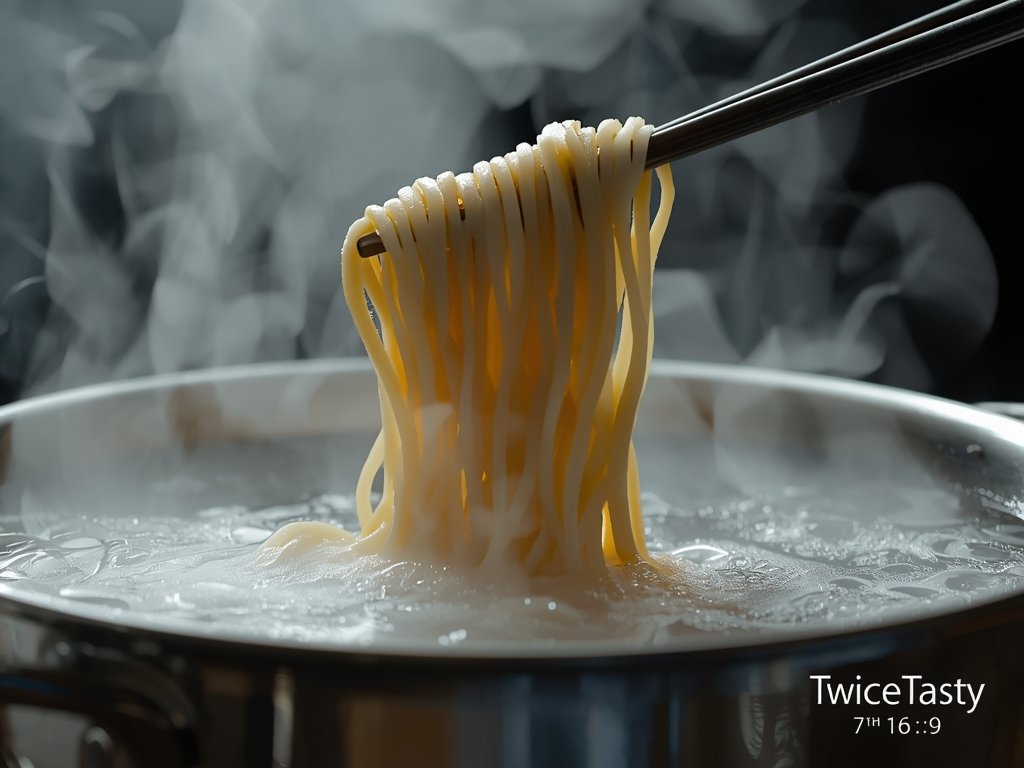
Bring a fresh pot of water to a rolling boil. Take your colander full of leftover noodles—yes, the same ones you strained earlier—and dip them into the boiling water. I’m talking a quick dip. Ten seconds. Maybe fifteen if they are very thick. Agitate them gently with chopsticks. This hot water shocks the surface of the noodles. It washes away the gummy, starchy slime that formed in the fridge and warms the noodle through to the center without giving the heat time to penetrate and overcook the structure.
Pull the colander out. Shake off the excess water vigorously. You don’t want that water diluting your perfectly clarified broth. The noodles should now be hot, slippery, and separated—no clumps. They have their bounce back, or at least a close approximation of it, because we didn’t give them time to absorb more water. We just gave them a hot shower.
The Reunion and the Oil Crown
Now we rebuild. Place the hot, shocked noodles into your serving bowl. Pour the hot, clear broth over them. Because the broth is thin and the noodles are slick, the broth will flow around the noodles rather than clinging to them in a heavy, starchy embrace. It’s a cleaner, lighter mouthfeel.
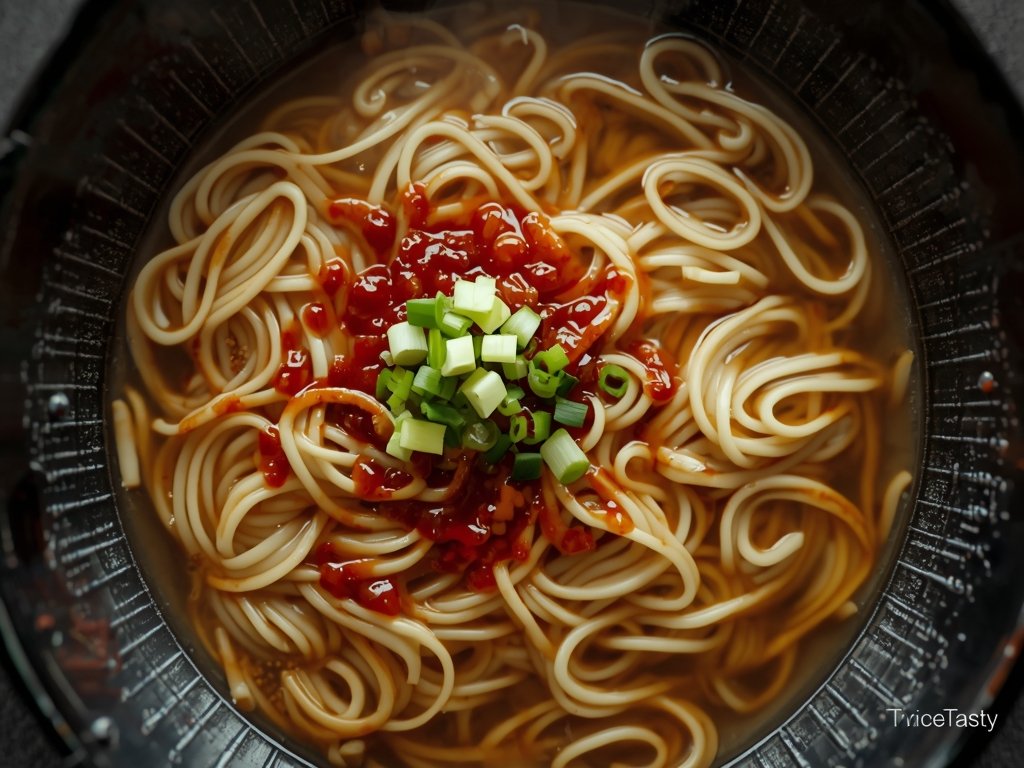
But we need one final touch to bridge the gap between “reheated” and “better than new.” The nose knows when food has been in the fridge. It smells a little flat. We need to wake up the aroma. This is where a flavored oil comes in. If you have chili oil (rayu), sesame oil, or even just some leftover rendered fat from the original soup, drizzle a teaspoon over the center of the bowl right at the end.
Don’t stir it in. Let it float on top. That oil is a vehicle for volatile aromatic compounds—garlic, chili, sesame—that hit your nose before the spoon even reaches your lips. It creates a “lid” of flavor that keeps the heat in the soup. Every spoonful picks up a little bit of that oil, refreshing the palate and masking any lingering “fridge” taste. You’ve separated the warring factions, cleaned them up, and introduced them back together on diplomatic terms. It’s a bowl of ramen that respects the ingredients as much the second time around as the first.
Frequently Asked Questions
What if I didn’t separate them before putting them in the fridge? Can I still save it?
Yes, absolutely. That’s what the straining step is for. Even if they are a solid block, dumping the whole thing into a colander over a pot will separate the liquid from the solid. You might lose a tiny bit of volume that the noodles absorbed, but adding a splash of water or stock usually fixes the ratio.
Does this work for udon or pho too? Yes, but with a slight variation. Udon noodles are thicker, so they might need a slightly longer dip—maybe 20-30 seconds—to get warm all the way through without getting soft. Pho rice noodles are very delicate; be extra gentle with them and dip them for just 5-10 seconds, or they will break apart.
Can I microwave the noodles if I don’t want to boil water? You can, but it’s risky. Put the noodles in a bowl of water, microwave for 30 seconds, and drain immediately. It’s essentially the same “shock” method but using the microwave to heat the water. Just don’t let them sit in the hot water for longer than a minute, or they’ll bloat up again.

The Twice Tasty Team is a collective of culinary researchers and kitchen gear experts dedicated to the art of food revival. We test every technique in our “Flavor Lab” to help you reduce food waste and transform yesterday’s meals into gourmet experiences. Professional quality, tested results.