Follow Me On Social Media!

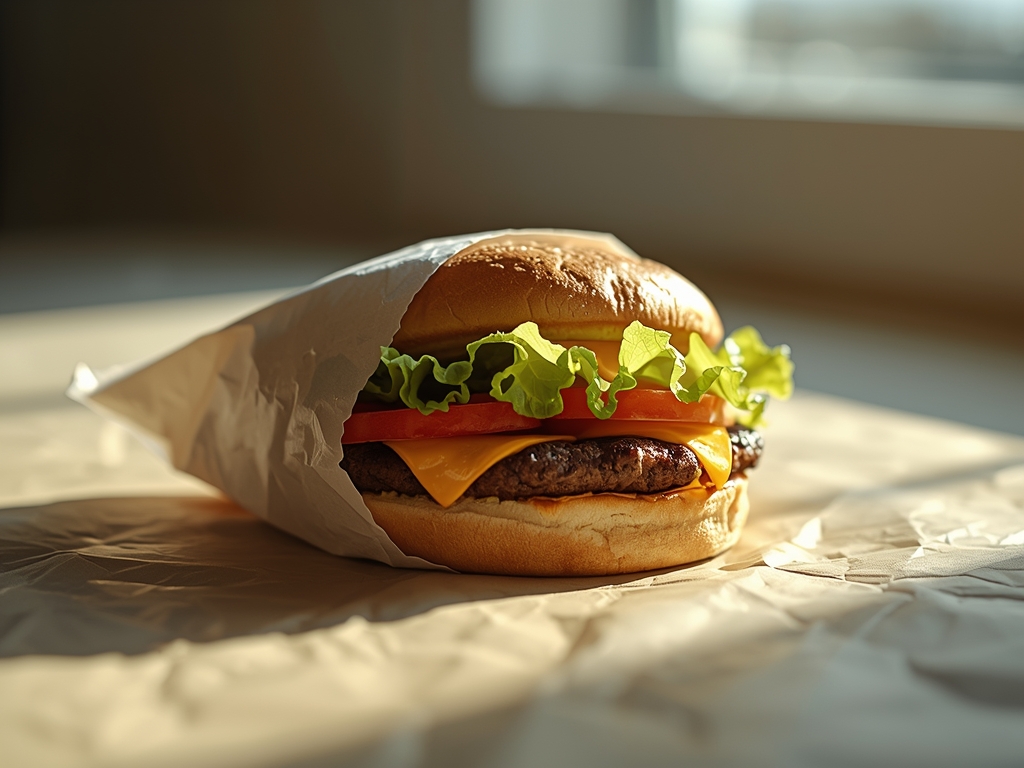
You know the scene.
The paper bag is folded just right, still holding a ghost of heat. The car smells like grilled onions and toasted bun. You’re already thinking about tomorrow—half a Double-Double tucked away for later, a little victory for your future self.
Then tomorrow comes.
You lift the lid. The bun feels damp. The lettuce looks tired, like it lost an argument overnight. You reheat the whole thing anyway—because hope springs eternal—and five minutes later you’re staring at a hot, floppy burger with wilted greens that taste like warm rainwater.
Everyone has done this once. Most of us learn the hard way.
Why Lettuce Loses the Fight the Second Time Around
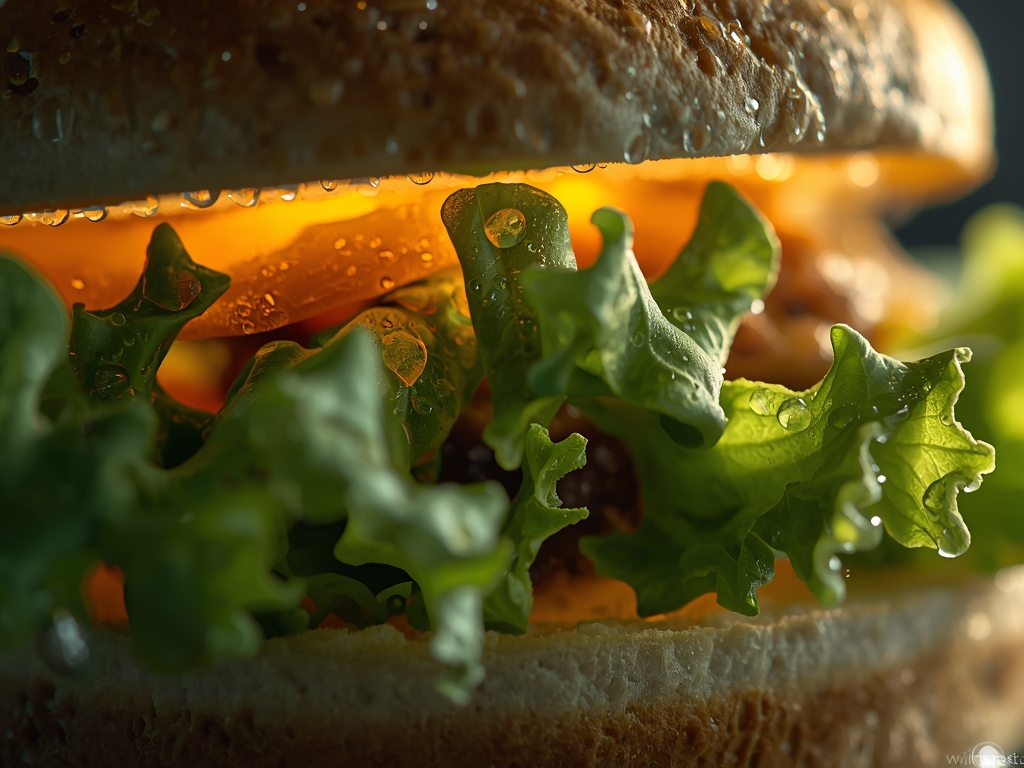
Lettuce is basically a water balloon with ambition.
Crisp because its cells are packed tight with moisture, delicate because the moment heat shows up, that water starts to move.
When an In-N-Out burger chills in the fridge, a quiet reshuffling begins. Steam trapped in the wrapped burger condenses as it cools. That moisture has to land somewhere, and the lettuce—thin, cold, and exposed—is the easiest target. By morning, the leaves have absorbed extra water, lost structure, and softened long before you ever touch a heat source.
Now add reheating.
Heat doesn’t just warm food. It mobilizes moisture. Water trapped in the patty turns to steam. The bun releases what it absorbed overnight. And lettuce, already compromised, collapses the second warm vapor brushes past it. That’s why even gentle microwaving turns crisp greens into something closer to boiled spinach.
The problem isn’t that reheating is wrong.
It’s that everything inside the burger reacts differently to heat—and lettuce reacts the worst.
The Quiet Power Move Most People Skip
Here’s the thing no one wants to admit: the best reheated burger doesn’t get reheated as a burger.
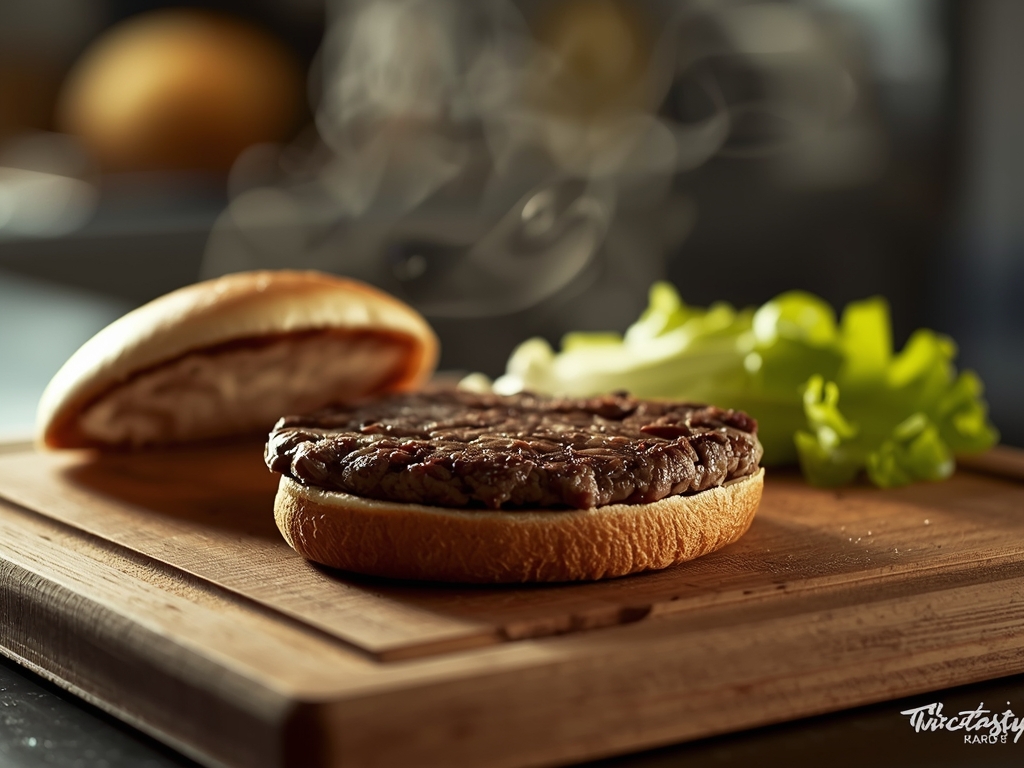
In-N-Out builds for immediacy. Hot patty, cold lettuce, warm bun, all colliding at once. The magic lives in contrast. When you try to reheat everything together, you erase the very thing that made it special.
So instead of forcing harmony, you separate the instruments.
The patty loves heat. Beef fat melts again, sizzling softly as it wakes up. The bun wants warmth but hates steam. It needs dry heat, just enough to bring back a little toast on the cut sides. Lettuce? Lettuce wants absolutely nothing to do with this process. It wants to stay cold, crisp, and forgotten until the last possible second.
When people complain that reheated In-N-Out is “never the same,” what they’re really saying is they tried to make lettuce behave like beef. That’s not fair to either of them.
Bringing the Burger Back Without Waking the Greens
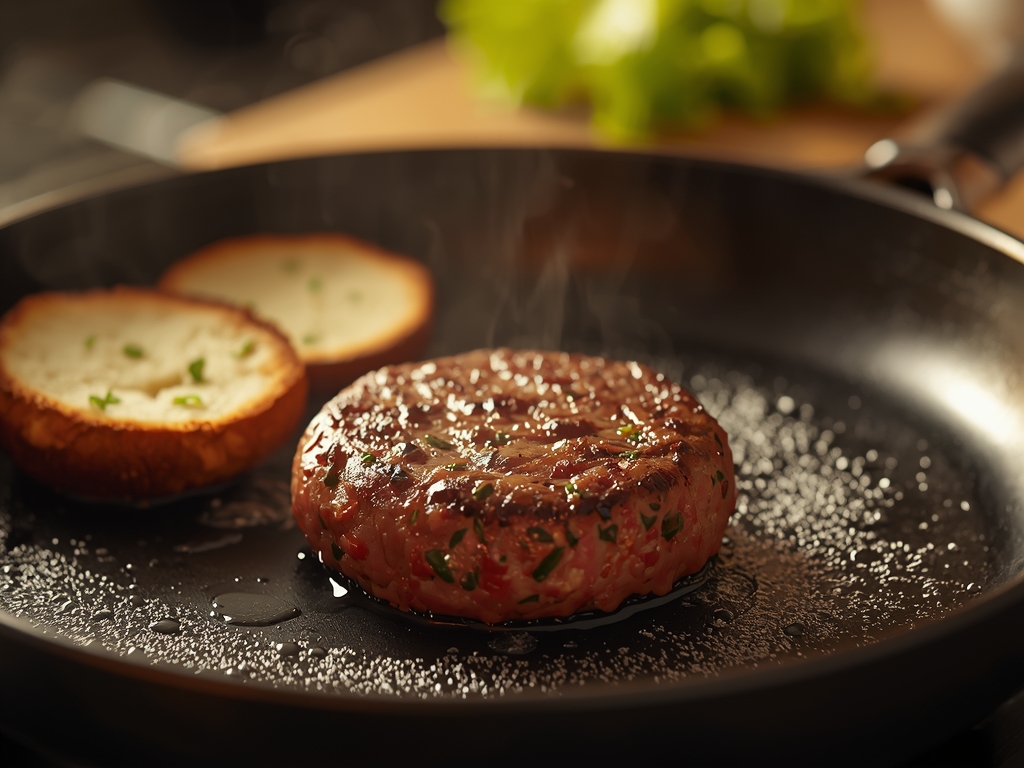
The patty is where yesterday’s magic still lives. Beef fat doesn’t disappear overnight—it just firms up. When reheated properly, it melts again, carrying flavor with it. You’ll hear it before you see it: that low, gentle sizzle as the surface warms and the edges darken just slightly.
Meanwhile, the bun needs a different kind of attention. Moisture is its enemy now. A quick kiss of dry heat drives off yesterday’s condensation and reactivates the starches in the bread. That’s why the cut side starts to feel springy again instead of spongy. You’re not drying it out; you’re restoring balance.
And the lettuce stays out of it. No heat. No steam. No compromises.
When everything comes back together at the end, something interesting happens. The hot patty meets cold lettuce, and the temperature contrast sharpens flavor. The bun feels warm but not damp. The lettuce crunches—not like it did yesterday, but enough to remind you why it belongs there in the first place.
It’s not reheating.
It’s rebuilding.
The Upgrade That Makes It Better Than Yesterday
Here’s where leftovers stop feeling like leftovers.
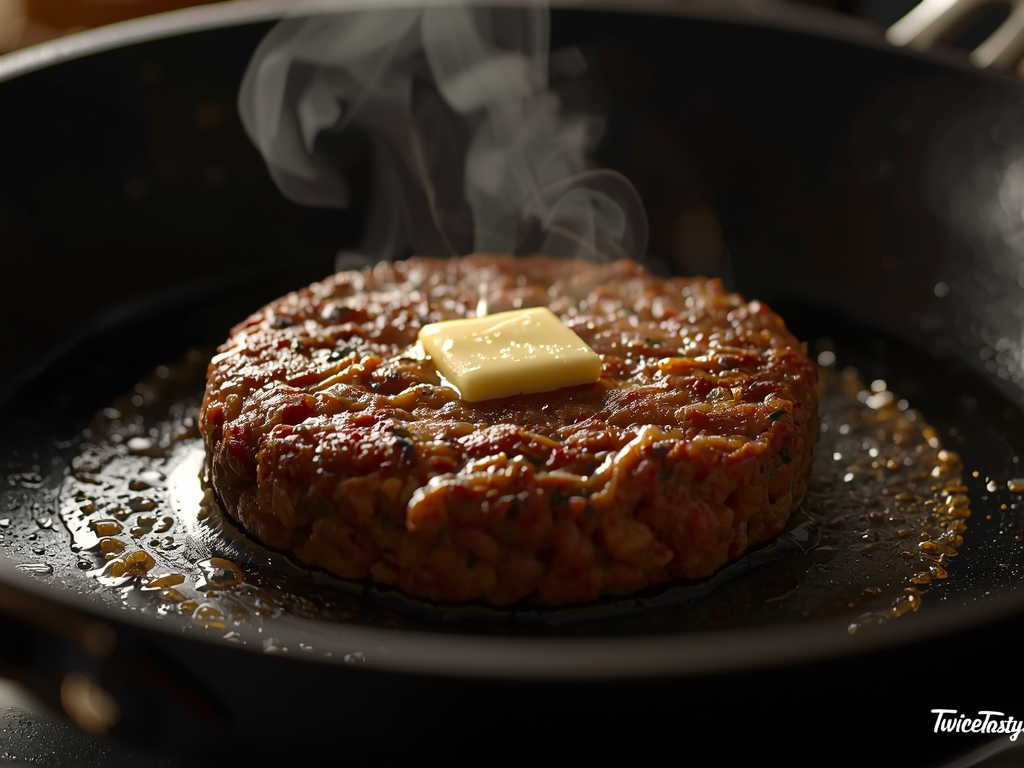
In-N-Out burgers are famously restrained. No wild sauces, no heavy seasoning. That simplicity means the second round has room for a subtle upgrade—nothing flashy, just one small adjustment that works with the burger instead of against it.
As the patty reheats, a tiny knob of butter hits the pan. Not enough to drown it. Just enough to mingle with the beef fat already there. The smell shifts instantly—richer, rounder, a little nostalgic. The edges crisp faster. The surface browns a shade deeper than it did the first time.
This isn’t cheating. It’s collaboration.
When the patty slides back into the bun, it carries that extra layer of richness with it. Suddenly the reheated burger doesn’t taste like something rescued from the fridge. It tastes intentional. Like you meant to wait.
And the lettuce? It stays cool and bright, cutting through the richness instead of melting into it. That contrast—the warm, buttery beef against fresh crunch—is something the original burger barely had time to become.
When You Bite In, You’ll Hear It
The real test isn’t temperature.
It’s sound.
A good reheated burger makes a quiet crunch when your teeth hit lettuce. The bun resists just enough before giving way. The patty feels juicy again, not tight or reheated-gray, but supple, like it remembers what it used to be.
That’s the moment you know you got it right.
Reheating In-N-Out without soggy lettuce isn’t about gadgets or tricks. It’s about respecting how each part behaves. Heat where heat belongs. Cold where cold still matters. Moisture kept on a short leash.
Once you see it that way, yesterday’s burger stops feeling like a compromise and starts feeling like a second chance—one that, with a little care, might actually taste better than the first bite ever did.
And next time you fold that paper bag closed, you’ll do it with confidence.

Marco covers the Reheat Pro category on TwiceTasty, focusing on reheating techniques and texture preservation. His articles help home cooks bring leftovers back to life with the right methods for every type of food — from crispy fried chicken to creamy pastas.

← Previous
Reheat Pulled Pork Like a Pro: Apple Juice Secret
Next →
How to Reheat Panda Express Orange Chicken Like a Pro