Follow Me On Social Media!

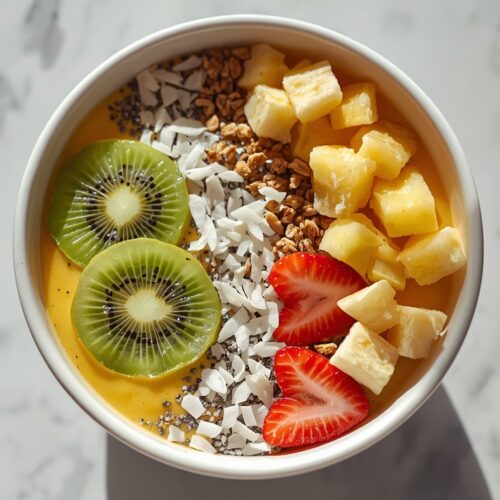
Creamy Fruit Smoothie Bowls with Crunchy Toppings
Transform boring fruit salads into vibrant smoothie bowls with a genius twist! This recipe blends frozen bananas and mango into a creamy base, topped with fresh chopped fruits, chia seeds, coconut flakes, and granola. Say goodbye to sogginess and hello to layered textures and flavors. Perfect for breakfast or brunch, it’s packed with nutrients and customizable to your taste. Ready in 20 minutes, it’s a refreshing, satisfying treat for any time of day.
Ingredients
- 1 frozen banana
- 1 cup frozen mango chunks
- 1/2 cup almond milk
- 1 tablespoon honey
- 1 kiwi
- 1/2 cup pineapple chunks
- 1/2 cup strawberries
- 1 teaspoon lime juice
- 1 tablespoon chia seeds
- 2 tablespoons coconut flakes
- 1/4 cup granola
- Fresh mint leaves for garnish
Instructions
- Add 1 frozen banana, 1 cup frozen mango chunks, 1/2 cup almond milk, and 1 tablespoon honey to a blender. Blend until smooth, adding milk 1 tablespoon at a time if needed. Scoop into two bowls.
- Chop 1 kiwi, 1/2 cup pineapple chunks, and 1/2 cup strawberries. Toss with 1 teaspoon lime juice. Scatter over the smoothie base.
- Sprinkle 1 tablespoon chia seeds, 2 tablespoons coconut flakes, and 1/4 cup granola over each bowl. Garnish with fresh mint leaves.
Fruit Salad & Smoothie Bowls: Blend Away Soggy Salad Woes
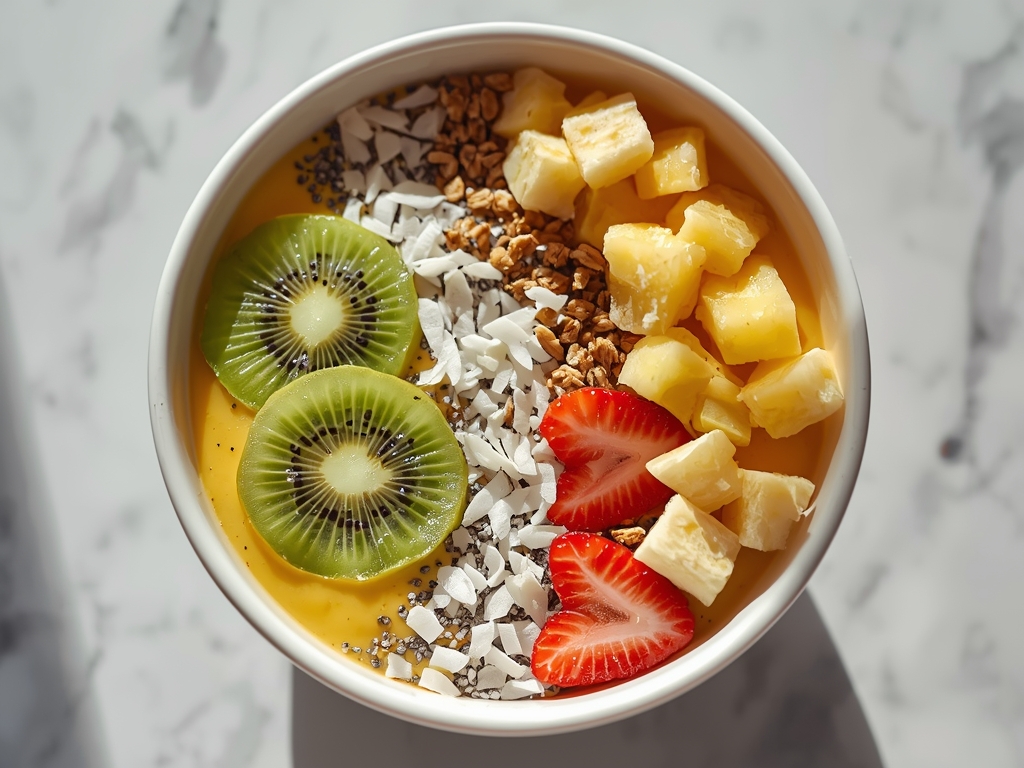
Say goodbye to soggy fruit salads! This innovative recipe transforms the classic fruit salad into a vibrant, layered smoothie bowl with a crisp topping. By blending some fruits into a creamy base and leaving others fresh and chopped, you get the best of both worlds: a refreshing, textured bite without the dreaded salad juices. Here’s how to make it in just 20 minutes.
Key Ingredients Guide: Why Each Component Matters
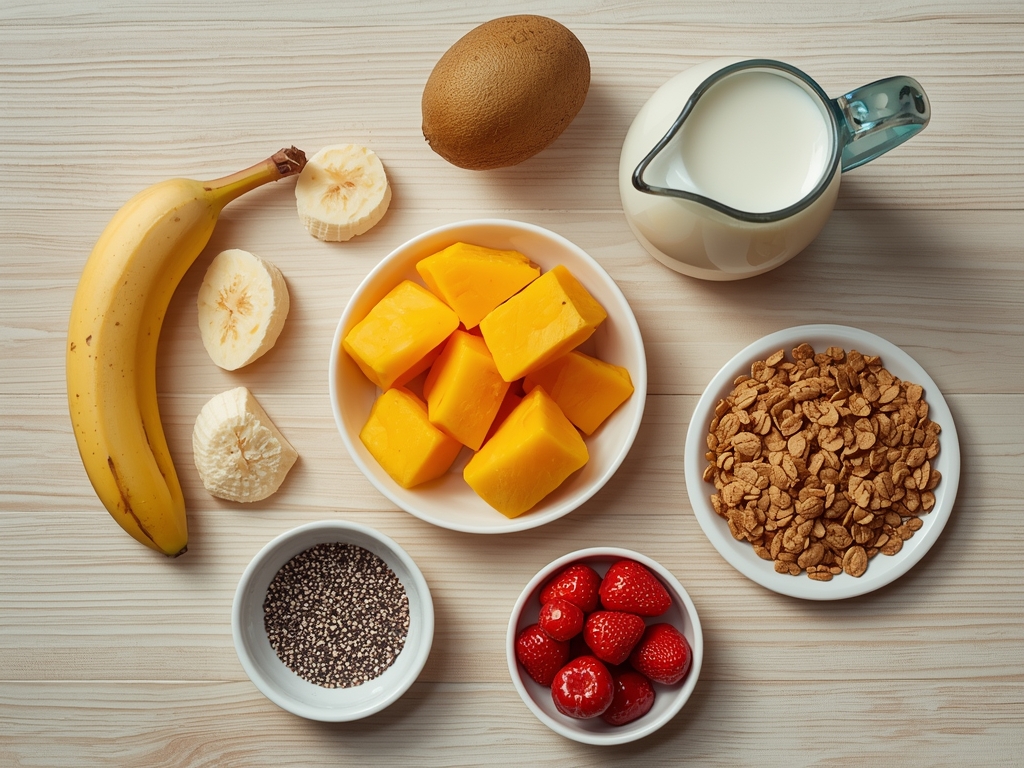
Every ingredient in this bowl serves a purpose, from texture to flavor balance. Here’s the lineup:
- Frozen Banana & Mango: Create a creamy, naturally sweet smoothie base without dairy.
- Fresh Berries (Strawberries, Blueberries): Add a juicy pop of freshness and antioxidants.
- Kiwi & Pineapple: Provide a tangy contrast and enzyme-rich digestion aid.
- Chia Seeds: Add crunch and omega-3 fatty acids for a nutritional boost.
- Coconut Flakes & Granola: Deliver a satisfying crunch without sogginess.
- Lime Juice: Brightens flavors and prevents browning in cut fruits.
Step-by-Step Preparation: Building the Perfect Bowl
Prepare the Smoothie Base
Start by blending the frozen fruits for a thick, spoonable consistency.
- Add 1 frozen banana, 1 cup frozen mango chunks, ½ cup almond milk, and 1 tablespoon honey to a blender. Blend until smooth, adding milk 1 tablespoon at a time if needed.
- Scoop the smoothie into two bowls, creating a flat surface for toppings.
Assemble the Fresh Toppings
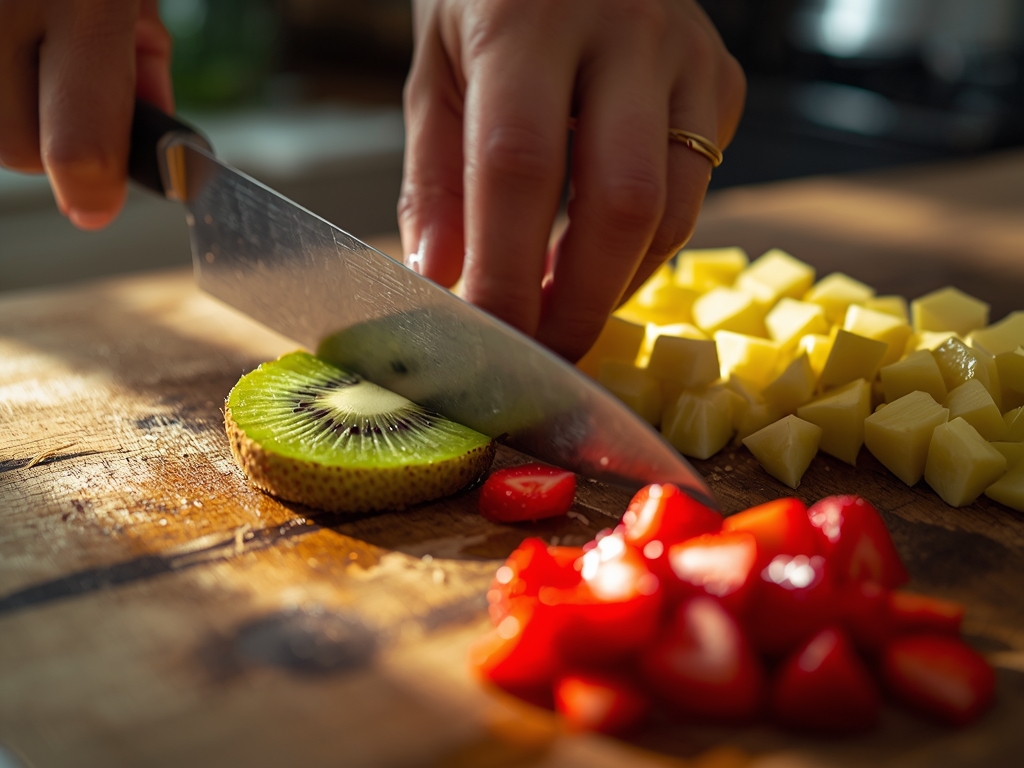
Chop and layer fresh fruits for maximum crunch and flavor.
- Chop 1 kiwi, ½ cup pineapple chunks, and ½ cup strawberries into bite-sized pieces.
- Toss the fruits with 1 teaspoon lime juice to prevent browning.
- Scatter the chopped fruits over the smoothie base, leaving some space between toppings for visual appeal.
Add Crunch and Finish
Sprinkle on crunchy elements just before serving to maintain texture.
- Sprinkle 1 tablespoon chia seeds, 2 tablespoons coconut flakes, and ¼ cup granola over each bowl.
- Garnish with fresh mint leaves for a pop of color and freshness.
Variations: Customize Your Bowl
Make it your own with these easy swaps:
- Tropical Twist: Replace berries with diced papaya and a sprinkle of toasted macadamia nuts.
- Green Machine: Blend spinach into the base and top with sliced green apples and pistachios.
- Berry Blast: Use mixed berries in the smoothie and top with blackberries and hemp seeds.
Serving Suggestions: When and How to Enjoy
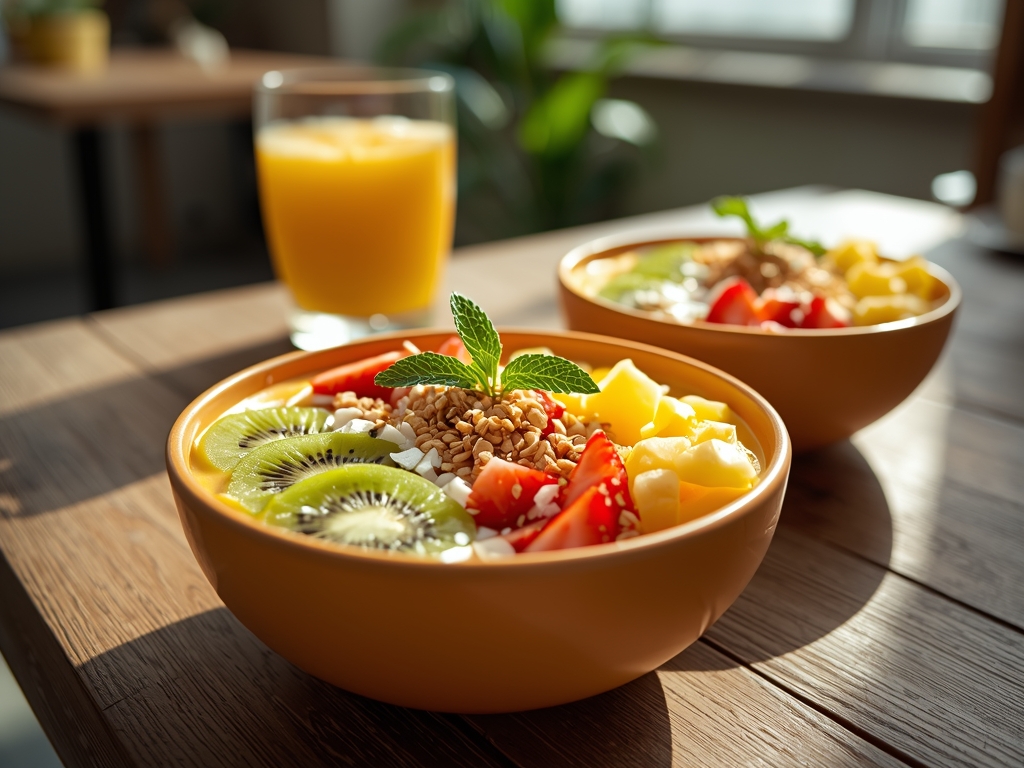
These bowls are perfect for breakfast, brunch, or post-workout fuel. Pair with:
- A cup of herbal tea or cold-pressed juice.
- A side of Greek yogurt for extra protein.
- A drizzle of nut butter for added richness.
Storage & Reheating: Keep It Fresh
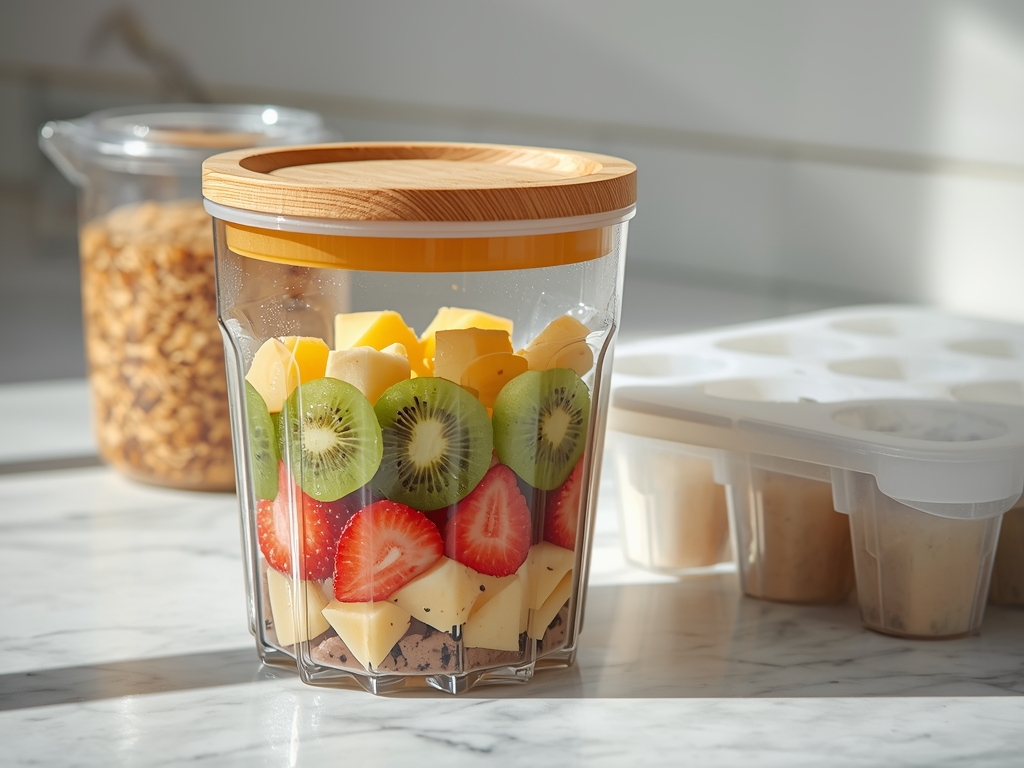
While best enjoyed immediately, you can prep components ahead:
- Store chopped fruits in an airtight container with lime juice for up to 24 hours.
- Keep the smoothie base frozen in ice cube trays for quick blending later.
- Assemble bowls just before serving to maintain crunch.
Pro Tips for the Perfect Bowl
Avoid common pitfalls with these tested tricks:
- Freeze bananas in chunks for easier blending and creamier texture.
- Pat fresh fruits dry with a paper towel before chopping to prevent excess moisture.
- Toast coconut flakes and granola briefly for deeper flavor.
- Use a wide, shallow bowl for better topping visibility and easier eating.
FAQ: Your Questions Answered
Can I make this recipe vegan?
Yes! Simply omit the honey or replace it with maple syrup, and ensure your granola is free from honey or other animal products.
How do I prevent the granola from getting soggy?
Add crunchy toppings just before serving and store any leftovers separately in an airtight container.
Can I use fresh mango instead of frozen?
Yes, but the smoothie base may be thinner. Add ½ cup ice cubes while blending for a thicker consistency.
What’s the best way to ripen fruits quickly?
Place bananas, kiwis, or mangoes in a paper bag with an apple or pear overnight to speed up ripening.

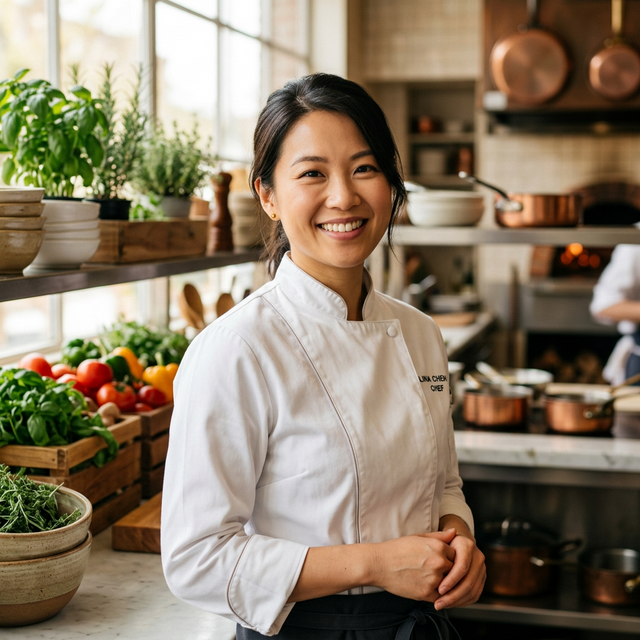
Lina leads the Fresh Hacks category, covering food storage tips, freshness preservation, and smart ways to extend the life of your groceries. Her guides help readers keep ingredients at peak quality for longer.
Rate This Recipe
Tried this recipe? Share your experience and help others!