Follow Me On Social Media!

The Tandoor Dream: Why Naan’s Char is So Elusive
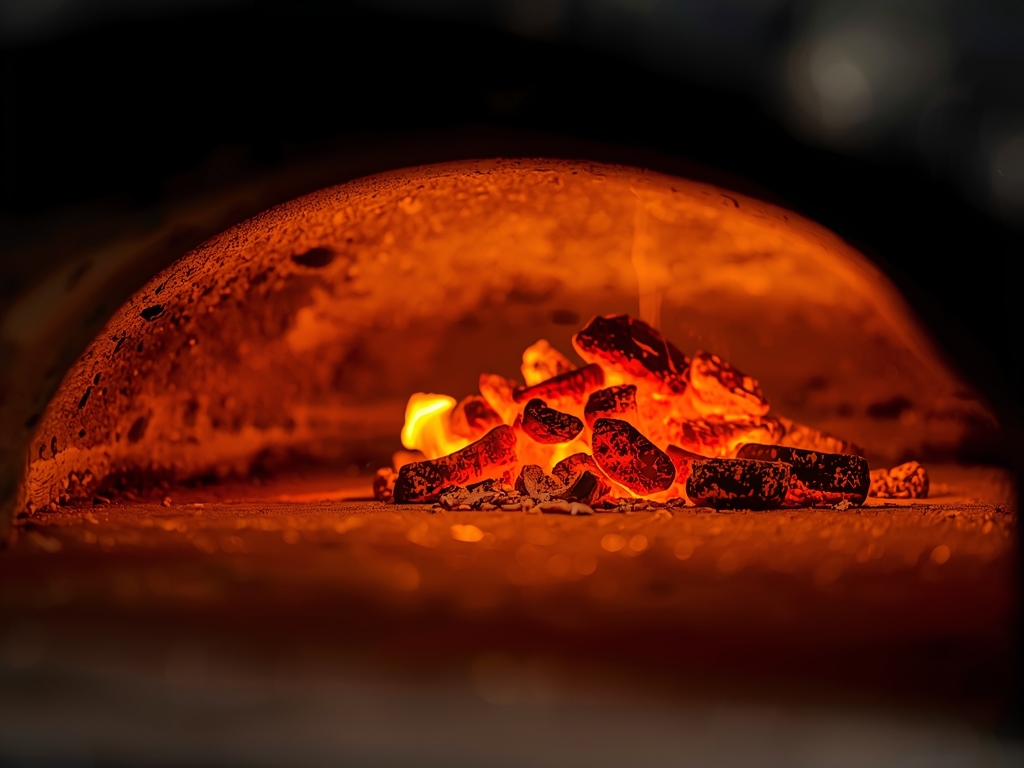
If you’ve ever savored naan at your local Indian spot, you know that signature char – those leopard-spotted blisters that add a smoky depth to the soft, chewy bread. It’s the mark of a tandoor oven, a centuries-old clay masterpiece that reaches temperatures hot enough to kiss the dough with flavor.
But let’s be real – most of us don’t have a backyard tandoor. So how do we recreate that magic at home? It’s not just about taste; it’s about bringing a piece of India’s culinary soul to your table.
The Science of Char: It’s All About Heat and Surface
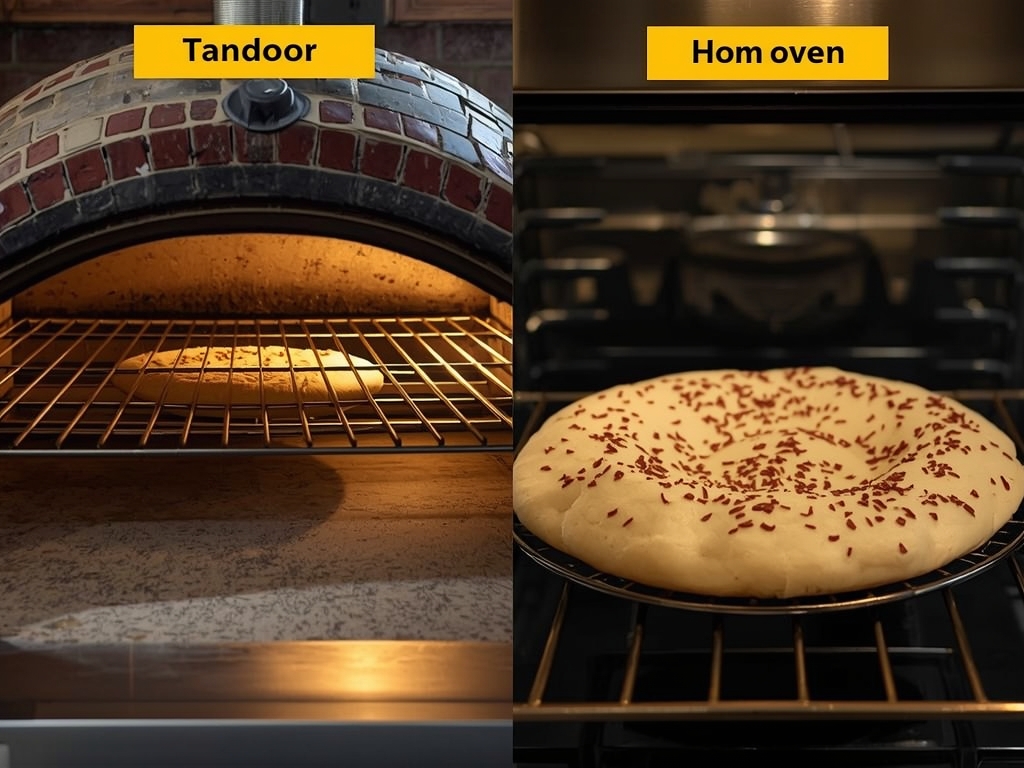
Here’s the deal: tandoors are essentially upside-down clay bells, fueled by wood or charcoal fires that roar up to 900°F. That intense, direct heat cooks naan in mere minutes, creating those coveted bubbles and char marks.
Home ovens? They’re more like gentle giants, maxing out at 500°F (if you’re lucky). And let’s not even talk about those smooth, reflective surfaces that scream “even baking” – the enemy of char.
The Key Players in Your Char Quest
- Heat Source: We need raw, unfiltered power.
- Surface: Think rough, textured, and able to withstand extreme temperatures.
- Dough: A simple, hydrated base that can puff and blister dramatically.
Tooling Up: Your Naan Char Arsenal
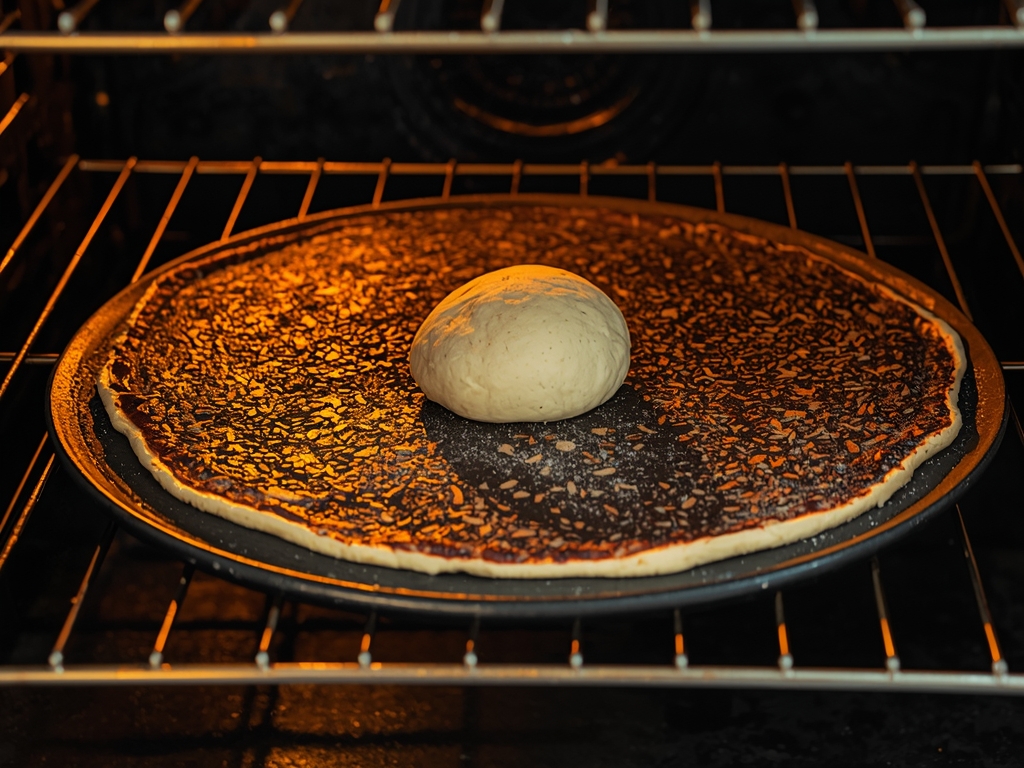
Before we dive into techniques, let’s talk gear. You don’t need a tandoor, but you do need tools that can mimic its ferocity.
The Non-Negotiables
- Pizza Stone or Cast Iron Skillet: Your workhorse for retaining and radiating heat.
- Broiler: The closest thing to a tandoor’s open flame in most American kitchens.
- Peel or Long-Handled Spatula: For safely navigating the heat zone.
Nice-to-Haves
- Outdoor Grill: Gas or charcoal, cranked to high, can get you closer to tandoor temps.
- Clay Oven Insert: If you’re serious about this, these ceramic wonders are the next best thing.
Dough Matters: The Foundation of Great Naan
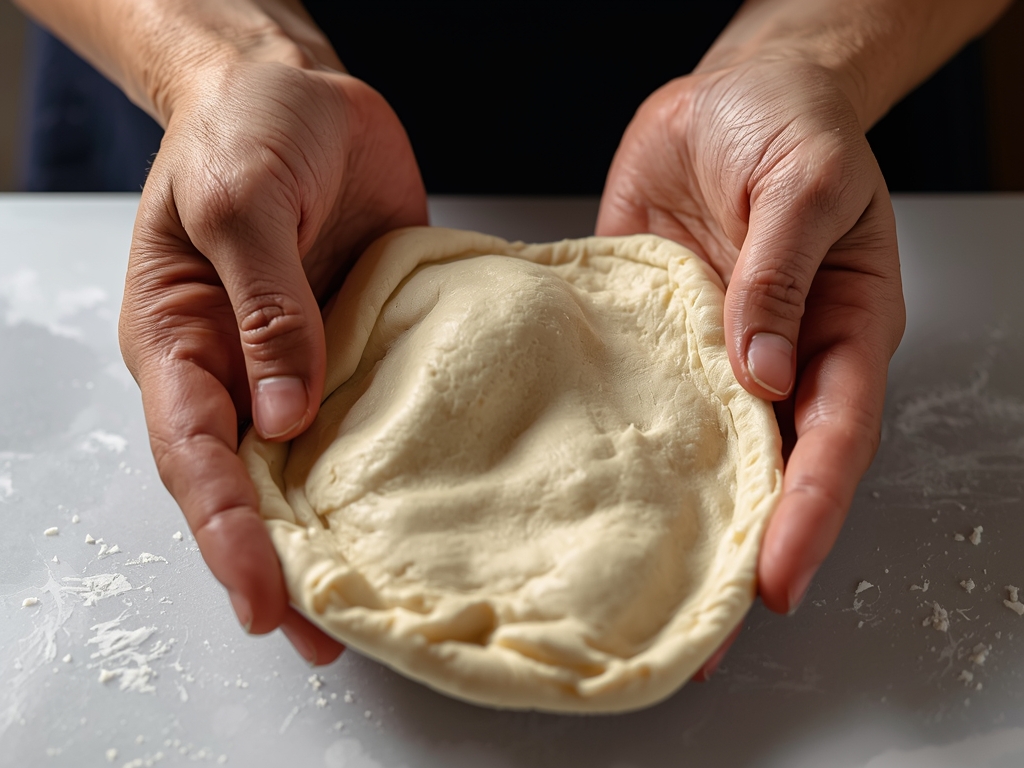
Naan dough is deceptively simple – just flour, water, yeast, and a touch of yogurt or buttermilk for tang. But it’s the hydration (around 70%) that makes it special, allowing for those dramatic bubbles and that signature chew.
The Secret to Stretchability
The key to getting that beautiful, blistered char is in the stretching. You want to handle the dough gently, letting gravity do most of the work. Aim for a thin center and a thicker rim – this creates those dramatic bubbles and ensures even cooking.
Pro Tip: The Wet Hands Technique
Keep a bowl of water nearby. Wet your hands before handling the dough to prevent sticking and tearing. It’s a small trick that makes a world of difference in achieving that perfect naan shape.
Techniques for Maximum Char: From Broiler to Grill
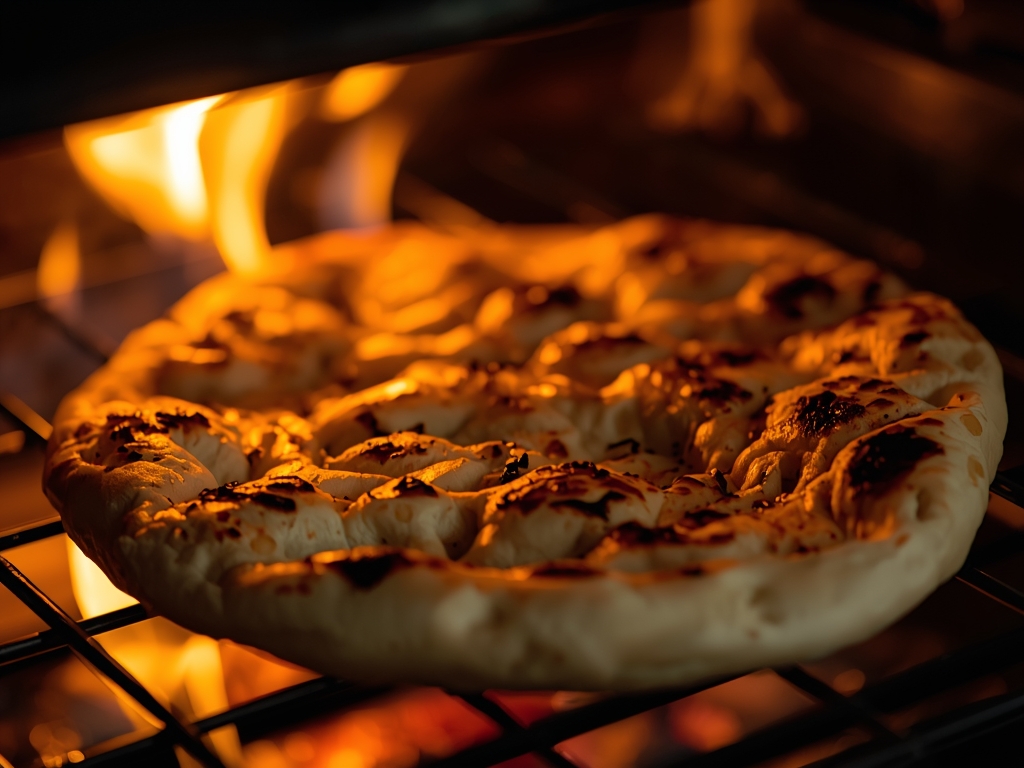
Now we’re getting to the good stuff – how to actually get that char. We’ll cover three methods, each with its own pros and cons.
The Broiler Blitz
- Preheat your broiler to high with the rack in the top position.
- Place your pizza stone or skillet under the broiler for at least 30 minutes to heat up.
- Stretch your naan and place it on the hot surface using a peel or spatula.
- Broil for 1-2 minutes, watching closely for those beautiful char marks.
The Grill Master’s Approach
- Preheat your grill to its highest setting, aiming for 600°F+.
- Clean the grates thoroughly and oil them to prevent sticking.
- Stretch your naan and place it directly on the grates.
- Cook for 1-2 minutes per side, using tongs to flip carefully.
The Stovetop Hack
- Heat a cast iron skillet over high heat until smoking.
- Stretch your naan and place it in the dry skillet.
- Cook for 1-2 minutes, then flip and cook the other side.
- For extra char, hold the naan with tongs directly over the flame for a few seconds.
Finishing Touches: Ghee, Garlic, and Beyond
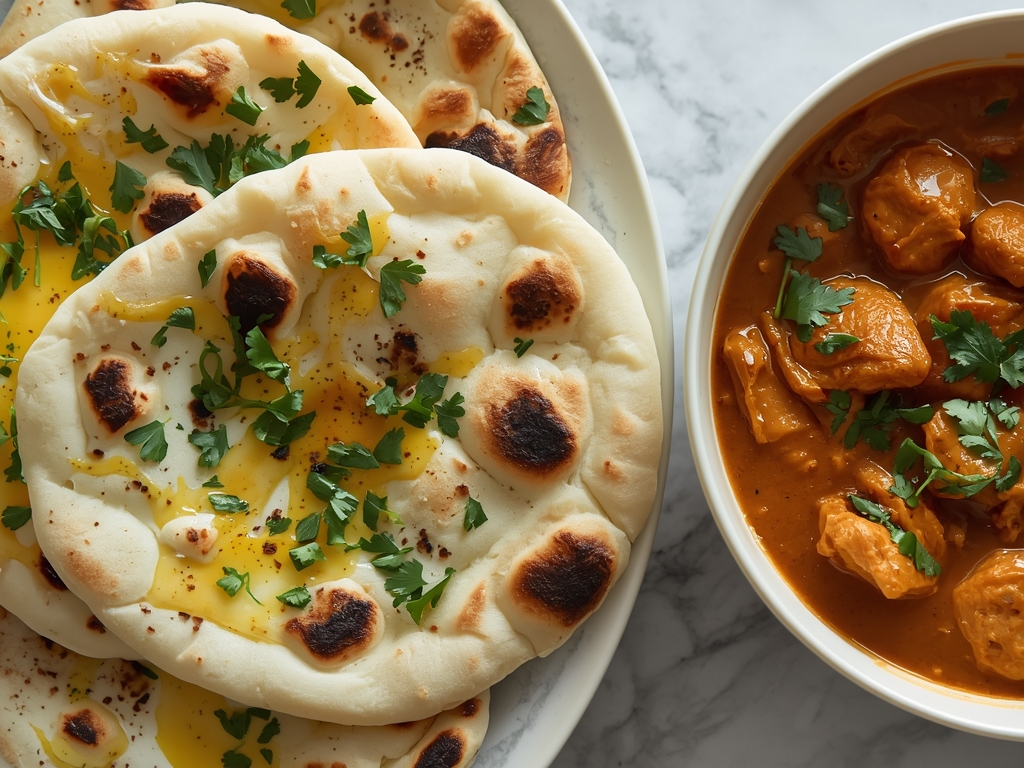
Great naan is more than just char – it’s about those final touches that elevate it from good to unforgettable. Enter ghee, that clarified butter with a nutty aroma that’s synonymous with Indian cuisine.
The Ghee Gloss
As soon as your naan comes off the heat, brush it generously with melted ghee. This not only adds richness but also enhances that smoky flavor and gives the bread a beautiful sheen.
Garlic and Herb Variations
- Garlic Naan: Mix minced garlic into the ghee for a classic flavor boost.
- Cilantro Naan: Sprinkle chopped fresh cilantro over the ghee-brushed naan.
- Cheese Naan: Sprinkle grated mozzarella or cheddar over the naan before cooking for a melty twist.
FAQ: Your Naan Char Questions Answered
Can I use all-purpose flour for naan?
Absolutely! While traditional naan uses a blend of all-purpose and whole wheat flour, you can use 100% all-purpose with great results. Just expect a slightly softer, less chewy texture.
How do I store leftover naan?
Naan is best enjoyed fresh, but you can store leftovers in an airtight container at room temperature for up to 2 days. Reheat in a hot skillet or under the broiler to restore some of that just-baked texture.
Can I make naan without yeast?
While yeast is traditional, you can use baking powder or self-rising flour in a pinch. The texture will be more like a flatbread, but it’ll still be delicious.
What’s the best way to serve naan?
Naan is incredibly versatile. Serve it alongside curries, use it to scoop up dips like raita or hummus, or even turn it into naan pizza by topping it with sauce and cheese before baking.
How do I know when my naan is done?
Look for those characteristic bubbles and char marks. The naan should be puffed in spots and lightly browned overall. If it’s still pale and doughy, give it another minute under the heat.

Marco covers the Reheat Pro category on TwiceTasty, focusing on reheating techniques and texture preservation. His articles help home cooks bring leftovers back to life with the right methods for every type of food — from crispy fried chicken to creamy pastas.

← Previous
Reheat Roasted Veggies: Air Fryer Secrets for Crunchy Goodness
Next →
How to Reheat Frozen Biscuits in the Air Fryer