Follow Me On Social Media!


How to Stop Your Air Fryer Smoking
White, blue or black smoke from your air fryer? Learn what each colour means, the quick fixes that work, and when to stop cooking and unplug the machine.
Instructions
- White smoke from fatty food: put 2 tablespoons of water in the outer drawer, under the basket, before cooking.
- Cook in a single layer with space between the pieces — do not overcrowd the basket.
- Match the oil to the temperature: refined avocado oil, with a smoke point around 520°F, handles air fryer heat; save extra virgin olive oil, which smokes at roughly 350 to 375°F, for dressings and finishing.
- Blue or grey smoke: clean the heating element — unplug, let it cool completely, turn the unit upside down and wipe the element with a soft, damp cloth. Never submerge the main housing in water.
- Empty and wipe the drip pan after every cook, and clean the element properly once a month.
- Black smoke or a plastic or electrical burning smell: stop immediately — switch the air fryer off, unplug it, and leave it alone until it is cold. If the smell remains or the cause is inside the housing, do not use it again.
Notes
White smoke is a nuisance, not an emergency. Black smoke is the stop-now kind. A silicone or parchment liner catches drips before they reach the drawer.
Dinner is in the air fryer, you walk away for a minute, and come back to a kitchen full of smoke. Alarming the first time — usually fixable in a few minutes. An air fryer smokes for a small number of reasons, and each leaves a clue: the smoke’s colour, what you are cooking, and whether the fryer was clean.
This guide works through the causes in order of how common they are: dripping fat, old grease, and the one kind of smoke that means stop immediately and unplug the machine.
First, Work Out What Colour the Smoke Is
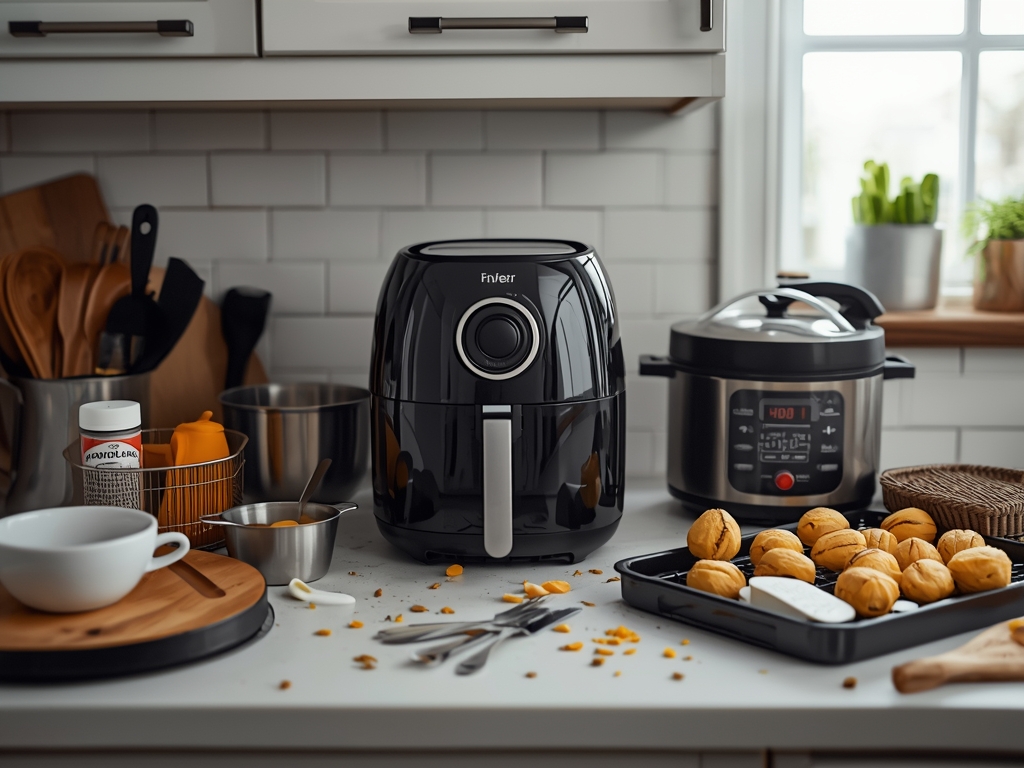
The smoke’s colour is the fastest diagnosis you have. White smoke, blue or grey smoke, and black smoke are three different problems with three different fixes.
White smoke is the most common kind: thin and pale, usually appearing partway through cooking fatty food — bacon, sausage, skin-on thighs, wings, or burgers. It means fat has dripped onto the heating element and is burning off. It smells like cooking fat and usually clears once the food is done. A nuisance, not an emergency.
Blue or grey smoke is thinner and bluer, usually showing up at the start of cooking. It means grease from earlier cooks has built up on the heating element and is burning off as it heats up. If the fryer smokes before the food is even hot, the element is the problem, not the food.
Black smoke is different, and the one to take seriously: thick, dark smoke — especially with a plastic or electrical burning smell — means something is burning that should not be. It could be food fallen onto the element, a plastic part touching heat, or an electrical fault inside the machine. Black smoke is the stop-now kind, covered in its own section below.
White Smoke: Fat Dripping on the Heating Element
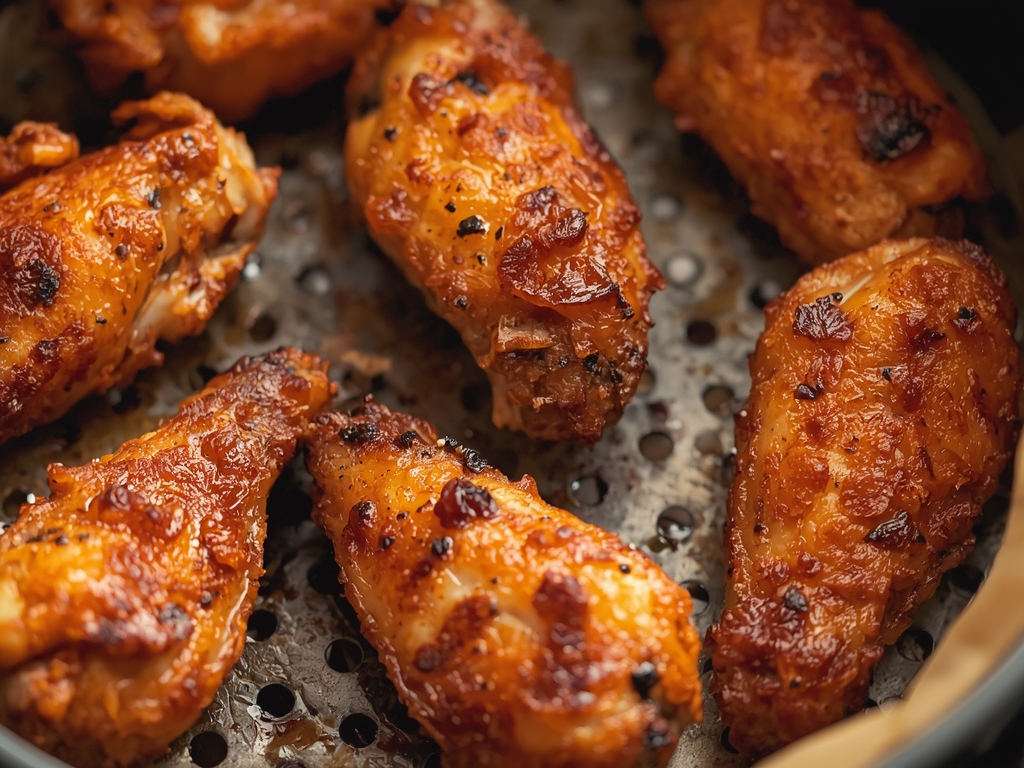
White smoke has one main cause: fat from the food drips onto the heating element, and the element — far hotter than the food — burns it off as smoke. The element sits directly above the basket, so anything that drips falls towards it, and fat at that temperature smokes.
Some foods do this far more than others. Bacon and sausage are the worst offenders, rendering a lot of fat quickly. Skin-on chicken thighs and wings come next — the skin crisps beautifully but releases fat and juices as it cooks. Burgers drip too, especially fatty ones. Sugary marinades are a less obvious cause: sugar from barbecue sauce or honey glaze drips onto the element and burns, producing sweet, acrid white smoke. If your air fryer only smokes with one of these foods, the food is the cause, and the fix is managing the fat, not fixing the machine.
Oil choice matters too: every oil has a smoke point, the temperature at which it starts to smoke and break down. Extra virgin olive oil smokes at roughly 350 to 375°F — below the temperature many air fryer recipes call for — so brushed on food cooked at 400°F, the oil itself smokes before the food is done. Refined avocado oil, with a smoke point around 520°F, handles air fryer heat comfortably. Match the oil to the temperature, and save extra virgin olive oil for dressings and finishing.
Overcrowding makes white smoke worse: a packed basket traps fat and steam, and the fat has nowhere to go except onto the hot surfaces. A single layer, with space between the pieces, lets hot air circulate and lets fat drip into the drawer below instead of spattering upwards — and it cooks the food more evenly too.
Blue or Grey Smoke: Grease Buildup From Earlier Cooks

Blue or grey smoke is the air fryer telling you it needs cleaning. Every fatty cook leaves a thin film of grease inside the machine — basket, drawer, heating element, and fan housing. That film builds up until it is thick enough to smoke on its own as soon as the element heats up. The food you are cooking today may be completely innocent; the smoke is coming from the last ten meals.
The giveaway is timing: smoke in the first minute or two, before the food has dripped anything, means the grease is already in the machine. Smoke when cooking something lean — fish, vegetables, chips with barely any oil — means the same. And smoke getting gradually worse over weeks is buildup, not a one-off spill.
Grease on the element is also why the smoke can smell stale or rancid: the fat burning off is old fat, oxidised from repeated heating. A smell even when the machine is not smoking is the same buildup at an earlier stage — deal with it before it becomes smoke.
The fix is cleaning the element, covered in detail below: wipe it once cool, and clean regularly — a quick wipe after fatty cooks, a proper clean once a month — so buildup never reaches the smoking stage. Prevention beats cure: grease baked on several times is far harder to remove than yesterday’s grease.
Black Smoke or a Burning Smell: Stop Right Now
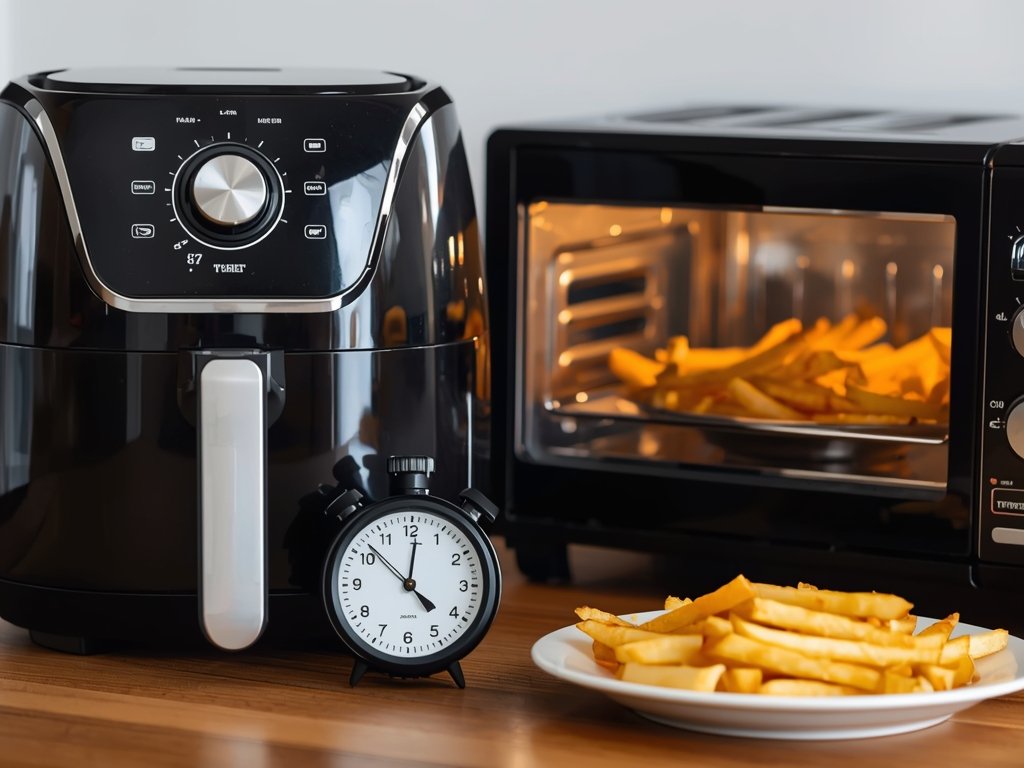
Black smoke, or any smoke with a plastic or electrical burning smell, means stop immediately. Do not try to finish the cook, and do not open the drawer to look. Turn the air fryer off, unplug it, and move it away from anything flammable if you can do so safely. Open a window and let the smoke clear before you investigate.
A few things can cause black smoke: food fallen through the basket onto the element can catch and burn fast. A piece of plastic — a utensil left in the drawer, packaging, a liner that is not heat-safe — can melt against a hot surface. An electrical fault can burn wiring or insulation, producing a sharp chemical smell. The smell is the key: fat smoke smells like cooking, even when unpleasant. Electrical or plastic smoke smells wrong in a way cooking never does.
Once the machine has cooled completely, look inside. If you can see the cause — burnt food stuck to the element, a melted bit of plastic — remove it, clean the machine thoroughly, and run it empty for a few minutes with the window open to check the smell is gone. If the smell remains, or you cannot find a cause, or the smoke came from inside the housing, do not use it again: an electrical fault does not fix itself. The U.S. Fire Administration’s cook top fire safety guidance sets out the same core rules for any cooking fire: keep a lid nearby, slide it over a pan fire, turn off the heat, and never move a burning pan. For an air fryer the equivalent is simple — switch it off, unplug it, and leave it alone until it is cold.
The Water Trick (and When Not to Use It)

The most widely shared fix is the water trick, and it works — for white smoke from fatty food. Put 2 tablespoons of water in the outer drawer, under the basket, before cooking: it catches dripping fat, cools it slightly, and stops it burning on the hot surface below. For bacon, sausage, and skin-on chicken it can be the difference between a smoky kitchen and a clean one.
There are limits: two tablespoons is the amount — not a cup, not a puddle. More water steams the food from below, the opposite of what an air fryer is for. The water goes in the outer drawer, underneath the basket, never in the basket or on the food. And the trick only helps with fat dripping from the food you are cooking now — nothing for grease already baked onto the element, and nothing for black smoke. If the machine is producing black smoke, water is not the answer; unplugging it is.
How to Clean the Heating Element Properly
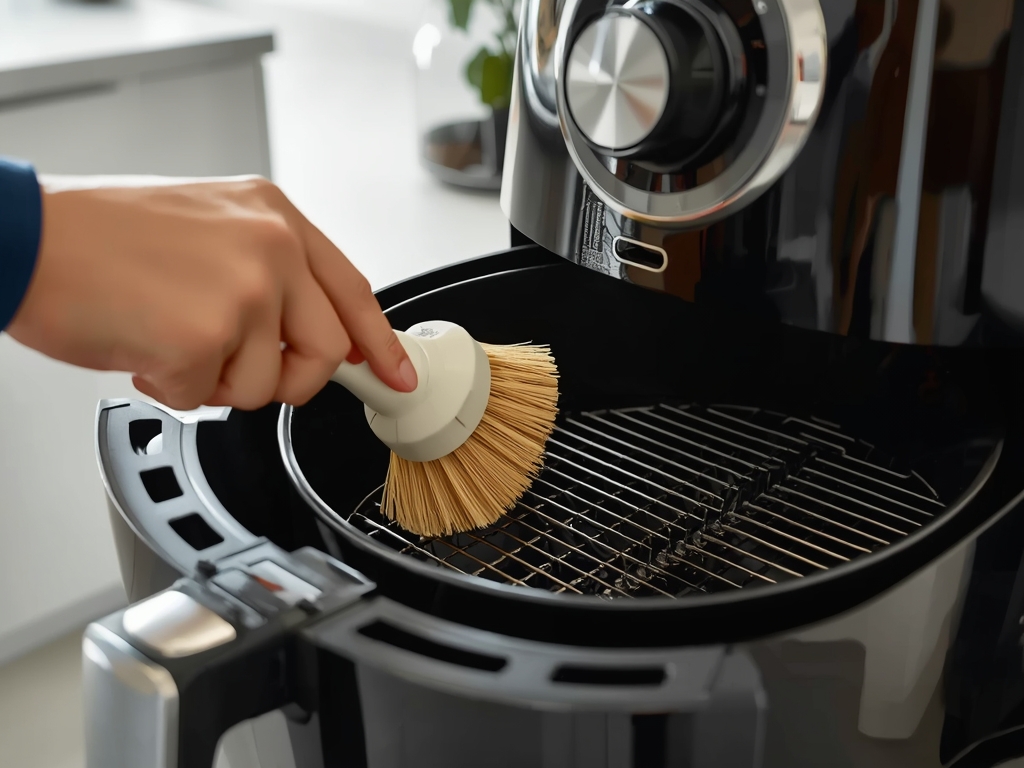
Cleaning the element is the fix for blue and grey smoke, and it is a job most people avoid because the element is tucked up inside the machine. It is not difficult — it just needs the machine cool, unplugged, and turned upside down.
Unplug the air fryer and let it cool completely — the element stays hot long after cooking, and cleaning a hot element is a burn waiting to happen. Once cool, remove the basket and drawer, wash them, and turn the main unit upside down so you can see the element and fan. You will probably see a thin brown film on the element and around it: the grease that has been smoking.
Wipe the element with a soft, damp cloth or a non-abrasive sponge, with a little washing-up liquid for stubborn grease. Work gently — the element is a coil, not built to be scrubbed hard. For baked-on grease, leave a damp cloth with a little baking soda paste on it for ten minutes, then wipe it away. Do not use steel wool or scouring pads: scratches make grease stick worse next time. And never submerge the main housing in water — it holds the electrics, fan, and element connections, and water in there is a safety problem, not a cleaning method. Wipe it, do not soak it.
While you are in there, wipe the fan blades and inside walls with the same cloth, and clean the drip pan and drawer properly — hot soapy water, a good scrub, and a full dry before they go back in. Our step-by-step guide to air fryer coil cleaning covers this in more depth, including how often to do it and what to do about stubborn grease. A quick wipe after fatty cooks and a proper clean once a month will keep blue smoke from ever appearing.
How to Stop Your Air Fryer Smoking Again
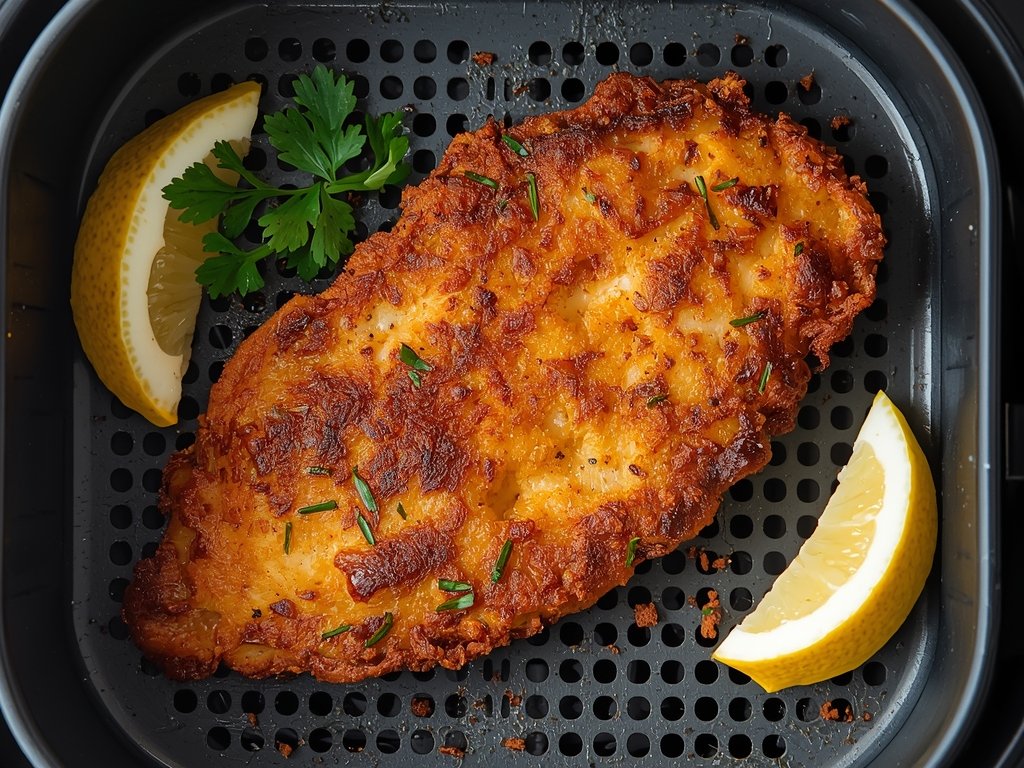
Fixing the smoke once is easy; keeping it fixed is about five habits.
First, cook in a single layer: it prevents the most smoke, solving overcrowding, fat spatter, and uneven cooking at once. If the food does not fit, cook in two batches. A crowded basket is a steamer with a fan, and steamers do not crisp food.
Second, match the oil to the temperature: extra virgin olive oil smokes at roughly 350 to 375°F, the wrong oil for a 400°F cook, while refined avocado oil, at around 520°F, handles air fryer heat without smoking. Use a light brush, not a heavy pour — excess oil is just more fat to drip and smoke.
Third, empty and wipe the drip pan after every cook. It takes thirty seconds and removes the crumbs and residue that would otherwise smoke next time — the easiest habit on the list, and the one most people skip.
Fourth, clean the element regularly — a quick wipe after fatty cooks, a proper clean monthly. Grease wiped off today is gone; grease left for a month bakes on and needs real work to remove.
Fifth, think about accessories: a silicone or parchment liner catches drips before they reach the drawer, and a small rack lifts food off the basket floor so fat drains away instead of pooling under it. Our roundup of the best air fryer accessories covers which are actually useful — the liners in particular are worth it for frequent fatty cooks, cutting cleaning time as well as smoke.
When Smoking Means the Air Fryer Is Done
Most smoking is a cleaning or cooking problem, and fixable. But sometimes the smoke is the machine telling you it has reached the end of its life.
The clearest sign is smoke that keeps coming back after a full clean. If it still produces blue or grey smoke on the first cook with lean food, the grease is somewhere you cannot reach — inside the housing, in the fan motor, or baked into surfaces that do not come apart.
The second sign is any electrical smell that survives cleaning: a plastic or chemical smell still there after the machine has been cleaned and run empty points to wiring or insulation damaged by heat, and that is not a cleaning problem. If your air fryer smells of plastic when it heats up, our guide to air fryer plastic smell causes and fixes will help you work out whether it is a new-machine smell, a melted part, or something worse — but a persistent electrical smell in an old machine means replace it.
The third sign is physical damage: a cracked basket, a drawer that no longer sits properly, a fan that rattles or has stopped spinning, or a temperature control that no longer holds steady. A fan that does not spin properly means hot air does not circulate, so the element overheats in one spot — then smokes, then fails.
If any of those apply, stop using the machine: a failing heating appliance is not worth the risk to save the cost of a replacement. Unplug it, let it cool, and recycle it through your local electrical waste service. For everything else, the fix is above. Clean the element, cook in a single layer, match the oil to the temperature, put two tablespoons of water in the drawer for fatty food, and the smoke stays away.

Ghani is the founder of TwiceTasty and a passionate home cook who believes no meal should go to waste. What started as a personal mission to transform leftovers into exciting new dishes has grown into a community of food lovers who share the same philosophy.

← Previous
Induction vs. Gas Cooktops: Which Cooks Faster?
Next →
Air Fryer Won’t Turn On? Causes and Fixes
Rate This Recipe
Tried this recipe? Share your experience and help others!