Follow Me On Social Media!

Turning Leftover Cornbread into Sweet & Savory Bread Pudding

There is a specific kind of morning-after letdown that involves a Tupperware container of cornbread. You open the fridge, hoping for a side to go with your chili or your eggs, but what you find is heartbreaking. The tall, golden dome from last night has collapsed. The texture, which was once steamy and tender, is now dense and chalky. It crumbles when you touch it, turning into a pile of dry, yellow sand. You take a bite, and it sucks the moisture right out of your mouth. It’s less like food and more like building material.
Most people look at that dry, crumbly mess and think “stuffing.” And sure, you could crumble it into a pot of soup, but that feels like giving up. You’re just hiding the texture. But cornbread is a magical ingredient because it sits right on the fence between sweet and savory. It’s got the grainy heartiness of corn, but the sweetness of cake. If we treat it right, we can transform that dry, leftover rubble into a bread pudding that is creamy, rich, and incredibly sophisticated. We aren’t just hydrating it; we’re turning it into a dessert—or a side dish—that has a texture closer to a custard than a bread.
Why Cornbread Turns Into a Brick
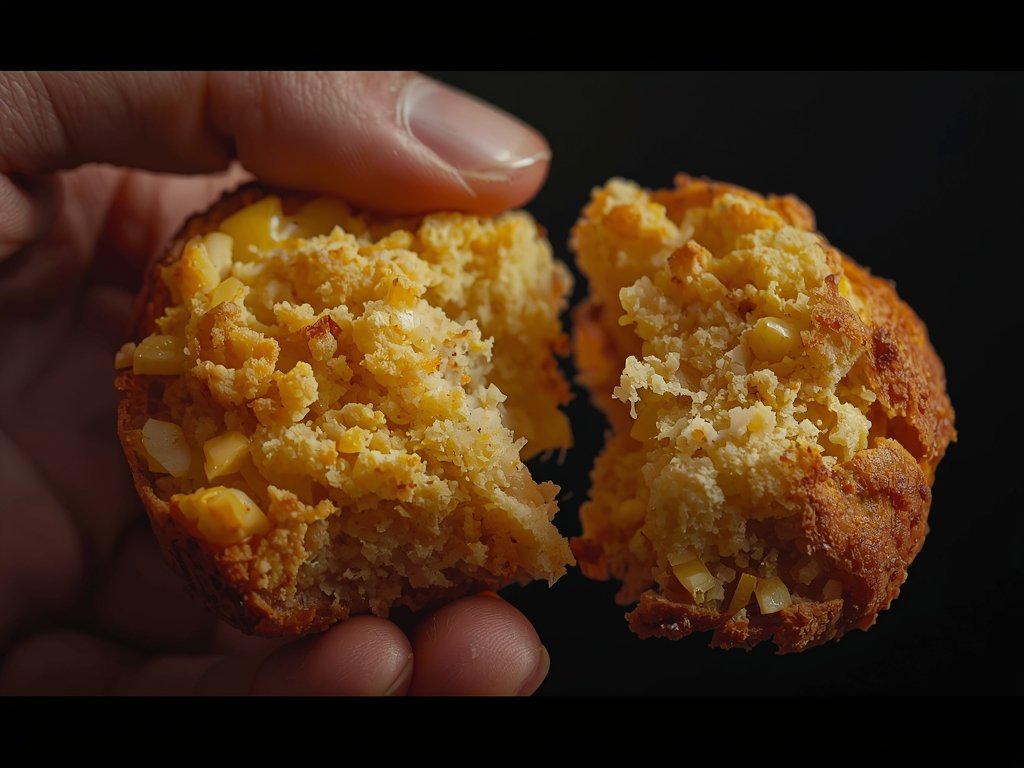
To fix the texture, we have to understand the anatomy of cornbread. Unlike a loaf of sourdough or brioche, which has a strong gluten network that traps air, cornbread is crumbly. It relies on chemical leavening (baking powder) and the starch in the cornmeal to rise. It’s structurally fragile.
When it sits in the fridge, two things happen. First, the moisture evaporates. Cornmeal is incredibly thirsty; it’s basically coarse starch. It drinks up the liquid from the batter, and then, when the air dries it out, it turns into a hard sponge. Second, the fat—usually butter—solidifies. In the oven, that fat lubricates the flour and cornmeal. Cold, it acts as a solid glue, making the bread feel waxy and dry.
If you just pour milk over it and microwave it, the water sits on the surface because the starch is too tight to absorb it quickly. You end up with mushy edges and a dry center. We need to break that structure down. We need to introduce a custard—a rich mixture of eggs and cream—that can seep into those dry, chalky pores and re-hydrate the cornmeal from the inside out. We want the starch to swell up again, but this time suspended in a velvety egg matrix that keeps it soft and silky.
The Golden Bath: Building the Custard

The trick to a great bread pudding is the ratio. Since cornbread is denser and drier than a brioche, it needs a very wet custard. You aren’t making a French toast where you just dip it; you’re making a pudding where the bread soaks.
Grab a bowl. Whisk together your eggs—lots of them. The protein in the eggs is going to set around the starch granules, holding everything together in a soft, quivering set. To that, add heavy cream. Don’t skimp. The fat in the cream coats the gritty cornmeal, making it feel luxurious on the tongue. If you want to lean into the “savory” side of the title, this is where you get creative. Grate in some sharp cheddar cheese. Chop up some scallions or maybe a roasted poblano pepper. The savory notes will balance the inherent sweetness of the corn.
If you want to lean “sweet,” keep the cheese out but add vanilla extract and maybe a pinch of cinnamon or nutmeg. Or, do what I do: the hybrid. A little bit of sharp cheddar in the custard makes the sweet finish pop even more.
Now, the cornbread. Cut the leftovers into cubes. Don’t worry about making them perfect; the ragged edges actually help them grab onto the custard. Toss the cubes into the baking dish. Now, pour that egg and cream mixture over the top. Use a fork to push the bread down. You want every cube submerged.
This is the non-negotiable step: Wait. Walk away for 20 minutes. Let the bread sit there. You’ll see the level of the liquid drop as the cornbread drinks it up. If you bake it immediately, the centers will be dry. You have to give the starch time to rehydrate. The cubes will swell up, looking fat and happy again.
The Bake: Setting the Custard

Slide the dish into a moderate oven—around 350°F. We aren’t trying to toast the bread; we’re trying to set the eggs. As the pudding bakes, the smell will change. First, you’ll smell the eggs, then the warm, nutty aroma of the cornmeal, and finally, the butter.
Watch the top. You want it to turn a deep, golden brown. The edges should start to pull away from the sides of the dish. The center should still have a slight wobble when you shake the pan—like panna cotta. That wobble means there is still enough moisture left inside to keep it creamy. If you bake it until it’s firm, it will be dry the moment it cools.
When you pull it out, let it rest. This is crucial. The eggs need to finish setting. If you cut into it while it’s piping hot, it will ooze liquid. Let it sit for 10 or 15 minutes. As it cools slightly, the custard tightens up into a sliceable, spoonable consistency. The crust on top stays crunchy and caramelized, while the underneath stays soft and pudding-like. It’s a textural playground.
The Sweet & Savory Upgrade: The Maple-Bourbon Glaze
The pudding is delicious on its own, but we promised “Sweet & Savory” in a way that feels like a restaurant dessert. This is the upgrade that takes it over the top. We are going to make a quick maple-bourbon sauce.
In a small saucepan, combine real maple syrup and a knob of butter. Let it simmer until it thickens slightly. Then, right at the end, turn off the heat and splash in a little bourbon. The alcohol will hit the hot syrup and vaporize, leaving behind that smoky, oaky flavor without the burn.
If you went the savory route with the cheddar in the pudding, this sweet, boozy glaze is the perfect counterpoint. You serve a warm square of the cheesy, cornmeal pudding, and drizzle that sticky, smoky maple sauce over the top.
Maybe add a sprinkle of sea salt flakes. The salt hits the sweet maple and the savory cheese all at once. It’s a flavor bomb. The creamy corn provides the base, the sharp cheese cuts through, and the sweet bourbon glaze ties it all together. You took that dry, disappointing leftover and turned it into a dish that feels like it belongs on a brunch menu. It’s warm, it’s comforting, and it’s infinitely adaptable.

Frequently Asked Questions
Can I use boxed cornbread mix leftovers (like Jiffy) for this?
Absolutely. In fact, boxed mixes are often sweeter and more cake-like, which works beautifully for a dessert-style bread pudding. You might want to back off on the sugar in your custard slightly if the cornbread was already very sweet.
Can I make this entirely savory? Yes! Omit the vanilla, cinnamon, or sugar. Stick to the eggs, cream, and savory mix-ins like sautéed onions, jalapeños, bacon, and sharp cheddar. Skip the maple glaze at the end and serve it with a dollop of sour cream or salsa. It makes an incredible side dish for roast chicken or ham.
How do I store this? It actually keeps quite well. Store it in the fridge covered with foil. To reheat, put a square in the microwave for about 30-45 seconds. It will come out just as creamy as the first night, though the crust might soften up a bit. You can re-crisp it in a toaster oven for a few minutes if you miss the crunch.