Follow Me On Social Media!

The Lunch Box Dilemma: Why Do Apples Turn Brown?
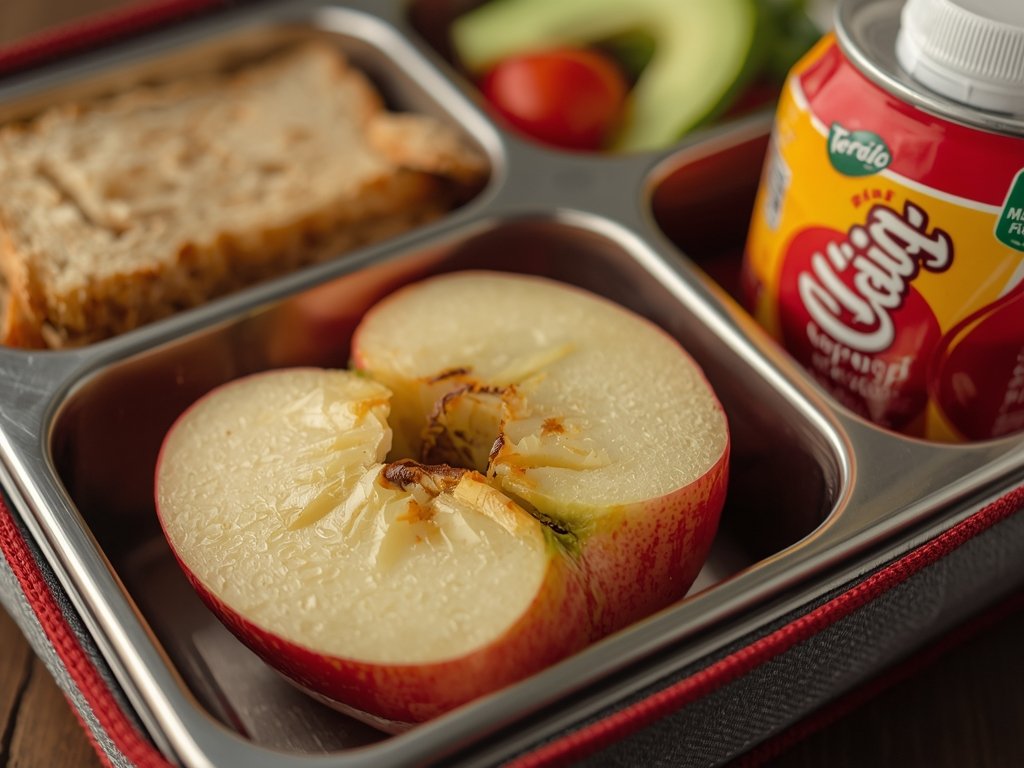
If you’ve ever packed a lunch for yourself or your kids, you know the struggle: cut apples that turn brown by the time lunch rolls around. It’s not just about looks; that brown color can make the fruit seem less appetizing, even if it’s still perfectly good to eat. But why does this happen?
The culprit is a process called enzymatic browning, where enzymes in the apple react with oxygen in the air. This reaction produces melanin, the same pigment that gives our skin and hair their color. While it’s harmless, it can be off-putting, especially for picky eaters.
The Science Behind the Brown: Enzymatic Browning Explained
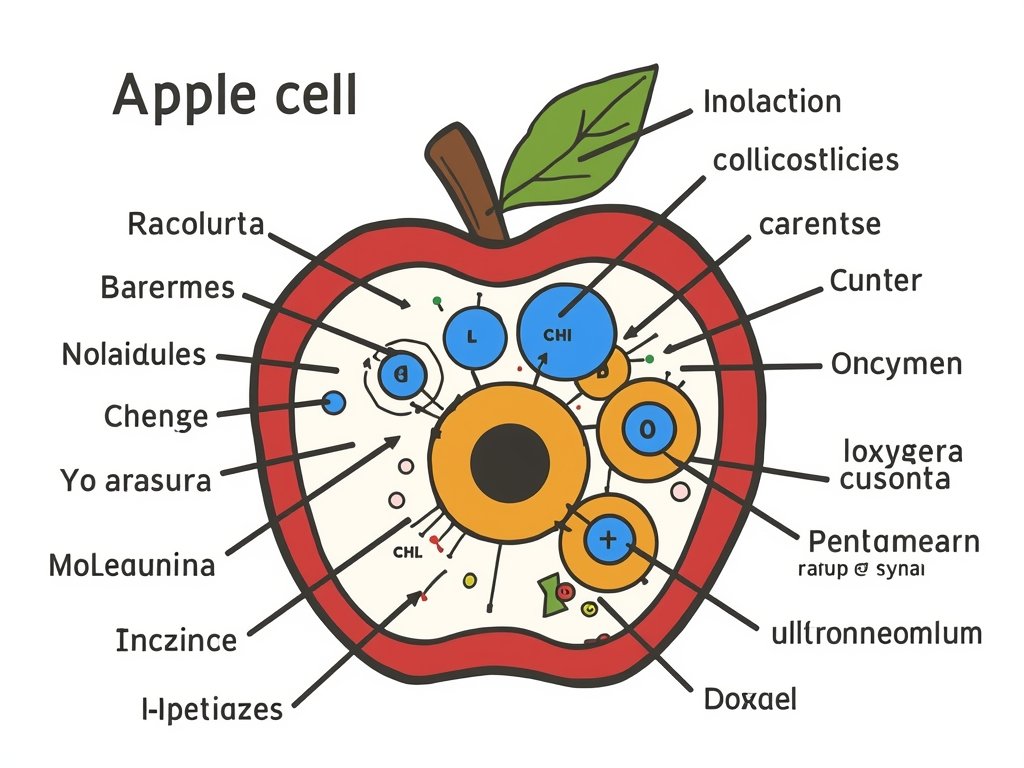
To understand how to prevent browning, let’s dive a little deeper into the science. Apples contain an enzyme called polyphenol oxidase (PPO). When an apple is cut, PPO is exposed to oxygen, triggering a series of reactions that ultimately produce melanin.
This process is faster in certain varieties of apples, like Red Delicious and Granny Smith, due to their higher PPO levels. Understanding this can help you choose the right apples and methods to keep them looking fresh.
Quick Fixes: Simple Methods to Slow Down Browning
The Power of Citrus: Lemon Juice to the Rescue
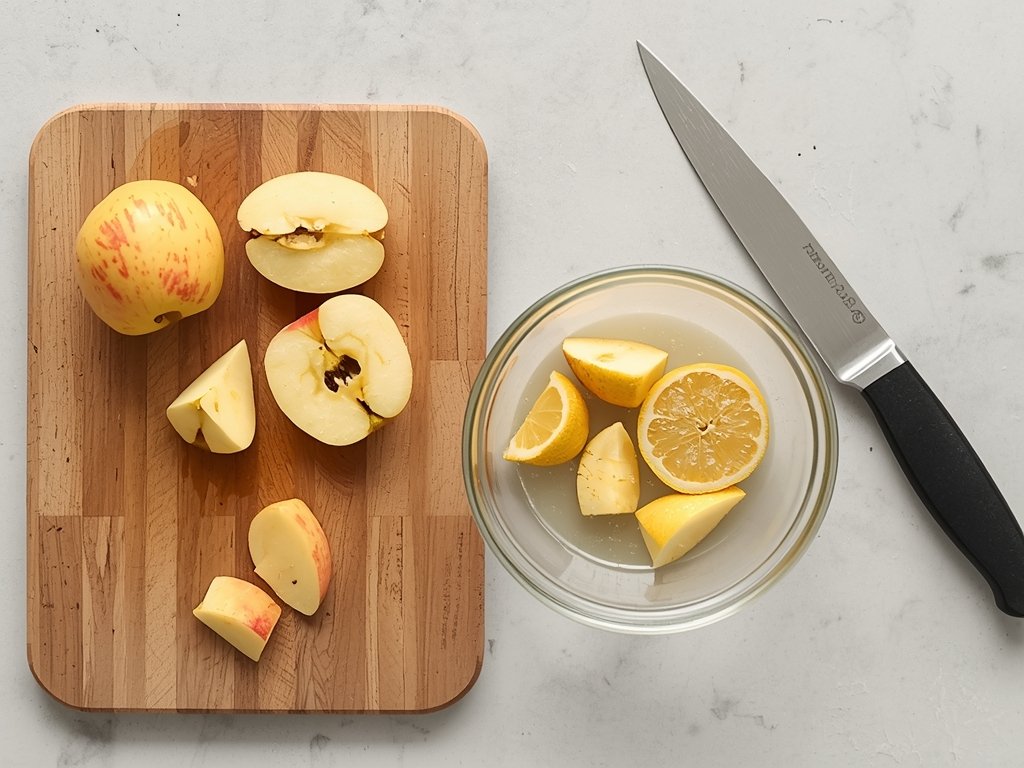
One of the easiest ways to slow down browning is by using lemon juice. The acidity of lemon juice lowers the pH of the apple’s surface, making it less hospitable for the enzymes that cause browning. Simply toss your cut apples in a bowl with a tablespoon of lemon juice per apple.
If you’re not a fan of the lemony taste, you can also use other citrus juices like lime or orange. Just be aware that they might add a slightly different flavor to your apples.
The Sweet Solution: Honey or Sugar Syrup
Another simple method is to coat your cut apples in a sweet syrup. Honey or a mixture of sugar and water can create a barrier between the apple and the air, slowing down the browning process. Dip your apple slices in the syrup and let them dry on a wire rack before packing.
This method not only prevents browning but also adds a touch of sweetness, making your apples even more irresistible. Just be mindful of the added sugar, especially if you’re packing lunches for kids.
Long-Term Strategies: Keeping Apples Fresh for Days
The Cold Treatment: Refrigeration and Storage
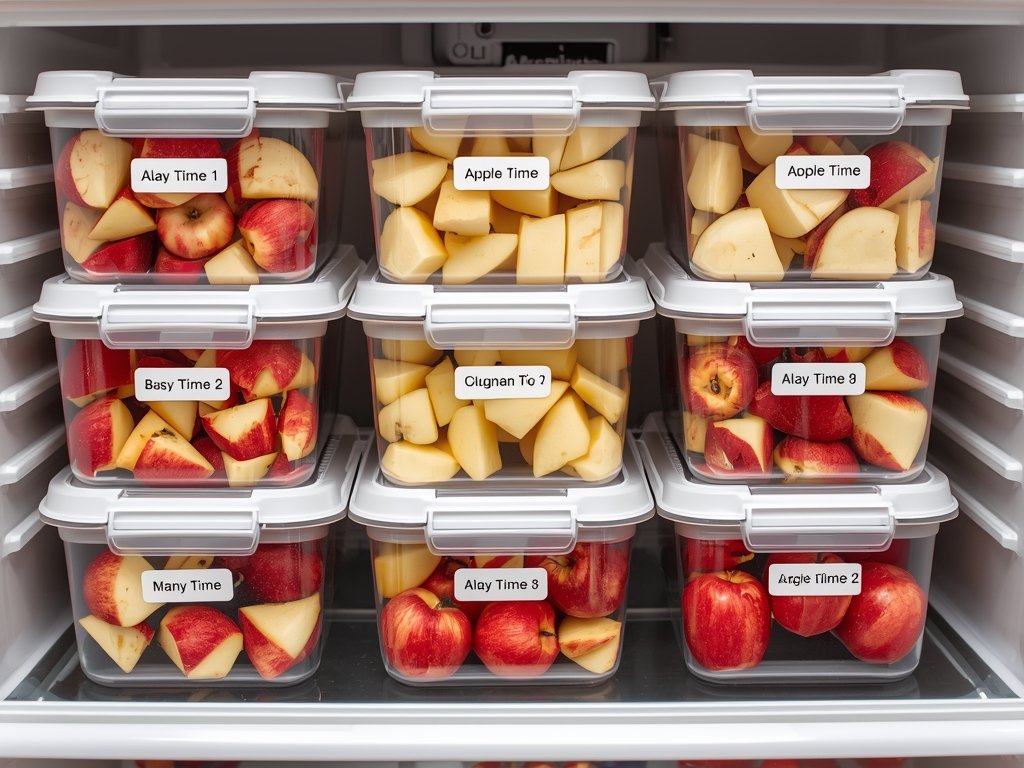
While quick fixes work well for immediate needs, sometimes you need a solution that lasts longer. Refrigeration can significantly slow down enzymatic browning. Store your cut apples in an airtight container in the fridge, and they’ll stay fresh for up to 5 days.
For even better results, add a damp paper towel to the container. The moisture helps maintain the apples’ crispness, while the cold temperature keeps the enzymes at bay.
The Vacuum Seal: Removing Oxygen from the Equation
If you’re serious about keeping your apples fresh, consider investing in a vacuum sealer. By removing the oxygen from the container, you eliminate the key ingredient needed for enzymatic browning. Vacuum-sealed apples can last up to 2 weeks in the fridge.
While this method requires a bit more equipment, it’s a game-changer for meal prep and ensuring your apples stay as fresh as the day you cut them.
Creative Solutions: Thinking Outside the Lunch Box
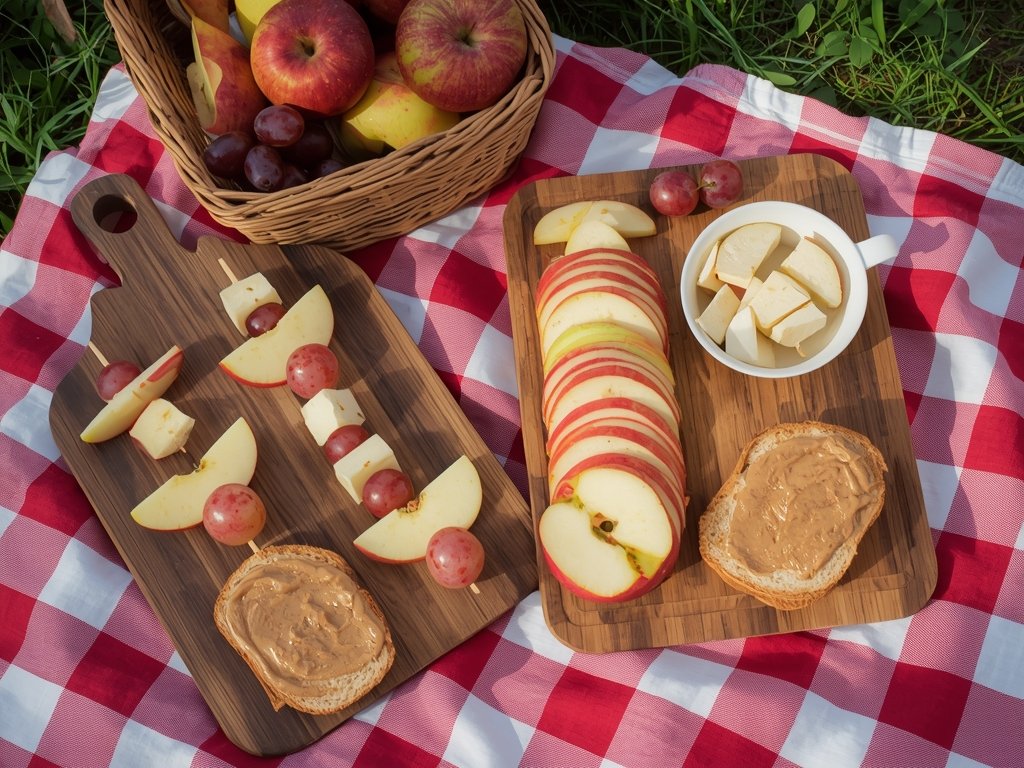
Apple Pairings: Combining with Other Foods
Sometimes, the best way to prevent browning is to pair your apples with other foods that naturally slow down the process. Foods high in vitamin C, like oranges or strawberries, can help inhibit enzymatic browning when packed together with apples.
You can also get creative with your pairings. Try making apple sandwiches with peanut butter or almond butter, or skewer apple slices with cheese and grapes for a fun and fresh snack.
The Dip Method: Keeping Apples Submerged
Another creative solution is to pack your apples in a dip that keeps them submerged. Apple slices dipped in yogurt or caramel not only taste delicious but also stay fresh longer. The liquid creates a barrier between the apple and the air, slowing down browning.
Just be sure to choose a dip that complements the apple’s flavor and texture. Greek yogurt with a drizzle of honey or a sprinkle of cinnamon can be a healthy and tasty option.
FAQ: Your Questions Answered
Can I use vinegar instead of lemon juice?
Yes, you can use vinegar as an alternative to lemon juice. White vinegar or apple cider vinegar works well, but be mindful of the stronger flavor. Use it sparingly to avoid overpowering the apple’s natural taste.
How long do cut apples last in the fridge?
When stored properly in an airtight container, cut apples can last up to 5 days in the fridge. Adding a damp paper towel can help maintain their crispness.
Can I freeze cut apples to prevent browning?
Freezing can alter the texture of apples, making them softer when thawed. However, if you plan to use them in smoothies or baking, freezing is a great option. Just be sure to store them in an airtight container or freezer bag.
Are there apple varieties that brown less quickly?
Yes, some apple varieties, like Honeycrisp and Fuji, have lower levels of polyphenol oxidase and brown more slowly. Choosing these varieties can give you a head start in keeping your apples fresh.
Can I use commercial anti-browning products?
Commercial anti-browning products, often containing calcium or ascorbic acid, can be effective. However, they may add unnecessary chemicals to your food. Natural methods like lemon juice or honey are generally safer and just as effective.

Lina leads the Fresh Hacks category, covering food storage tips, freshness preservation, and smart ways to extend the life of your groceries. Her guides help readers keep ingredients at peak quality for longer.

← Previous
Freeze Pizza Sauce Safely: A Complete Guide for Leftovers
Next →
Best Containers for Storing Onions & Garlic in the Fridge