Follow Me On Social Media!

The Zesty Dilemma: Preserving Leftover Lemon Halves
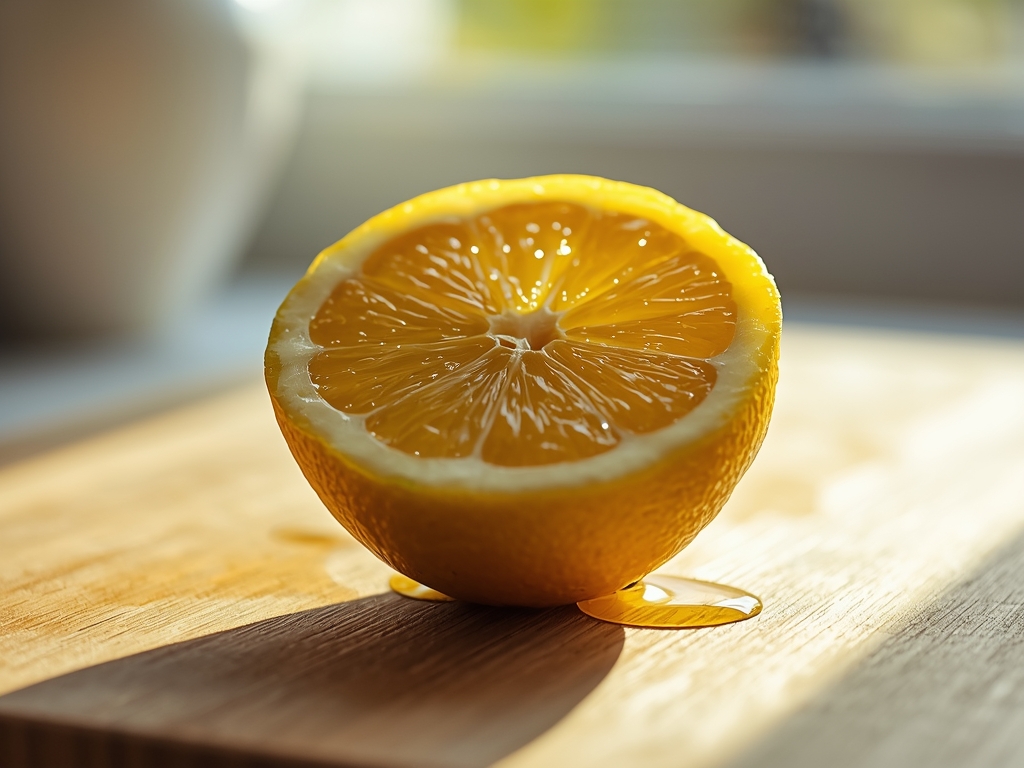
We’ve all been there – squeezing a lemon for a recipe, only to be left with a sad, drying half. In a country where food waste is a growing concern, finding ways to preserve every last drop of citrusy goodness is both practical and environmentally friendly. Whether you’re whipping up a batch of lemon bars in your Brooklyn apartment or adding a twist to your Southern sweet tea, knowing how to store leftover lemon halves is a game-changer.
Why Lemons Dry Out (And How to Stop It)

Lemons are like tiny, yellow sponges – they absorb and release moisture quickly. When cut, the exposed flesh begins to oxidize, leading to that dry, hardened edge we all dread. This process is accelerated by warm, dry environments, like a typical California kitchen in summer. But fear not – with a few simple tricks, you can keep your lemons fresh for days.
The Science Behind Citrus Degradation
The culprit behind drying lemons is a combination of enzymatic browning and moisture loss. When a lemon is cut, enzymes in the fruit react with oxygen, causing discoloration. Simultaneously, the natural oils and juices evaporate, leaving the flesh dry and tasteless.
Simple Storage Solutions for Busy Cooks
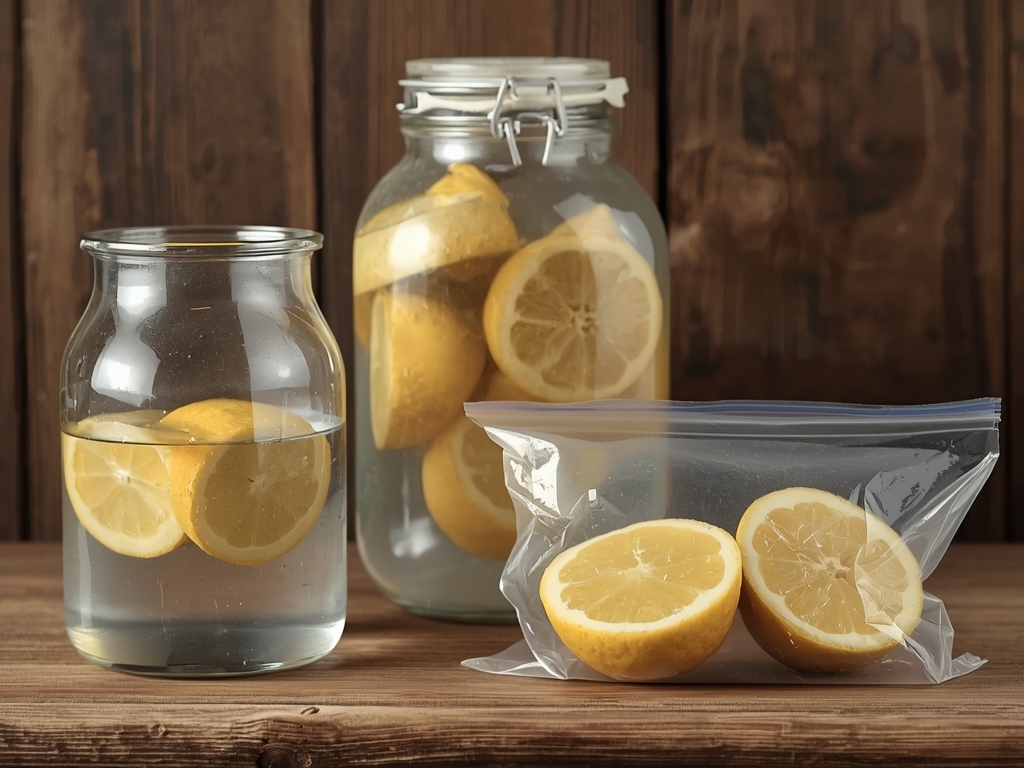
Not everyone has the time to fuss over leftover lemons. For the busy home cook, simplicity is key. These no-fuss methods will keep your lemons fresh without requiring a degree in food science.
The Water Bath Method
One of the easiest ways to store lemon halves is by submerging them in water. Place the cut side down in a container filled with cold water, then refrigerate. This creates a barrier against air, slowing down the drying process. Change the water daily for best results.
Plastic Wrap and Beeswax Alternatives
For a quick fix, tightly wrap the lemon half in plastic wrap or reusable beeswax wrap. This seals in moisture and prevents air exposure. If using plastic, press the wrap directly onto the cut surface to create an airtight seal. Beeswax wraps offer an eco-friendly option, perfect for the sustainability-minded cook.
Advanced Techniques for Lemon Longevity

If you’re serious about preserving lemons, these advanced techniques will keep them fresh for up to a week. Ideal for meal preppers or those who love to entertain, these methods require a bit more effort but deliver impressive results.
The Olive Oil Seal
Brushing the cut surface of a lemon half with olive oil creates a natural barrier against air. The oil’s viscosity prevents moisture loss, while its mild flavor won’t overpower the lemon’s zesty notes. Store the oiled lemon in an airtight container in the fridge for maximum freshness.
Citrus-Friendly Containers
Invest in a glass container with an airtight lid specifically for storing lemon halves. These containers are designed to maintain humidity levels, keeping your lemons plump and juicy. Add a damp paper towel to the container for an extra moisture boost.
Creative Uses for Partially Dried Lemons
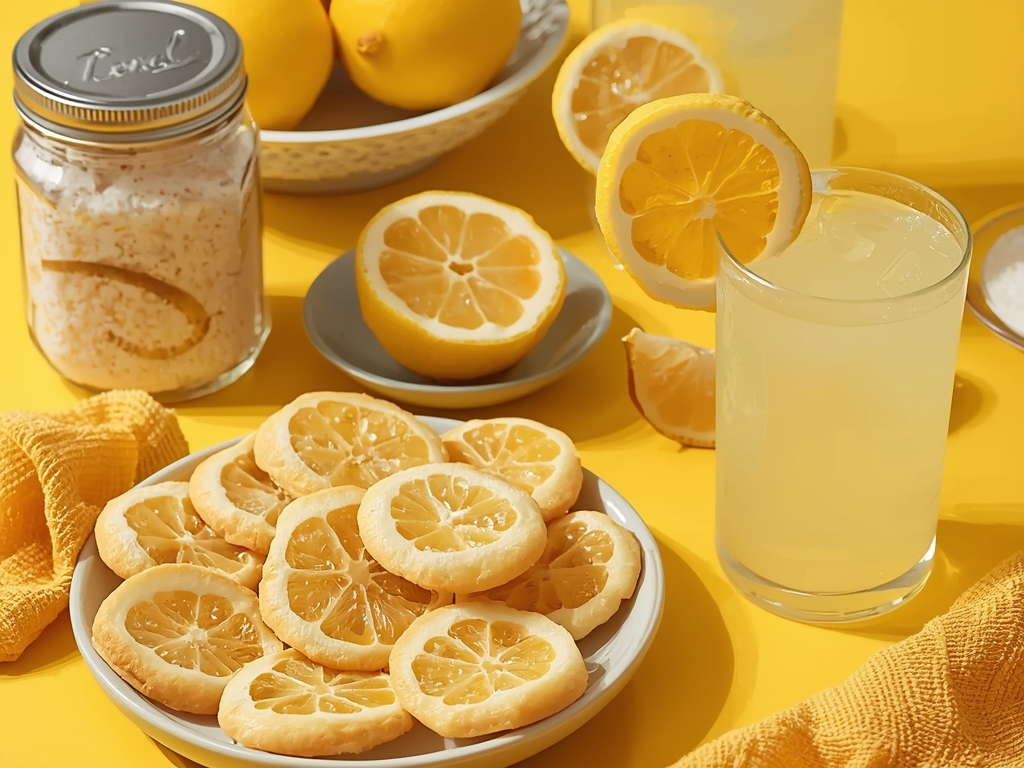
Even if your lemons do dry out a bit, don’t toss them! Partially dried lemons can still add a burst of flavor to various dishes. From baking to beverage-making, these creative ideas will ensure no lemon goes to waste.
Infused Oils and Vinegars
Add dried lemon peels to olive oil or white wine vinegar for a flavorful infusion. Let the mixture sit for a week, then use it in salad dressings, marinades, or as a finishing oil. The dried peels will impart a subtle citrus aroma without the acidity of fresh lemons.
Baking with Dried Lemons
Grate dried lemon peels into cookie dough, cake batter, or muffin mix for a burst of citrus flavor. The dried peels can also be blended into a fine powder and used as a natural seasoning for baked goods. Try adding a teaspoon to your next batch of lemon poppy seed muffins for a tangy twist.
FAQ: Your Lemon Storage Questions Answered
Can I freeze leftover lemon halves?
Yes, freezing is an excellent way to preserve lemon halves for long-term storage. Wrap the halves tightly in plastic wrap or place them in a freezer-safe bag. Frozen lemons can be grated directly into dishes for a burst of flavor.
How long do stored lemon halves stay fresh?
When stored properly, lemon halves can stay fresh for 3-5 days in the refrigerator. The water bath method and olive oil seal can extend this to up to a week.
Can I use dried-out lemons for juice?
While dried-out lemons won’t yield much juice, you can still extract some liquid by microwaving the half for 10-15 seconds. The heat will help release the remaining juices, though the flavor may be less vibrant.
What’s the best way to store lemon zest?
Lemon zest can be stored in an airtight container in the freezer for up to 6 months. Simply grate the zest from a fresh lemon and freeze it in a thin layer before transferring to a container.
Are there any health risks to eating dried-out lemons?
Dried-out lemons are safe to eat, but they may have a less appealing texture and flavor. As long as there’s no mold or off odor, they’re perfectly fine to use in cooking or baking.

Lina leads the Fresh Hacks category, covering food storage tips, freshness preservation, and smart ways to extend the life of your groceries. Her guides help readers keep ingredients at peak quality for longer.

← Previous
Prevent Garlic Sprouting: Best Storage Tips for Fresh Bulbs
Next →
Milk Expiry Dates Decoded: Sniff Test & Storage Tips