Follow Me On Social Media!


There is a specific kind of heartbreak reserved for the morning after a paella feast. You open the refrigerator, expecting to see that vibrant, yellow landscape of saffron rice, proud prawns, and tender mussels. Instead, you find a dry, matte landscape. The rice, once plump and oily, has hardened into distinct, separate grains that feel like pebbles. And the seafood? Oh, the seafood. The prawns have shriveled into little claws, curling inward as if they’re scared. You know that if you bite into one, it won’t be sweet and briny; it will have the texture of a rubber band.
Most people, faced with this tragedy, resort to the nuclear option. They dump the whole pan into the microwave, cover it with plastic, and blast it. Five minutes later, they have a volcanic disaster. The rice in the center is scorching hot, the rice on the edges is bone dry, and the shrimp have transformed into chewy, flavorless erasers. It’s a waste of good saffron and expensive shellfish. The problem is that paella is a “two-speed” dish. The rice needs moisture to relax, but the seafood is already cooked and essentially needs to be coddled so it doesn’t seize up. To save it, we have to stop cooking and start hydrating.
The Rice vs. The Seafood: A Textural War
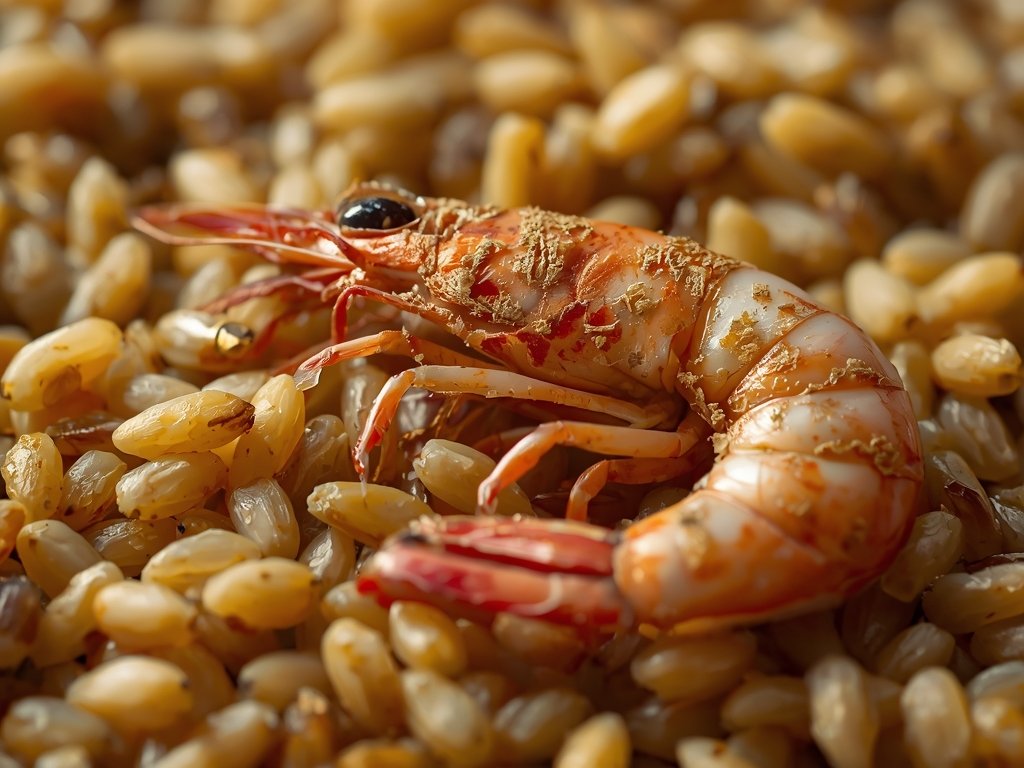
To fix this, we have to understand what happened in the cold. Paella rice—usually Bomba or Calasparra—is designed to absorb liquid. It’s a thirsty, short-grain starch that wants to drink up all that flavorful broth. When it cools down, the starch molecules undergo retrogradation. They crystallize and squeeze out the water they were holding, leaving the rice dry and hard. It essentially turns into a block of starch.
At the same time, the proteins in the shrimp, mussels, and squid are tightening up. Unlike beef, which you can re-sear, seafood protein doesn’t relax when you heat it back up; it just contracts further. Every second of heat applies more pressure to those muscle fibers, squeezing out the juices and leaving behind dry, tough meat.
The microwave fails because it applies aggressive, uneven heat. It boils the water inside the rice, turning it into a starchy paste, while simultaneously overcooking the proteins into oblivion. We need a method that reintroduces moisture to the rice gently, while shielding the seafood from direct, intense heat. We need to create a steam environment that wakes up the grains but cradles the shrimp.
The Gentle Steam-Fry Resurrection

This is why the stovetop is the only place for a paella comeback. Ideally, you’re reheating this in the same pan you cooked it in, or a wide, heavy skillet. You want surface area, not depth. Dump the cold paella into the pan. It’s going to look sad, broken, and dry. Don’t worry.
Now, the secret ingredient: water. Or even better, chicken stock or white wine if you have some open. You don’t need much—just a few tablespoons. Splash it over the rice, but try to avoid pouring it directly onto the seafood if you can help it. Turn the heat to medium-low.
Here is the physics of what happens next: The liquid hits the hot pan and immediately begins to steam. As you cover the pan with a lid or even a baking sheet, that steam gets trapped. It circulates through the dry rice grains, penetrating the hardened starch and softening it back to that tender, chewy consistency we love. It’s essentially giving the rice a drink without boiling it into mush.
Because the heat is coming from the bottom of the pan, the seafood is being heated gently by the surrounding steam, not by direct contact with the metal. It warms through without seizing. Keep the heat low—you want a gentle simmer, not a roar. Let it steam for about 5 to 8 minutes. You’ll start to smell the saffron again, waking up the kitchen. That’s the signal that the rice is drinking and the aromatics are blooming.
The Socarrat Revival: Crisping the Bottom

Here is where we separate the amateurs from the pros. The soul of a paella is the socarrat—that crispy, caramelized layer of rice at the bottom of the pan. In the fridge, this layer gets soggy and sad. It loses its crunch. The steaming step we just did is necessary for the bulk of the rice, but it turns the bottom layer soft again. We have to fix that.
Once the rice is hot and plump, remove the lid. Turn the heat up slightly to medium. Let the remaining moisture evaporate. Listen to the sound. It will go from a bubbling hiss to a quiet crackle. That crackle is the sugar in the rice and the caramelized bits from the original cooking re-hardening against the metal.
Let it go for just 2 or 3 minutes. You want to recreate that crust without burning the leftovers. The smell will change from steamy to nutty and toasty. That is the smell of the socarrat being reborn. Now, turn off the heat.
Take a spoon and gently fold the rice. You want to mix the crispy bottom bits back into the softer top layers. This creates that incredible texture contrast in every bite—soft, saffron-scented rice punctuated by crunchy, salty, caramelized shards. It gives the dish a complexity that even the fresh batch might have lacked because you’ve concentrated the flavors through the drying and re-steaming process.
The Briny Finish: Waking Up the Seafood

The texture is fixed, but let’s be honest: leftover seafood can taste a little “flat.” The bright, briny pop of the ocean fades in the fridge. The aromatics—garlic, parsley, lemon—lose their punch. We need to put that life back in, but we can’t cook the shrimp any further.
This is a raw application. While the paella is steaming, chop up some fresh parsley. Zest a lemon. When you pull the paella off the heat, scatter the parsley and the lemon zest over the top. Don’t stir it in yet. Just let it sit there on the hot rice. The heat will release the oils in the parsley and the essential oils in the lemon zest without cooking them. They’ll perfume the steam rising from the dish.
Give it a final drizzle of really good extra virgin olive oil. This adds a luxurious mouthfeel that replaces the richness lost in the cooling process. When you eat it, you’ll get the soft rice, the crunch of the socarrat, and then this burst of fresh, herbal, citrusy brightness that cuts through the density of the dish. The seafood, gently warmed by the steam rather than blasted by the fire, will remain sweet and tender. You haven’t just reheated a leftover; you’ve reconstructed a masterpiece.
Frequently Asked Questions
Can I freeze leftover paella?
You can, but the texture will suffer, especially the rice. The freezing process ruptures the cell walls of the rice, making it mushier when you thaw it. If you do freeze it, freeze it without the seafood if possible. Add fresh seafood when you reheat it. It takes a bit more effort, but the texture difference is worth it.
Is it okay to reheat paella in the oven? It’s okay, but risky. The oven is very dry. You’d need to cover it tightly with foil to trap steam, which essentially turns it into a steamer. It works well for large quantities, but you lose the opportunity to recreate the crispy socarrat, which is the best part. For a single or double serving, the skillet method is superior.
How long does paella last in the fridge? Because of the seafood, you really shouldn’t keep it longer than 2 or 3 days. Seafood proteins degrade faster than meat or chicken. After day 3, the risk of texture degradation and bacterial growth increases. If it’s day 4 and it smells a bit “off,” it’s time to let it go.

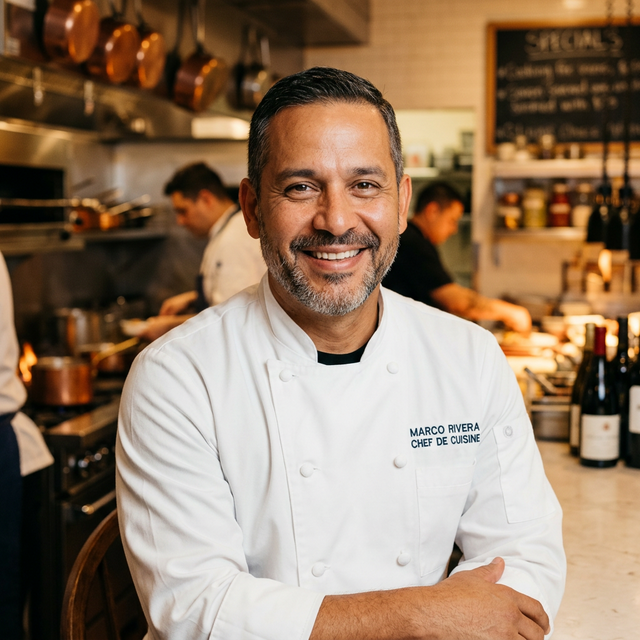
Marco covers the Reheat Pro category on TwiceTasty, focusing on reheating techniques and texture preservation. His articles help home cooks bring leftovers back to life with the right methods for every type of food — from crispy fried chicken to creamy pastas.
← Previous
Resurrecting the Dry Crumb: Saving Your Leftover Cornbread
Next →
Air Fryer Sushi Hack: Reheat Tempura Rolls Perfectly