Follow Me On Social Media!

Brewing Brilliance: The Natural Way to Descale Your Coffee Maker

As a coffee lover, you know that a great cup of joe starts with a clean machine. Over time, mineral deposits from water can build up in your coffee maker, affecting the taste and quality of your brew. Descaling is essential, but you don’t need harsh chemicals to get the job done. In this article, we’ll show you how to descale your coffee maker using only natural ingredients, so you can enjoy a perfect cup every time.
Why Descaling Matters: The Impact on Your Coffee’s Taste
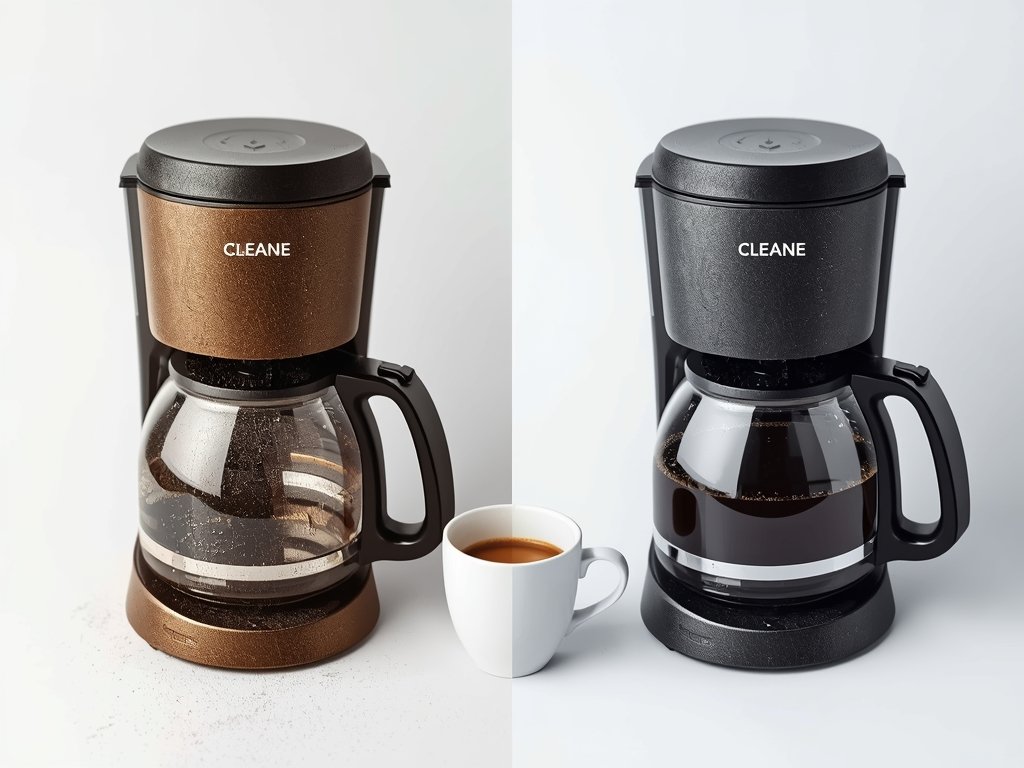
Before we dive into the descaling process, let’s talk about why it’s so important. Mineral deposits, also known as limescale, can accumulate in your coffee maker’s water reservoir, heating element, and tubes. This buildup can affect the flow of water, leading to longer brewing times and uneven extraction.
As a result, your coffee may taste bitter, sour, or just plain off. In the United States, where coffee is a beloved daily ritual, a poorly brewed cup can ruin your morning routine. By descaling your coffee maker regularly, you’ll ensure that every cup is as delicious as the last.
Gathering Your Natural Descaling Arsenal
What You’ll Need
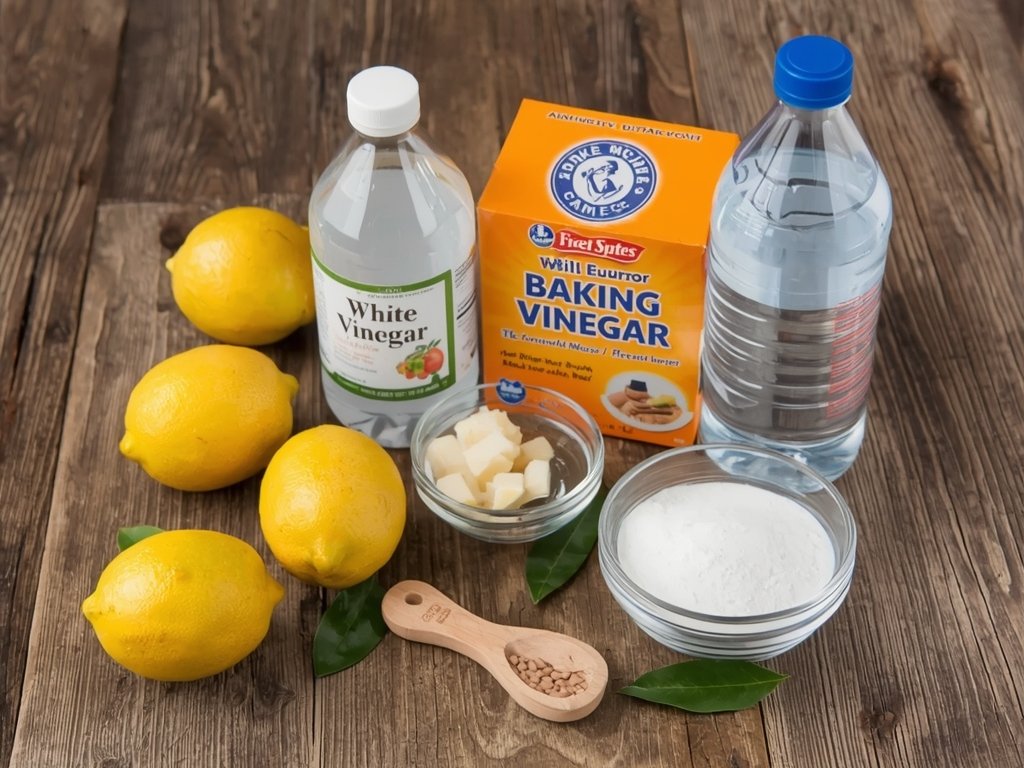
To descale your coffee maker naturally, you’ll need a few simple ingredients that you probably already have in your pantry. Here’s what to gather:
- White vinegar: A mild acid that dissolves mineral deposits
- Lemon juice: A natural cleaner with a fresh scent
- Baking soda: A gentle abrasive to help remove stubborn buildup
- Distilled water: To rinse away any residue
The Step-by-Step Guide to Natural Descaling
Preparing Your Coffee Maker
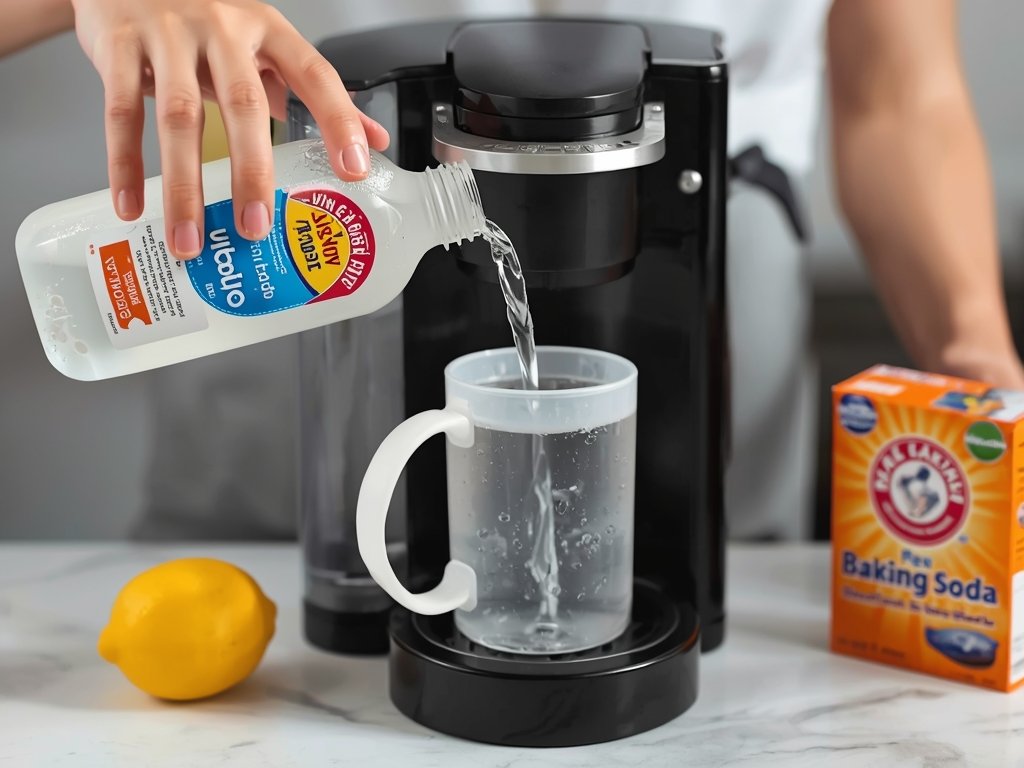
Before you begin, make sure your coffee maker is unplugged and cooled down. Remove any leftover coffee grounds and filters, and give the machine a quick rinse with warm water. This will help loosen any debris and make the descaling process more effective.
The Descaling Process
Now it’s time to get started. Follow these steps to descale your coffee maker naturally:
- Mix equal parts white vinegar and distilled water in a container.
- Pour the mixture into your coffee maker’s water reservoir.
- Add 1-2 tablespoons of lemon juice to the mixture for extra cleaning power.
- Run a brewing cycle with the vinegar solution, discarding the liquid as it brews.
- Repeat the process with a fresh batch of vinegar solution to ensure thorough descaling.
Tackling Stubborn Buildup: Tips and Tricks

Removing Tough Stains
If your coffee maker has stubborn mineral deposits or stains, don’t worry. You can use a combination of baking soda and lemon juice to create a gentle abrasive cleaner. Mix 2-3 tablespoons of baking soda with enough lemon juice to form a paste, then apply it to the affected areas.
Cleaning the Exterior
While you’re descaling the interior of your coffee maker, don’t forget to clean the exterior. Use a soft cloth dampened with a mixture of distilled water and a few drops of lemon juice to wipe down the machine’s surface. This will remove any dust, grime, or coffee stains, leaving your coffee maker looking like new.
Rinsing and Rejoicing: Enjoying Your Freshly Descaled Coffee Maker

Final Rinse
After descaling, it’s crucial to rinse your coffee maker thoroughly to remove any residual vinegar or lemon juice. Run 2-3 brewing cycles with fresh distilled water, discarding the liquid each time. This will ensure that your next cup of coffee is free from any unwanted flavors.
Brewing the Perfect Cup
With your coffee maker now descaled and clean, it’s time to enjoy the fruits of your labor. Brew a fresh pot of coffee using your favorite beans and water, and savor the rich, smooth flavor. Whether you’re a fan of light roasts or dark, bold blends, a clean coffee maker will elevate your coffee experience to new heights.
FAQ: Your Descaling Questions Answered
How often should I descale my coffee maker?
It’s recommended to descale your coffee maker every 1-3 months, depending on the hardness of your water and how frequently you use the machine.
Can I use apple cider vinegar instead of white vinegar?
While apple cider vinegar can be used, it may leave a residual taste or odor. White vinegar is a better choice for descaling due to its milder scent and flavor.
Is it safe to use baking soda in my coffee maker?
Yes, baking soda is a gentle abrasive that’s safe to use in your coffee maker. Just be sure to rinse thoroughly afterward to avoid any residual taste.
Can I descale my coffee maker with just water?
While running water through your coffee maker can help flush out some mineral deposits, it’s not as effective as using a descaling solution. For best results, use a natural descaling agent like vinegar or lemon juice.
How do I know if my coffee maker needs descaling?
Signs that your coffee maker needs descaling include slower brewing times, uneven water flow, and a change in the taste or quality of your coffee. If you notice any of these issues, it’s time to descale your machine.

David handles the Kitchen Gear category, reviewing tools, equipment, and accessories that make cooking and food storage easier. His articles focus on practical recommendations for everyday home cooks.

← Previous
Vacuum Sealer Savings: 6-Month Test Reveals All
Next →
Blender vs Food Processor: Which Kitchen Tool Reigns Supreme?