Follow Me On Social Media!

The Great Kitchen Debate: Blenders vs. Food Processors
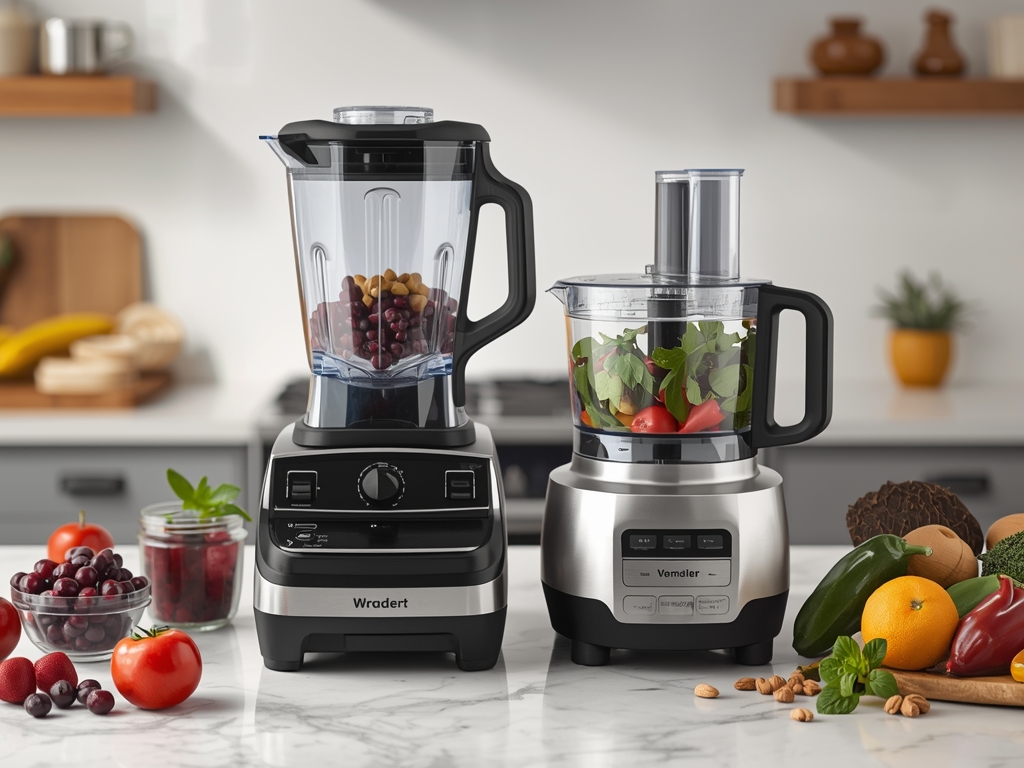
If you’re a home cook in the United States, you’ve likely found yourself staring at the small appliance section of your favorite store, wondering whether to invest in a high-speed blender or a food processor. Both seem like kitchen workhorses, but do you really need both? Let’s dive into the world of these two popular appliances and settle the debate once and for all.
What’s the Difference, Anyway?
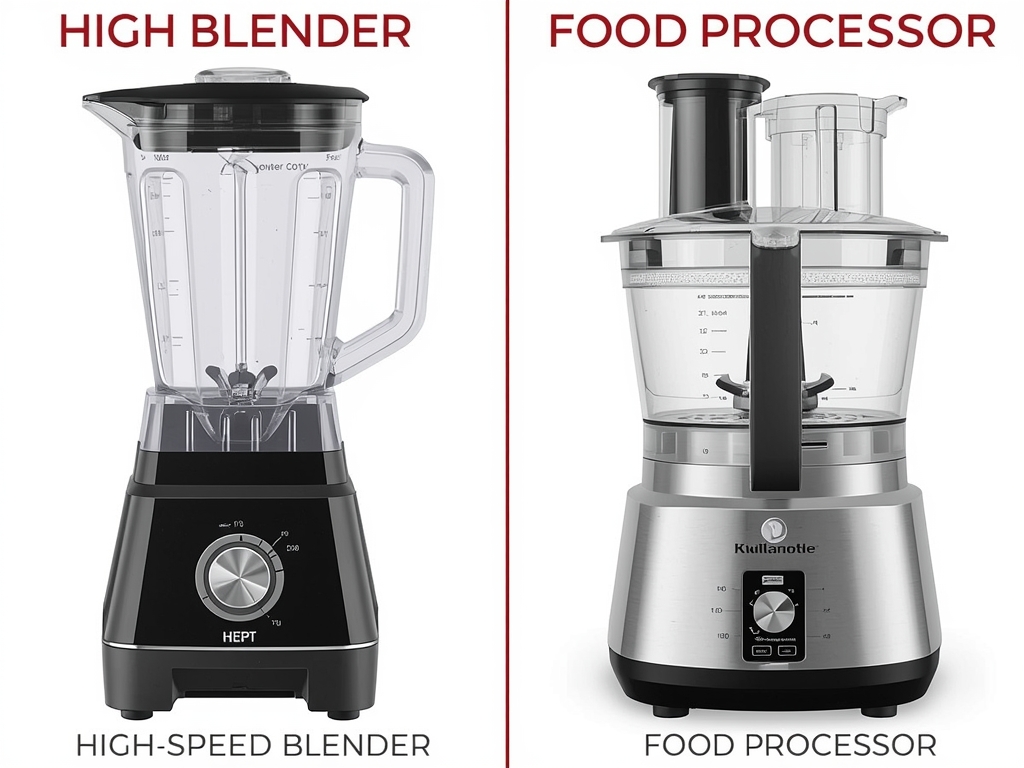
At first glance, high-speed blenders and food processors might seem interchangeable. However, they’re designed for different tasks. High-speed blenders, like the Vitamix or Blendtec, excel at creating smooth, uniform textures. They’re perfect for smoothies, soups, and nut milks.
Food processors, on the other hand, are all about precision cutting, slicing, and chopping. Think of them as your go-to for tasks like shredding cheese, slicing veggies, or making dough. Brands like Cuisinart and KitchenAid dominate this category.
The Smoothie Lover’s Dilemma
Why Blenders Reign Supreme for Smoothies
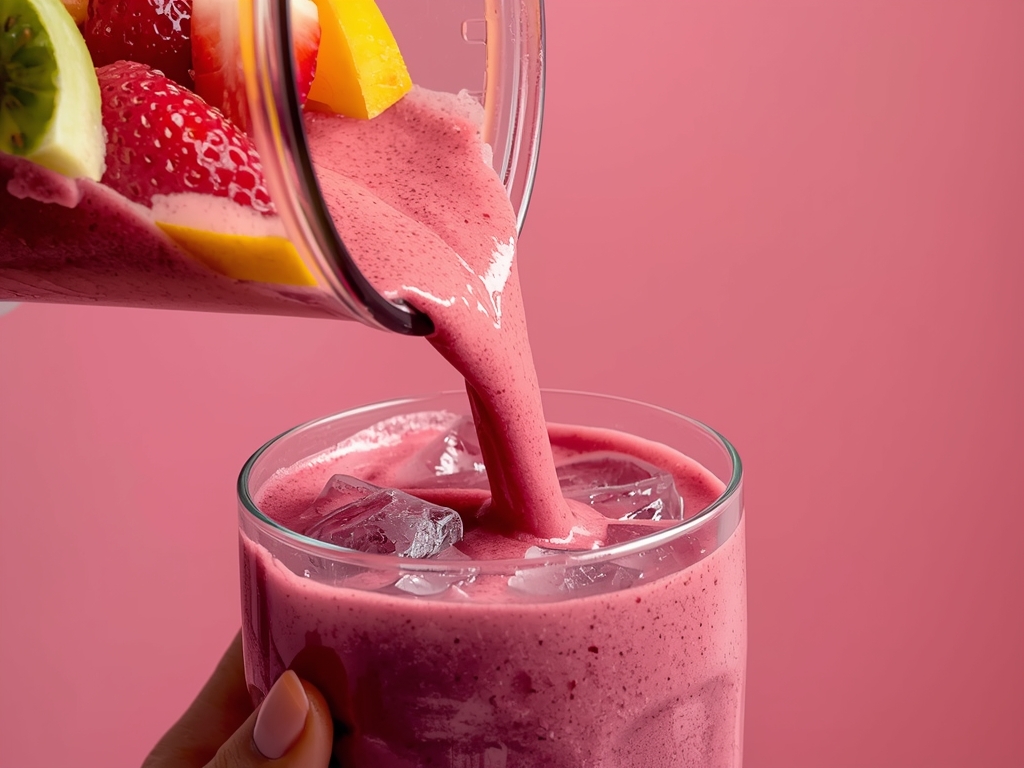
If you’re a smoothie enthusiast, a high-speed blender is a no-brainer. Their powerful motors and specially designed blades can handle frozen fruits, ice, and even tough ingredients like kale or beets. Imagine starting your day with a perfectly smooth, nutrient-packed smoothie – that’s the blender’s domain.
Can Food Processors Compete?
While food processors can technically make smoothies, the results often fall short. They tend to leave chunks and don’t achieve the same creamy consistency. If you’re team smoothie, a blender is your best bet.
The Chopping Block: Food Processor’s Time to Shine
When Precision Matters
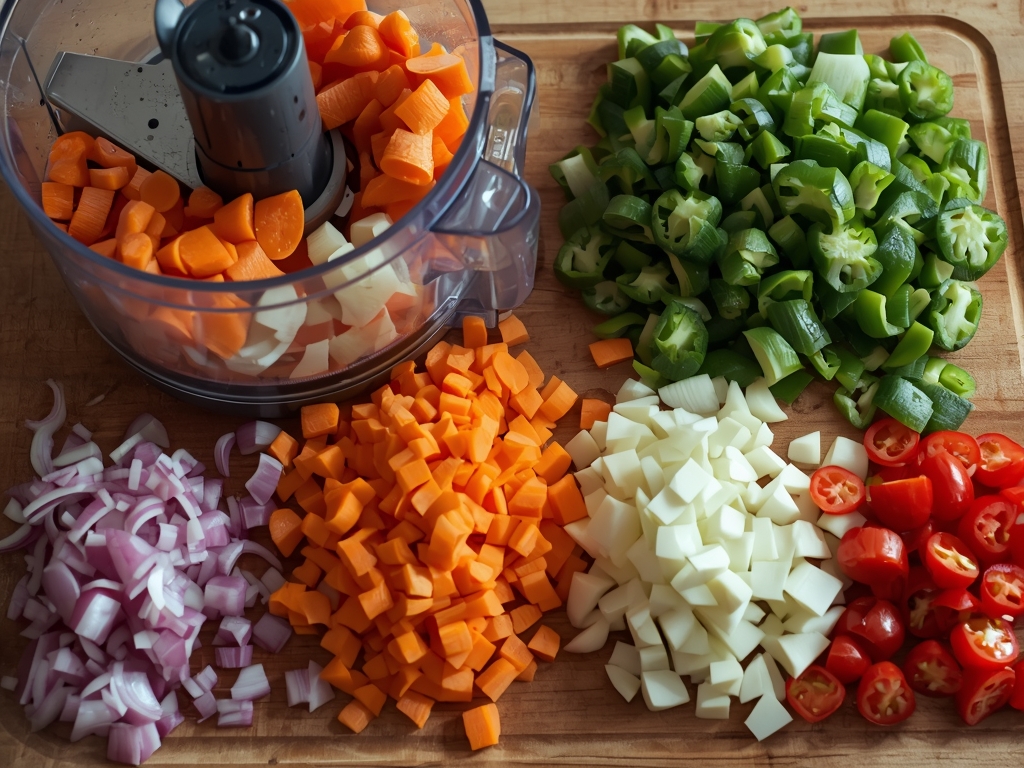
Food processors are the unsung heroes of meal prep. Need to chop onions without shedding a tear? Shredding cheese for taco night? A food processor can handle these tasks in seconds, saving you time and effort. They’re also great for making doughs, from pie crusts to pizza bases.
Blenders’ Limitations in Chopping
While some blenders come with chopping attachments, they often lack the precision and control of a dedicated food processor. If you frequently find yourself chopping, slicing, or shredding, a food processor will be your kitchen ally.
Space and Budget Considerations
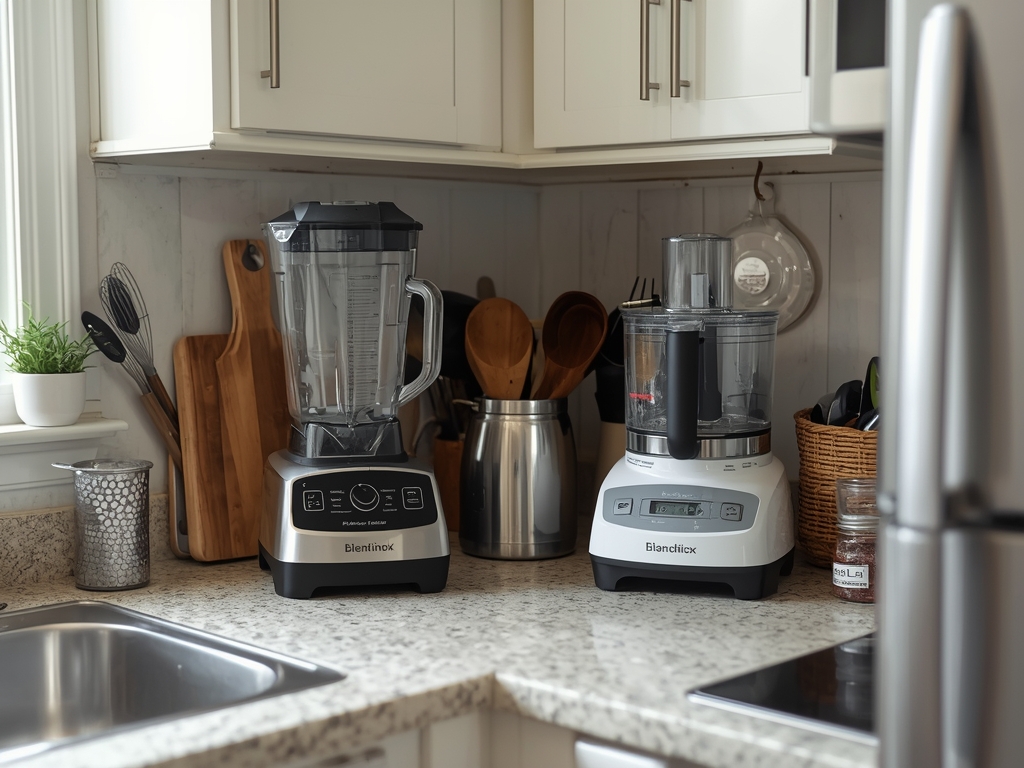
Counter Space Crunch
Let’s face it, not all of us have expansive kitchens. If counter space is at a premium, you’ll need to choose wisely. Both appliances are substantial, so consider which one aligns more with your cooking style.
Cost Factors
High-end models of both blenders and food processors can be pricey. If you’re on a budget, think about which appliance will get more use. For instance, if you’re into baking, a food processor might offer more value. Smoothie lovers, however, will likely prioritize a blender.
The Jack-of-All-Trades Approach
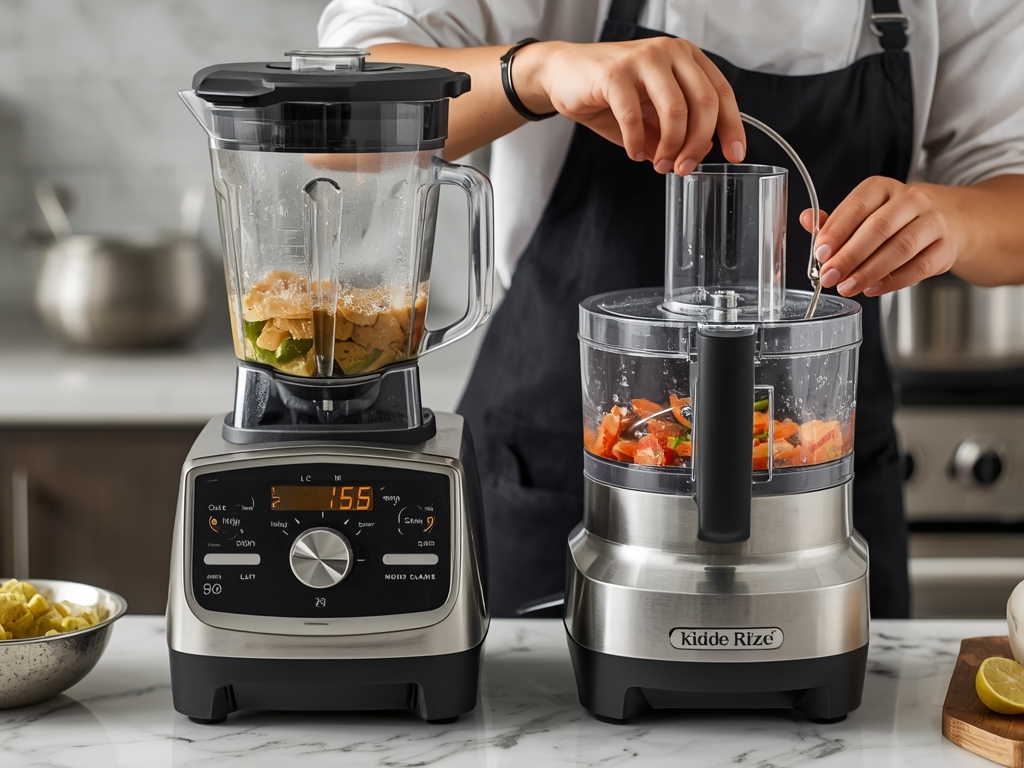
Combining Forces
For the ultimate kitchen setup, having both a high-speed blender and a food processor can be a game-changer. Think of the possibilities: whipping up a smoothie in the blender while your food processor chops veggies for a stir-fry. It’s a dream for those who love to cook and entertain.
Real-Life Scenarios
Consider your typical cooking routine. If you frequently host dinner parties or enjoy experimenting with complex recipes, having both appliances can streamline your prep work. However, if your cooking style is more straightforward, one appliance might suffice.
FAQ
Can I use a blender instead of a food processor for chopping?
While some blenders can handle chopping tasks, they often lack the precision of a food processor. For consistent results, especially with larger quantities, a food processor is recommended.
Which is better for making nut butter: a blender or a food processor?
High-speed blenders are generally better suited for making nut butter due to their powerful motors and ability to create smooth textures. Food processors can also make nut butter, but the process may take longer and yield a slightly grainier result.
Do I need both if I have a limited budget?
If budget is a concern, prioritize the appliance that aligns most with your cooking needs. For example, if you make smoothies daily, invest in a high-speed blender. If you frequently chop or slice ingredients, a food processor will be more useful.
Can I make dough in a blender?
Some high-speed blenders come with dough-making capabilities, but food processors are generally more efficient for this task. Their design allows for better incorporation of ingredients and easier removal of the dough.
Which appliance is easier to clean?
Both appliances have their cleaning challenges. Blenders often have fewer parts but require thorough cleaning to prevent residue buildup. Food processors have more components, but many are dishwasher-safe, making cleanup slightly easier.

David handles the Kitchen Gear category, reviewing tools, equipment, and accessories that make cooking and food storage easier. His articles focus on practical recommendations for everyday home cooks.

← Previous
Natural Coffee Maker Descaling: A Simple, Effective Guide
Next →
Knife Sharpness Test: Master the Paper Test Like a Pro