Follow Me On Social Media!

The Soggy Sponge Saga: A Tale as Old as Time
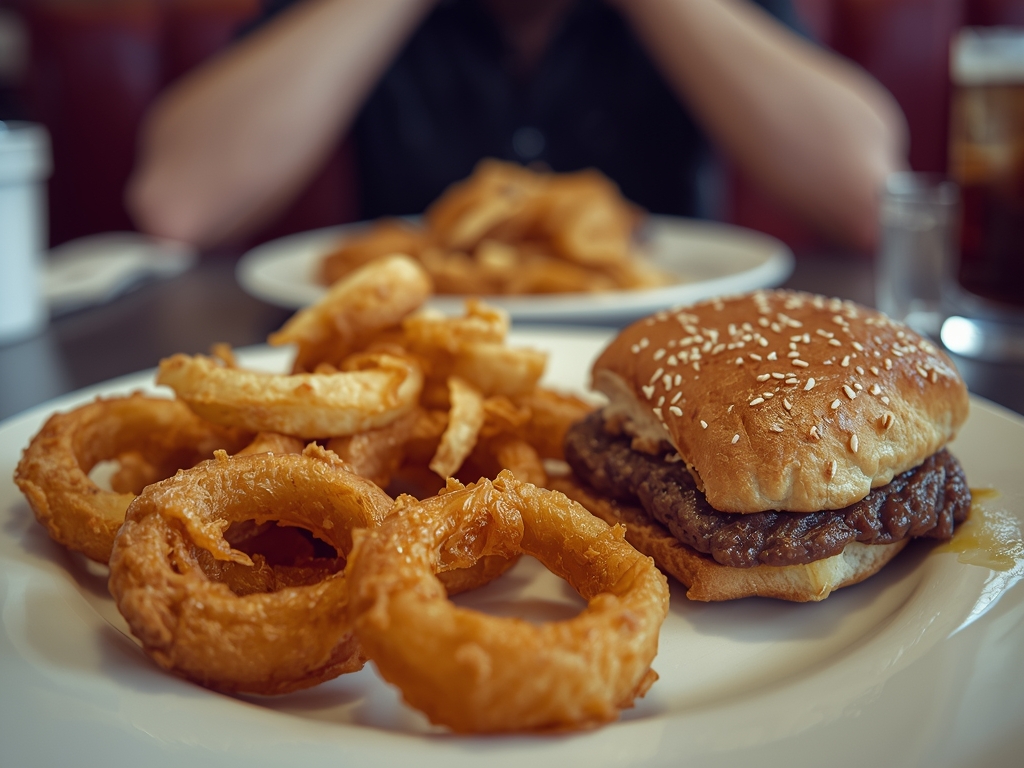
We’ve all been there – you’re at your favorite diner, eagerly awaiting that classic American comfort food combo: a juicy burger and a side of crispy onion rings. But when the plate arrives, your heart sinks. The onion rings are limp, greasy, and resemble nothing more than a soggy sponge. It’s a culinary tragedy that’s played out in diners and kitchens across the United States for generations.
But fear not, fellow food enthusiasts! In just 3 minutes, we’re going to uncover the secrets to achieving the perfect crispy onion rings – the kind that make you feel like you’re at a state fair, indulging in the ultimate deep-fried delight. Get ready to say goodbye to the “soggy sponge” disaster and hello to a new era of crispy, golden-brown goodness.
The Science Behind Crispiness: It’s All About the Batter
The Role of Dry Ingredients
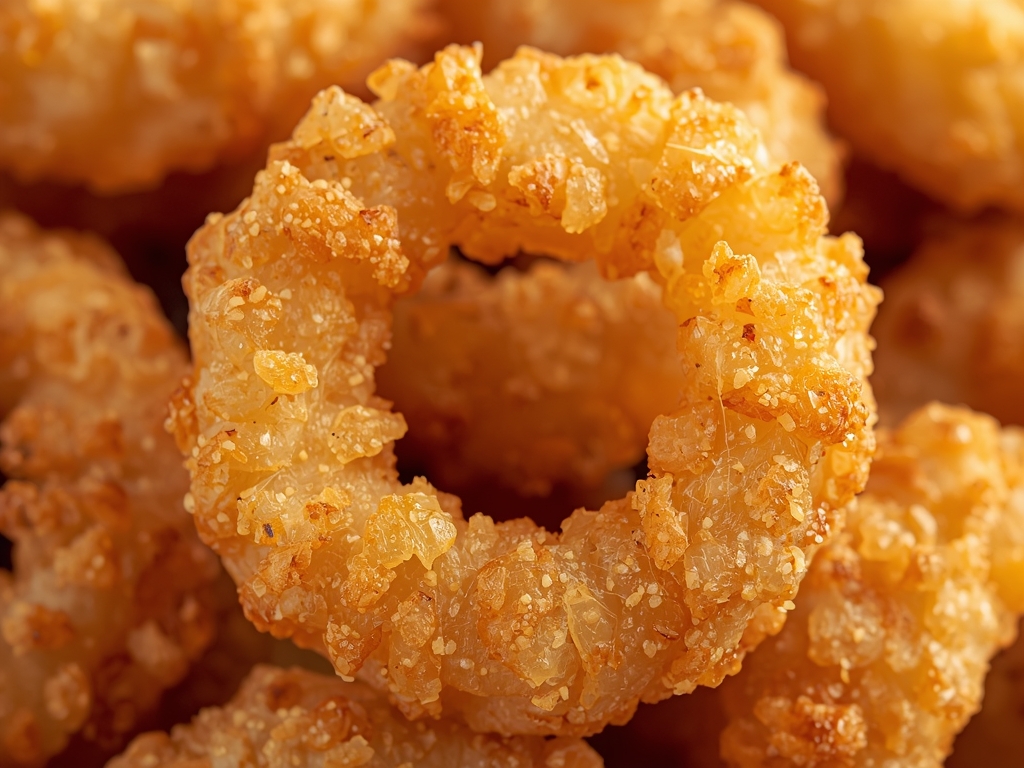
To understand how to achieve the perfect crispy onion rings, we need to delve into the science of deep-frying. The key to crispiness lies in the batter – specifically, the dry ingredients. A combination of flour, cornstarch, and a leavening agent (like baking powder) creates a light and airy coating that crisps up beautifully in hot oil.
The cornstarch, in particular, plays a crucial role in absorbing moisture from the onion, preventing it from migrating into the batter and causing sogginess. Think of it as a barrier between the onion and the batter, ensuring that each component stays distinct and delicious.
Wet Ingredients: The Glue That Binds
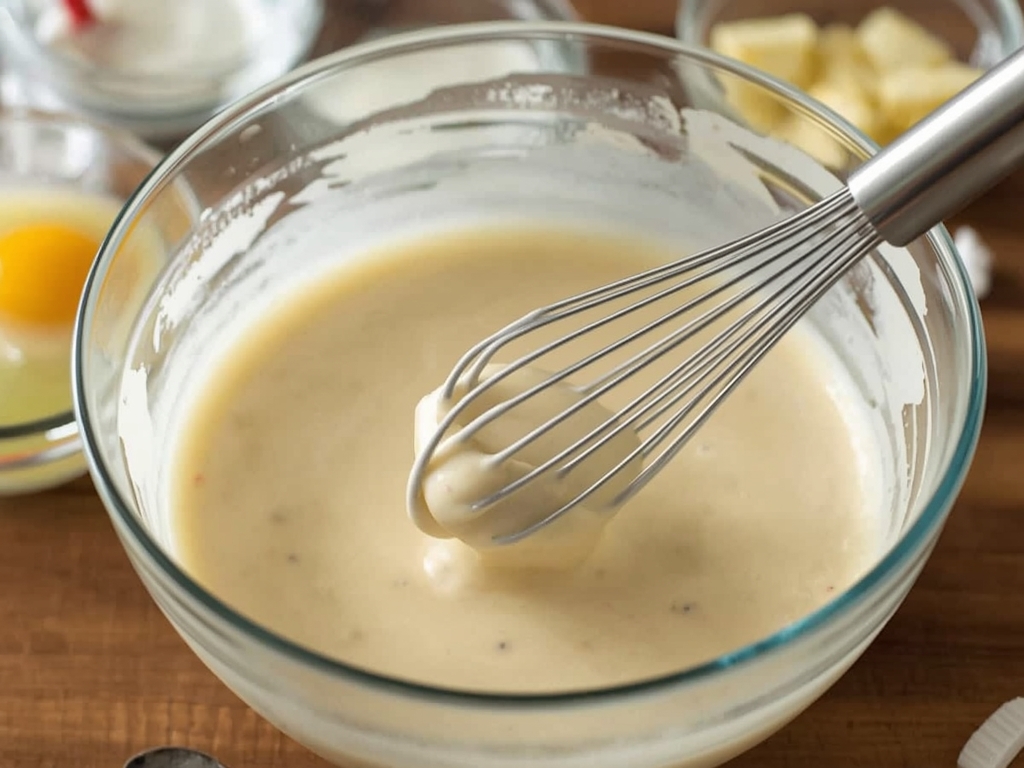
While the dry ingredients provide structure, the wet ingredients (like egg, milk, or buttermilk) act as the glue that binds everything together. They also contribute to the overall flavor and texture of the batter. A well-balanced wet-to-dry ratio is essential for achieving the perfect consistency – not too thick, not too thin.
Experimenting with different types of milk (whole, buttermilk, or even beer) can also add depth of flavor and tenderness to the batter. Just be mindful of the acidity levels, as too much acid can cause the batter to curdle or become too thin.
The Art of the Double Dip: A Crispy Onion Ring Secret
The Benefits of a Double Dip
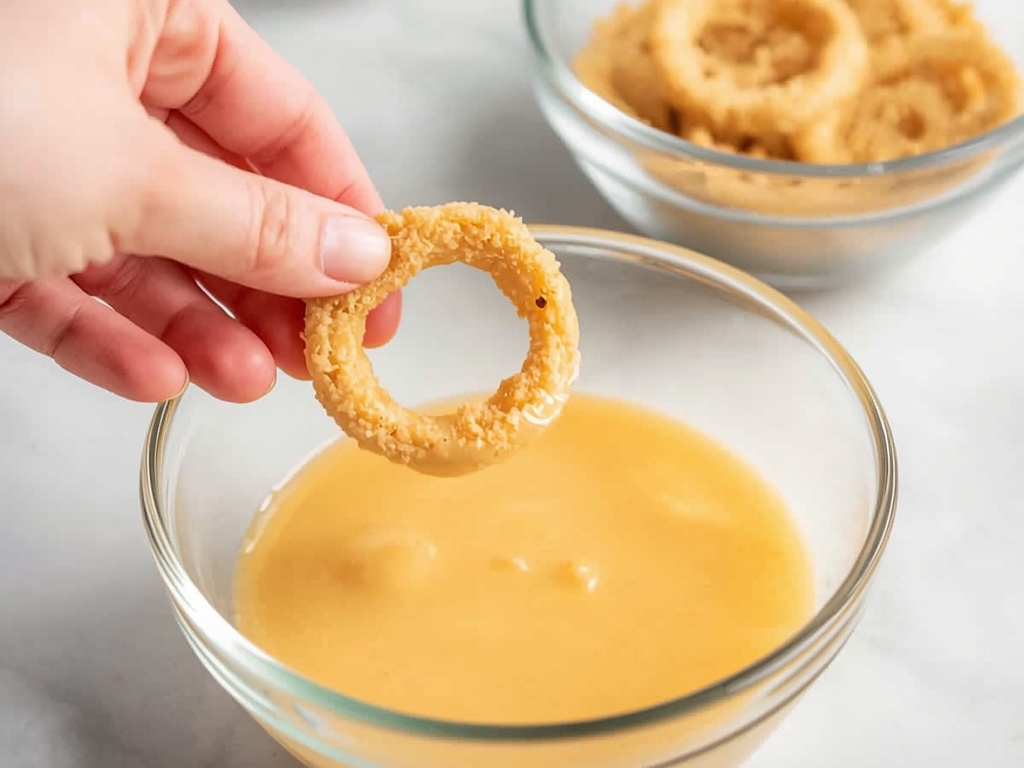
One of the secrets to achieving extra-crispy onion rings is the double dip. This technique involves dipping the onion ring into the batter, then into a breading mixture (like panko or seasoned breadcrumbs), and finally back into the batter before frying. This creates an extra layer of crispiness and helps to seal in the moisture from the onion.
The double dip also allows for more creative flavor combinations. Try adding spices, herbs, or even cheese to the breading mixture for a unique twist on the classic onion ring. Just be sure to season the batter and breading mixture separately to ensure a balanced flavor profile.
Breading Options: Beyond the Basic Crumb
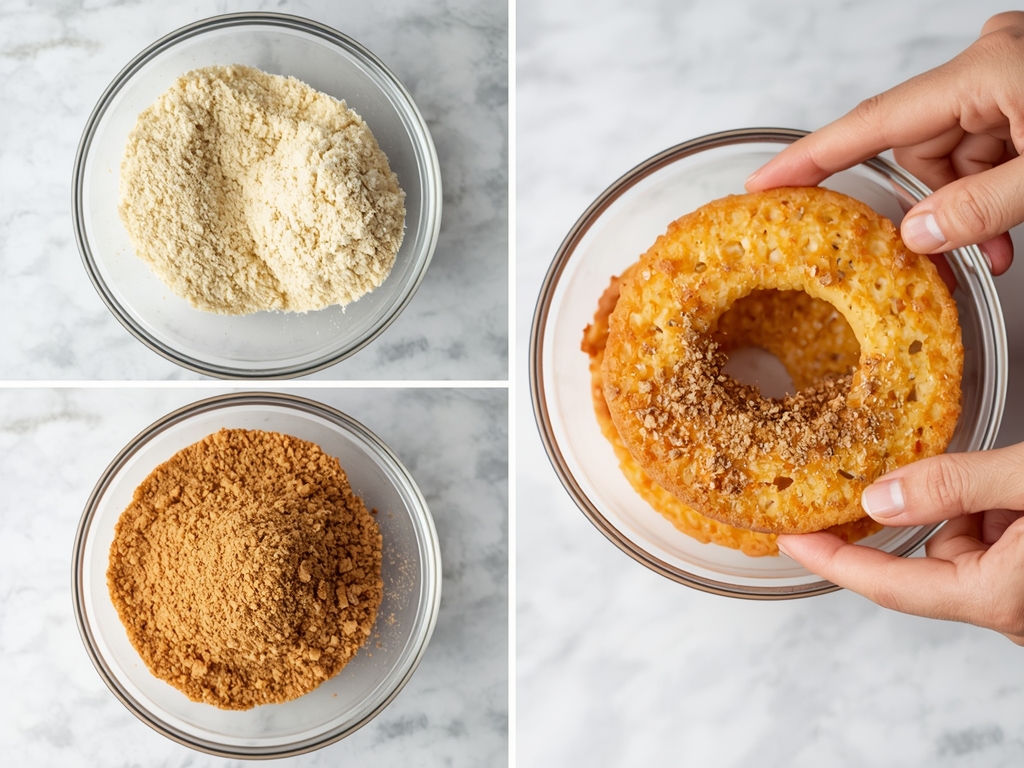
When it comes to breading, the options are endless. Panko breadcrumbs, with their coarse texture, create a light and crispy coating. Seasoned breadcrumbs, on the other hand, add flavor and color. Crushed crackers or cornflakes can also be used for a unique texture and taste.
For a truly American twist, try using crushed potato chips or pretzels as a breading option. The salty, crunchy exterior pairs perfectly with the sweet, tender onion interior. Just be sure to pulse the chips or pretzels in a food processor to create a fine crumb consistency.
Frying Techniques: The Key to Golden-Brown Perfection
Oil Temperature: The Make-or-Break Factor
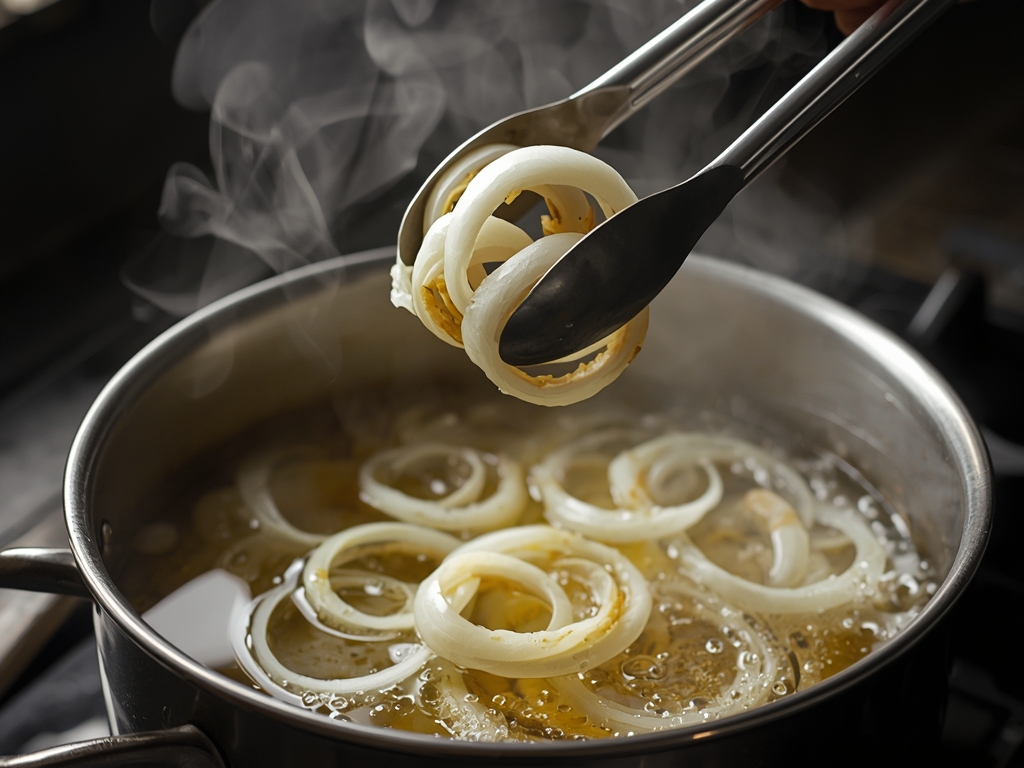
The temperature of the oil is critical when it comes to deep-frying onion rings. If the oil is too cold, the rings will absorb excess oil and become greasy. If it’s too hot, the exterior will burn before the interior has a chance to cook through.
Aim for an oil temperature of around 375°F (190°C). Use a candy thermometer or a deep-fry thermometer to monitor the temperature, and adjust the heat as needed. Be patient – it’s better to wait for the oil to reach the correct temperature than to rush and end up with subpar results.
Frying in Batches: The Secret to Even Cooking
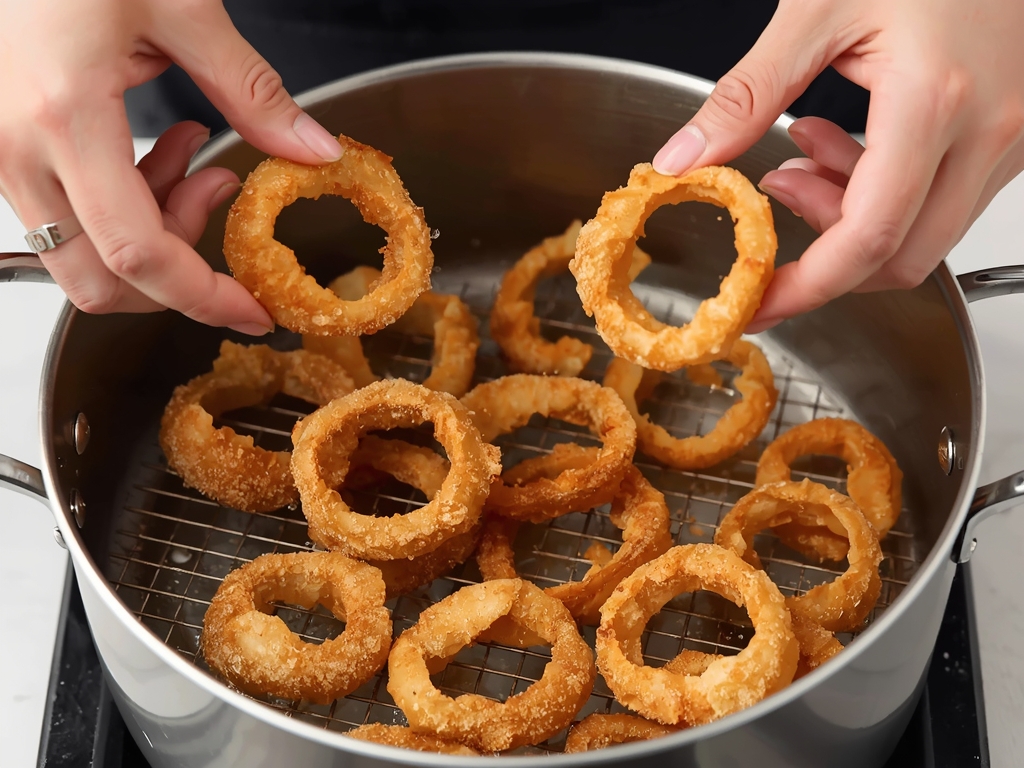
To ensure even cooking and prevent crowding, fry the onion rings in small batches. Overcrowding the pot can cause the oil temperature to drop, resulting in greasy, undercooked rings. It can also lead to the rings sticking together, making it difficult to achieve a uniform golden-brown color.
Use a wire rack or a plate lined with paper towels to drain the excess oil from the fried rings. This will help to maintain their crispiness and prevent them from becoming soggy. And don’t forget to season the rings with a pinch of salt while they’re still hot – it’ll enhance the flavor and give them that classic diner-style taste.
Regional Twists: Putting a Local Spin on a Classic
Texas-Style Onion Rings: Big and Bold
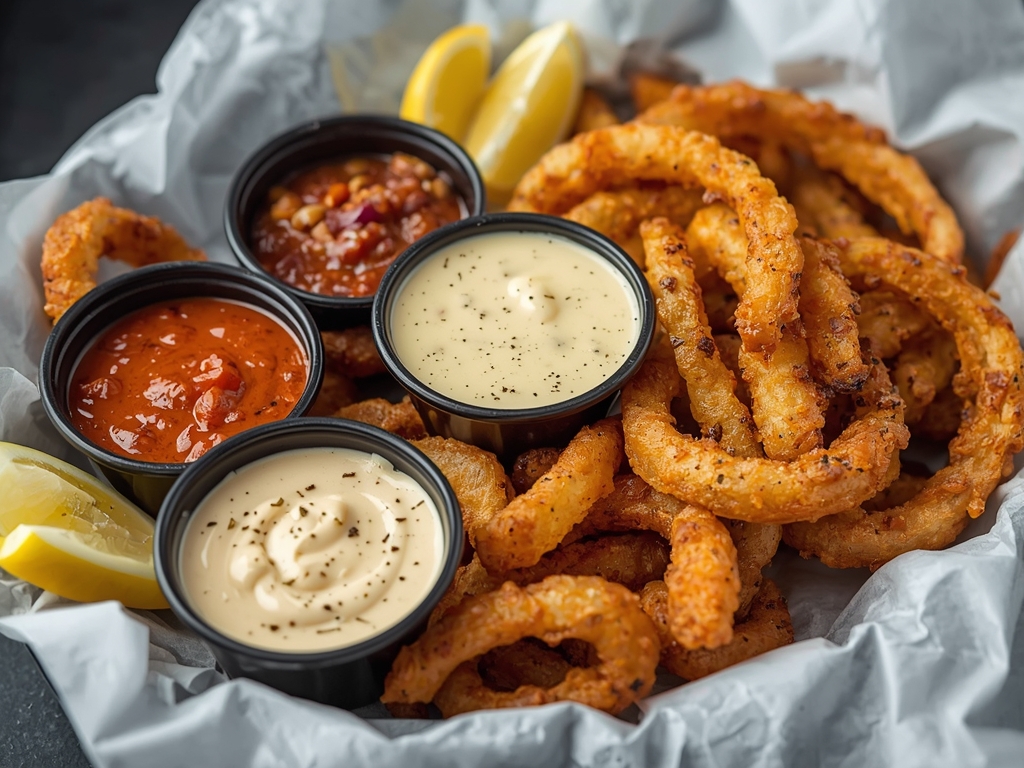
In Texas, everything’s bigger – including the onion rings. Try using large, sweet onions (like Vidalia or Texas 1015) and a bold, spicy batter made with chili powder, cumin, and a touch of cayenne. Serve them with a side of Texas-style chili or a cool, creamy avocado dip to balance out the heat.
For an extra indulgent twist, add a slice of pepper jack cheese to the center of each onion ring before frying. The melted cheese will create a gooey, decadent center that’s sure to satisfy even the most discerning Texan taste buds.
New England-Style: A Coastal Twist
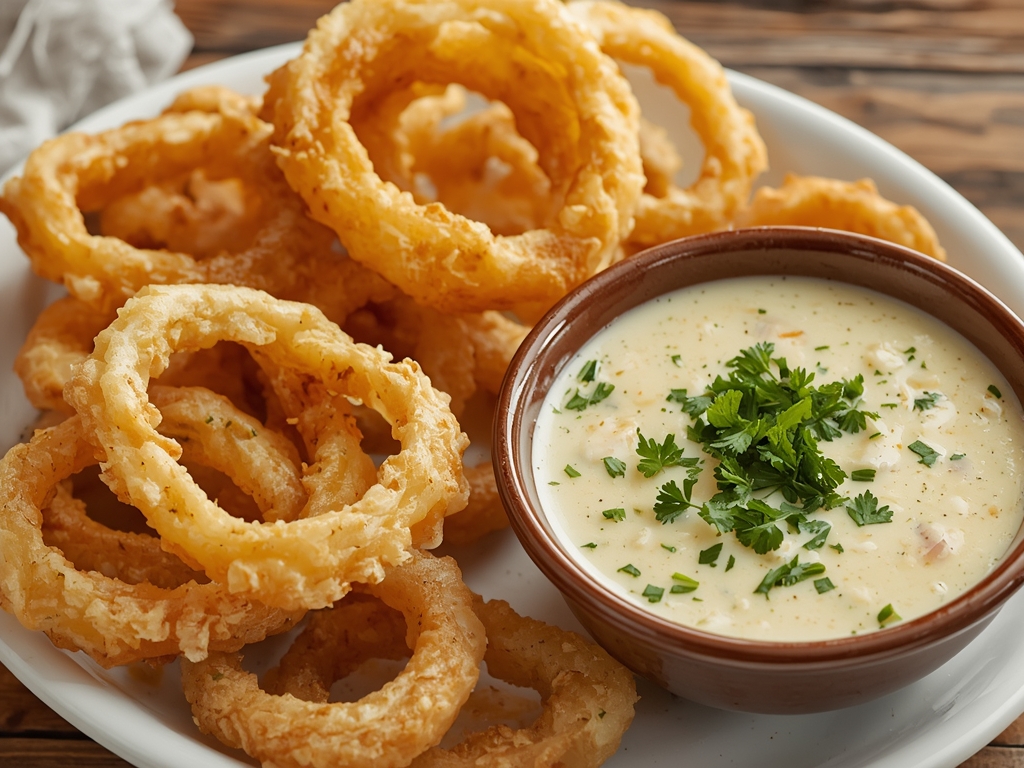
In New England, seafood is king – so why not incorporate it into your onion rings? Try using a batter made with local beer (like a crisp IPA or a malty brown ale) and a breading mixture that includes crushed oyster crackers. Serve the rings with a side of New England-style clam chowder or a tangy tartar sauce for dipping.
For a truly coastal experience, add a sprinkle of Old Bay seasoning to the batter or breading mixture. The distinctive blend of spices will transport you straight to the shores of Cape Cod or the rocky coast of Maine.
FAQ
Can I use a different type of onion for my onion rings?
Absolutely! While sweet onions (like Vidalia or Walla Walla) are a popular choice, you can experiment with other varieties like yellow, white, or even red onions. Just be aware that the flavor and texture may vary, so adjust your batter and seasoning accordingly.
How can I reheat leftover onion rings without losing their crispiness?
The best way to reheat onion rings is in a preheated oven at 400°F (200°C) for 5-7 minutes. Place them on a wire rack set over a baking sheet to allow air to circulate and prevent them from becoming soggy. Avoid using the microwave, as it can make the rings limp and rubbery.
Can I make onion rings without deep-frying?
Yes, you can! Try baking your onion rings in a preheated oven at 425°F (220°C) for 15-20 minutes, flipping them halfway through. While they won’t be as crispy as their deep-fried counterparts, they’ll still be delicious and a healthier alternative.
What’s the best oil for deep-frying onion rings?
A neutral oil with a high smoke point, like vegetable, canola, or peanut oil, is ideal for deep-frying onion rings. Avoid using olive oil or other oils with a low smoke point, as they can burn and impart an unpleasant flavor.
How can I make my onion rings extra crispy?
In addition to the double dip technique, try adding a small amount of vodka or club soda to your batter. The carbonation will create tiny air pockets, resulting in a lighter, crispier texture. Just be sure to use a light hand – too much liquid can make the batter too thin.

Marco covers the Reheat Pro category on TwiceTasty, focusing on reheating techniques and texture preservation. His articles help home cooks bring leftovers back to life with the right methods for every type of food — from crispy fried chicken to creamy pastas.