Follow Me On Social Media!

The Great Pizza Debate: Stone or Steel?

If you’re a pizza enthusiast, you’ve likely pondered the age-old question: what’s the secret to achieving that perfect, pizzeria-style pie at home? The debate between baking stones and steel surfaces has raged on, with passionate advocates on both sides. Let’s dive into the world of pizza craftsmanship and uncover the truth behind these cooking methods.
The Rise of Home Pizza Making

In recent years, the art of pizza making has become a beloved pastime for many Americans. With the rise of foodie culture and the desire for restaurant-quality meals at home, it’s no surprise that pizza enthusiasts are seeking the ultimate cooking surface.
Whether you’re a New Yorker swearing by thin, crispy crusts or a Chicago deep-dish devotee, the right baking surface can make all the difference. So, let’s explore the contenders: baking stones and steel.
Baking Stones: Ancient Wisdom for Modern Pizzas

A Time-Honored Tradition
Baking stones have been used for centuries, dating back to ancient civilizations. These flat, often circular stones are designed to mimic the traditional brick ovens of Italy, where pizza-making originated.
The concept is simple: the stone absorbs and retains heat, creating a hot, even surface for baking. This method promises a crispy, golden crust and a perfectly cooked pizza.
Benefits of Baking Stones
- Even Cooking: Stones distribute heat uniformly, ensuring your pizza cooks consistently.
- Crispy Crust: The porous nature of stones absorbs moisture, resulting in a crispier base.
- Authentic Flavor: Many pizza purists believe stones impart a unique, traditional taste.
Considerations
While baking stones offer a classic approach, they do require some care. Preheating is essential, and they can be heavy and fragile. Additionally, stones may not reach the extremely high temperatures some pizza enthusiasts crave.
Steel: The Modern Pizza Revolution

A Contemporary Twist
Enter the era of steel baking surfaces, a relatively newer player in the pizza game. Steel plates or pans offer a different set of advantages, appealing to those seeking a more modern approach.
Steel’s excellent heat conductivity allows for rapid temperature changes, making it ideal for achieving those coveted leopard spots on your pizza crust.
Why Steel is Gaining Popularity
- High Heat: Steel can withstand and distribute extremely high temperatures, perfect for quick cooking.
- Durability: It’s virtually indestructible and requires minimal maintenance.
- Versatility: Steel surfaces can be used on various heat sources, from ovens to grills.
The Steel Experience
Steel provides a unique cooking experience, allowing for more control over the baking process. It’s a favorite among those who enjoy experimenting with different pizza styles and techniques.
The Battle of the Crusts
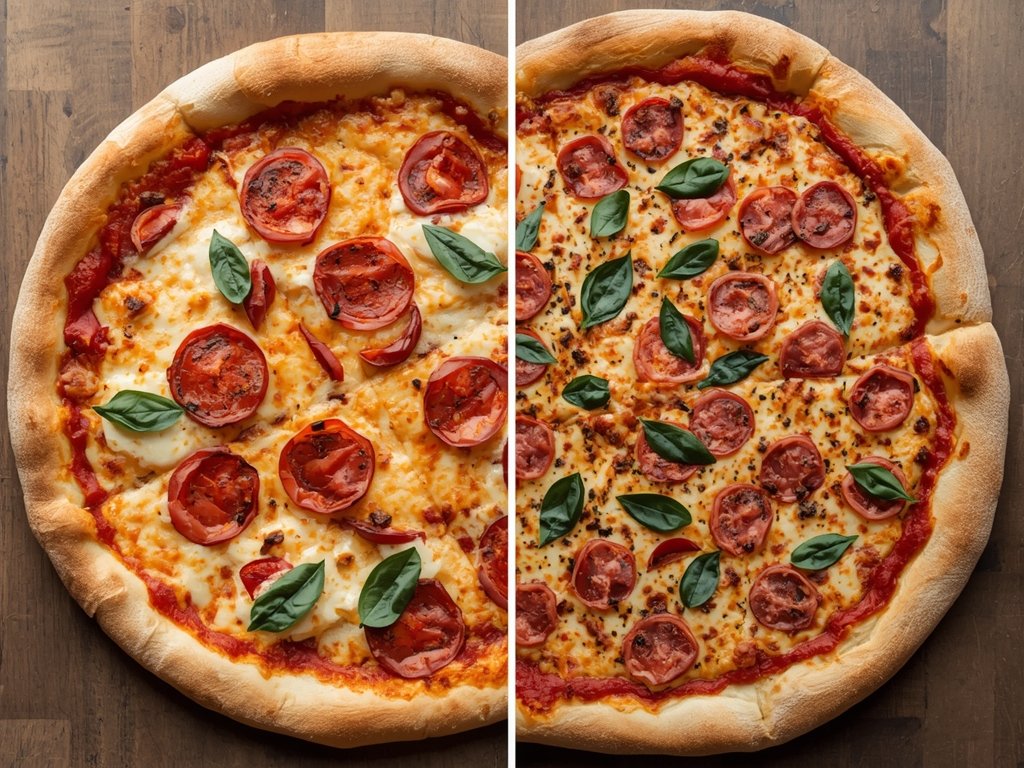
The heart of the matter lies in the crust. Pizza lovers have strong preferences when it comes to texture and taste.
Baking stones tend to produce thinner, crispier crusts, reminiscent of classic Neapolitan pizzas. Steel, on the other hand, can create a chewier, more substantial base, often preferred by those who enjoy a heartier bite.
Texture and Taste Test
In a blind taste test, pizza aficionados might notice subtle differences. Stone-baked pizzas often have a more delicate, airy crust, while steel-baked pies can offer a satisfying chewiness.
The choice ultimately depends on personal preference and the style of pizza you’re aiming to create.
Practical Considerations for Home Cooks
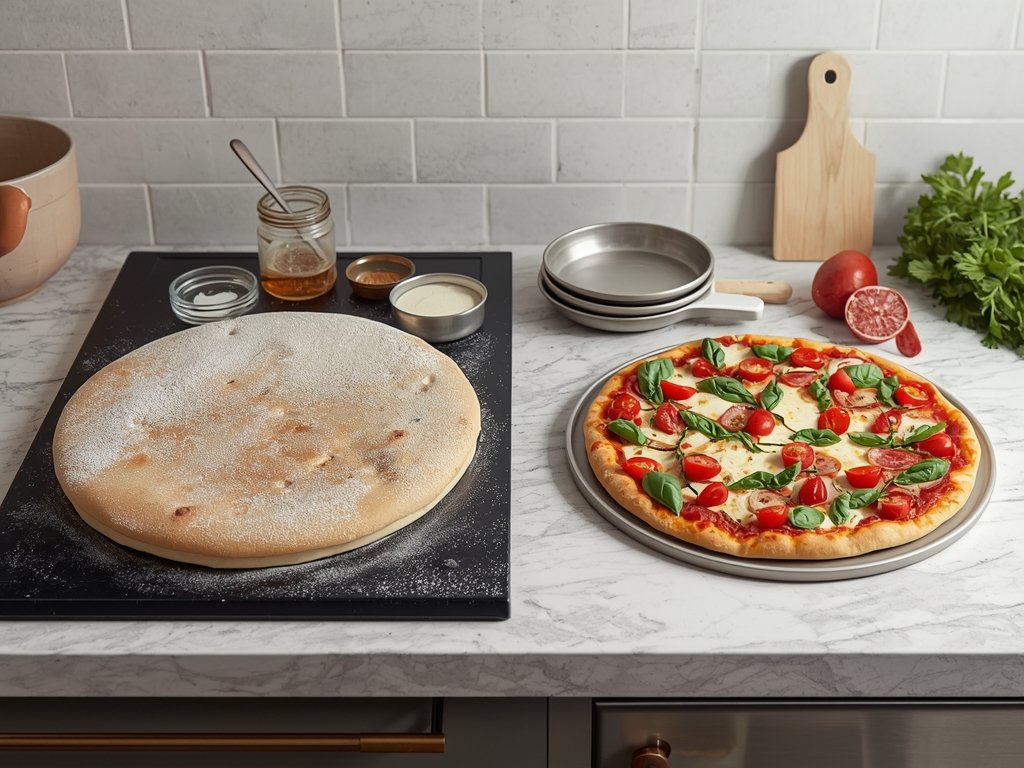
Ease of Use and Maintenance
For the everyday home cook, practicality is key. Baking stones require careful handling and preheating, while steel surfaces are more forgiving and easier to maintain.
Steel’s durability means it can withstand high temperatures without cracking, making it a low-maintenance option.
Cost and Accessibility
Baking stones can vary in price, with some high-end options being quite expensive. Steel plates, however, are generally more affordable and widely available.
Consider your budget and how often you plan to use your pizza-making setup when making your choice.
FAQ: Your Pizza Queries Answered
Which is better for beginners, stone or steel?
For novice pizza makers, steel might be more forgiving. Its even heat distribution and durability make it easier to work with, allowing beginners to focus on perfecting their dough and topping techniques.
Can I use these methods for other baked goods?
Absolutely! Both stones and steel surfaces are versatile. You can use them for baking bread, cookies, and even grilling vegetables, making them valuable additions to any home cook’s arsenal.
How do I clean and care for my pizza surface?
Baking stones should be brushed clean and never soaked in water. Steel plates can be scrubbed with a mild detergent and dried thoroughly. Proper care will ensure the longevity of your pizza-making tools.
What’s the ideal temperature for pizza perfection?
This varies depending on your preferred style. For a classic Neapolitan pizza, aim for around 750°F-800°F. American-style pizzas can be cooked at slightly lower temperatures, around 500°F-550°F.
Can I use these methods on a grill?
Yes, both stones and steel can be used on grills, adding a smoky flavor to your pizzas. Just ensure your grill can reach the required temperatures and adjust cooking times accordingly.

David handles the Kitchen Gear category, reviewing tools, equipment, and accessories that make cooking and food storage easier. His articles focus on practical recommendations for everyday home cooks.

← Previous
Waffle Maker Magic: Paninis, Hashbrowns & Beyond
Next →
Declutter Your Kitchen: 5 Utensils You Can Toss Today