Follow Me On Social Media!

Mandoline Slicer Safety: Slice with Confidence, Not Cuts
Slice Like a Pro: Mastering the Mandoline Without the ER Visit
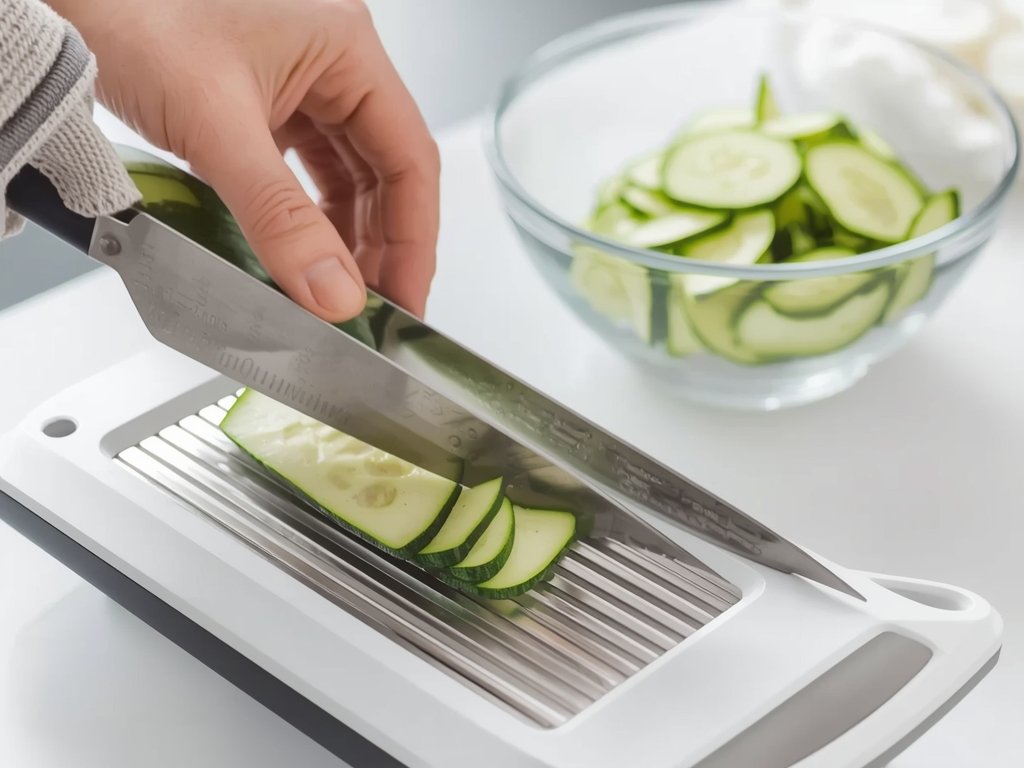
Let’s face it, mandoline slicers are like the sports cars of the kitchen – powerful, precise, and a little intimidating. They can transform humble veggies into paper-thin masterpieces, but one wrong move and you’re nursing a bandaid instead of a gourmet meal. Fear not, fellow foodies! With the right safety gear and techniques, you can harness the mandoline’s magic without sacrificing your digits.
Gear Up: Your Mandoline Safety Arsenal

Before you start slicing and dicing like a Top Chef contestant, suit up with these must-have safety essentials:
- Cut-Resistant Gloves: Think of these as your kitchen kevlar. Look for gloves with a high EN388 cut resistance rating (Level 5 is ideal) and a snug, comfortable fit.
- Safety Guard: Most mandolines come with a handy food holder or safety guard. Use it religiously – it keeps your fingers safely away from the blade while securely gripping your veggies.
- Sturdy Cutting Board: A wobbly board is a recipe for disaster. Invest in a heavy, non-slip cutting board that provides a stable base for your mandoline.
Technique Matters: Slicing with Confidence
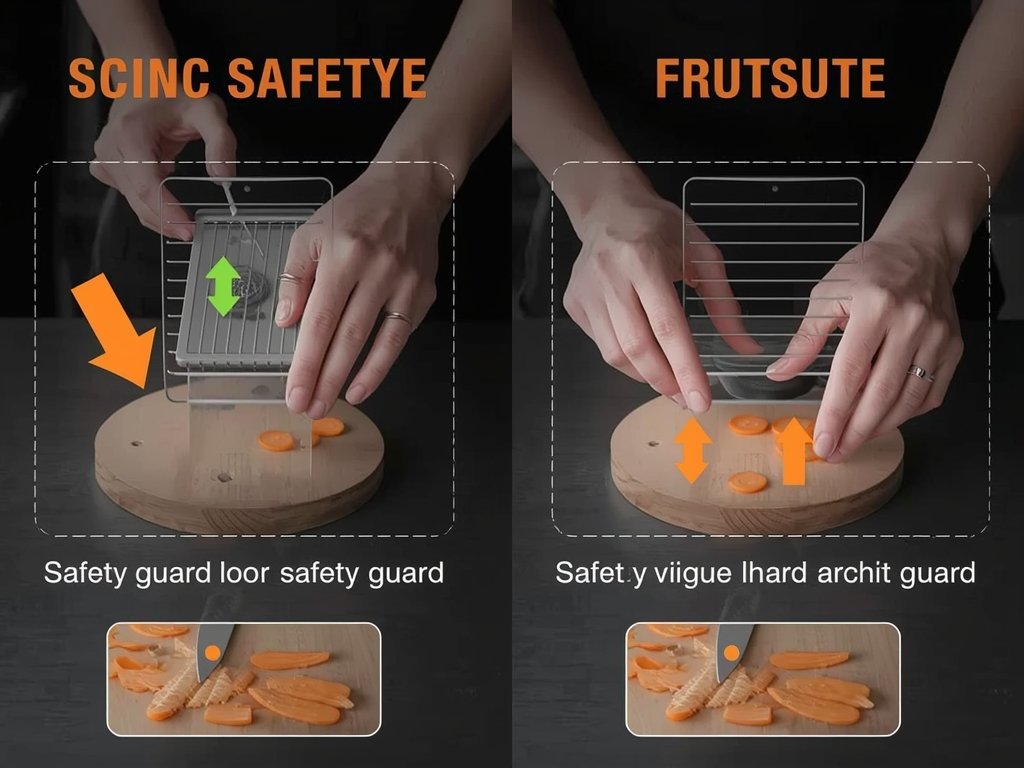
Even with the best gear, technique is key to mandoline mastery. Follow these tips to slice like a pro:
- Start Slow: Resist the urge to rush. Take your time, especially when you’re first getting the hang of it.
- Angle Matters: Hold your veggie at a slight angle to the blade for more control and precision.
- Firm Grip: Whether using the safety guard or your gloved hand, maintain a firm grip on your food at all times.
Common Mistakes to Avoid
Even seasoned cooks can fall prey to these mandoline missteps:
- Skipping the Safety Gear: “It won’t happen to me” is a dangerous mantra in the kitchen.
- Using Dull Blades: A dull blade requires more pressure, increasing the risk of slips.
- Overreaching: Keep your mandoline close to the edge of your counter to avoid awkward angles.
Mandoline Magic: Recipes to Impress

Now that you’re a mandoline master, it’s time to show off your skills. These recipes will have your guests wondering if you secretly attended culinary school:
- Paper-Thin Potato Chips: Slice potatoes wafer-thin, fry until golden, and sprinkle with sea salt for the ultimate snack.
- Zucchini Ribbons: Create delicate zucchini ribbons, toss with lemon and olive oil, and top with shaved parmesan for a refreshing salad.
- Beetroot Carpaccio: Thinly slice beets, arrange on a plate, and drizzle with balsamic glaze and crumbled goat cheese for a stunning appetizer.
Maintenance and Care: Keeping Your Mandoline in Top Shape
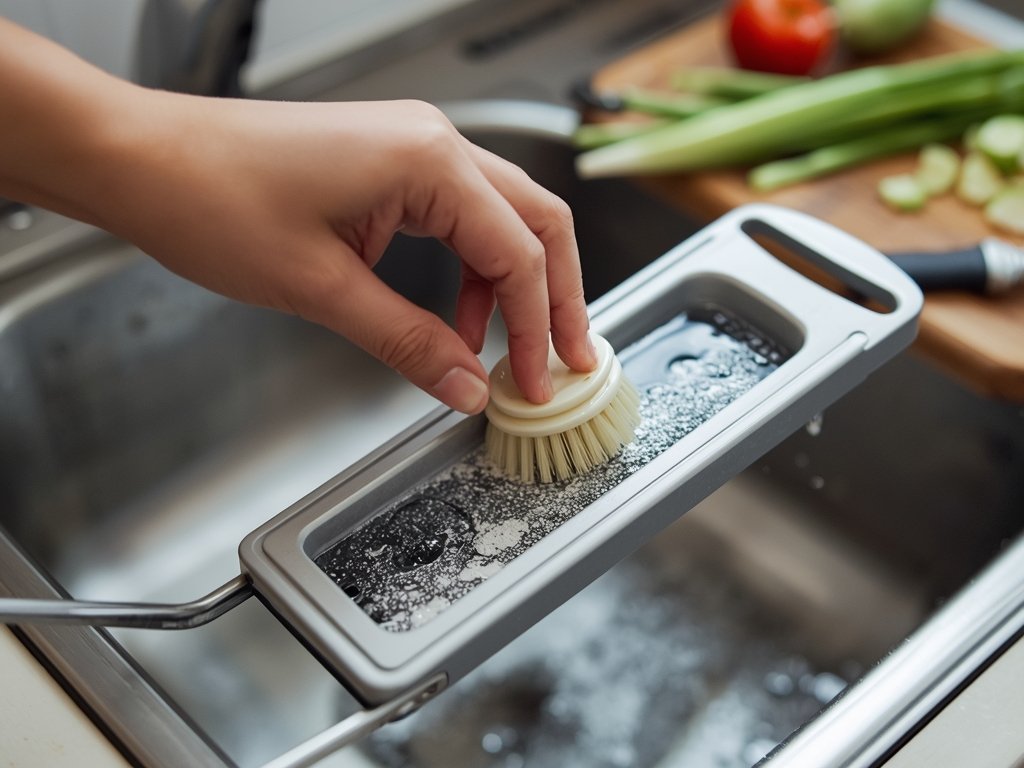
Proper care will ensure your mandoline remains a trusted kitchen companion for years to come:
- Clean Immediately: Food debris can dull the blade and harbor bacteria. Wash your mandoline by hand after each use.
- Store Safely: Keep your mandoline in a secure place, blade side down, and out of reach of children.
- Regularly Inspect: Check for any signs of wear or damage, and replace parts as needed.
FAQ: Your Mandoline Questions Answered
Can I use a mandoline without a cut-resistant glove?
While it’s possible, it’s not recommended. Cut-resistant gloves provide an essential layer of protection and significantly reduce the risk of injury.
How do I choose the right mandoline slicer?
Consider factors like blade sharpness, adjustability, and ease of cleaning. Look for models with sturdy construction and positive reviews from verified purchasers.
What’s the best way to slice small or oddly shaped vegetables?
Use the safety guard or a small piece of food to hold onto, keeping your fingers safely away from the blade. For very small items, consider using a different tool, like a knife or food processor.
How often should I replace my mandoline blade?
With regular use, mandoline blades can last for years. However, if you notice decreased sharpness or difficulty slicing, it may be time for a replacement.