Follow Me On Social Media!

Reheat Dim Sum Like a Pro: Steamed vs. Fried Dumplings

Dim sum, a beloved Cantonese tradition, has captured the hearts and taste buds of food lovers across the United States. From the bustling streets of San Francisco’s Chinatown to the trendy eateries of New York City, these delicate bites are a culinary delight.
But what happens when you have leftover dim sum? Reheating steamed and fried dumplings can be a delicate process, and mastering it is essential for preserving their texture and flavor. Let’s embark on a journey to discover the secrets of dim sum mastery.
Steamed Dumplings: Delicate and Delicious
The Steaming Process
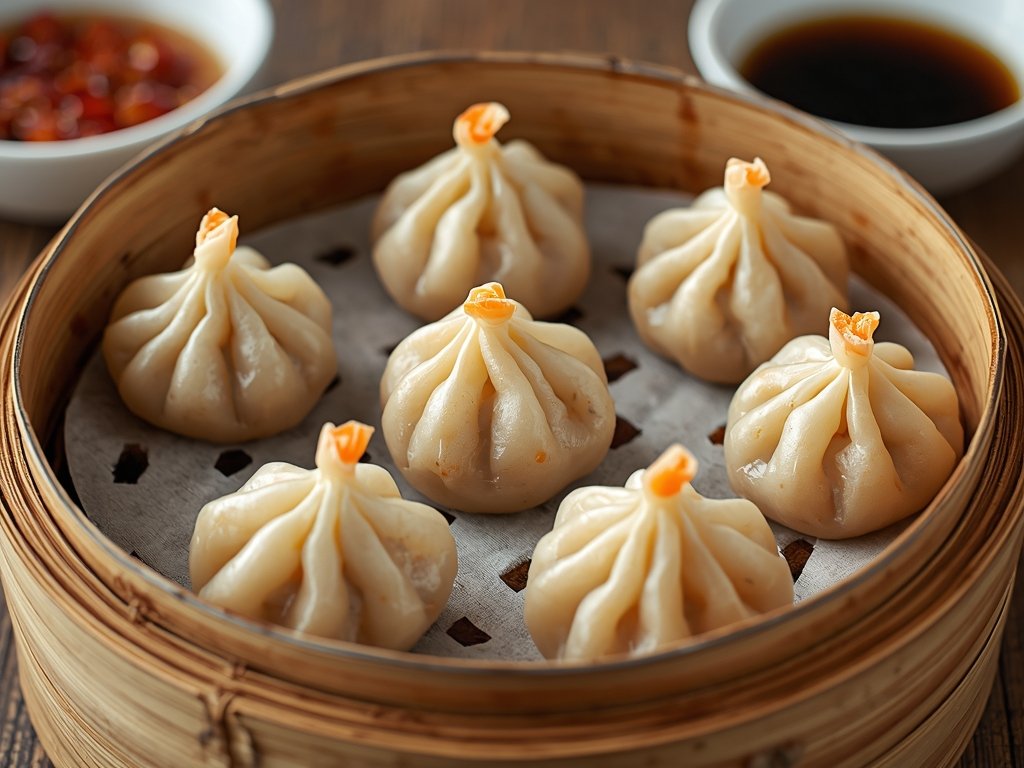
Steamed dumplings, like the iconic har gow (shrimp dumplings) and siu mai (pork and shrimp dumplings), are a dim sum staple. Their delicate wrappers and juicy fillings require a gentle reheating approach.
To reheat steamed dumplings, start by preparing your steamer. Fill a wok or pot with water and bring it to a rolling boil. Place the dumplings in a single layer on a heat-proof plate or steamer basket, ensuring they don’t touch each other.
The Perfect Steam
Once your steamer is ready, carefully place the dumplings inside, covering them with a lid. Steam for 3-5 minutes, depending on their size. The goal is to heat them through without overcooking, preserving their tender texture.
For larger dumplings or those with thicker wrappers, you might need an extra minute or two. Keep a close eye on them to avoid drying out the filling.
Fried Dumplings: Crispy and Golden
The Pan-Frying Technique
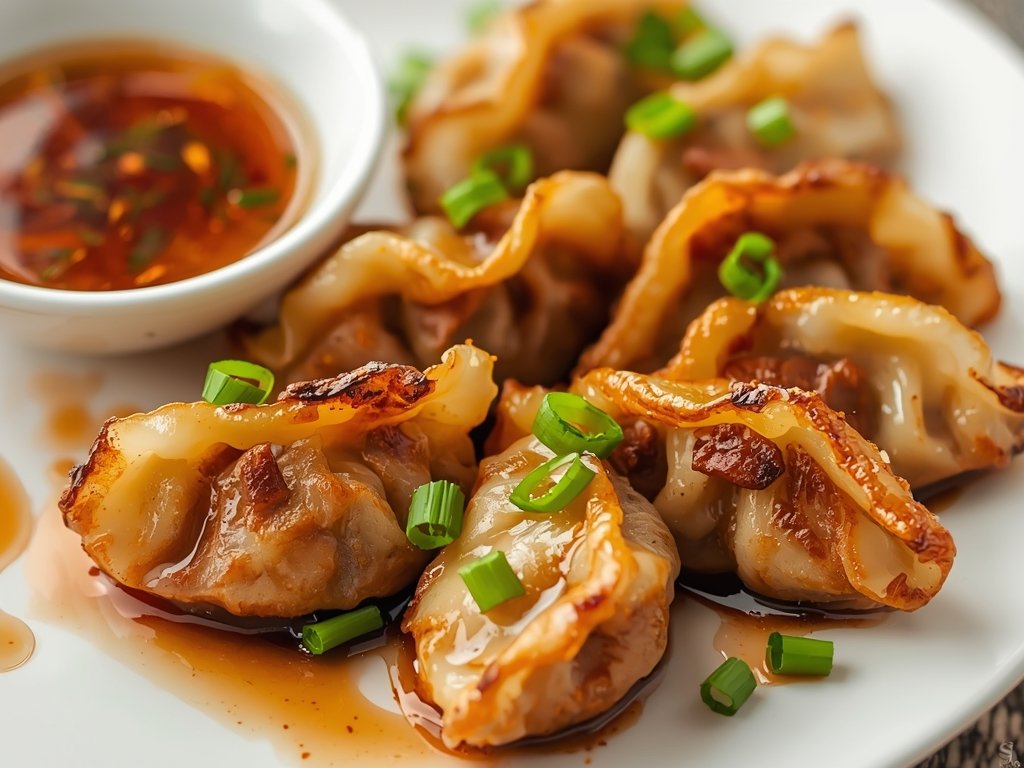
Fried dumplings, such as potstickers and crispy shrimp dumplings, offer a delightful contrast of textures. Reheating them requires a different approach to maintain their crispy exterior and juicy interior.
Heat a non-stick pan over medium heat and add a small amount of oil. Place the dumplings in a single layer, ensuring they don’t overcrowd the pan. Cook for 2-3 minutes, until the bottoms are golden and crispy.
The Crispy Revival
To revive their crispiness, add a few tablespoons of water to the pan and immediately cover it with a lid. Let the dumplings steam for 1-2 minutes, allowing the moisture to soften the wrappers slightly.
Remove the lid and continue cooking until the water evaporates, and the bottoms are crispy again. This method ensures your fried dumplings regain their delightful texture.
Microwave Magic: A Quick Fix

In a pinch, the microwave can be a convenient reheating option. While it may not yield the same results as traditional methods, it’s a quick fix for busy dim sum enthusiasts.
Place the dumplings on a microwave-safe plate, covering them with a damp paper towel. This helps retain moisture and prevents them from drying out. Microwave on high for 30-second intervals, checking after each interval to avoid overcooking.
Oven Reheating: A Gentle Approach
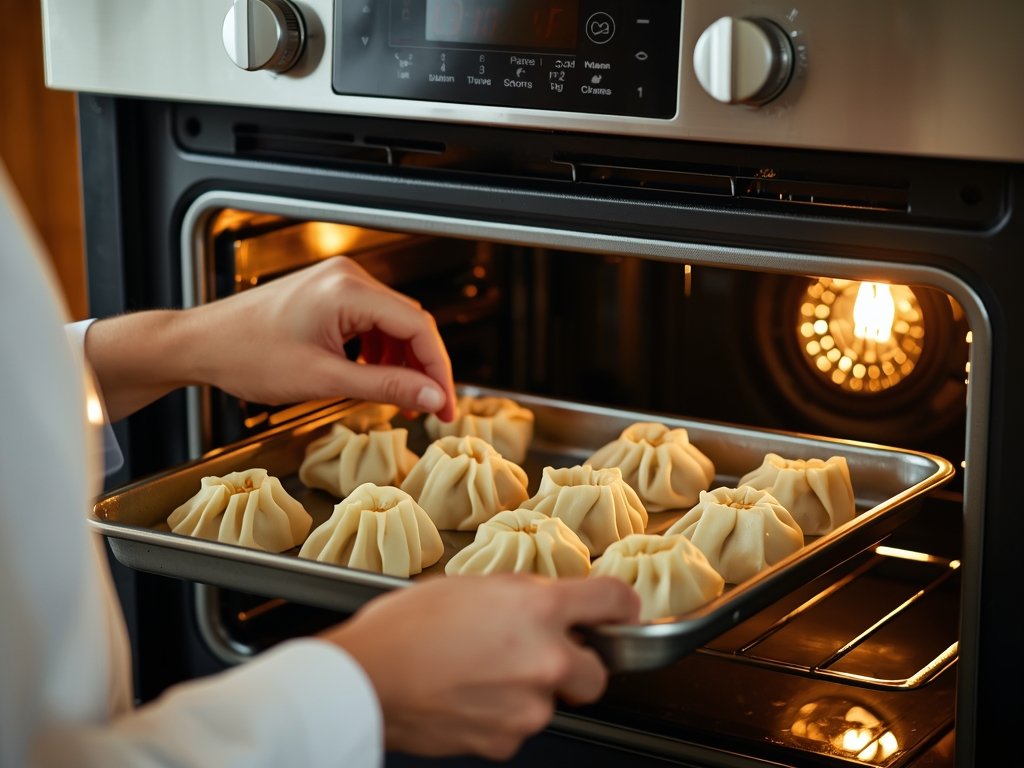
The Oven Method
For a more gentle reheating process, the oven is an excellent choice. Preheat your oven to 350°F (175°C) and place the dumplings on a baking sheet lined with parchment paper.
Cover the dumplings loosely with aluminum foil to prevent them from drying out. Bake for 8-10 minutes, or until heated through. This method is ideal for larger batches and ensures even reheating.
The Final Touches
Regardless of the reheating method, a few final touches can elevate your dim sum experience. Serve steamed dumplings with a side of chili oil or soy sauce for dipping, and fried dumplings with a tangy vinegar-based sauce.
Garnish with chopped green onions or cilantro for a fresh, aromatic touch. Enjoy your perfectly reheated dim sum with a cup of Chinese tea for an authentic experience.
FAQ: Dim Sum Reheating Secrets
Can I reheat dim sum in the air fryer?
Yes, the air fryer can be a great option for reheating fried dumplings. Preheat your air fryer to 350°F (175°C) and place the dumplings in a single layer. Cook for 3-5 minutes, checking for crispiness. For steamed dumplings, use a lower temperature and a shorter cooking time to avoid drying them out.
How do I store leftover dim sum?
Proper storage is key to maintaining the quality of your dim sum. Place them in an airtight container and refrigerate for up to 3 days. For longer storage, freeze them in a single layer on a baking sheet, then transfer to a freezer-safe bag. They’ll keep for up to 3 months.
Can I reheat dim sum multiple times?
It’s best to reheat dim sum only once to maintain their texture and flavor. Repeated reheating can lead to dryness and a loss of quality. If you have a large batch, consider reheating only what you plan to eat and storing the rest properly for future enjoyment.
What’s the best way to prevent dim sum from sticking to the pan?
To prevent sticking, ensure your pan is well-heated and use a small amount of oil. Non-stick pans are ideal for reheating dim sum. If using a stainless steel pan, add a bit more oil and allow it to heat up before adding the dumplings. This creates a natural non-stick surface.
How do I know when my dim sum is properly reheated?
Steamed dumplings are ready when they’re heated through and the wrappers are slightly translucent. Fried dumplings should be crispy on the outside and juicy on the inside. Use your senses – sight, smell, and touch – to determine when they’re perfectly reheated.