Follow Me On Social Media!

Saving Last Night’s Calamari: Why the Air Fryer is Your Only Hope
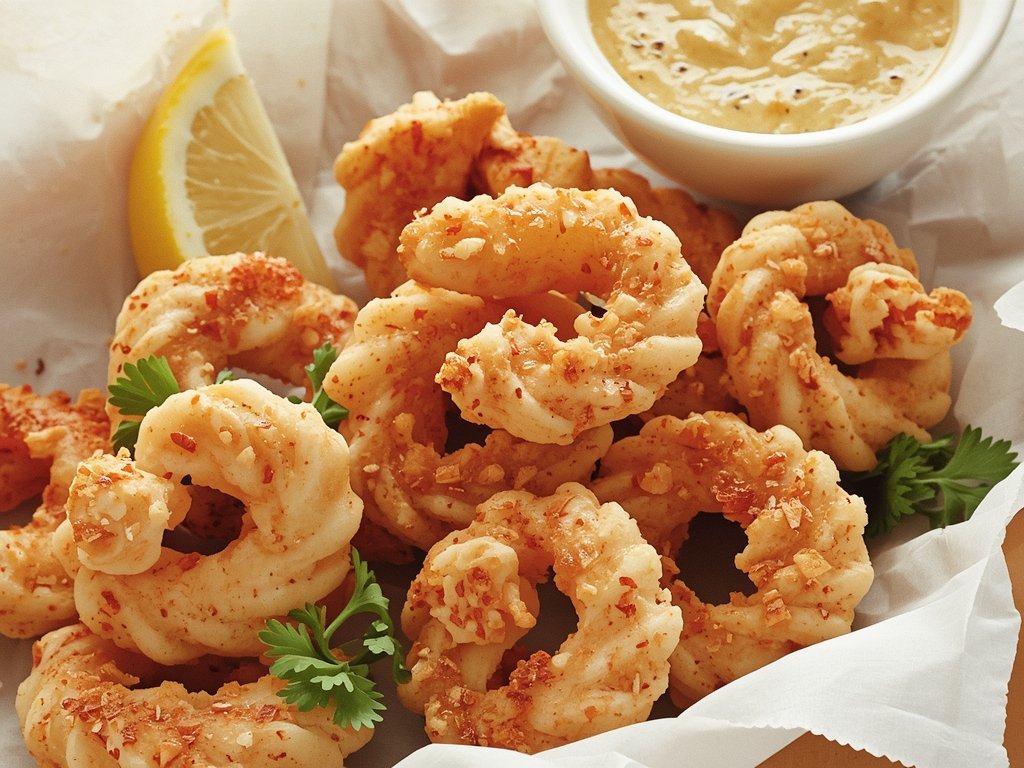
There is a specific kind of heartbreak that happens around 11:00 PM in a quiet kitchen. You open the refrigerator door, the light humming to life, and there it is: the white takeout box sitting on the middle shelf. It’s the remnants of a great meal, the fried calamari you couldn’t finish because you ordered too much, like you always do. You poke the lid. It’s cold. You know exactly what that cold, rubbery ring of squid tastes like, and you know that if you throw this in the microwave, you are going to create a culinary disaster that smells like low tide and feels like a warm rubber band.
We’ve all been there. The microwave is the enemy of fried food. It turns shatteringly crisp batter into a sad, steamed, soggy mush. It violates the very laws of thermodynamics that make fried food delicious in the first place. For years, I thought soggy leftovers were just the tax we paid for not cooking fresh every night. I was wrong. It turns out, that little convection oven on your counter—the air fryer—is actually a time machine for texture. It isn’t just for frozen fries or roasting broccoli in half the time; it is the single best tool to reverse the chemical tragedy that befalls fried seafood in the fridge.
The Sad Sight of a Soggy Takeout Box
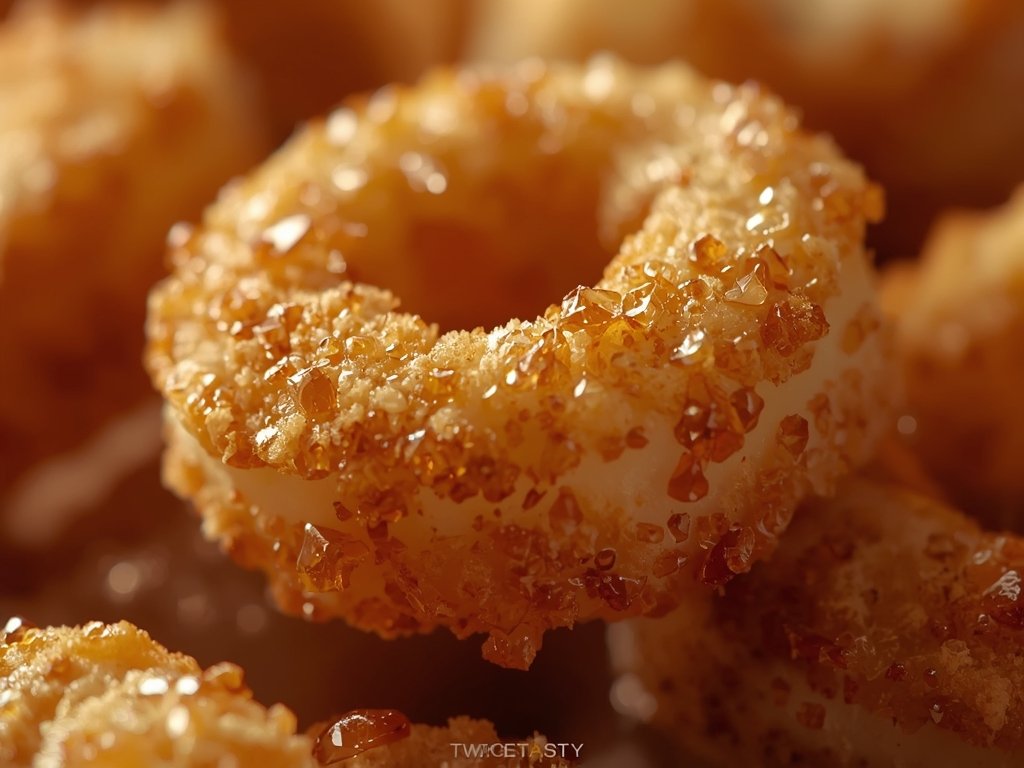
Let’s talk about what we’re up against here. When you look at that container, you aren’t just seeing cold food; you’re looking at a battlefield where moisture has won the war. Fried calamari is delicate. It’s a thin, tender protein wrapped in a protective armor of starch and fat. When that food comes out of the fryer, it’s glorious. The moisture inside the squid is turning to steam, the batter is crispy, and the oil is hot.
But once it hits that fridge, the environment changes completely. The cold air causes the hot oil inside the batter to congeal and thicken. It gets gummy. Meanwhile, the moisture inside the squid—which is mostly water—doesn’t just disappear. It migrates. Because the fridge is a humid environment, especially inside a sealed container, that water vapor moves from the hot squid out into the breading. The crust, which was once dry and rigid, starts drinking up that ambient moisture like a thirsty sponge. You get the dreaded “soggy bottom” effect, but it’s everywhere. It’s a textural betrayal. You bite down expecting crunch, and you get a soft, chewy paste that clings to your teeth.
This is why the microwave is so brutal. It adds more water to the equation. It excites the water molecules already saturating your breading, turning them into steam that further cooks the squid until it’s tough, while the batter turns into a wet dough. It’s a one-way ticket to Rubbertown. We need to remove that moisture, not add to it. We need to drive the water out of the crust and re-solidify the oils so they snap again.
The Great Reheating Mistake We All Make
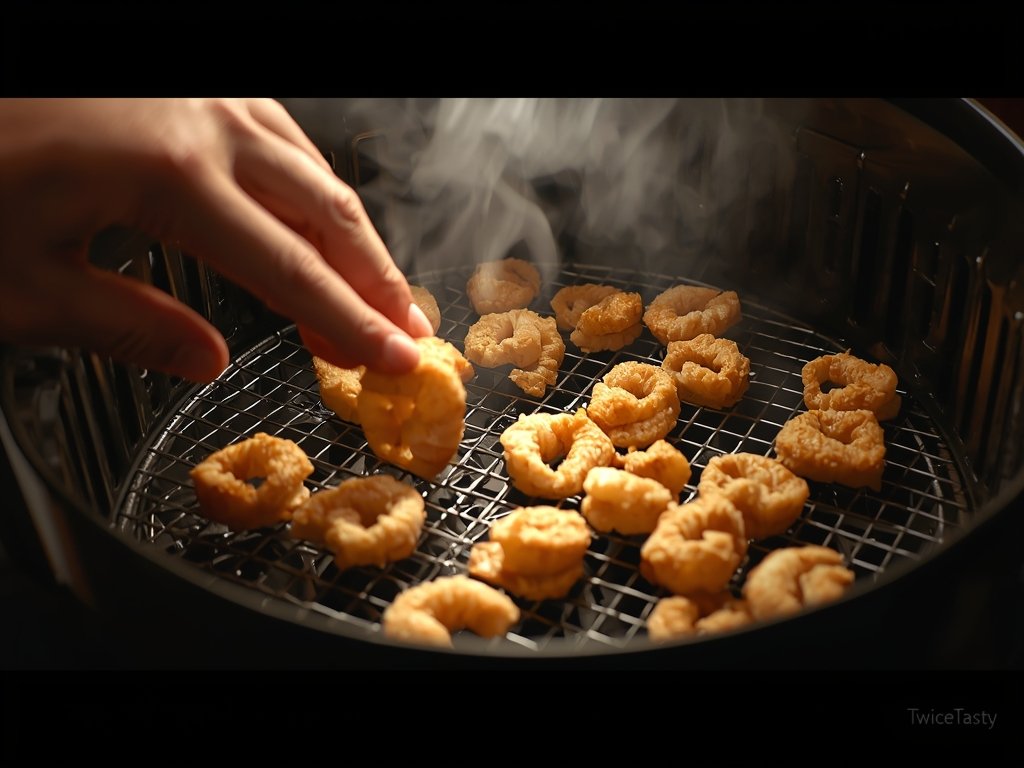
I used to think the solution was high heat. Fast and hot, right? Like searing a steak. I’d crank my oven to 450 degrees, throw the calamari on a baking sheet, and pray. But here’s the thing about squid: it doesn’t forgive. It’s not a steak. It’s a muscle that tightens the second it sees too much heat. If you blast it with high heat for too long, you’re essentially turning those delicate rings into tire rubber. The outside might burn, and the inside might still be cold, or worse, cooked into oblivion.
The mistake is treating the reheating process like the initial cooking process. When the calamari was first fried, it was raw. Now, it’s already cooked. We are purely dealing with texture restoration. We aren’t trying to cook the protein; we are trying to dehydrate the crust. That is a subtle but massive difference. If you treat it like you’re cooking it from scratch, you will overcook it.
This is where the air fryer plays a different game. It isn’t just an oven; it’s a dehydrator with a jet engine. The fan circulates air so aggressively that it strips moisture away from the surface of the food. It creates that “Maillard reaction”—the browning and crisping—much faster than a conventional oven because the air is constantly moving. It creates a barrier of dry heat that evaporates the water that has soaked into your batter, turning that soggy mess back into a shell, all without heating the squid for so long that it turns into a guitar string.
The Gentle Heat Strategy: Waking Up the Batter
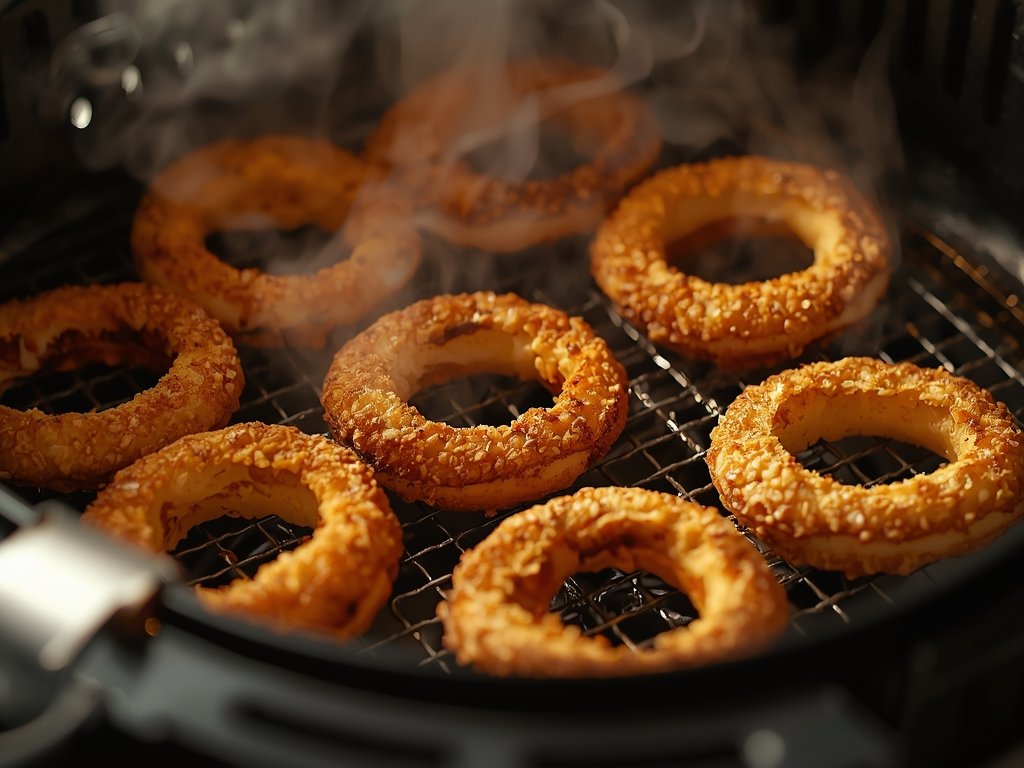
So, how do we actually do this without ruining the seafood? You have to treat it with a little tenderness. Don’t just dump the cold pile in and hit “max.” I’ve found that the sweet spot lies in a preheat and a medium temperature. You want the air fryer to be hot when the calamari goes in—around 375°F is usually the magic number. If the basket is cold, the food sits in a warming drawer, steaming in its own moisture before the drying phase even begins. That’s the trap.
Lay the calamari out in a single layer. This is non-negotiable. I know, I know, you want to reheat the whole pound at once because you’re hungry. But if you crowd the basket, you are blocking the airflow. The air needs to touch every single nook and cranny of that batter. If the rings are piled on top of each other, the ones on the bottom will steam, and the ones on the top will burn. Give them some room to breathe. Let the wind flow through the basket like a breeze through a forest.
I usually set the timer for about three or four minutes. This feels short, doesn’t it? But remember, the food is already cooked. We’re just waking up the crunch. At the three-minute mark, pull the basket out. Don’t just rely on the timer. Use your senses. Give the basket a shake. Listen to the sound. Do you hear that hollow, rattling sound? That’s the sound of water leaving the building. That’s the sound of the crust hardening back up. It should smell like the ocean and hot oil, not fishy or stale. If they still feel a bit soft or cold to the touch, give them another minute. But check them every sixty seconds after that first round. The line between “perfectly crisp” and “dried out and burnt” in an air fryer is thinner than a calamari ring.
The Art of the Shake and Listen
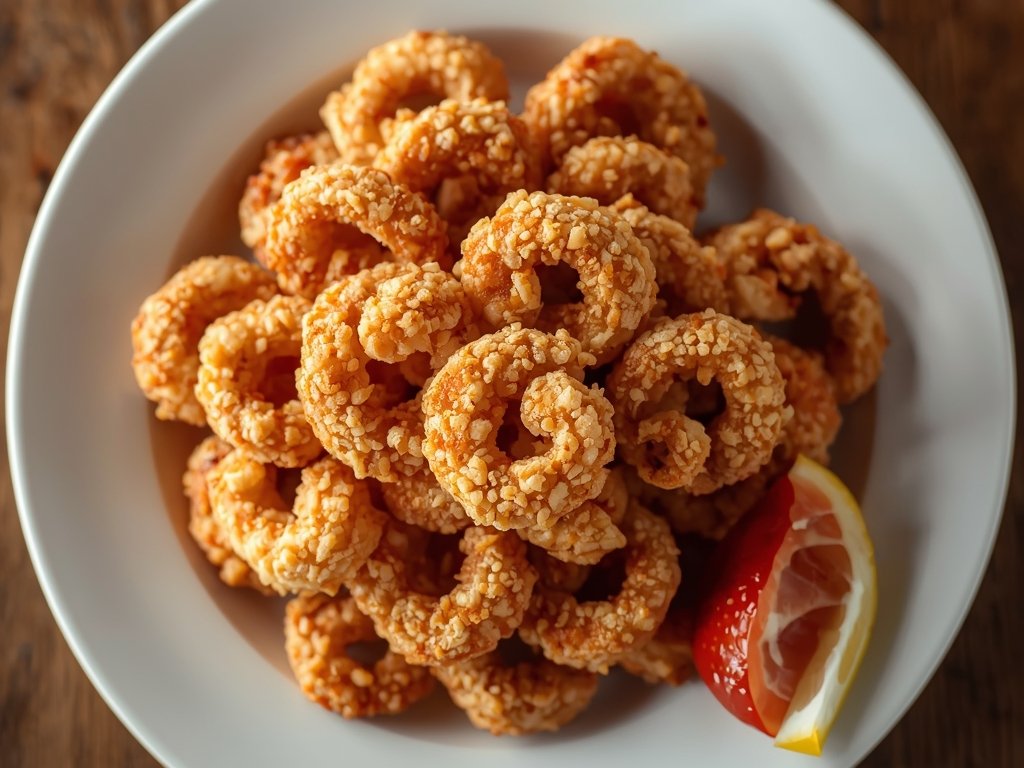
There is a rhythm to this that you learn after a few失败的 attempts. The shake is crucial. When you pull that basket out, the calamari is likely to be stuck to the mesh a little bit, thanks to the congealed oils. A firm toss—like you’re sautéing vegetables in a pan—helps redistribute the rings. It exposes the sides that were touching the metal to the open air. It ensures that the crisping is even, not just on the top.
While you’re shaking, watch for the color. You want a deep, golden tan. You don’t want the dark brown of burnt batter. Since the batter already has oil in it from the first fry, it is extremely susceptible to burning in the high heat of the air fryer. It has a “head start” on browning compared to raw food. That’s why we monitor it so closely.
The smell will change, too. At first, it might smell a little like old fridge, but as the heat penetrates, that smell will burn off, replaced by the savory, nutty aroma of toasted flour and cornstarch. That smell is your cue that the chemistry is reversing. The starches are recrystallizing in a way that creates rigidity. The fats are rendering out just enough to make the surface porous again. It’s a beautiful thing, really, rescuing something that was essentially dead in the water.
Once they look done, take them out. Don’t let them sit in the hot basket. Carryover cooking is real in an air fryer. The metal basket holds heat, and if you leave the calamari in there while you hunt for a plate, they will keep cooking. They’ll go from “crispy” to “hard as a rock” in minutes. Dump them onto a plate, maybe some paper towels to catch any excess oil that the heat just liberated, and let them breathe.
The Pro Move That Beats the Restaurant Version
Here is the thing about reheated seafood—it can sometimes taste a little “flat.” The bright, fresh lemon zing of the night before has faded. The herbs, if there were any, have dried out in the fridge. The calamari is crispy, yes, but it needs a wake-up call in terms of flavor. This is where the upgrade happens.
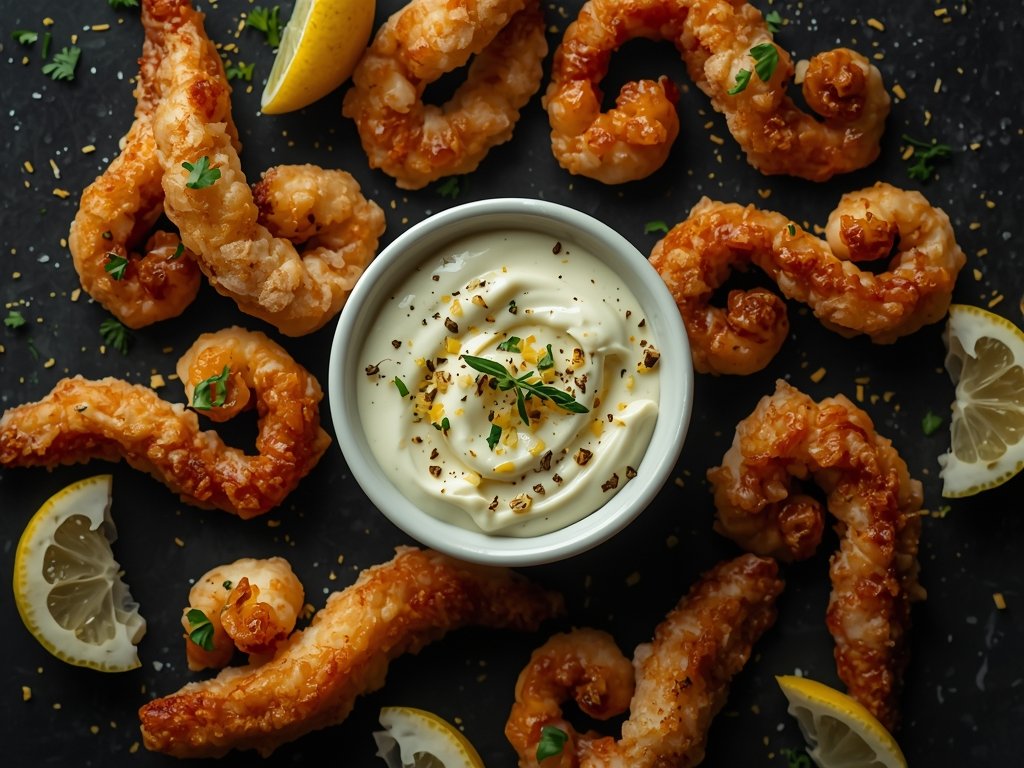
While the calamari is doing its final minute in the air fryer, grab a fresh lemon. Zest it. Don’t just squeeze it; zest it right over the hot calamari the second it comes out. The oils in the lemon zest are volatile. When they hit the hot, crispy batter, they bloom instantly. You get this floral, citrus perfume that cuts right through the richness of the fried oil. It masks any of that “reheated” flavor and makes it taste vibrant and alive again.
Then, finish it with a pinch of flaky sea salt. Not table salt. Not iodized salt. You want those big, crunchy pyramids of salt. They stick to the breading and provide a little pop of salinity that contrasts with the soft, chewy squid inside. It’s a texture and flavor bomb that the original restaurant version probably lacked.
And if you really want to go the extra mile—make a quick two-minute aioli while the air fryer does the work. Just mayo, a smashed garlic clove, and a squeeze of that lemon juice. Dipping the hot, freshly crisped calamari into a cold, creamy, garlicky sauce creates a temperature contrast that is absolutely addictive. It transforms “leftovers” into “I can’t believe I made this.”
You don’t have to accept the sad, rubbery fate of leftover seafood. The air fryer gives you a second chance, a way to fix the texture mistakes that the fridge made. It turns a midnight snack into a legitimate culinary win. So, go open that fridge. Grab that box. You know exactly what to do now.