Follow Me On Social Media!

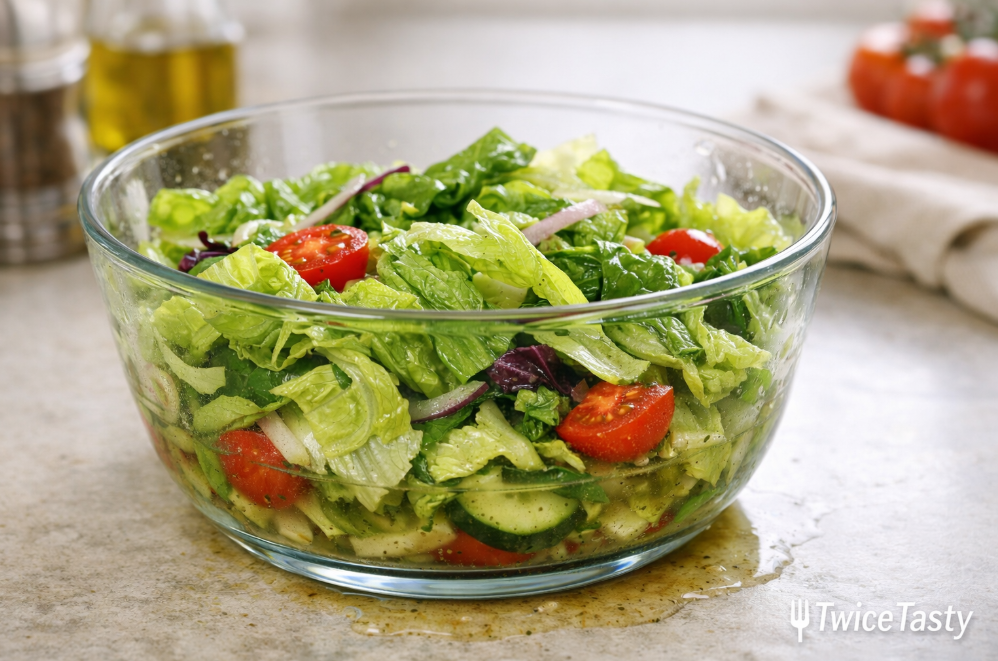
I have a recurring nightmare. It involves opening my refrigerator at 11 PM, hungry and virtuous, reaching for that “healthy lunch prep” I was so proud of twelve hours ago. The container comes out. I pop the lid. And there it is: salad soup. Leaves that once stood tall now recline in a bath of their own tears. Cucumbers have gone translucent and slimy. The croutons? Sponges. The dressing? Separated into oily acid floating over vegetable juice.
I used to think I was cursed. That some people just had “salad luck” and I wasn’t one of them. I’d watch coworkers pull out crisp, vibrant bowls on Wednesday afternoon while I ate sad deli sandwiches, wondering what witchcraft they possessed.
Here’s the revelation that changed everything: salad doesn’t wilt because of time—it wilts because of moisture management failure. Those leaves are still alive when you buy them, still breathing, still transpiring water vapor. Trap that humidity without escape, and you’ve built a tiny greenhouse of decay. Add dressing, and you’ve created an acid bath that accelerates cellular breakdown.
Most people fail because they treat salad like leftovers. Toss everything together, snap a lid on, hope for the best. But salad is architecture. It’s chemistry. It’s a delicate negotiation between crisp cellular structure and the inevitable march toward compost.
The TwiceTasty Secret? Dry like your life depends on it, layer like you’re building a bomb shelter, and store the dressing like it’s nuclear material—separate and dangerous. Master this, and your Wednesday salad tastes like Monday morning optimism.
The Science of Leaf Collapse (And Why Your Fridge Betrays You)

Lettuce leaves are essentially water balloons wrapped in cellulose. That crunch you love? It’s turgor pressure—water pushing against cell walls, keeping them rigid and upright. When you cut or pick lettuce, the wound response triggers ethylene gas production, which accelerates aging. But the real killer is uncontrolled moisture.
Here’s the wilting mechanism:
Your refrigerator is a humidity battleground. Every time you open the door, warm air rushes in, condenses on cold surfaces, and creates water droplets. Those droplets land on your lettuce leaves, breaking the surface tension that keeps water inside the plant cells. Osmosis goes wild—water leaves the cells to balance the salt concentration on the surface. The cells collapse. The leaf goes limp.
Meanwhile, trapped condensation creates the perfect environment for bacterial growth and enzymatic browning. That slightly slimy feeling? Bacterial biofilm. The brown edges? Oxidation running rampant.
Dressing is accelerant, not preservative. Oil coats leaves and blocks gas exchange, suffocating the tissue. Acid in vinaigrettes breaks down pectin, the “glue” holding cell walls together. Salt draws water out through osmosis. Within hours, dressed salad is undergoing forced marination at the cellular level.
The science of winning:
We need to maintain turgor without drowning, allow gas exchange without drying out, and keep dressing away until the last possible second. Think of it as creating a suspended animation chamber for your vegetables.
The TwiceTasty Salad Storage Architecture

What you’ll need:
- Salad spinner (non-negotiable)
- Paper towels or clean kitchen towels
- Airtight glass containers (plastic absorbs odors and oils)
- Small separate containers for dressing
- Patience (15 minutes of prep saves 3 days of disappointment)
Step 1: The Aggressive Dry
Wash your greens, then spin them until you think they’re dry. Then spin them again. Then pat with paper towels. Water is the enemy; paranoia is your friend. Even droplets you can’t see will become condensation that kills your salad.
Pro Tip: If you’re serious about salad longevity, invest in a salad spinner with a brake button. The faster you can stop the spin, the more water you can pour off. I spin, drain, spin again, then towel-dry the spinner basket itself.
Step 2: The Strategic Layer
Build your container from the ground up:
- Bottom layer: Hearty vegetables (carrots, radishes, cherry tomatoes whole)
- Middle layer: Medium moisture vegetables (cucumbers, peppers, roasted vegetables)
- Barrier: Paper towel sheet
- Top layer: Delicate greens (lettuce, spinach, arugula), fluffed not packed
Pro Tip: Never put wet ingredients above dry ones. Gravity is not your friend here. Tomatoes release moisture; keep them buried like treasure.
Step 3: The Paper Towel Buffer
Place a dry paper towel on top of the greens, then seal the container. The towel absorbs excess moisture and ethylene gas. Replace it daily if you’re storing for more than 48 hours—wet paper towel becomes a moisture source, not a sink.
Pro Tip: For extra insurance, poke a few tiny holes in the container lid with a toothpick. Micro-ventilation prevents the stagnant humidity that breeds slime.
Step 4: The Dressing Quarantine
Store dressing in a completely separate container. Not on the side. Not in a “dressing compartment” of a bento box. Separate. If you must travel with dressed salad, pack the dressing in a small jar and add it exactly 5 minutes before eating—not a moment sooner.
Pro Tip: For work lunches, put dressing in the bottom of your container, layer sturdy vegetables on top as a raft, then greens above. At lunch, shake vigorously. The vegetables protect the greens from premature acid contact.
Step 5: The 5-Day Reality Check
Even with perfect technique, pre-washed and stored salad has a 5-day maximum in home refrigerators. After that, nutritional value drops, texture degrades, and flavor dulls regardless of appearance. Plan accordingly.
Component Separation: The Mix-and-Match Strategy
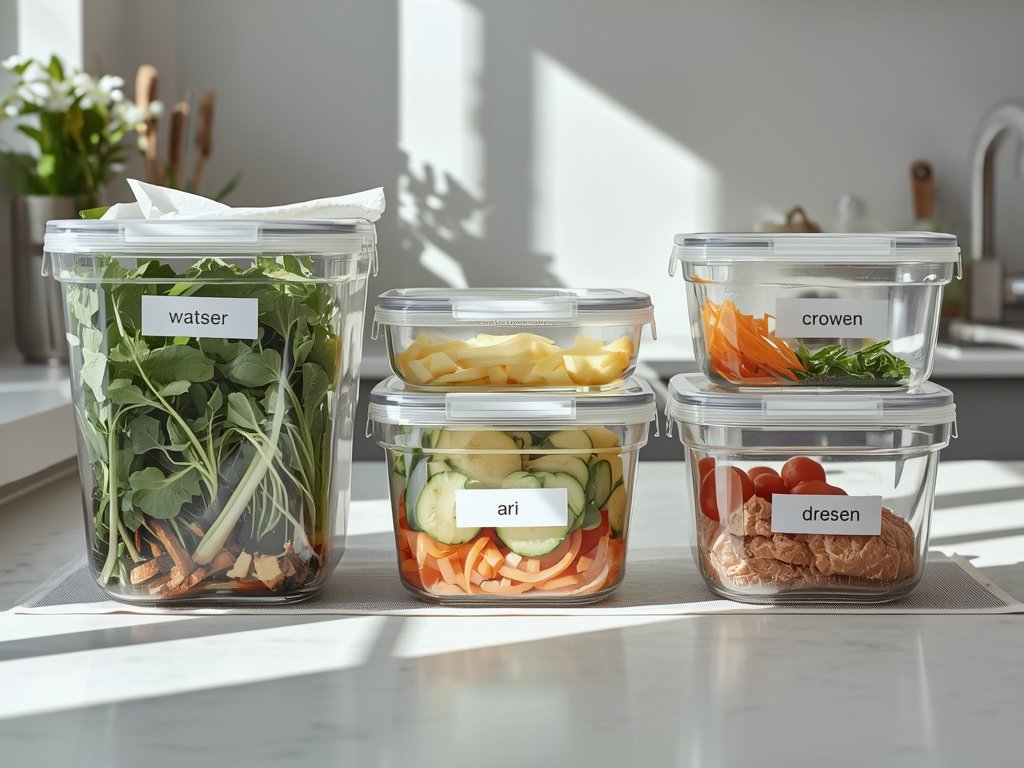
The pros don’t store “salad.” They store salad components. Here’s the breakdown:
The Green Vault (3-5 days): Washed, spun, and towel-dried greens in a container lined with paper towels, lid slightly ajar for first 24 hours then sealed. Check daily, remove any leaves showing browning immediately (one bad leaf spoils the bunch).
The Vegetable Arsenal (4-7 days): Hard vegetables chopped and stored in water (carrots, celery, radishes—the water keeps them crisp). Change water every 2 days. Soft vegetables (cucumbers, tomatoes) stored dry in separate containers.
The Protein Reserve (3-4 days): Cooked chicken, hard-boiled eggs, chickpeas—stored separately, dressed only at assembly. Grains (quinoa, farro) stored plain, added to salad cold or warmed.
The Crunch Cache (7+ days): Nuts, seeds, croutons, cheese—stored at room temperature in airtight containers. Never refrigerate nuts (they absorb moisture and go rancid) or croutons (they become chewy).
The Flavor Bomb (5-7 days): Dressings in jars, pickled vegetables in brine, olives, capers—acidic items that actually improve with time.
Assembly takes 3 minutes when components are prepped. The result tastes like you just walked out of a restaurant kitchen, not like you’re eating yesterday’s regrets.
The Revival Ritual: Bringing Sad Salad Back From the Brink

Sometimes despite your best efforts, you open the container and find… disappointment. Not total loss, but definitely not crisp. Before you compost, try the ice water resurrection:
Fill a bowl with ice water. Submerge the wilted greens completely. Let sit for 15-30 minutes. The cold water rehydrates the cells, restoring turgor pressure. Spin dry aggressively (or pat very thoroughly) and use immediately.
Success rate: About 70% for mild wilting, 0% for slime or browning. Know when to fold ’em.
For dressed salad that’s gone soggy? Drain excess liquid, add fresh crunchy elements (new croutons, nuts, fresh vegetables), and a squeeze of lemon to brighten flavors. It’s not the same as fresh, but it’s better than delivery pizza’s guilt.
Safety & Storage: When Greens Go Rogue
AI IMAGE PROMPT: Clean organized refrigerator interior with properly stored salad components—greens in glass containers with paper towels, vegetables in water-filled containers, dressings in jars, labeled and dated, soft LED lighting, modern kitchen aesthetic, food safety organization photography –ar 3:2 –v 6
Storage Timeline:
- Washed and dried greens: 3-5 days
- Chopped hard vegetables in water: 5-7 days
- Assembled undressed salad: 2-3 days maximum
- Dressed salad: Same day consumption only
The Slime Test: Slimy texture means bacterial biofilm has formed. This is different from wilting—it’s active decay. Do not eat. Compost immediately and wash the container thoroughly. One slimy leaf can contaminate a whole batch through shared storage.
Do:
- Wash hands before handling greens (bacteria transfer accelerates spoilage)
- Remove damaged leaves before storage (wounds release ethylene)
- Store away from ethylene-producing fruits (apples, bananas, avocados)
- Use glass or stainless steel containers (plastic harbors bacteria in scratches)
- Keep refrigerator at 35-38°F (1-3°C)—colder than standard home settings
Don’t:
- Store wet greens (death by drowning)
- Pack containers too full (crushing causes bruising and accelerated decay)
- Add salt or acid until serving (draws out moisture, breaks cell structure)
- Trust “pre-washed” labels without inspection (commercial washing often leaves excess moisture)
- Forget that bagged salads are already aging when you buy them (they’ve been breathing in plastic for days)
Your Salad Storage Questions, Answered

Can I freeze salad?
Only if you hate yourself. Freezing ruptures plant cell walls, creating mush upon thawing. The only exceptions are sturdy greens like kale and collards (for smoothies, not salad) or cooked grains. Raw salad vegetables? Never
.
Why does my bagged salad go bad so fast? Commercial “triple-washed” salad is washed in chlorinated water, dried in massive centrifuges, then packed in “modified atmosphere” packaging (low oxygen, high nitrogen) to slow breathing. Once you open that bag, the atmosphere normalizes and the clock starts. Transfer to a container with paper towels immediately upon opening, or use within 2 days.
Is it better to chop vegetables or store whole? Whole lasts longer—less surface area exposed to air and bacteria. But pre-chopping increases the likelihood you’ll actually eat salad. Compromise: chop every 3 days, store in water for hard vegetables, dry containers for soft ones.
Can I store salad in a mason jar? The “jar salad” trend works, but only if you layer correctly: dressing at bottom, hard vegetables next, proteins, then greens on top. When ready to eat, dump into a bowl—don’t try to shake and eat from the jar (you’ll never mix properly and the greens compress). Jar storage buys you 1 extra day of crispness due to the tight seal.
Why does restaurant salad taste better than my stored salad? Restaurants receive greens daily, store them in specialized coolers with precise humidity controls, and often use “salad spinners” the size of washing machines. They also dress salads to order with room-temperature dressing (cold dressing doesn’t emulsify or coat properly). Your home kitchen can’t compete with commercial infrastructure, but proper technique gets you 80% there.
Ready to end the wilted greens era? Start with one change this week: dry your greens like you’re preparing them for surgery. Feel the difference when Friday’s lunch tastes as crisp as Monday’s. Build your component system. Banish the dressing until the last second. Your future self—standing in front of the fridge at 11 PM, actually excited about vegetables—is waiting.
What’s your salad storage confession? Did you used to drown your greens in dressing before storing, or have you been team “plastic bag with paper towel” for years? Share your hacks, your failures, and your weirdest salad revival attempts below—let’s build a community of crispness crusaders.

Lina leads the Fresh Hacks category, covering food storage tips, freshness preservation, and smart ways to extend the life of your groceries. Her guides help readers keep ingredients at peak quality for longer.

← Previous
The Frozen Pasta Paradox: Why Your Spaghetti Turns Into Mush
Next →
The Brown Avocado Betrayal: Why Your Toast Dreams Die by Morning