Follow Me On Social Media!

Turning Leftover Salmon into Mediterranean Grain Bowls
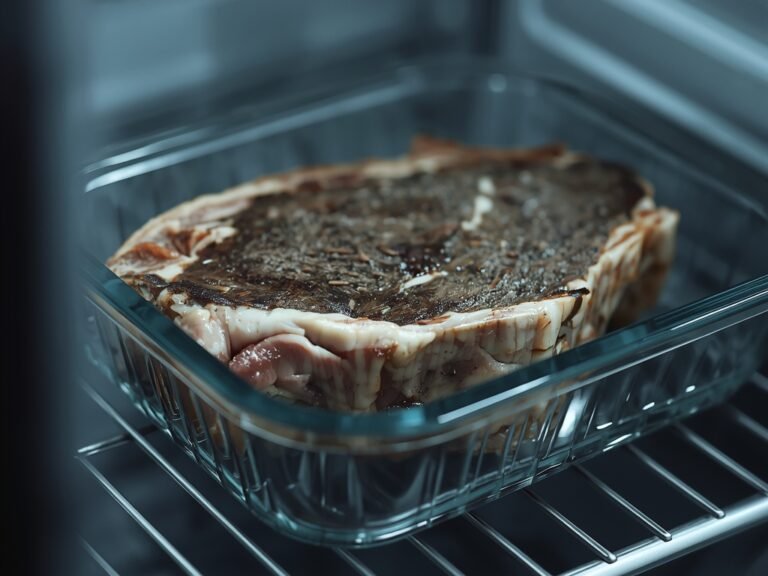
There is a specific kind of hesitation that happens when you open the fridge the morning after a salmon dinner. There it is, wrapped in foil or sitting in a glass container. Last night, it was glorious—skin crisped to a crisp sheet, flesh flaking apart into perfect, pink petals under a drizzle of herb oil. But now, under the harsh fluorescent light of the refrigerator, it looks uninviting. The skin has lost its battle with gravity and gone soggy. The beautiful pink hue has turned a dull, matte orange-grey. And that smell—that distinct, low-tide aroma that seems to multiply exponentially when fish gets cold. It’s a heavy reminder of why we usually eat fish the same day we cook it.
Most people look at that cold filet and see a sandwich candidate. They slather it in mayo, which just masks the flavor, or they try to reheat it in the microwave, which turns the delicate flesh into a rubbery, dry disaster that smells up the entire office breakroom. It’s a waste of a beautiful protein. But if you stop trying to “reheat the dinner” and start thinking about “building a lunch,” you can actually improve upon the original. By breaking the fish down and marrying it with hearty grains and sharp, fresh Mediterranean flavors, you can transform that cold, fishy block into a vibrant, textured grain bowl that feels fresh and intentional.
The Amino Acid Trap
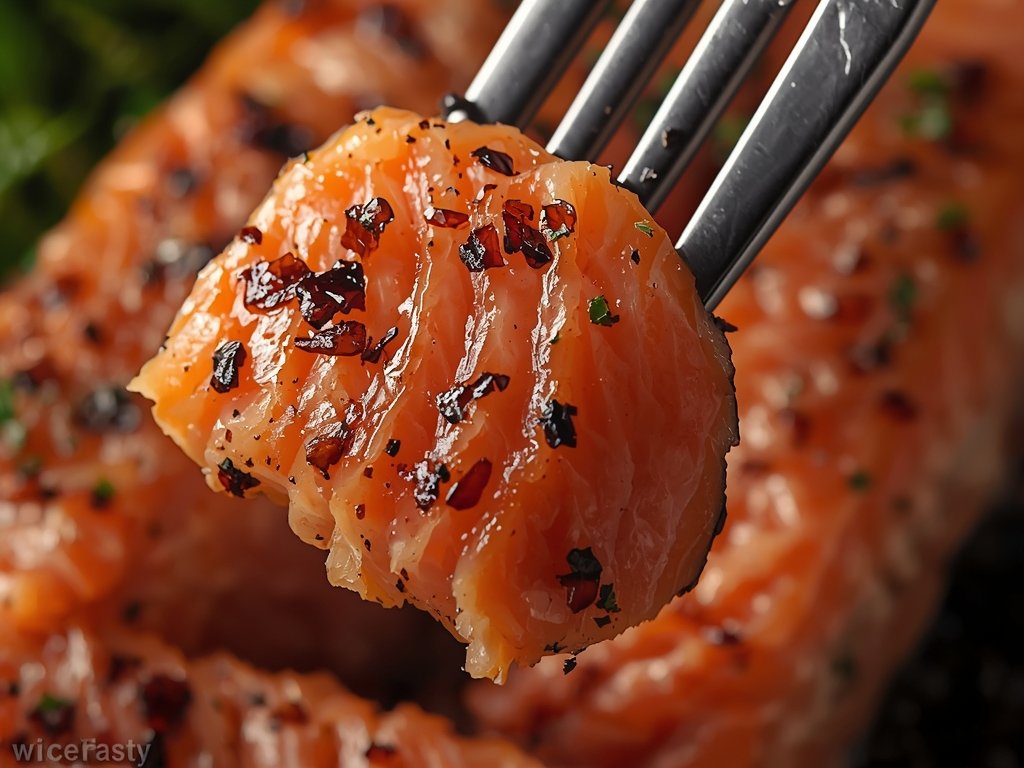
To understand why this works, we have to tackle the smell. That “fishy” odor that develops overnight is chemistry in action. Fish contains a compound called trimethylamine oxide (TMAO). When the fish is alive, it’s odorless. Once it dies, bacteria and enzymes break TMAO down into trimethylamine (TMA). That’s the stink. And just like an annoying neighbor, TMA gets much more noticeable when the temperature drops. Cold concentrates those volatile compounds, making the fish smell much stronger than it did when it was hot.
Simultaneously, the texture suffers. Salmon is an oily fish, but that oil solidifies when chilled. It gets waxy. The muscle fibers, which were relaxed and tender from the heat, tighten up as they cool, squeezing out moisture and becoming dense.
If you just nuke it, you’re driving off those volatile aromatic compounds (the good ones) but you’re also tightening the fibers even further, squeezing out the last of the juices. We need to change the context. We need to stop treating it like a steak and start treating it like a mix-in. By flaking the fish, we break up those tight fibers. By mixing it with other bold flavors, we mask the TMA. And by pairing it with a warm grain base, we gently rehydrate the flesh without the aggressive, uneven heat of a microwave.
Deconstructing the Fish and the Grain Bath
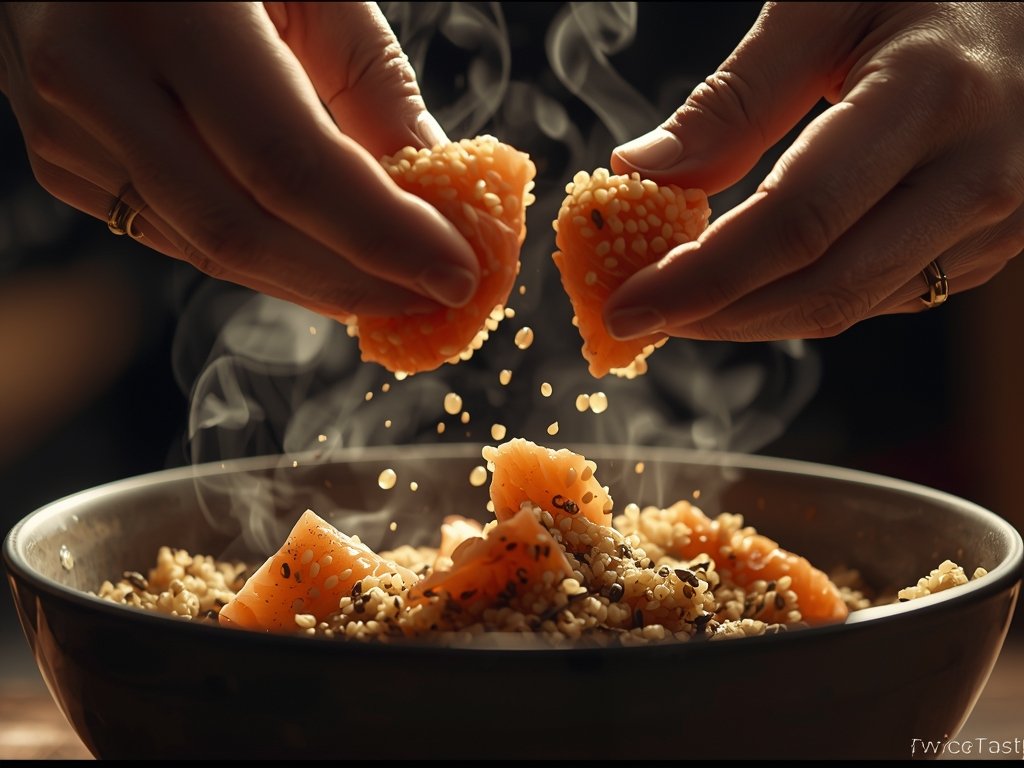
Here is the strategy: we are going to deconstruct the salmon. Take it out of the fridge and use a fork to scrape the meat off the skin. Discard the skin—it’s done its job, and it’s not going to get crispy again. Flake the meat into bite-sized chunks. Don’t mash it into a paste; you want to retain some of the flake structure.
Now, grab your grain. I’m talking quinoa, farro, or maybe some brown rice. Cold grains are also hard and unappealing; the starch has retrograded into little pebbles. Put the grains in a bowl and splash them with a little olive oil and a squeeze of lemon juice. Toss them.
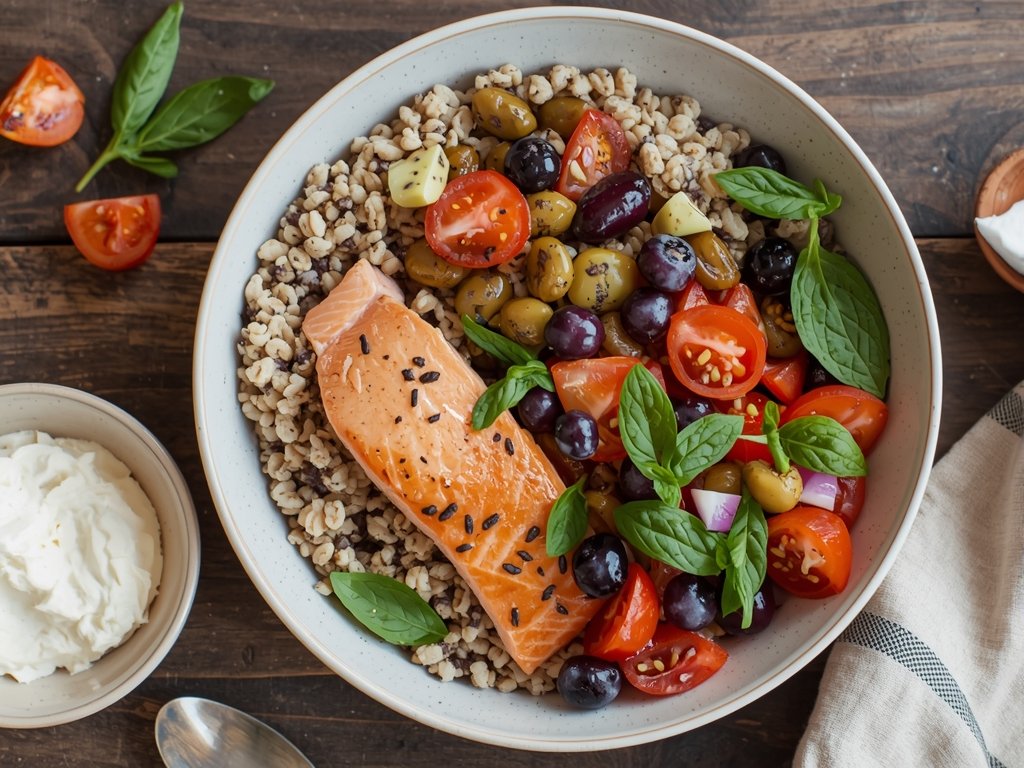
Now, here is the trick: microwave the grains, not the fish. Heat the grains for about a minute or two until they are warm and pliable. Then, toss the flaked salmon into the warm grains. You want the residual heat of the grains to take the chill off the fish, not cook it. The fish should cool the grains down slightly, and the grains should warm the fish up. They meet in the middle at a perfect “room temperature” sweet spot. The fat from the salmon mixes with the oil on the grains, coating them in a silky, savory glaze. The fish stops being “leftover steak” and becomes the rich, savory element of a salad.
The Acidic Reset and the Fresh Crunch
Now we need to wake up the palate. Salmon is fatty and rich. Even when it’s cold, it’s heavy. To make this bowl sing, you need acid and crunch. This is where the Mediterranean profile shines.
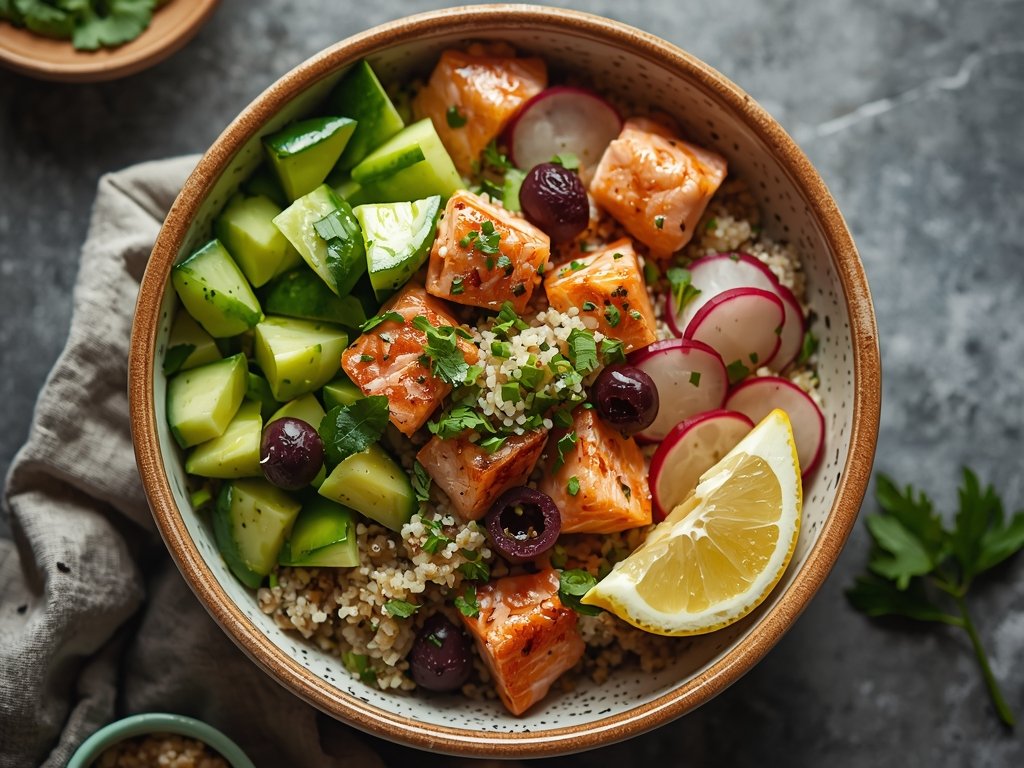
Whisk together a quick dressing—good olive oil, plenty of lemon juice (acid cuts right through that “fishy” taste), a clove of minced garlic, and maybe a dab of Dijon mustard. Pour this over your salmon and grain mixture. The acid will start to “cook” the fish slightly, like a ceviche, softening the fibers and making it taste fresh again.
But the real upgrade is the texture contrast. You need things that crunch. Dice up some cucumber—leave the skin on for that snap. Thinly slice some radishes for a peppery bite. Maybe add some Kalamata olives for brine. Toss these raw, crisp vegetables into the bowl right at the end.
When you take a bite, you get the soft, oily richness of the salmon, the chewy warmth of the grains, and then—crunch—the sharp, refreshing snap of the cucumber and radish. It completely distracts your brain from the fact that the fish was leftover. The herbs are crucial too. Dill, parsley, or chopped mint—use a handful. These green aromatics mask the TMA odor and replace it with a garden-fresh scent that tricks you into thinking the fish was just caught.
Frequently Asked Questions
Can I eat the salmon cold in the bowl?
Absolutely. In fact, many people prefer it that way. If you don’t want to heat the grains, just make sure your dressing is really zesty with lemon juice. The acid will “wake up” the cold fish flavors, and the crunch of the vegetables will provide the contrast. It makes for an excellent, no-heat lunch.
What if my salmon was heavily seasoned (like blackened or teriyaki)? You can still make this, but adjust your dressing. If it’s blackened (spicy), skip the garlic in the dressing and lean into the lemon and maybe some yogurt to cool it down. If it’s teriyaki (sweet), skip the added sugar in your dressing and add more vinegar or acid to balance the sweetness.
How long does this grain bowl keep in the fridge? Once you’ve dressed the salad, it’s best to eat it within a day. The acid in the dressing will continue to break down the fish and the vegetables, making them mushy. If you want to meal prep this, keep the dressed grains and the flaked salmon separate in the fridge, and combine them right before you eat.