Follow Me On Social Media!

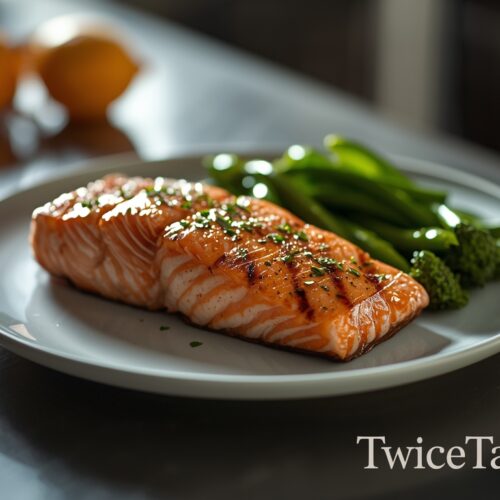
Transforming Yesterday’s Salmon into Golden Salmon Patties

You open the fridge, spot last night’s salmon, and feel that familiar dread. It’s dry at the edges, a little fishy, and somehow both crumbly and rubbery at the same time. You tell yourself you’ll “figure something out,” but we…
Ingredients
- 2 cups cooked leftover salmon, flaked
- 1 large egg
- ½ cup breadcrumbs or panko
- 1 tablespoon mayonnaise or Greek yogurt
- 1 tablespoon Dijon mustard
- 2 tablespoons finely chopped onion or scallion
- Salt & pepper to taste
- Neutral oil for frying
Instructions
- Gently flake the salmon with a fork into medium pieces.
- Pro Tip: Stop flaking as soon as it separates. Overworking turns salmon pasty and dense.
- Mix in egg, mayo (or yogurt), and mustard before dry ingredients.
- Pro Tip: Fat goes in before starch—this coats proteins and keeps patties juicy.
- Add breadcrumbs and aromatics. Mix just until combined.
- Pro Tip: If the mixture sticks to your fingers but doesn’t drip, you’re perfect.
- Rest mixture in the fridge for 10 minutes.
- Pro Tip: Cold fats firm up, preventing patties from collapsing in the pan.
1. Catchy Introduction – Problem & Solution

You open the fridge, spot last night’s salmon, and feel that familiar dread. It’s dry at the edges, a little fishy, and somehow both crumbly and rubbery at the same time. You tell yourself you’ll “figure something out,” but we all know where that usually ends: a half-hearted microwave reheat that turns good fish into a sad, steamy mess.
Here’s the truth most recipes don’t say out loud: leftover salmon isn’t meant to be reheated like a steak. When you apply direct heat again, you squeeze out moisture, oxidize the fats, and amplify that stale seafood flavor. That’s why so many people search for “what to do with leftover salmon” instead of “how to reheat salmon.”
The solution isn’t reheating—it’s transforming.
At TwiceTasty, we treat leftovers as raw materials, not finished products. And salmon? It’s a goldmine. When broken down, gently bound, and pan-seared, yesterday’s fillet becomes crispy-on-the-outside, tender-on-the-inside salmon patties that taste intentional—not like leftovers.
This is the TwiceTasty Secret: stop fighting the science, and let it work for you.
2. The Science of Taste (Why This Works)
Leftover salmon fails for three main scientific reasons:

Moisture Loss
Salmon is rich in protein fibers that tighten when reheated. Once those fibers contract again, water is forced out, leaving the fish dry and chalky.
Fat Oxidation
Salmon’s healthy fats are flavor heroes when fresh—but after a night in the fridge, oxygen dulls them. Reheating plain salmon intensifies that “old fish” aroma instead of masking it.
Texture Breakdown
Flaked salmon has already lost its original structure. Applying heat without support makes it fall apart into dry shards.
So why do salmon patties work so well?
Because we reset the structure.
By gently flaking the salmon and adding a moist binder (egg, yogurt, or mayo), we reintroduce lubrication between proteins. Breadcrumbs or mashed potato absorb excess moisture and release it slowly during cooking. A hot pan creates the Maillard reaction on the outside, delivering crispness and deep flavor—while the inside stays tender.
This isn’t a trick. It’s food science doing its job.
3. Step-by-Step Method (Golden Every Time)

Ingredients (Base Formula)
- 2 cups cooked leftover salmon, flaked
- 1 large egg
- ½ cup breadcrumbs (or panko)
- 1 tablespoon mayonnaise or Greek yogurt
- 1 tablespoon Dijon mustard
- 2 tablespoons finely chopped onion or scallion
- Salt & pepper to taste
- Neutral oil for frying
Step 1: Flake, Don’t Mash
Gently flake the salmon with a fork into medium pieces.
Pro Tip: Stop flaking as soon as it separates. Overworking turns salmon pasty and dense.
Step 2: Add Moisture First
Mix in egg, mayo (or yogurt), and mustard before dry ingredients.
Pro Tip: Fat goes in before starch—this coats proteins and keeps patties juicy.
Step 3: Fold in Structure
Add breadcrumbs and aromatics. Mix just until combined.
Pro Tip: If the mixture sticks to your fingers but doesn’t drip, you’re perfect.
Step 4: Chill Briefly
Rest mixture in the fridge for 10 minutes.
Pro Tip: Cold fats firm up, preventing patties from collapsing in the pan.
Step 5: Shape Gently
Form patties about ¾-inch thick.
Pro Tip: Thinner patties dry out; thicker ones won’t crisp properly.
Step 6: Pan-Sear to Perfection
Heat oil over medium heat (350°F / 175°C). Cook 3–4 minutes per side until golden.
Pro Tip: Don’t press the patties—pressure squeezes out moisture.
Step 7: Rest Before Serving
Let patties rest 2 minutes off heat.
Pro Tip: Resting redistributes steam so the inside stays tender.
4. Variations & Flavor Boosters
These upgrades take under five minutes and make your patties feel brand new.

Lemon-Herb Brightener
Add lemon zest, parsley, and a splash of lemon juice.
Why it works: Acid neutralizes oxidized fats and refreshes flavor.
Asian-Inspired Umami
Mix in soy sauce, grated ginger, and scallions. Serve with sesame oil drizzle.
Why it works: Umami compounds mask leftover notes beautifully.
Spicy Crispy Boost
Add smoked paprika or chili crisp to the mix.
Why it works: Capsaicin distracts the palate from dryness and enhances richness.
5. Food Safety & Storage (Non-Negotiable)
Cooked salmon doesn’t last forever—no matter how good the recipe is.

Safe Storage Time
- Refrigerator (≤40°F / 4°C): 3 days max
After that, reheating or transforming does not make it safe.
Do’s and Don’ts
DO:
- Store salmon in airtight containers
- Refrigerate within 2 hours of cooking
- Keep patties chilled before cooking
DON’T:
- Use salmon with sour or ammonia-like smell
- Reheat salmon more than once
- Leave cooked salmon at room temperature over 2 hours
Food safety isn’t flexible—and flavor isn’t worth the risk.
6. FAQ – People Also Ask
Can I make salmon patties from frozen leftover salmon?
Yes—thaw fully in the fridge first and pat dry before mixing. Excess water ruins texture.
Why are my salmon patties falling apart?
Usually too dry or too hot. Add more binder or lower pan temperature.
Can I bake instead of pan-fry?
Yes. Bake at 400°F (205°C) for 12–15 minutes, flipping once. Less crisp, but still good.
Are salmon patties healthy?
Absolutely. High protein, omega-3 rich, and customizable for lighter binders.
Can I freeze salmon patties?
Yes—freeze uncooked patties up to 1 month, tightly wrapped.
Leftovers don’t need rescuing—they need reframing. Once you understand why salmon dries out and how structure, fat, and heat interact, you stop guessing and start cooking with intention. Golden salmon patties aren’t a backup plan; they’re proof that yesterday’s dinner can outperform today’s expectations.

Amara writes for the Tasty Remakes category, turning everyday leftovers into creative new dishes. Her recipes focus on practical transformations that save time and reduce food waste — proving that yesterday’s dinner can become today’s best meal.

← Previous
How to Turn Leftover Spaghetti into a Cheesy Pasta Bake
Next →
Leftover Roast Beef Tacos with Quick Pickled Onions
Rate This Recipe
Tried this recipe? Share your experience and help others!