Follow Me On Social Media!

1. The Late-Night Food Tragedy We’ve All Experienced
You know the scene. It’s 11 PM. You spot that crumpled Taco Bell bag on the counter—leftover from lunch, maybe dinner, who even remembers anymore. Your stomach growls. You reach in, pull out a taco, and take that first hopeful bite.
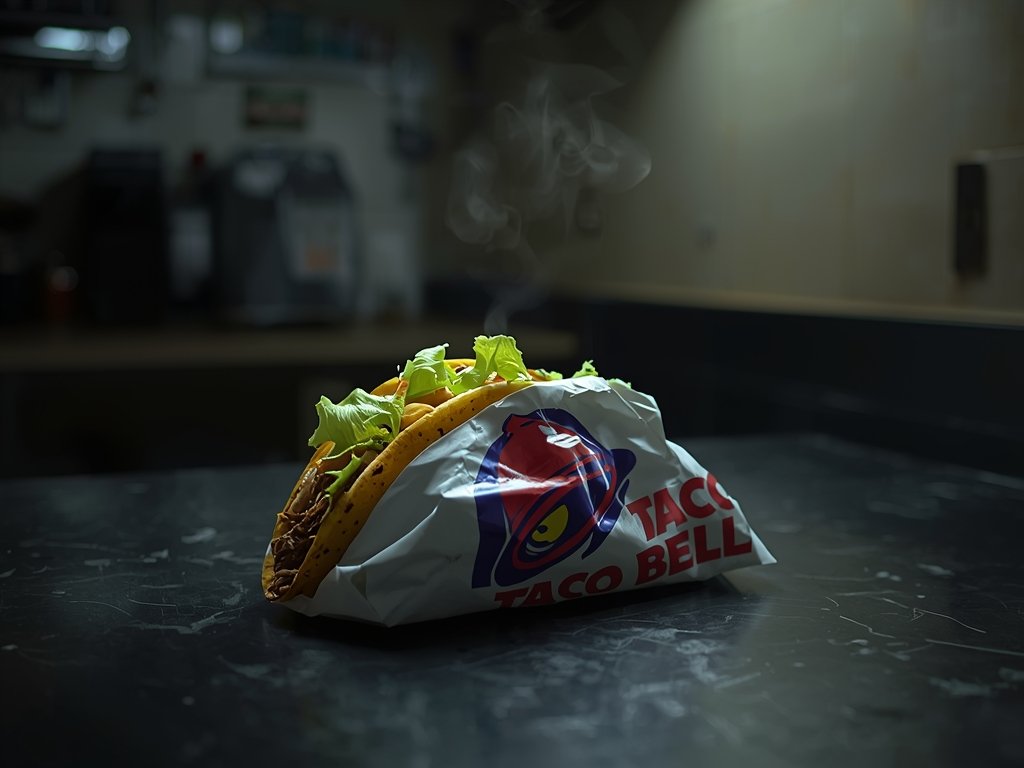
Soggy. Lukewarm. Sad.
The shell bends like wet cardboard. The lettuce is somehow simultaneously wilted and crunchy in the wrong ways. The meat? Dry little pebbles of former glory. You chew slowly, wondering where everything went wrong. This isn’t the Taco Bell experience you paid for. This is a food crime scene.
Here’s the brutal truth: most people destroy their leftover tacos because they’re using the wrong reheating method entirely. The microwave—our trusty reheating workhorse—is actually the worst possible choice for Taco Bell tacos. It steams the shell from the inside out, turning that precious crunch into a chewy mess in under 60 seconds.
But what if I told you there’s a way to bring those tacos back to life? Not just “edible,” but actually crispy, hot, and genuinely delicious? At TwiceTasty, we’ve tested every method imaginable (seriously, our kitchen looked like a taco laboratory for weeks), and we’ve cracked the code.
The TwiceTasty Secret? Your oven—or air fryer—at high heat, with a specific deconstruction technique. Keep reading, because we’re about to save your midnight snack forever.
2. Why Taco Bell Tacos Fall Apart (And How to Fight Back)
Let’s get a little food-sciencey for a second—don’t worry, I’ll keep it digestible (pun intended).
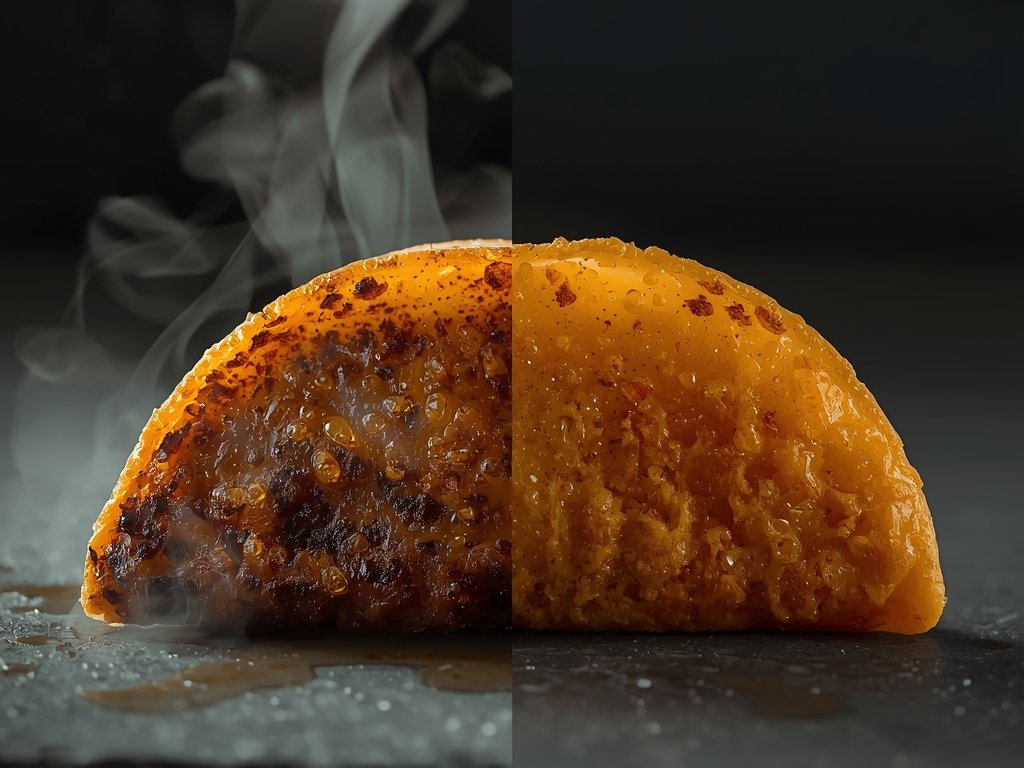
The Three Enemies of Leftover Tacos
Moisture Migration: That crispy corn shell? It’s basically a moisture sponge waiting to happen. When you refrigerate a taco, the meat, cheese, and sauces release steam and liquid. The shell absorbs it like a sad tortilla chip left out overnight. By morning, you’ve got structural failure.
Starch Retrogradation: Corn tortillas are starch-heavy. When cold, the starch molecules recrystallize, making the shell tough and chewy rather than crisp. This is why a cold taco feels like eating a leather bookmark.
Fat Separation: The seasoned beef contains fats that solidify when cold. Reheat too slowly, and those fats separate unevenly, leaving you with greasy pockets and dry meat patches. Reheat too fast in the microwave, and you get rubbery protein.
Why the Oven Wins
Here’s where we get strategic. High, dry heat (375-400°F) reverses the damage. The oven accomplishes three critical things simultaneously:
- Evaporates surface moisture from the shell, restoring crunch through the Maillard reaction—that beautiful browning that creates flavor and texture
- Re-emulsifies fats in the meat slowly and evenly, bringing back that juicy, seasoned texture
- Reheats the fillings without trapping steam, which is the microwave’s fatal flaw
The air fryer works on the same principle but faster, using circulating hot air to wick away moisture even more aggressively. Both methods respect the architecture of a taco. The microwave? It just steams everything into submission.
Think of it this way: you wouldn’t try to crisp a french fry in the microwave. Tacos deserve the same respect.
3. The TwiceTasty Method: Oven & Air Fryer Techniques
Alright, here’s exactly how to do this. No guessing. No “cook until hot.” Specifics matter.

Method A: The Oven Technique (Best for 2+ Tacos)
Step 1: Deconstruct Immediately Carefully open each taco and separate components. Remove cold lettuce, tomatoes, sour cream, and any fresh toppings. Set aside—do not bake these. Cold cheese can stay; it melts beautifully.
Pro Tip: Use a small knife to scrape off excess sour cream and guacamole. These will turn oily and weird when heated. You’ll add fresh toppings back at the end.
Step 2: Prep the Shells Lay taco shells (still holding the meat and cheese) directly on the oven rack, not a baking sheet. This allows 360° airflow. If shells are very full, place them in a taco holder or lean them against each other like teepees.
Step 3: The First Bake Preheat oven to 375°F (190°C). Bake for 8 minutes if refrigerated, 10 minutes if room temperature. You’re looking for the shell to start turning golden at the edges.
Pro Tip: If your oven runs hot, check at 6 minutes. A burnt taco shell is irredeemable. You’re aiming for “lightly toasted,” not “charred.”
Step 4: The Crisp Finish Increase heat to 400°F (200°C) for 2-3 additional minutes. Watch closely. The shell should audibly crack when tapped with tongs.
Step 5: Rebuild and Serve Immediately remove from oven. Add fresh lettuce, diced tomatoes, new sour cream, and any hot sauce. The contrast of hot shell/cheese/meat against cool toppings is what makes this work.
Method B: The Air Fryer Technique (Best for Speed)
Step 1: Prep (Same as Above) Remove all cold, fresh toppings. Keep meat and cheese inside.
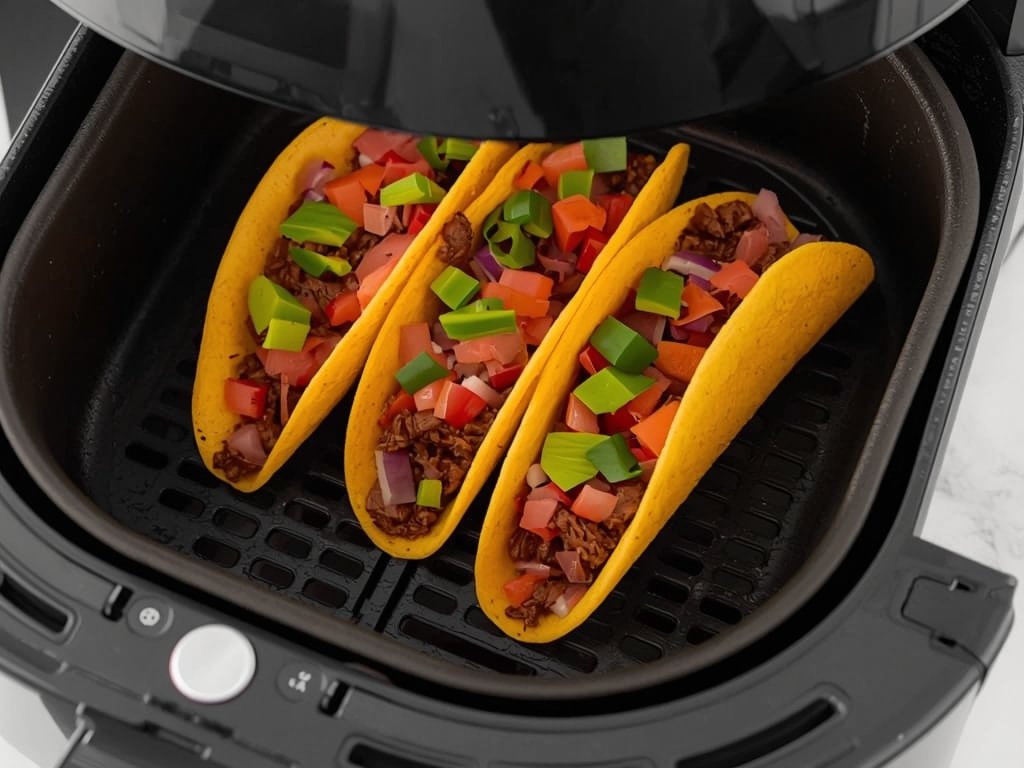
Step 2: Arrange Place tacos in the air fryer basket, standing upright if possible. Don’t overcrowd—air needs to circulate. Work in batches if needed.
Step 3: The Magic Numbers Set air fryer to 350°F (175°C) for 3-4 minutes. Check at 3 minutes. The shell should be crispy and the cheese visibly melted.
Pro Tip: If your air fryer is small and powerful, drop to 325°F to prevent the shell from burning before the meat heats through. Every machine is different—learn yours.
Step 4: The Final 30 Seconds For extra crunch, spray the shell lightly with cooking oil (optional) and hit it for 30 seconds at 400°F. This creates that fresh-fried texture.
Step 5: Rebuild Same as oven method—fresh toppings make this feel like a new meal, not leftovers.
4. Level Up: Flavor Boosters & Pro Variations
Look, sometimes you want to honor the original. Other times? You’re hungry and creative. Here are three quick ways to elevate your reheated tacos from “good recovery” to “better than the drive-thru.”

The Crunch Upgrade: Double-Decker Hack
Before reheating, spread a thin layer of refried beans on the inside of the shell, then press a second soft tortilla against it. This creates a double-layer barrier that stays crispy longer and adds creaminess. Reheat as normal—the beans insulate the shell from meat moisture.
Time added: 2 minutes prep.
The Spicy Revival: Oil & Seasoning Brush
Mix 1 tablespoon olive oil with ½ teaspoon chili powder and a pinch of garlic salt. Brush this on the outside of the shell before the final crisping stage (oven or air fryer). It creates a flavored, crunchy exterior that tastes fried-fresh.
Time added: 1 minute.
The Fresh Factor: Pickle & Onion Punch
Skip the wilted lettuce entirely. Instead, top your reheated taco with pickled red onions (store-bought or quick-pickled in lime juice for 10 minutes) and fresh cilantro. The acid cuts through the richness of the reheated meat and adds textural contrast that makes the whole thing feel intentional, not leftover.
Time added: 5 minutes (if quick-pickling), 30 seconds if using pre-made.
5. Food Safety: When to Save It, When to Toss It
I know, I know—food safety lectures are boring. But food poisoning is definitely not boring, so let’s be smart about this.
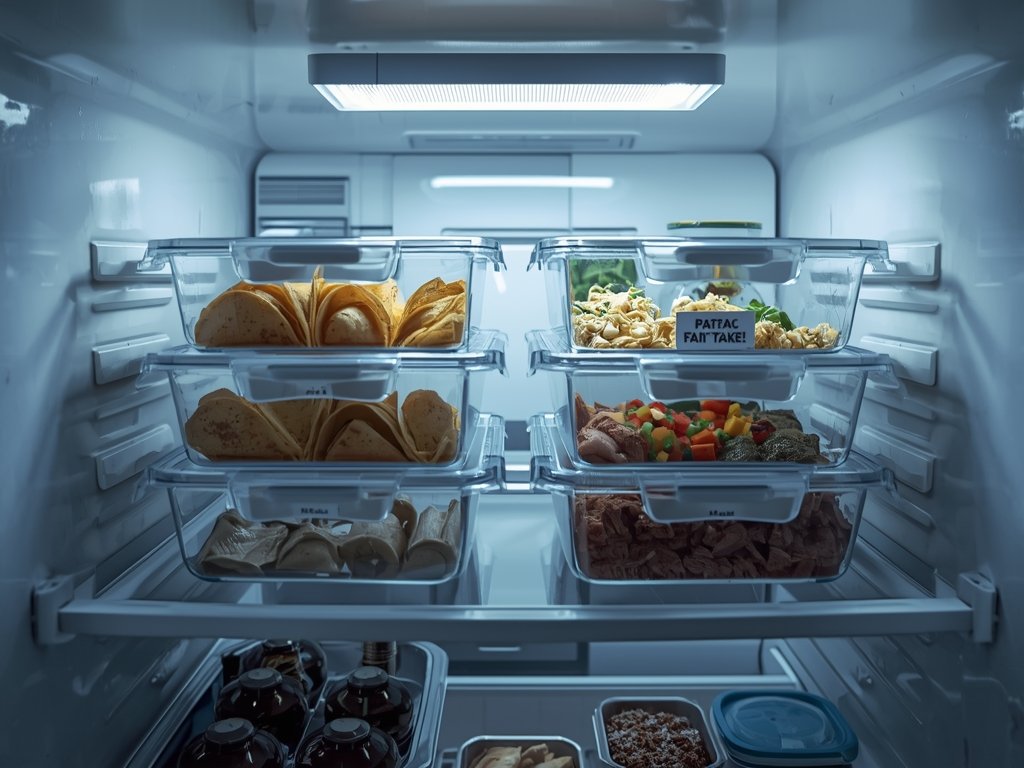
The Storage Rules
Refrigeration: Cooked Taco Bell tacos are safe in the fridge for 3-4 days maximum. This assumes they went into the refrigerator within 2 hours of purchase (or 1 hour if left in a hot car above 90°F).
The Danger Zone: Bacteria multiply rapidly between 40°F and 140°F. If your tacos sat out overnight on the counter (8+ hours), throw them out. I don’t care how good they look. Reheating doesn’t reverse bacterial toxins.
Storage Method: Remove foil or paper wrapping, which traps moisture and promotes bacterial growth. Store deconstructed (shells separate from wet toppings) in shallow, airtight containers. Don’t stack tacos—they’ll steam each other.
The Reheating Safety Checklist
- Do reheat to an internal temperature of 165°F (74°C). Use a meat thermometer if you’re unsure.
- Do only reheat once. Repeated heating and cooling creates a bacterial playground.
- Don’t reheat tacos that smell off, have slimy meat, or show any mold. Trust your nose.
- Don’t freeze and reheat tacos with sour cream or guacamole. The texture becomes horrific, and dairy doesn’t freeze well.
Quick Reference: Safe or Sketchy?
- Bought Tuesday, it’s now Thursday, refrigerated properly? Safe to reheat.
- Left in car for 3 hours, then refrigerated? Sketchy—toss it.
- In fridge for 6 days? Definitely toss. No exceptions.
- Microwaved once, didn’t finish, want to reheat again? Toss. Once is the limit.
6. FAQ: Your Burning Taco Questions Answered

Can I reheat tacos in the microwave if I’m in a hurry?
Honestly? You can, but you won’t enjoy it. If you’re truly desperate, wrap the taco in a damp paper towel and microwave for 20 seconds. This prevents the shell from turning into a cracker, but you’ll still have a soft, chewy texture. Then, pan-fry it dry for 60 seconds per side to try to recover some crunch. It’s a compromise, not a solution.
Why does the lettuce get so gross when reheated?
Iceberg lettuce is 96% water. When heated, those cells burst, creating that translucent, slimy texture. It’s irreversible. Always remove fresh vegetables before reheating. Add new ones after. This isn’t being picky—it’s understanding plant cellular structure.
Can I reheat soft tacos the same way?
Soft tacos (flour tortillas) actually handle the microwave better since you want them pliable. But for best results, wrap them in foil and oven-heat at 350°F for 10 minutes, or wrap in a damp towel and microwave for 30 seconds. The key is adding moisture back, not removing it.
My shell cracked when I tried to open it. What did I do wrong?
Cold corn shells are brittle. Let refrigerated tacos sit at room temperature for 5-10 minutes before deconstructing. This relaxes the starch structure and prevents shattering. Patience saves tacos.
Can I meal prep Taco Bell tacos for the week?
I wouldn’t recommend it. The components have different moisture levels and textures that degrade at different rates. If you must, store shells separately from all wet ingredients, and assemble only when reheating. Even then, 3 days is the max for quality.
Ready to Rescue Your Leftovers?
The next time you spot that Taco Bell bag in the fridge, you don’t have to accept defeat. You’ve got the science, the method, and the pro tips to turn those sad leftovers into something genuinely craveable. The oven or air fryer is your friend. Fresh toppings are non-negotiable. And please—for the love of all things crispy—step away from the microwave.
What’s your biggest taco reheating disaster? Drop a comment below and let me know if the TwiceTasty method saved your midnight snack. And if you’ve got a wild variation that worked (or hilariously failed), I want to hear that too. This is a judgment-free zone for food experiments gone wrong.
Happy reheating, and may your shells always crack, not bend.

Marco covers the Reheat Pro category on TwiceTasty, focusing on reheating techniques and texture preservation. His articles help home cooks bring leftovers back to life with the right methods for every type of food — from crispy fried chicken to creamy pastas.

← Previous
Best Way to Reheat Pizza Without a Soggy Crust
Next →
Reheat Birria Tacos & Consommé Like a Pro