Follow Me On Social Media!

Let’s paint a painfully relatable picture. You were virtuous, ordering the sensible bowl instead of the burrito. You enjoyed half of it for lunch, proudly saved the rest, and placed it tenderly in the fridge, dreaming of tomorrow’s delicious encore. But when you reheat it… tragedy. The once-vibrant cilantro-lime rice is now a dry, hard clump. The sizzling fajita veggies have turned to lukewarm mush. The juicy barbacoa is suddenly tough, and a sad pool of water has drowned your precious salsa. You’re left with a lukewarm, texturally confused mess that tastes only of regret.

Why does this happen? The search intent for “how to reheat a Chipotle bowl” isn’t just about warming food—it’s a desperate plea to restore glory. Most people fail because they default to the microwave, a device that mercilessly steals moisture from proteins while simultaneously steaming everything else into soggy submission. The components of a Chipotle bowl are texture warriors that need targeted reheating, not a blanket blast of radiation.
The Twice Tasty Secret: To resurrect your bowl, you must abandon the singular-reheat method. The champion technique is The Strategic Deconstruction & Air Fryer Revival. We’re not just reheating; we’re transforming and elevating.
The Science of Sogginess: Why Your Bowl Falls Apart
Understanding the enemy is key to defeating it. Your Chipotle bowl is a complex ecosystem of textures, each degrading in its own way in the fridge.
- Starch Retrogradation: This is the fancy term for your rice and beans turning hard and gritty. When cooked starches cool slowly in the fridge, the molecules realign into a more ordered, crystalline structure—essentially, they stale. The microwave unevenly attacks these crystals, leaving some hard bits and some gummy bits.
- Water Migration: Moisture in your bowl doesn’t stay put. Overnight, it travels from the rice, beans, and proteins to congregate in the container’s lid and pool at the bottom, waterlogging your salsa and sour cream. Microwaving accelerates this, creating a steamy environment that turns crisp lettuce and veggies to slime.
- Protein Tightening: Repeated, high-heat microwaving causes the proteins in your chicken, steak, or barbacoa to tighten and squeeze out their remaining moisture, resulting in a tough, rubbery chew.
Why the Air Fryer (and Oven) Wins: These appliances use circulating hot air to reheat. This method effectively re-crisps exterior surfaces (reviving fajita veggies, carnitas, or cheese) while gently warming interiors. It also allows you to reheat components separately and at different times, giving you surgeon-like control over the final texture. It’s the difference between a uniform mush and a symphony of distinct, perfect bites.
The Step-by-Step Chipotle Bowl Resurrection Protocol
Total Time: 10-15 minutes | Active Time: 5 minutes
Step 1: The Diagnostic & Deconstruction
Empty your bowl onto a large cutting board. Perform a visual inspection. Using your fingers or forks, gently separate the components into distinct piles. A typical separation looks like:
- Pile A (The Base): Rice and beans.
- Pile B (The Proteins & Veggies): Chicken, steak, barbacoa, carnitas, and fajita vegetables.
- Pile C (The Delicates – DO NOT REHEAT): Salsa, sour cream, cheese, lettuce, guacamole.
Pro-Tip: If your rice and beans are fused into one starchy brick, break them up as much as possible into small, loose clumps. This maximizes surface area for even reheating.
Step 2: The Base Reheat (Rice & Beans)
- Preheat your air fryer or toaster oven to 325°F (163°C). If using a conventional oven, preheat to the same temp.
- Place Pile A (rice & beans) in an oven-safe dish or on a piece of foil. For air fryers, a small, foil-lined basket works.
- The Moisture Miracle: Sprinkle 1-2 teaspoons of water or broth over the rice and beans. This introduces steam to help break down those starchy crystals without making them soggy.
- Cover the dish loosely with foil (or for air fryers, just place the basket in).
- Reheat for 3-4 minutes in the air fryer/toaster oven, or 5-7 minutes in a conventional oven, until just warmed through.
Pro-Tip: For a game-changing twist, sauté your cold rice and beans in a hot non-stick skillet with a tiny bit of oil for 3-4 minutes. You’ll get delicious, slightly crispy bits that mimic “fried rice.”
Step 3: The Protein & Veggie Revival
- Increase your air fryer/toaster oven temperature to 375°F (190°C). (Oven users: keep at 325°F).
- Place Pile B (proteins & veggies) in a single layer on a piece of foil or in the air fryer basket. Do not cover.
- Reheat for 2-4 minutes in the air fryer/toaster oven, or 5-6 minutes in the oven. The goal is to heat them through and get slight caramelization or crispness on the edges, especially for carnitas or fajita veggies.
Pro-Tip: A light spritz of oil on proteins like chicken or steak before this step can help restore a “fresh-cooked” exterior texture.
Step 4: The Grand Assembly & Final Touch
- Retrieve your perfectly warmed base and protein piles.
- In a new, clean bowl (this is psychologically and culinarily important), re-layer your creation. Start with the hot rice and beans, then add the hot proteins and veggies.
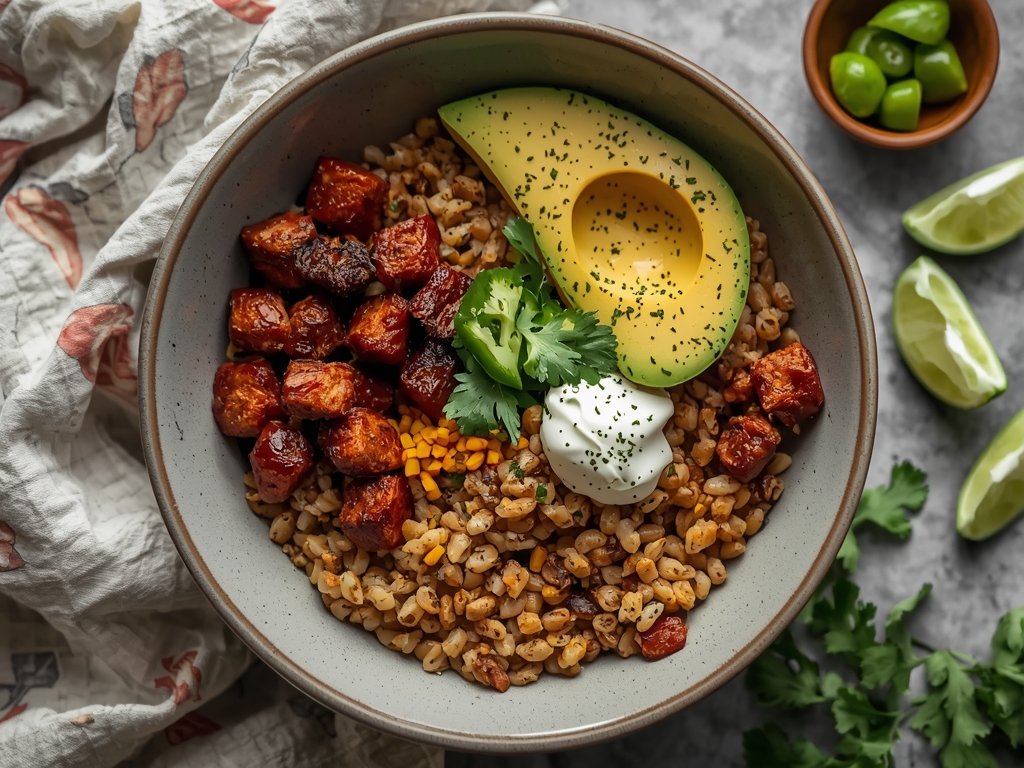
- Now, crown it with the cold, fresh elements from Pile C: the bright salsa, cool sour cream, crisp lettuce, creamy guacamole, and shredded cheese.
- Give it one gentle fold or stir to integrate temperatures and textures, or leave it artfully layered.
Pro-Tip: The contrast between the hot, savory components and the cold, fresh toppings is the secret to a bowl that’s better than the original. It’s a flavor and texture explosion.
From Revival to Revolution: Flavor Boosters
Don’t just reheat—upgrade. Your bowl is now a blank canvas.
- The Crispy Finish: After reassembly, sprinkle a thin layer of shredded cheese over the entire hot surface and pop it back under the air fryer/broiler for 60-90 seconds until bubbly and golden. Instant queso fundido effect.
- The Zesty Lift: Ditch the standard lime wedge. Make a quick “Crema” by mixing your sour cream with a squeeze of lime, a pinch of cumin, and a dash of hot sauce (like Cholula or Tapatío). Drizzle it over the top.
- The Textural Crunch: Add textural contrast it never had. Quick-pickled red onions, a handful of crushed tortilla chips, or even some pan-toasted pumpkin seeds (pepitas) add a crucial crunch that elevates every bite.
The Authority Section: Safety & Storage Fundamentals

How Long Is It Safe? Your Chipotle bowl can safely live in the fridge for 3-4 days if stored properly at or below 40°F (4°C). After that, the risk of bacterial growth increases significantly, regardless of reheating.
The Storage Do’s and Don’ts:
- DO transfer your bowl to a shallow, airtight container within two hours of purchase. This promotes rapid, even cooling.
- DO store guacamole and salsa separately in their own small containers if you know you’ll have leftovers. This is the ultimate pro-move.
- DON’T leave the bowl in the original, deep paper/plastic container. It traps heat and steam, accelerating spoilage and sogginess.
- DON’T store it with the lid tightly sealed while still warm. Let it cool slightly (20-30 minutes) before sealing and refrigerating to avoid condensation buildup.
The Reheater’s FAQ: Your Questions, Answered
Q1: Can I just microwave it? Please? It’s so fast.
A: You can, but you must do it strategically. Remove all cold/delicate items first (lettuce, salsa, sour cream, guac). Loosely cover the remaining bowl with a damp paper towel to provide gentle steam. Heat in 30-second bursts on 50% power, fluffing the rice and stirring between bursts. This is the “damage control” method, not the “revival” method.
Q2: How can I tell if my Chipotle bowl has spoiled?
A: Use your senses. Smell: Any sour, off, or unusually pungent odor is a hard stop. Sight: Look for mold (fuzzy spots, especially on salsa or guac) or a significant change in color (greying meat, extremely darkened veggies). Touch: If the texture is excessively slimy or sticky, it’s time to say goodbye.
Q3: What’s the best method if I don’t have an air fryer?
A: Your oven or toaster oven, following the deconstructed steps above, is the next best thing. The stovetop skillet method for rice/proteins is also excellent. The key principle remains: separate and apply targeted heat.
Q4: Can I freeze a Chipotle bowl for later?
A: It’s not ideal, but you can freeze the core components (rice, beans, meats) for up to 2 months. Expect significant texture loss, especially in the rice and veggies. Never freeze the fresh elements (lettuce, salsa, sour cream, guac)—they will be inedible upon thawing.
Q5: My guacamole turned brown. Is it still safe?
A: Likely yes. The browning is simple oxidation (like an apple). Scrape off the top brown layer; the bright green guac underneath is usually fine to eat if it’s within the 3-4 day window and smells fresh. A squeeze of lime juice before storing can slow this down.

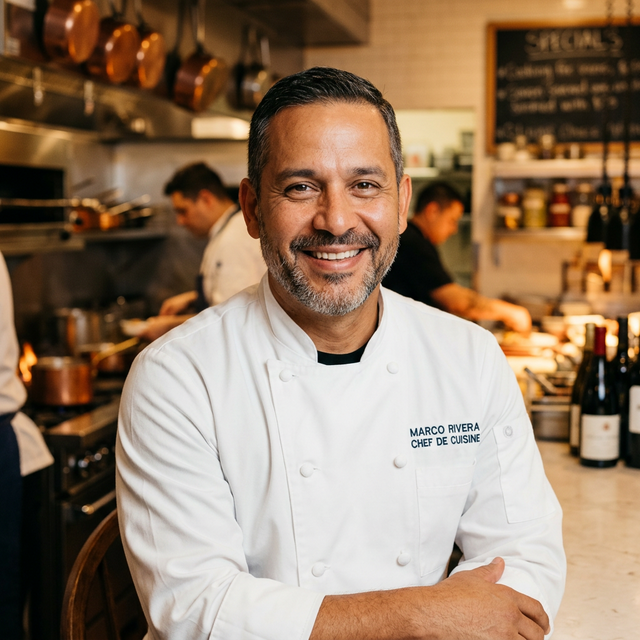
Marco covers the Reheat Pro category on TwiceTasty, focusing on reheating techniques and texture preservation. His articles help home cooks bring leftovers back to life with the right methods for every type of food — from crispy fried chicken to creamy pastas.
← Previous
Reheat Fallen Soufflé: Tips, Tricks, and Salvage Ideas
Next →
Crispy Onion Rings: Avoid Soggy Disasters in 3 Minutes