Follow Me On Social Media!

The Frozen Sourdough Dilemma
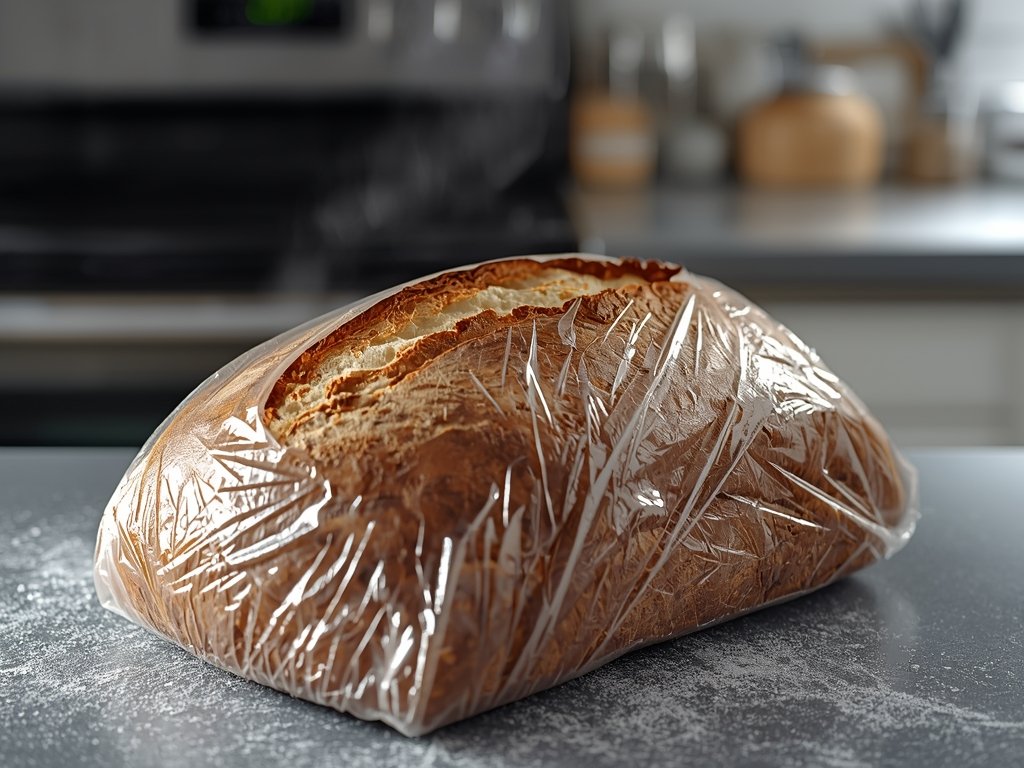
We’ve all been there – you’ve got a hankering for some tangy, crusty sourdough, but your local bakery is closed, and that artisanal loaf you bought last week is now a rock-hard brick in your freezer. Fear not, fellow bread lovers! With a few simple tricks, you’ll be enjoying fresh, crispy sourdough in no time.
Freezing sourdough is a fantastic way to preserve its freshness, but reheating it without sacrificing texture and flavor can be tricky. Enter the “Steam & Crisp” method – a game-changer for reviving frozen loaves. This technique combines the power of steam and high heat to transform your icy bread into a golden, crispy masterpiece.
Why Freeze Sourdough Anyway?

Before we dive into the revival process, let’s appreciate why freezing sourdough is a brilliant idea. In a country as vast as the United States, with its diverse climates and busy lifestyles, having a stash of frozen sourdough is a lifesaver.
From the humid summers of the South to the dry winters of the Midwest, sourdough’s natural preservatives can only do so much. Freezing pauses the staling process, locking in moisture and flavor. It’s like having a time capsule of deliciousness, ready to be unleashed whenever the craving strikes.
The Science Behind Sourdough Staling
When bread goes stale, it’s not just losing moisture; it’s undergoing a complex chemical reaction. The starch molecules in bread recrystallize, causing the texture to become dry and hard. This process is accelerated by heat and humidity, making it a common issue in many US regions.
By freezing sourdough, you’re essentially hitting the pause button on this reaction. The cold temperatures slow down the movement of molecules, preserving the bread’s structure and flavor. But, as we’ll soon discover, thawing and reheating require a delicate approach.
The “Steam & Crisp” Method Unveiled

Now, let’s get to the heart of the matter – bringing your frozen sourdough back to life. The “Steam & Crisp” method is a two-step process that mimics the professional baking techniques used in artisanal bakeries across the US, from San Francisco’s famous sourdough hubs to New York’s trendy bread boutiques.
This method is all about creating the perfect environment for your bread to reheat. First, we’ll use steam to gently thaw and rehydrate the loaf, then we’ll unleash high heat to crisp up the crust, resulting in a bread that’s almost indistinguishable from a freshly baked one.
Step 1: The Steam Treatment
Preheat your oven to 350°F (175°C). While it’s heating up, prepare a steam bath for your frozen loaf. Place a baking dish or cast-iron skillet on the oven’s bottom rack and fill it with hot water, creating a humid environment.
Carefully place your frozen sourdough, still in its wrapping, on the middle rack. The steam will gently thaw the bread, preventing the crust from drying out and becoming tough. Leave it in the oven for about 10-15 minutes, until the loaf is no longer icy to the touch.
Step 2: Crisp to Perfection
Now, it’s time to unleash the heat. Remove the water-filled dish from the oven and turn up the temperature to 450°F (230°C). Unwrap your thawed loaf and place it directly on the oven rack or a preheated baking stone if you have one.
Bake for 8-10 minutes, keeping a close eye on your bread. You’re aiming for a deep golden crust. The high heat will create a crisp exterior while keeping the interior soft and chewy. The result? A sourdough revival that’ll have your taste buds convinced it’s fresh from the bakery.
Tips for Sourdough Success

To ensure your “Steam & Crisp” adventure is a triumph, here are some pro tips gathered from bakers across the nation:
- Wrap it Right: When freezing, wrap your sourdough tightly in plastic wrap or aluminum foil to prevent freezer burn. For an eco-friendly option, use beeswax wraps, a favorite among West Coast bakers.
- Slice Strategically: If you only need a few slices, cut the loaf before freezing. This way, you can reheat just what you need, reducing waste. A trick popular in busy East Coast households!
- Time it Perfectly: Keep an eye on your bread during the crisping stage. Ovens vary, and you don’t want to overdo it. Set a timer and check frequently for that ideal golden hue.
- Experiment with Flavors: Try brushing your thawed loaf with butter or olive oil before crisping for an extra indulgent treat. A dash of garlic powder or rosemary can transport you to a Tuscan bakery.
Sourdough Across the States

Sourdough’s appeal spans the entire country, with each region adding its unique twist. In the Pacific Northwest, you’ll find hearty, whole-grain sourdoughs, while the South embraces sweeter variations with a touch of molasses. The Midwest, with its rich farming heritage, often incorporates local grains like rye and spelt.
In the Northeast, particularly in New England, sourdough takes on a unique character with the addition of cornmeal and molasses, creating the distinctive anadama bread. Out West, California’s influence is evident in the popularity of sourdough bowls, perfect for holding creamy clam chowder.
A Bread for All Seasons
Sourdough’s versatility knows no bounds, making it a year-round staple. In the summer, it’s the perfect base for fresh tomato bruschetta, while autumn calls for toasted sourdough topped with butternut squash spread. During winter, it’s all about comfort, with sourdough bread pudding becoming a household favorite.
As the seasons change, so do the flavors and uses of this beloved bread. From spring picnics with sourdough sandwiches to holiday tables adorned with stuffed sourdough centerpieces, it’s a true all-American companion.
FAQ: Sourdough Revival Edition
Can I use this method for other types of bread?
Absolutely! While designed for sourdough, the “Steam & Crisp” method works wonders on various frozen breads. From rustic Italian loaves to delicate brioche, this technique will breathe new life into your frozen bakery goods.
How long can I keep sourdough in the freezer?
Properly wrapped, sourdough can last up to 3 months in the freezer. However, for the best quality, aim to consume it within 6-8 weeks. Label your loaves with the freezing date to keep track.
What’s the best way to store leftover sourdough?
For short-term storage, keep your sourdough at room temperature in a paper bag or bread box. This allows the crust to stay crisp while keeping the interior fresh. For longer storage, freezing is the way to go.
Can I reheat sourdough in a toaster?
Toasting is a quick way to revive sourdough, but it won’t achieve the same crispy exterior and soft interior as the “Steam & Crisp” method. For a toaster, slice the bread thinly and keep a close eye on it to avoid burning.
How do I know if my sourdough has gone bad?
Trust your senses! If your sourdough has an off smell, visible mold, or an unusually hard texture, it’s time to bid it farewell. Proper storage and freezing techniques will significantly extend its life, but even sourdough has its limits.

Marco covers the Reheat Pro category on TwiceTasty, focusing on reheating techniques and texture preservation. His articles help home cooks bring leftovers back to life with the right methods for every type of food — from crispy fried chicken to creamy pastas.

← Previous
Reheat Falafel Perfectly: Crispy, Moist, and Delicious Every Time
Next →
Revive Leftover Subs: The Toaster Oven Secret