Follow Me On Social Media!

The Salad Spinner Hack: A Gentle Spin for Delicate Ingredients

As a home cook, you know the struggle of drying delicate herbs and berries without turning them into a mushy mess. Enter the salad spinner, a kitchen tool that’s not just for lettuce anymore. With a few simple tweaks, this gadget can become your secret weapon for preserving the texture and flavor of your favorite ingredients.
In this article, we’ll explore the art of using a salad spinner to dry herbs and berries, sharing tips and tricks from expert chefs and home cooks across the United States. From the bustling farmers’ markets of Portland to the sunny orchards of California, we’ll discover how this humble tool can elevate your culinary game.
Why the Salad Spinner is a Game-Changer

The Science Behind the Spin
The salad spinner’s centrifugal force is the key to its success. By rapidly spinning the inner basket, it creates a gentle yet effective drying action that removes excess moisture without damaging delicate leaves or berries. This method is particularly useful for ingredients that are prone to bruising, such as basil, mint, and blueberries.
Compared to traditional drying methods like paper towels or air-drying, the salad spinner offers a quicker, more efficient solution. It’s also more hygienic, as it reduces the risk of contamination from handling or exposure to air.
Mastering the Art of Herb Drying

Choosing the Right Herbs
Not all herbs are created equal when it comes to spinning. Delicate, leafy herbs like basil, cilantro, and parsley are ideal candidates, as they can be easily damaged by rough handling. Woody herbs like rosemary or thyme, on the other hand, are better suited to air-drying or other methods.
When selecting herbs for your salad spinner, look for fresh, vibrant leaves with no signs of wilting or discoloration. If you’re harvesting your own herbs, do so in the morning when the essential oils are at their peak.
The Perfect Spin Cycle
To dry herbs in a salad spinner, start by gently placing them in the inner basket. Add a small amount of water (about 1/4 cup) to the outer bowl, which will help create a humid environment and prevent the herbs from drying out too quickly.
Secure the lid and spin the basket for 10-15 seconds, or until the herbs are mostly dry. Be careful not to over-spin, as this can cause the leaves to bruise or tear. Once the herbs are dry, remove them from the spinner and pat them gently with a clean kitchen towel to absorb any remaining moisture.
Berry Good: Drying Berries Without the Mess
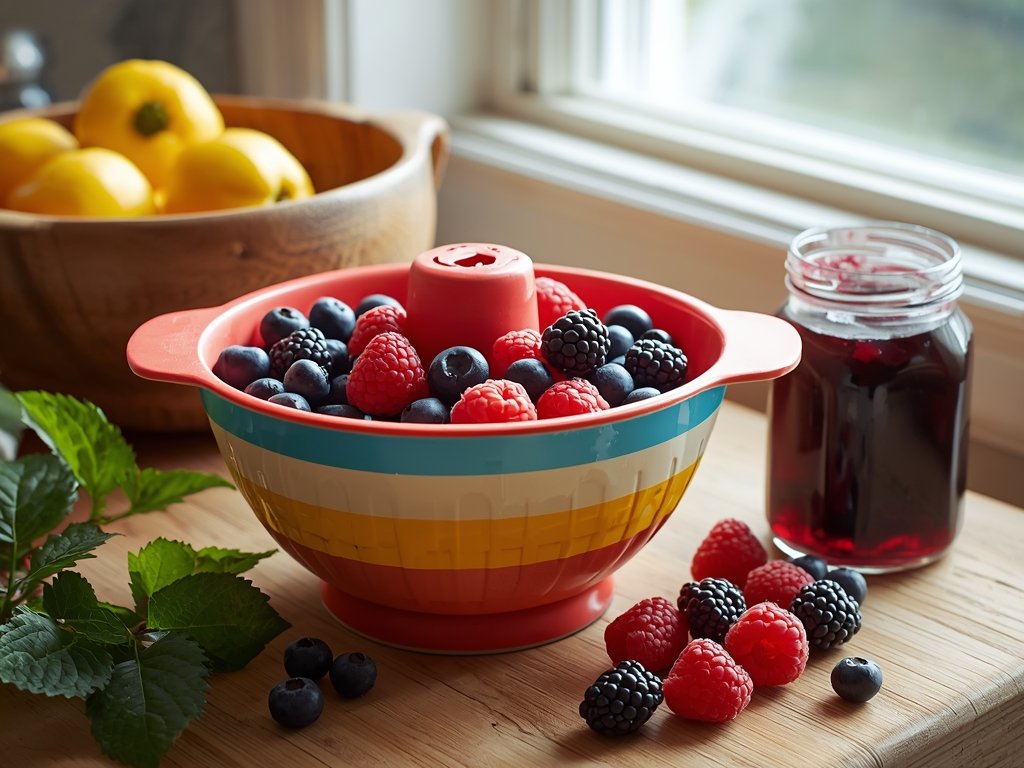
Berry Selection and Preparation
Drying berries in a salad spinner is a great way to preserve their flavor and texture without the hassle of traditional drying methods. Blueberries, raspberries, and blackberries are all excellent choices, as they have a firm yet delicate structure that responds well to spinning.
Before spinning, rinse the berries gently under cold water to remove any dirt or debris. Be careful not to crush or bruise them, as this can affect their texture and flavor. If you’re using frozen berries, thaw them completely before spinning.
Spinning Techniques for Berries
To dry berries in a salad spinner, place them in the inner basket and add a small amount of water to the outer bowl. Spin the basket for 5-10 seconds, or until the berries are mostly dry. Unlike herbs, berries require a shorter spin cycle to prevent them from becoming waterlogged.
After spinning, transfer the berries to a clean kitchen towel or paper towel-lined plate to air-dry completely. This will help remove any remaining moisture and prevent them from spoiling. Dried berries can be stored in an airtight container for up to 2 weeks.
Tips and Tricks from the Pros

Expert Advice from Top Chefs
We reached out to some of the top chefs in the United States to get their take on the salad spinner hack. According to Chef Emily Margolin of Portland’s acclaimed restaurant, “The spinner is a game-changer for drying delicate herbs like tarragon and chervil. It’s all about controlling the moisture levels and being gentle with the ingredients.”
Chef David Chang of Momofuku fame agrees, adding that “the salad spinner is an essential tool for any home cook. It’s not just for lettuce – I use it to dry everything from herbs to berries, and even small batches of greens for my famous salads.”
Common Mistakes to Avoid
When using a salad spinner to dry herbs and berries, there are a few common mistakes to avoid. First, don’t overload the basket, as this can cause the ingredients to become crushed or damaged. Second, be careful not to over-spin, as this can lead to bruising or tearing.
Finally, always use a gentle touch when handling delicate ingredients. Avoid rough or aggressive movements, which can cause damage and affect the flavor and texture of your herbs and berries.
Creative Applications and Recipes

Elevating Your Culinary Creations
Once you’ve mastered the art of drying herbs and berries in a salad spinner, the possibilities are endless. Use your freshly dried ingredients to elevate your favorite recipes, from salads and soups to desserts and cocktails.
Try adding dried basil or cilantro to your next batch of pesto, or use dried blueberries to make a delicious homemade granola. The gentle drying action of the salad spinner preserves the flavor and texture of your ingredients, making them the perfect addition to any dish.
Recipe Ideas to Get You Started
- Herb-Crusted Chicken: Combine dried basil, parsley, and thyme with breadcrumbs and Parmesan cheese for a flavorful crust.
- Berry Chia Pudding: Mix dried blueberries and raspberries with chia seeds, almond milk, and honey for a healthy breakfast treat.
- Cilantro-Lime Rice: Add dried cilantro and a squeeze of lime juice to cooked rice for a zesty side dish.
FAQ
Can I use a salad spinner to dry all types of herbs and berries?
While a salad spinner is great for drying delicate herbs and berries, it’s not suitable for all types. Woody herbs like rosemary or thyme are better suited to air-drying, and some berries, like strawberries, can be too delicate for spinning.
How long do dried herbs and berries last?
When stored in an airtight container, dried herbs can last up to 6 months, while dried berries can last up to 2 weeks. Be sure to label your containers with the date and contents for easy reference.
Can I use a salad spinner to dry other ingredients?
Yes, a salad spinner can be used to dry a variety of ingredients, including lettuce, spinach, and other leafy greens. However, be sure to adjust the spin cycle and handling techniques to suit the specific ingredient.
How do I clean my salad spinner after use?
To clean your salad spinner, disassemble the components and wash them in warm, soapy water. Be sure to dry all parts thoroughly before reassembling to prevent mold or mildew growth.
Can I use a salad spinner as a substitute for a food dehydrator?
While a salad spinner can be used to dry certain ingredients, it’s not a direct substitute for a food dehydrator. A dehydrator uses low heat and airflow to dry ingredients, whereas a salad spinner relies on centrifugal force. For larger batches or more robust ingredients, a dehydrator may be a better option.

David handles the Kitchen Gear category, reviewing tools, equipment, and accessories that make cooking and food storage easier. His articles focus on practical recommendations for everyday home cooks.

← Previous
Non-Stick Pan Safety: 5 Signs It’s Leaching Chemicals
Next →
Kitchen Shears Mastery: Cut Chicken Like a Pro