Follow Me On Social Media!


Roasted Root Veggie Hummus Recipe: Carrots, Parsnips, Bliss

Get ready to transform your snack game with a dip that’s as nourishing as it is delicious. We’re taking hummus to new heights by blending in the earthy sweetness of roasted carrots and parsnips. This recipe is a celebration of…
Ingredients
- 1 can (15 oz) chickpeas, drained and rinsed
- 1/4 cup tahini
- 2 tablespoons lemon juice
- 1 clove garlic, minced
- 1/2 teaspoon salt
- 1/4 teaspoon ground cumin
Instructions
- Blend until smooth and creamy, scraping down the sides of the bowl as needed. If the mixture is too thick, add a tablespoon or two of water to reach your desired consistency.
- Taste your hummus and adjust the seasoning as needed. If you prefer a tangier dip, add more lemon juice. For a richer flavor, stir in an extra tablespoon of tahini. Don’t be afraid to experiment – this recipe is forgiving and can be tailored to your personal preferences.
- This roasted root veggie hummus is a showstopper on any appetizer table. Serve it with a variety of dippers, such as:
- For a truly American twist, try serving it alongside a classic tailgating spread, complete with buffalo wings and seven-layer dip. Your guests will be raving about this unique, flavorful hummus long after the game ends.
- This hummus can be made up to 3 days in advance, making it a great option for entertaining. Store it in an airtight container in the refrigerator, and give it a good stir before serving. If the hummus thickens up too much, thin it out with a tablespoon or two of water.
- Absolutely! If you’re short on time, start with a high-quality store-bought hummus and blend in your roasted carrots and parsnips. You may need to adjust the seasoning, but it’s a great time-saving option.
- We don’t recommend freezing this hummus, as the texture can become grainy when thawed. Instead, make a fresh batch and enjoy it within a few days.
- Feel free to experiment with other root vegetables, such as sweet potatoes, beets, or turnips. Each will bring its unique flavor and color to the hummus, so have fun and get creative!
Root Veggie Renaissance: A Hummus Revolution
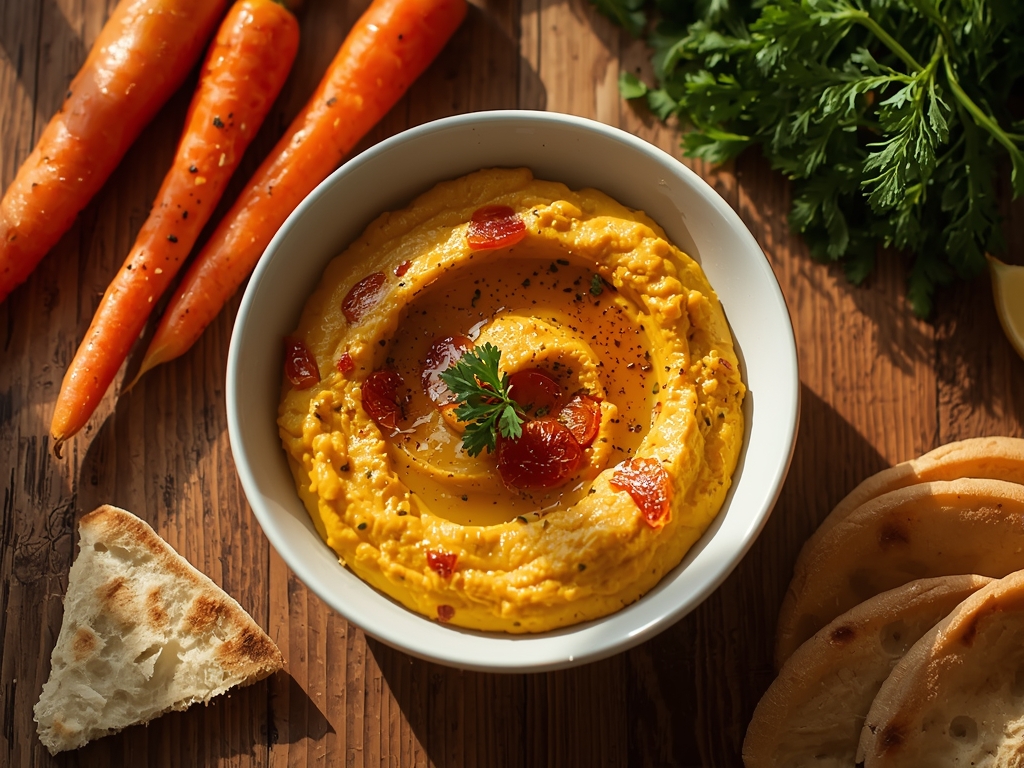
Get ready to transform your snack game with a dip that’s as nourishing as it is delicious. We’re taking hummus to new heights by blending in the earthy sweetness of roasted carrots and parsnips. This recipe is a celebration of the often-overlooked root vegetables, proving that they can be the stars of your appetizer spread.
Why Root Veggies Deserve the Spotlight
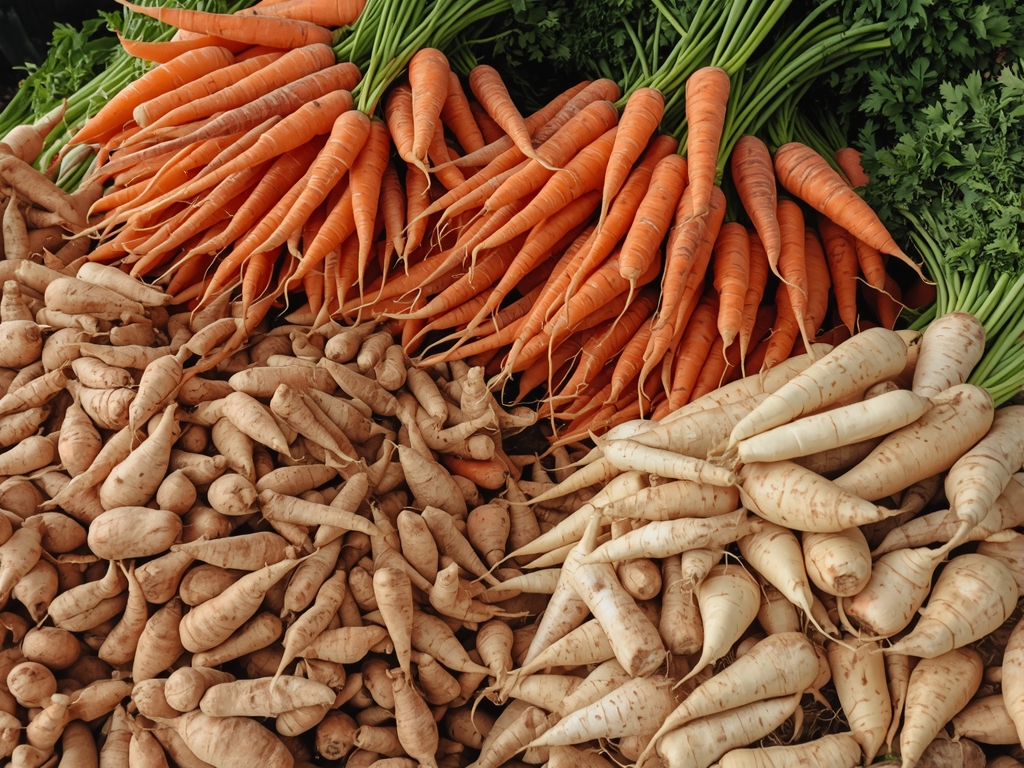
Carrots and parsnips are the unsung heroes of the vegetable world. Packed with vitamins, fiber, and antioxidants, they offer a nutritional punch that’s hard to beat. When roasted, their natural sugars caramelize, creating a depth of flavor that’s simply irresistible.
In the United States, where comfort food reigns supreme, root vegetables have long been a staple in hearty dishes like stews and casseroles. But it’s time to give them a modern twist, showcasing their versatility in a dip that’s perfect for sharing.
The Science of Roasting
Roasting is a dry heat cooking method that transforms the humble root veggie into a sweet, tender treat. As the vegetables heat up, their natural sugars undergo a process called caramelization, creating complex flavors and a rich, golden color.
Ingredient Spotlight: Carrots and Parsnips
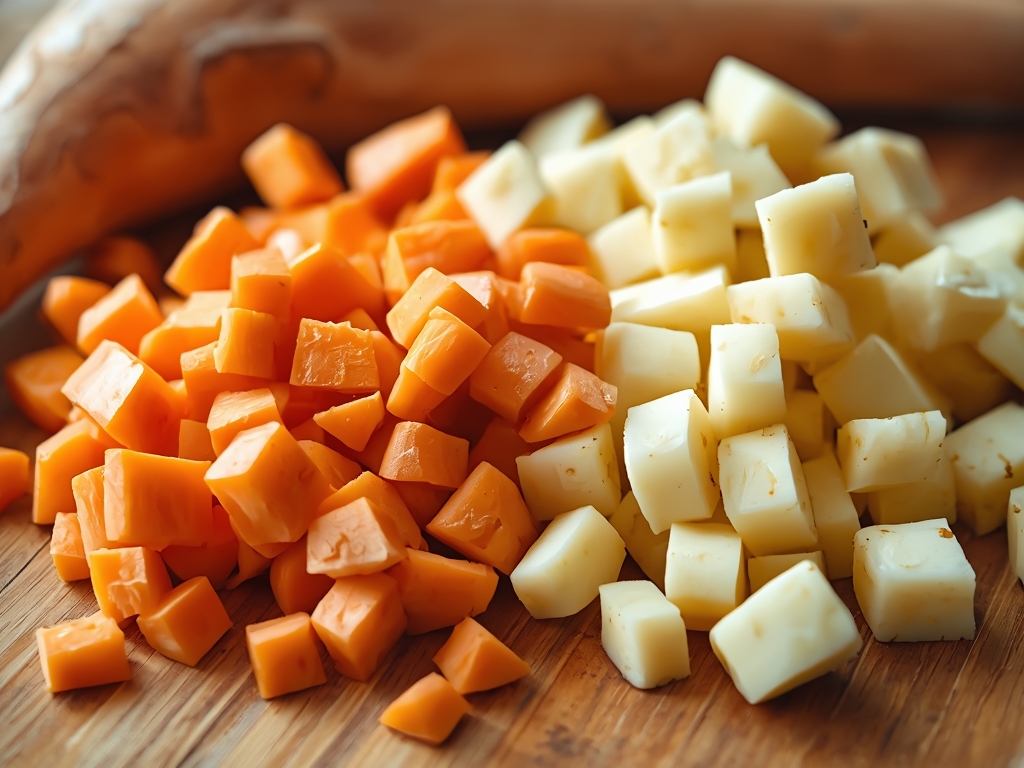
Let’s take a closer look at the stars of our show. Carrots, with their vibrant orange hue, are a good source of vitamin A and antioxidants. Parsnips, often mistaken for pale carrots, have a unique, slightly nutty flavor and are rich in fiber and vitamin C.
When shopping for these root veggies, look for firm, smooth specimens. Avoid any that are soft, wrinkled, or have cracks. For this recipe, we’ll be using about 2 cups of chopped carrots and parsnips, which is roughly 2-3 medium-sized vegetables of each type.
Prepping the Veggies
Before roasting, give your carrots and parsnips a good scrub under running water to remove any dirt. Trim off the ends and peel them if desired, although leaving the skin on adds extra fiber and a rustic texture to your hummus.
Roasting to Perfection

Preheat your oven to 400°F (200°C) and line a sheet pan with parchment paper. Toss your chopped carrots and parsnips with olive oil, making sure they’re well-coated. Spread them out in a single layer on the pan, leaving some space between each piece to ensure even roasting.
Roast for 25-30 minutes, or until the vegetables are tender and slightly charred around the edges. This step is crucial for developing the deep, caramelized flavors that will make your hummus truly special.
The Art of Blending
Once your veggies are roasted to perfection, let them cool slightly before blending. This prevents the hummus from becoming too hot and helps retain its creamy texture. Add the roasted carrots and parsnips to a food processor along with your favorite hummus base – we recommend a combination of chickpeas, tahini, lemon juice, and garlic.
Building the Ultimate Hummus
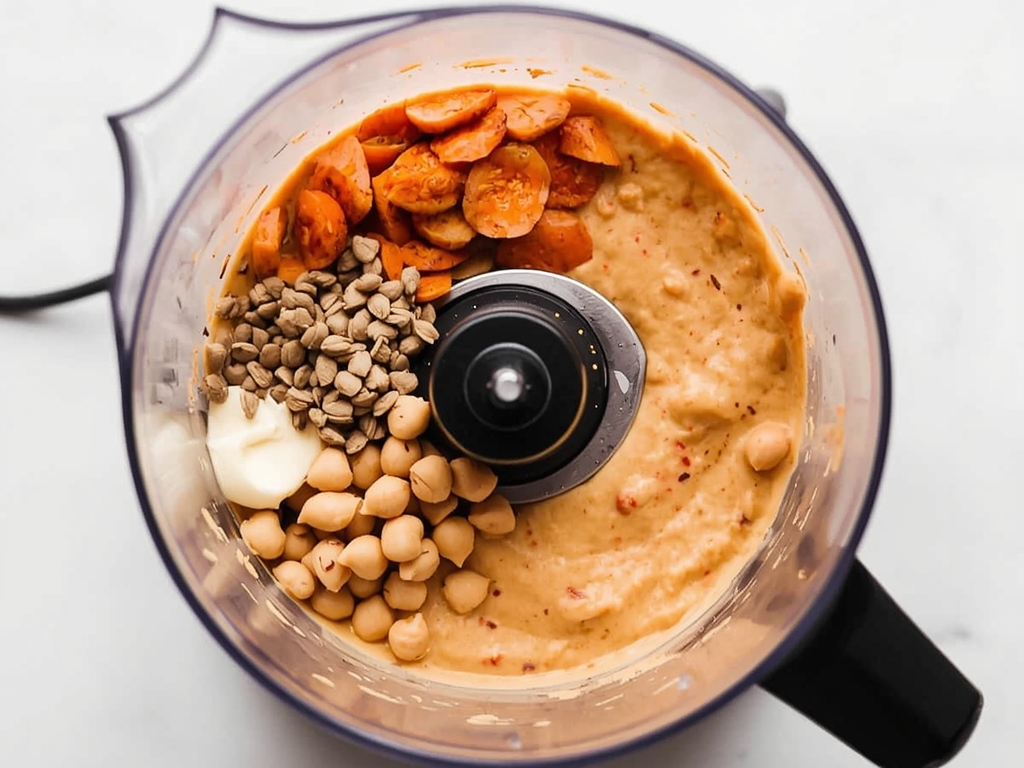
Now it’s time to bring all the elements together. In your food processor, combine the roasted veggies with:
- 1 can (15 oz) chickpeas, drained and rinsed
- 1/4 cup tahini
- 2 tablespoons lemon juice
- 1 clove garlic, minced
- 1/2 teaspoon salt
- 1/4 teaspoon ground cumin
Blend until smooth and creamy, scraping down the sides of the bowl as needed. If the mixture is too thick, add a tablespoon or two of water to reach your desired consistency.
Taste and Adjust
Taste your hummus and adjust the seasoning as needed. If you prefer a tangier dip, add more lemon juice. For a richer flavor, stir in an extra tablespoon of tahini. Don’t be afraid to experiment – this recipe is forgiving and can be tailored to your personal preferences.
Serving Suggestions

This roasted root veggie hummus is a showstopper on any appetizer table. Serve it with a variety of dippers, such as:
- Freshly cut vegetables (carrots, celery, bell peppers)
- Pita bread or chips
- Crackers or crostini
- Pretzels or breadsticks
For a truly American twist, try serving it alongside a classic tailgating spread, complete with buffalo wings and seven-layer dip. Your guests will be raving about this unique, flavorful hummus long after the game ends.
Make-Ahead Tips
This hummus can be made up to 3 days in advance, making it a great option for entertaining. Store it in an airtight container in the refrigerator, and give it a good stir before serving. If the hummus thickens up too much, thin it out with a tablespoon or two of water.
FAQ
Can I use store-bought hummus as a base?
Absolutely! If you’re short on time, start with a high-quality store-bought hummus and blend in your roasted carrots and parsnips. You may need to adjust the seasoning, but it’s a great time-saving option.
Can I freeze this hummus?
We don’t recommend freezing this hummus, as the texture can become grainy when thawed. Instead, make a fresh batch and enjoy it within a few days.
What other root vegetables can I use?
Feel free to experiment with other root vegetables, such as sweet potatoes, beets, or turnips. Each will bring its unique flavor and color to the hummus, so have fun and get creative!
Is this recipe gluten-free?
Yes, this roasted root veggie hummus is naturally gluten-free, making it a great option for those with gluten sensitivities or celiac disease. Just be sure to serve it with gluten-free dippers, such as fresh vegetables or gluten-free crackers.
Can I make this recipe vegan?
This recipe is already vegan, as it doesn’t contain any animal products. Enjoy it as part of a plant-based diet or serve it to your vegan friends and family.

Amara writes for the Tasty Remakes category, turning everyday leftovers into creative new dishes. Her recipes focus on practical transformations that save time and reduce food waste — proving that yesterday’s dinner can become today’s best meal.

← Previous
Leftover Cornbread Panzanella: Southern Twist on Italian Salad
Next →
Leftover Brisket Stroganoff: Smoky, Creamy, and Irresistible
Rate This Recipe
Tried this recipe? Share your experience and help others!