Follow Me On Social Media!

From Roasted Veggie to Creamy Comfort: A Cauliflower’s Two-Day Journey

Cauliflower, often overlooked in the produce aisle, is a true chameleon in the kitchen. This unassuming veggie transforms from a simple side dish to a decadent pasta sauce with just a little creativity. Over the next two days, we’ll show you how to unlock its full potential, starting with a classic roast and ending with a creamy, comforting pasta sauce.
Day 1: Roasted Cauliflower Perfection

The Art of the Roast
Roasting is a game-changer for cauliflower. It brings out its natural sweetness and creates a crispy, caramelized exterior. Think of it as the vegetable equivalent of a perfectly seared steak. Here’s how to achieve that irresistible texture and flavor:
- Preheat your oven to 425°F (220°C) – hot enough to get that gorgeous golden color.
- Cut the cauliflower into uniform florets for even cooking.
- Toss with olive oil, salt, and pepper – keep it simple to let the cauliflower shine.
- Spread on a single layer on a baking sheet to ensure maximum crispiness.
Serving Suggestions
This roasted cauliflower is a versatile side dish that pairs well with a variety of mains. Try it alongside:
- Grilled chicken or steak for a classic American BBQ vibe.
- Baked salmon with a squeeze of lemon for a lighter, Mediterranean-inspired meal.
- A hearty vegetarian stew or chili for a comforting, plant-based dinner.
Day 2: Creamy Cauliflower Pasta Sauce

Transforming Leftovers into Luxury
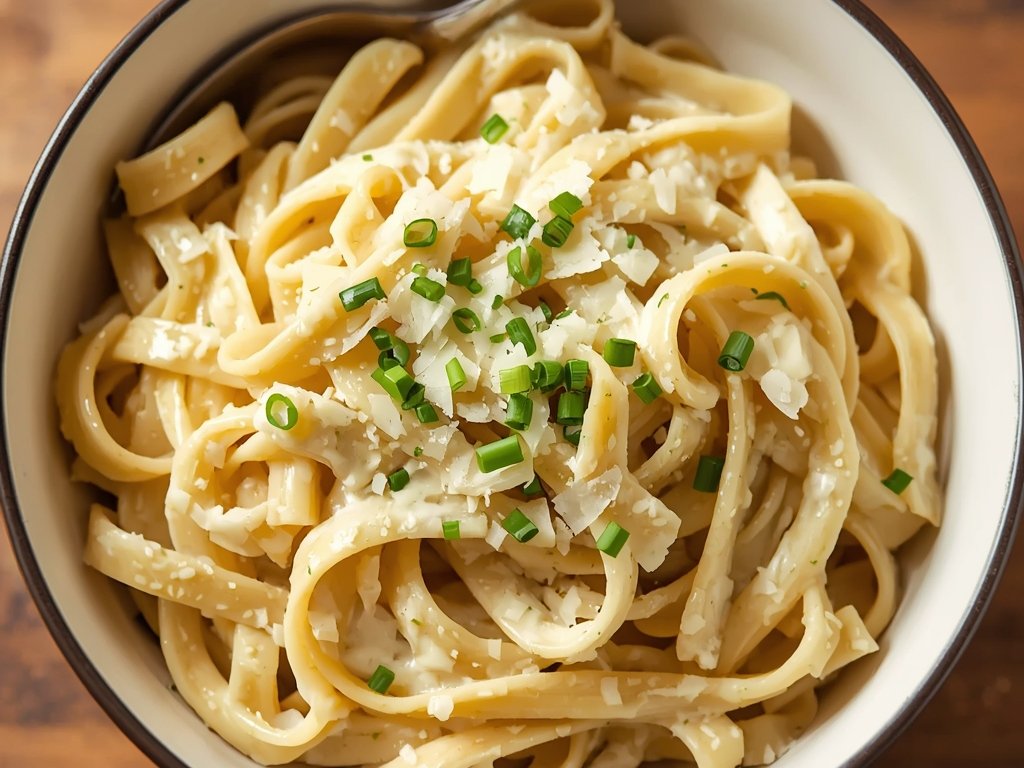
Don’t let any leftover cauliflower go to waste! On day two, we’re turning it into a luxurious pasta sauce that rivals any restaurant’s Alfredo. This recipe is a great way to sneak in extra veggies for picky eaters, too.
Sauce Secrets
The key to this sauce is blending the roasted cauliflower into a smooth, creamy base. Here’s how to make it irresistible:
- Sauté garlic and onion in butter for a flavorful foundation.
- Blend the roasted cauliflower with milk or cream and a touch of nutmeg for warmth.
- Simmer the sauce to thicken it, then toss with your favorite pasta shape.
- Finish with a sprinkle of Parmesan cheese and fresh herbs for a restaurant-worthy dish.
Why Cauliflower Deserves a Spot in Your Weekly Menu
Nutritional Powerhouse
Cauliflower isn’t just delicious – it’s packed with nutrients. It’s low in calories but high in:
- Vitamin C for immune support
- Fiber for digestive health
- Antioxidants to combat inflammation
Plus, its mild flavor makes it a great canvas for bold spices and sauces.
Budget-Friendly and Versatile
Cauliflower is an affordable vegetable that’s available year-round. Its versatility means you can use it in:
- Stir-fries and curries
- Mashed cauliflower as a low-carb potato alternative
- Pizza crusts and breadsticks for gluten-free options
Tips for Cauliflower Success
Choosing the Best Cauliflower
Look for a cauliflower with these qualities:
- Compact, cream-colored florets without brown spots
- Bright green leaves that are crisp and fresh
- A heavy head for its size, indicating moisture content
Storage and Prep
To keep your cauliflower fresh:
- Store it in the refrigerator crisper drawer for up to 5 days.
- Leave the leaves on until ready to use to retain moisture.
- Soak the head in saltwater for 30 minutes to remove any pests before cooking.
FAQ
Can I use frozen cauliflower for these recipes?
While fresh cauliflower is preferred for the best texture, you can use frozen cauliflower for the pasta sauce. Thaw and pat it dry before blending to avoid a watery sauce.
How can I make the roasted cauliflower crispy?
Ensure your oven is fully preheated, use a high temperature (425°F), and avoid overcrowding the pan. A light coating of oil and a single layer of florets are key.
Is cauliflower keto-friendly?
Yes, cauliflower is a popular low-carb vegetable in keto diets. One cup of raw cauliflower contains only about 2 grams of net carbs.
Can I make the pasta sauce dairy-free?
Absolutely! Substitute the milk or cream with unsweetened almond milk or coconut cream, and use a dairy-free Parmesan alternative.
How do I reheat leftover pasta sauce?
Gently reheat the sauce in a saucepan over medium heat, adding a splash of milk or water to loosen it. Avoid boiling, as this can cause the sauce to separate.


Sofia writes for the Smart Prep category, covering meal planning strategies, batch cooking techniques, and weekly prep guides. Her articles help busy families organize their cooking to save time and money.

← Previous
Meatloaf Sandwich Ideas: Dinner Tonight, Lunch Tomorrow
Next →
Hard-Boiled Egg Mastery: Snacks & Cobb Salad Secrets