Follow Me On Social Media!

Reheating Baklava: How to Keep the Fillo Pastry Extra Crispy.
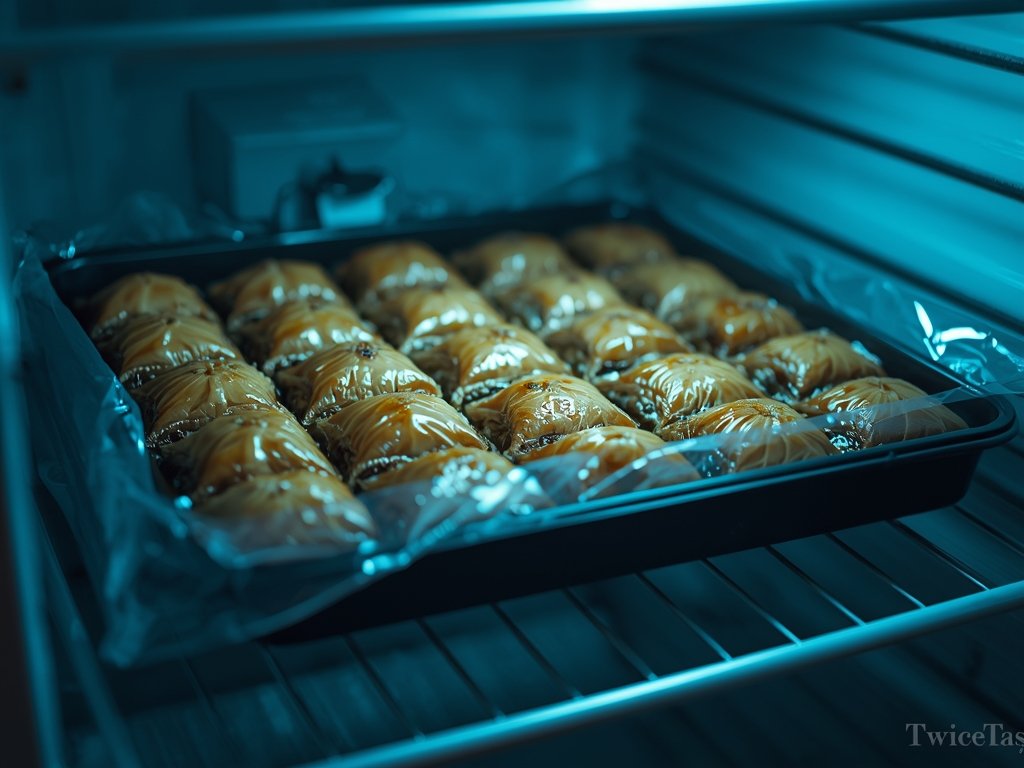
There is a very specific sound that defines a perfect piece of baklava. It isn’t a chew, and it certainly isn’t a squish. It’s a shatter. That high-pitched, delicate crunch as your fork breaks through the golden, bronzed top layer, followed immediately by the yielding stickiness of the nuts and the rush of syrup. It’s a textural symphony. But if you’ve ever made a massive tray of this stuff for a dinner party—because let’s be honest, no one makes just a small batch of baklava—you know that the morning after is a different story.
You open the fridge, looking for a sweet treat with your coffee, and you find a tray that looks tragically tired. The towering, flaky layers have collapsed under their own weight. The crisp edges have gone soft and flexible, absorbing moisture from the air like a sponge. The vibrant, buttery yellow has dulled to a waxy pale gold. It’s still edible, sure, but that magic “shatter” is gone. It’s chewy. It’s dense. Most people just shrug and eat it cold, accepting that the glory days are over. But if you understand how fillo dough and sugar syrup interact in a cold environment, you can actually bring that crunch back. It takes a gentle hand and a little bit of heat science, but you can absolutely resurrect that pastry.
The War Between Dry Dough and Wet Syrup
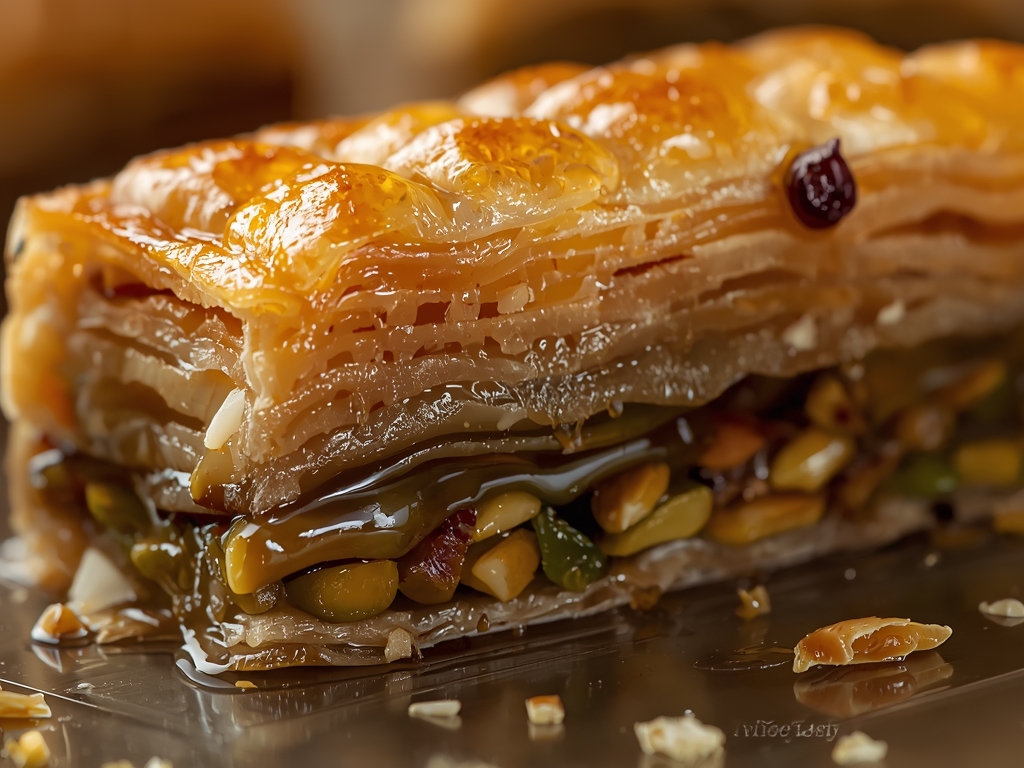
To fix the texture, we have to understand what went wrong in the fridge. Baklava is a structural engineering marvel made of two opposing forces: incredibly dry, brittle starch (the fillo) and incredibly wet, hygroscopic sugar (the syrup). When you first assemble it, you brush those paper-thin sheets of dough with melted butter. The fat waterproofs the flour slightly, creating those flaky layers that separate when baked. Then, you pour the hot syrup over the hot pastry.
Ideally, the hot syrup is absorbed just enough to sweeten the nuts and bind the layers, but the heat of the pastry keeps the syrup fluid. However, once you put that tray in the fridge, the temperature drops, and the air inside the fridge is surprisingly humid. Cold air holds less moisture than warm air, but in a sealed box (or even just wrapped in plastic), the moisture from the syrup and the butter condenses. The fillo dough, being essentially dehydrated flour, starts drinking up that ambient moisture. The starch granules soften. The crispy lattice work turns into a kind of sweet, wet papier-mâché.
The microwave is the absolute worst tool for this because it adds more water—steam—into the equation. It excites the water molecules already saturating the pastry, turning the soft layers into a gummy, steamed cake. We need to do the opposite. We need to pull the water out. We need to dehydrate the surface layers just enough to bring back that structural rigidity without cooking the sugar to the point of burning.
The Low-and-Slow Dry Roast
The air fryer is tempting here because it’s great for fried food, but it’s too aggressive for delicate baklava. The nuts will toast and burn before the pastry in the middle has a chance to dry out. The sugar in the syrup can scorch and turn bitter in the high, direct heat of an air fryer fan. We need the passive, encompassing heat of an oven.
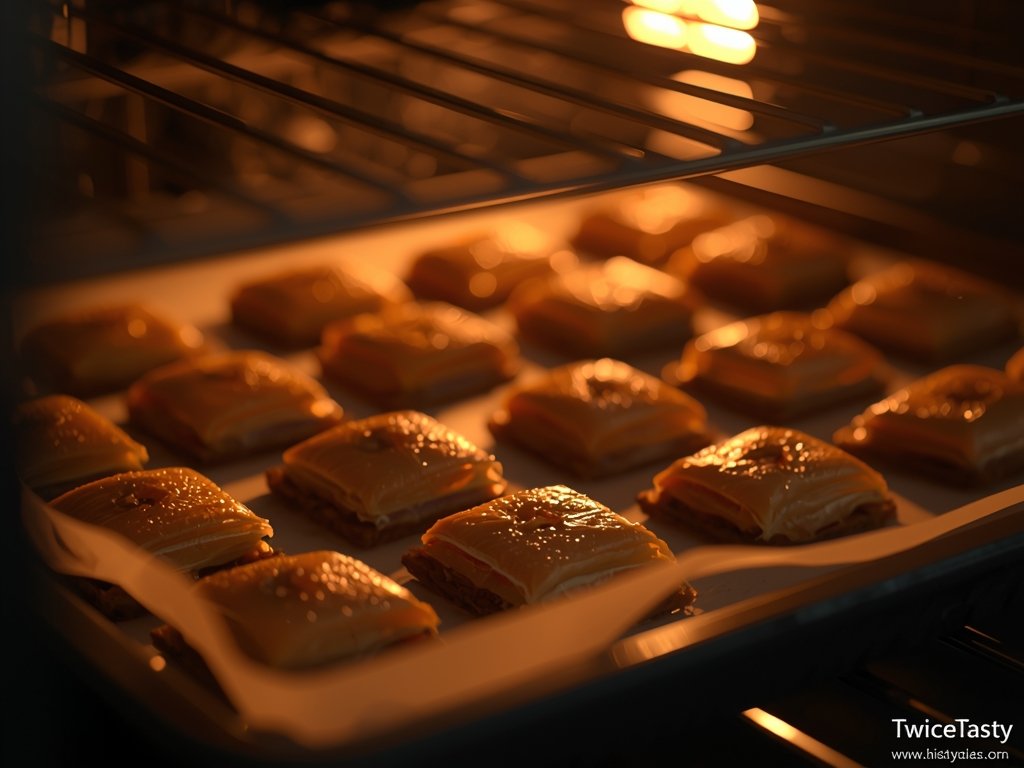
Set your oven to a low temperature—around 300°F (150°C). You aren’t trying to bake it again; you’re trying to gently evaporate the surface moisture. Think of it like drying your hair: you don’t blast it on the hottest setting right against the strands; you use a warm airflow to smooth it out.
Line a baking sheet with parchment paper. This isn’t strictly for sticking, but it makes cleanup easier if any syrup leaks out. Arrange your pieces of baklava on the sheet. Give them space. Do not stack them. If the pieces are touching, the moisture trapped between them will just steam each other, and we’re back to square one. We want hot, dry air to circulate around every single edge of that pastry.
Place them in the oven. This is the part where patience pays off. It’s going to take about 10 to 15 minutes, depending on how thick your pieces are and how cold they were. You’ll start to smell the butter again—that rich, nutty aroma that filled the kitchen the first time you made it. That’s a good sign. The fats are warming up and becoming fluid again, and the water on the surface is turning to steam and leaving the building.
Keep an eye on the edges. You want them to turn a deep golden brown, not black. Since the syrup is already caramelized sugar, it goes from brown to burnt very quickly. If you see the edges darkening too fast, tent the tray loosely with a piece of foil for the last few minutes. The foil traps a little heat but protects the sugar from direct radiant heat.
Listening for the Crunch
You can’t really see “crispness,” but you can hear it. When you pull the tray out, let it sit for just a couple of minutes. The sugar needs to set slightly so it doesn’t burn your mouth, but you want to test the texture while it’s still warm. Gently tap the top of a piece with a fork. Listen. Does it sound hard? Does it sound like a rustle of dry leaves?
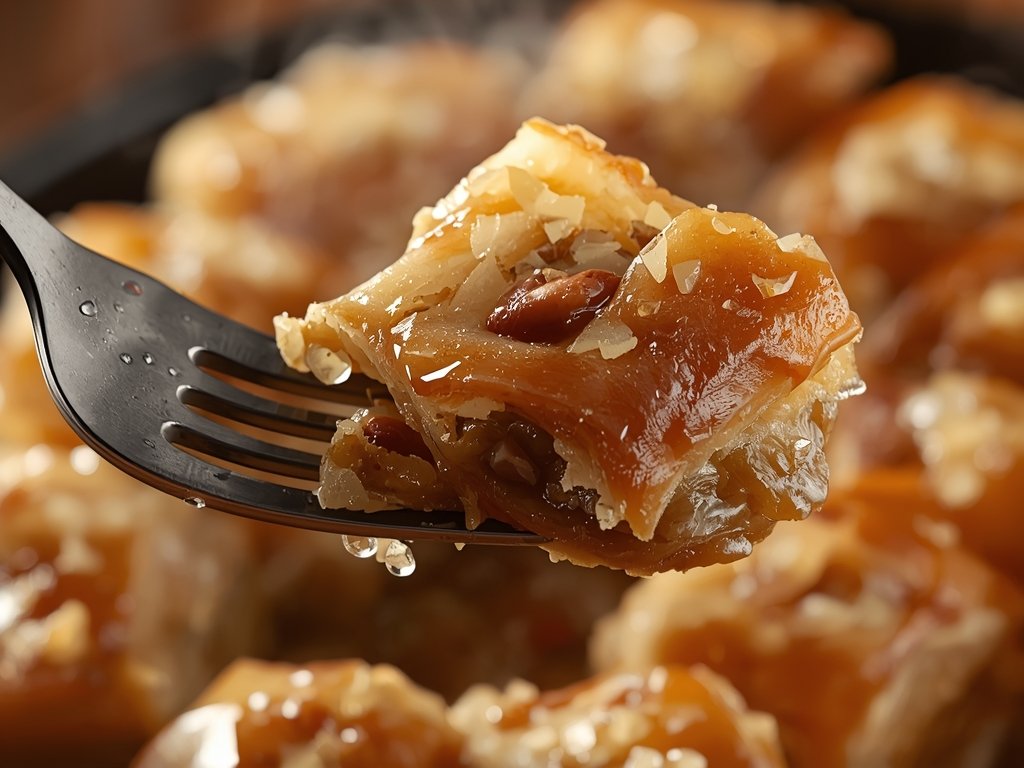
If it still feels soft or gives way easily to pressure, put it back in for another three minutes. We are looking for that structural integrity. The goal is for the outer layers to be bone-dry and crisp, while the interior remains moist and syrupy. That contrast is the whole point of baklava.
Once you hear that crackle, you’re in business. The reheating process has effectively re-crisped the starch by removing the excess moisture, while simultaneously warming the syrup inside. Warm syrup is more fluid and viscous than cold syrup. Cold syrup can be sluggish and cloying; warm syrup is a river of flavor that coats your tongue. By warming the whole piece, you’ve lowered the viscosity of the sugar, making the dessert taste significantly sweeter and more aromatic without adding a single gram of sugar.
The Citrus Zest Upgrade
Now that we’ve fixed the texture, let’s talk about the flavor profile. Cold baklava can taste a little one-dimensional—just sweet and nutty. When you heat it up, that sweetness intensifies. Sometimes, it can become too sweet, hitting your palate with a wall of sugar that numbs the taste buds.
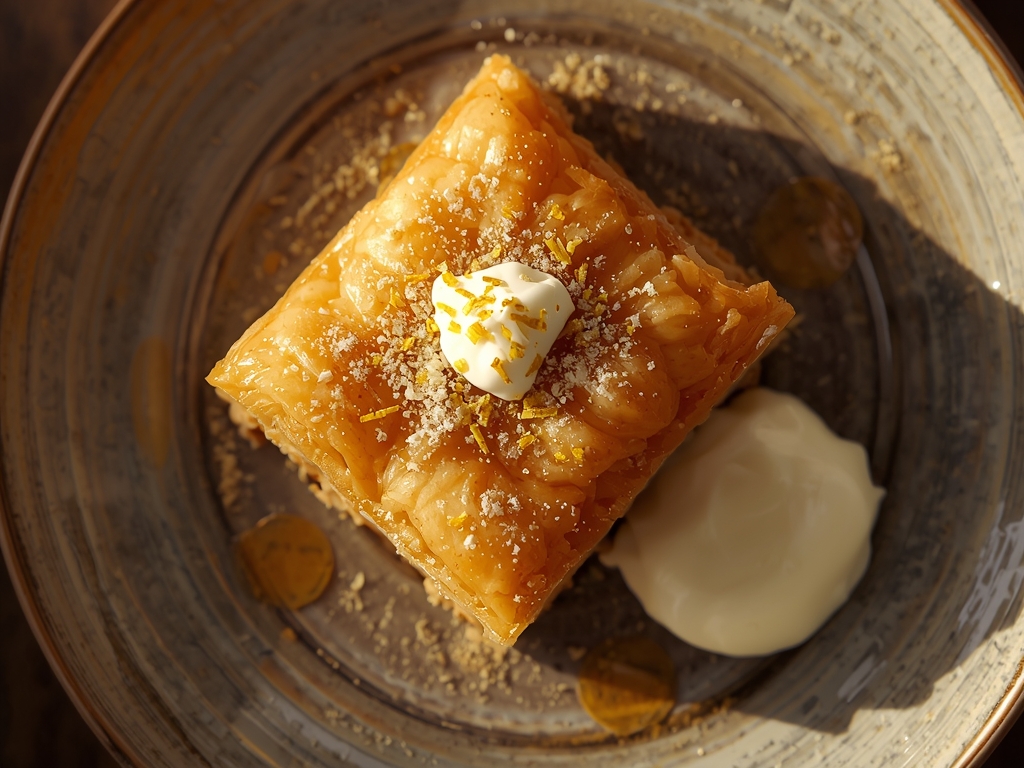
This is where the “Pro Move” comes in. While your baklava is in the oven, grab a lemon or an orange—whatever citrus was used in the syrup (or just lemon if you aren’t sure). Use a microplane to zest a small amount of the peel into a bowl. Do this right before you serve.
When the baklava comes out of the oven and has that gorgeous, golden, crispy top, sprinkle that fresh zest over the tray. The heat of the pastry will instantly release the essential oils from the zest. You’ll get a burst of floral, citrus aroma that cuts right through the heavy butter and sugar. It adds a brightness that balances the richness. It makes the dessert feel “fresh” rather than “reheated.”
Another fantastic trick, if you want to feel like a pastry chef, is to serve it with a dollop of unsweetened, full-fat Greek yogurt on the side. The tanginess and the cold temperature of the yogurt provide a massive contrast to the hot, sweet, crunchy baklava. It cleanses the palate between bites. But honestly, just getting that shatter back is usually enough to make you feel like you’ve baked a whole new tray.
Don’t let that leftover tray sit in the back of the fridge, turning into a soggy brick. Give it ten minutes in a warm oven, listen for the crunch, and enjoy the fact that you’ve just hacked the system. Great leftovers aren’t just about sustenance; they’re about second chances at perfection.
Frequently Asked Questions
Can I reheat frozen baklava?
Absolutely, and actually, freezing is a great way to store it. Don’t thaw it first. Place the frozen pieces directly onto your baking sheet and put them in a 300°F oven. It will just take a few minutes longer—maybe 15 to 20 minutes. This slow thaw-and-heat process helps drive off any ice crystals that might have formed on the fillo, keeping it surprisingly crisp.
Why did my baklava get soggy in the first place? It’s usually the syrup-to-pastry ratio or the cooling process. If you poured cold syrup over hot pastry, the shock can cause the syrup to pool at the bottom rather than distribute evenly. Also, if you covered it with plastic wrap before it was completely cool, the trapped steam would have softened the top layers. Always let it cool uncovered on the counter before storing.
Is there any way to make it crispy in the microwave? I hesitate to say never, but it’s incredibly difficult. If you are desperate, try putting a microwave-safe cup of water in the microwave alongside the plate of baklava. The theory is that the water will absorb some of the energy and prevent the pastry from steaming too much, but it’s a gamble. It’s better to eat it cold or soft than to ruin it with a rubbery microwave texture. Stick to the oven for the shatter.

The Twice Tasty Team is a collective of culinary researchers and kitchen gear experts dedicated to the art of food revival. We test every technique in our “Flavor Lab” to help you reduce food waste and transform yesterday’s meals into gourmet experiences. Professional quality, tested results.