Follow Me On Social Media!

The French Toast Conundrum: Why Reheating Ruins the Magic

French toast is a breakfast staple, a comforting classic that evokes memories of lazy Sunday mornings and maple syrup-soaked bliss. But let’s face it, reheating this delicacy often results in a sad, soggy mess or a dry, crispy disappointment. The culprit? The delicate balance between the crispy exterior and the soft, custard-like interior.
When reheated improperly, the moisture within the bread escapes, leaving you with a texture akin to cardboard. Or, worse yet, the heat can cause the custard to curdle, resulting in a grainy, unappetizing mouthfeel. Fear not, fellow French toast enthusiasts, for we’ve embarked on a quest to discover the secrets of reheating this breakfast masterpiece without sacrificing its signature softness.
The Science Behind the Softness: Understanding French Toast’s Delicate Nature

To master the art of reheating French toast, we must first understand its unique composition. The magic lies in the custard base, typically made from eggs, milk, and a touch of sugar, which soaks into the bread, transforming its texture. This process, known as “custarding,” creates a soft, creamy interior that contrasts beautifully with the crispy exterior.
However, this delicate balance is easily disrupted by heat. When reheating, the goal is to gently warm the toast without causing the custard to separate or the bread to dry out. This requires a nuanced approach, one that considers both temperature and moisture levels.
The Role of Moisture: Keeping the Custard Intact
Moisture is the key to maintaining the soft interior of French toast. When reheating, we need to replenish the moisture lost during the initial cooking process. This can be achieved through various methods, such as steaming, covering the toast, or adding a small amount of liquid.
By creating a humid environment, we prevent the custard from drying out and maintain its creamy texture. This is especially important when using drier breads, which are more prone to becoming crumbly when reheated.
Mastering the Art of Reheating: Techniques for a Perfectly Soft Interior

Now that we understand the science behind French toast’s softness, let’s explore the techniques for reheating it to perfection. From stovetop methods to oven tricks, we’ve got you covered.
Stovetop Revival: The Skillet Method
For a quick and easy reheating method, look no further than your trusty skillet. Start by preheating a non-stick pan over medium heat. Add a small amount of butter or oil to prevent sticking, and gently place the French toast in the pan.
Cover the skillet with a lid to create a steamy environment, and heat the toast for 2-3 minutes on each side. This method helps to retain moisture and prevents the custard from drying out. For an extra boost of flavor, add a splash of milk or cream to the pan, allowing it to soak into the toast as it heats.
Oven Magic: The Slow and Steady Approach
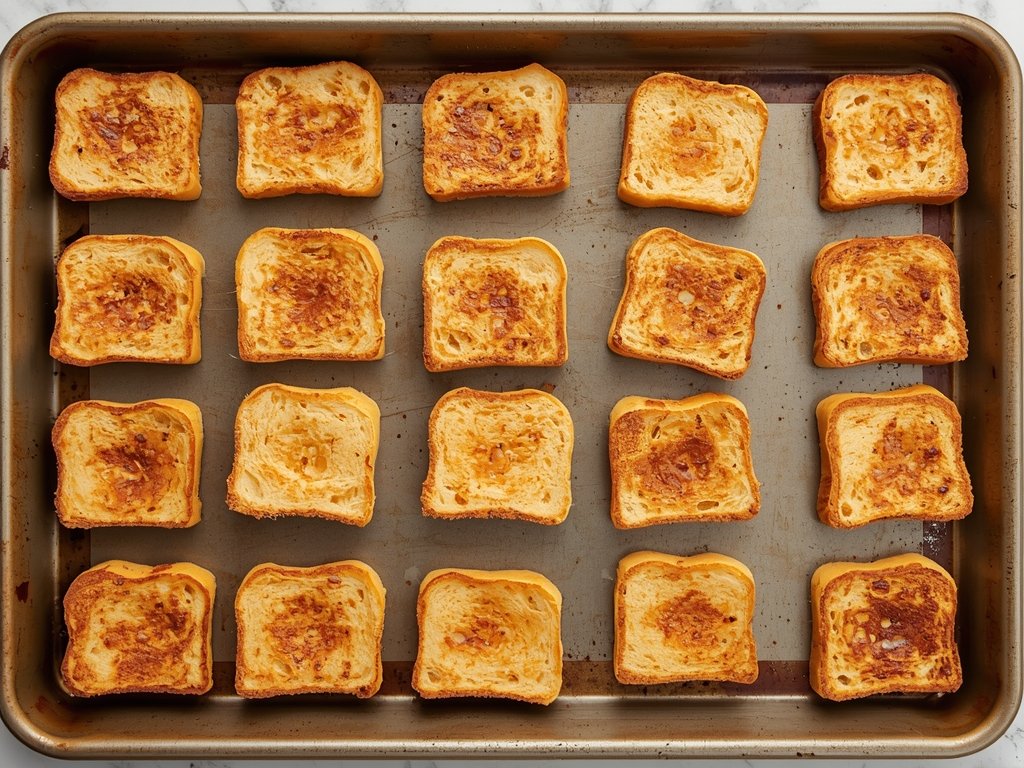
If you’re reheating a larger batch of French toast, the oven is your best friend. Preheat your oven to 350°F (175°C) and arrange the toast in a single layer on a baking sheet. Cover the sheet with aluminum foil to create a humid environment, and heat the toast for 10-15 minutes.
For an extra touch of indulgence, brush the toast with a small amount of melted butter before reheating. This will help to crisp up the exterior while keeping the interior soft and creamy. Be careful not to overheat, as this can cause the custard to curdle.
Microwave Mastery: A Quick Fix for Busy Mornings
We know, we know – the microwave isn’t typically associated with culinary excellence. But when it comes to reheating French toast, it can be a lifesaver on busy mornings. The key is to use a low power setting and to cover the toast with a damp paper towel.
This creates a steamy environment, helping to retain moisture and prevent the custard from drying out. Heat the toast in 30-second intervals, checking frequently to ensure it doesn’t overcook. While this method may not produce the same crispy exterior as the stovetop or oven methods, it’s a convenient option for those short on time.
Creative Twists: Elevating Your Reheated French Toast Game

Now that you’ve mastered the art of reheating French toast, it’s time to get creative. With a few simple twists, you can elevate this breakfast classic to new heights. From sweet toppings to savory fillings, the possibilities are endless.
Sweet Sensations: Toppings and Syrups
Let’s start with the classics: maple syrup, powdered sugar, and fresh fruit. But why stop there? Try drizzling your reheated French toast with caramel sauce, chocolate ganache, or even a fruity compote. For a decadent touch, add a dollop of whipped cream or a scoop of vanilla ice cream.
If you’re feeling adventurous, experiment with unique flavor combinations. How about a sprinkle of cinnamon and a drizzle of honey? Or a topping of crushed cookies and cream? The key is to have fun and let your creativity run wild.
Savory Surprises: Fillings and Accompaniments
Who says French toast has to be sweet? With a few simple tweaks, you can transform this breakfast classic into a savory masterpiece. Try filling your reheated French toast with cheese, ham, or even a fried egg. Top it with a drizzle of hollandaise sauce or a sprinkle of fresh herbs.
For a heartier meal, serve your savory French toast alongside a side of breakfast potatoes or a crisp green salad. This unexpected twist is sure to impress even the most skeptical of brunch guests.
Batch Cooking and Storage: Making Mornings a Breeze
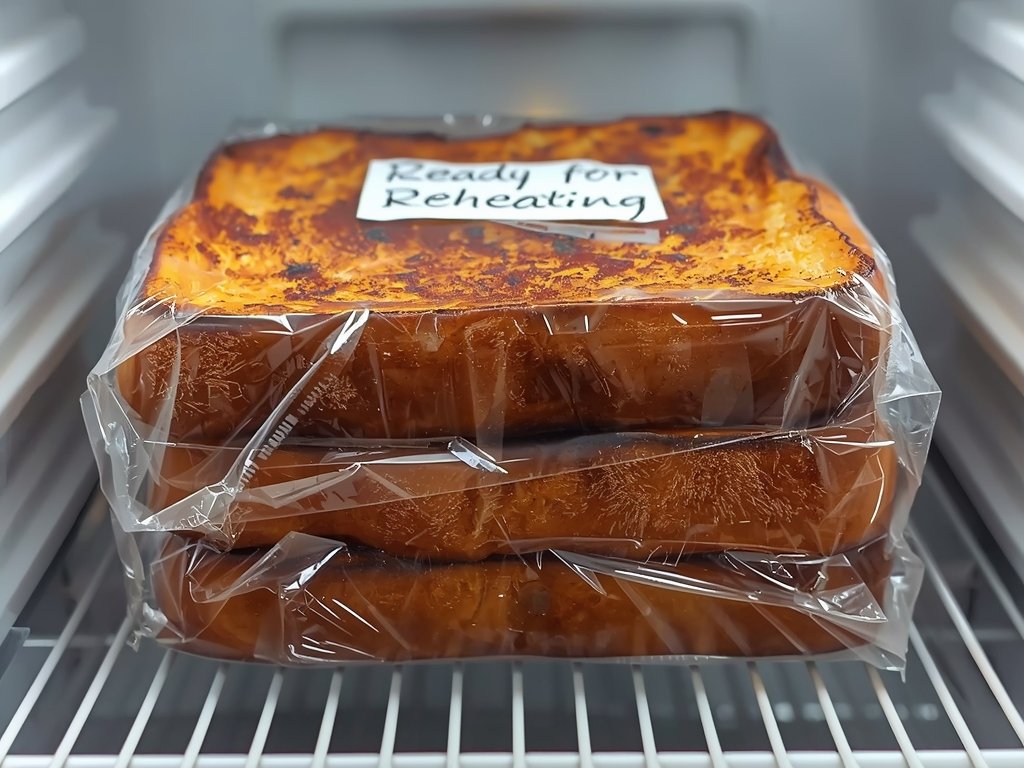
One of the best things about French toast is that it’s perfect for batch cooking. By making a large batch ahead of time, you can enjoy this breakfast classic throughout the week with minimal effort. But proper storage is key to maintaining its freshness and texture.
Freezing and Thawing: A Long-Term Solution
To freeze French toast, allow it to cool completely before wrapping it tightly in plastic wrap and storing it in an airtight container. When ready to reheat, simply thaw the toast in the refrigerator overnight and use one of the methods outlined above.
For best results, consume frozen French toast within 2-3 months. This makes it an ideal option for meal prep or for those who want to stock up on breakfast essentials.
Refrigerator Storage: A Short-Term Option
If you’re planning to consume your French toast within a few days, refrigerator storage is a convenient option. Wrap the toast tightly in plastic wrap or store it in an airtight container, and consume within 3-4 days.
When reheating refrigerated French toast, be sure to use a method that replenishes moisture, such as the skillet or oven techniques. This will help to restore the toast’s original texture and prevent it from drying out.
FAQ
Can I reheat French toast in the toaster?
While it’s possible to reheat French toast in the toaster, it’s not recommended. The high heat can cause the custard to dry out and the exterior to become too crispy. Stick to gentler reheating methods like the skillet, oven, or microwave for best results.
How long can I store French toast in the refrigerator?
French toast can be stored in the refrigerator for 3-4 days. Be sure to wrap it tightly in plastic wrap or store it in an airtight container to maintain its freshness.
Can I use stale bread for French toast?
Absolutely! Stale bread is actually ideal for French toast, as it absorbs the custard mixture more effectively. Just be sure to soak the bread for a few extra minutes to ensure it’s fully saturated.
What’s the best type of bread for French toast?
Thick, sturdy breads like brioche, challah, or Texas toast work best for French toast. These breads hold up well to the custard mixture and maintain their texture during cooking and reheating.
Can I make French toast without eggs?
While eggs are a key ingredient in traditional French toast, you can make a vegan version using a mixture of plant-based milk, cornstarch, and a touch of sugar. The result won’t be exactly the same, but it’s a great alternative for those with dietary restrictions.

Marco covers the Reheat Pro category on TwiceTasty, focusing on reheating techniques and texture preservation. His articles help home cooks bring leftovers back to life with the right methods for every type of food — from crispy fried chicken to creamy pastas.

← Previous
Reheat Phyllo Meat Pies Perfectly: Crispy, Not Greasy
Next →
Revive Leftover Schnitzel: Air Fryer Magic Revealed