Follow Me On Social Media!

The Science Behind Safe Cooking Temperatures

Cooking meat to the right temperature is more than just a culinary preference; it’s a matter of food safety. The USDA recommends specific internal temperatures to kill harmful bacteria like Salmonella and E. coli. But why does 1 degree matter so much? It’s all about the science of protein denaturation and bacterial death. At the right temperature, proteins in bacteria break down, rendering them harmless. Miss that mark, and you risk foodborne illness. For instance, poultry needs to hit 165°F, while beef can be safely consumed at 145°F for medium-rare. Understanding these thresholds is the first step to mastering food safety in your kitchen.
The Hidden Dangers of Undercooked Meat
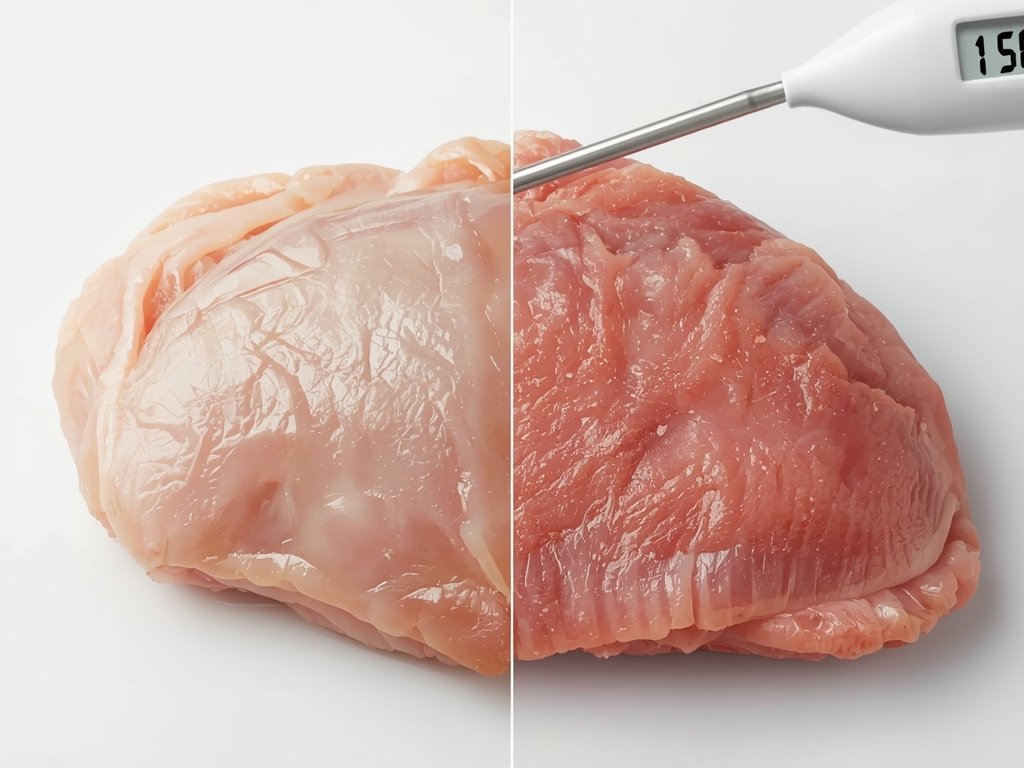
Undercooked meat isn’t just unappetizing—it’s dangerous. Bacteria like Campylobacter and Salmonella thrive in undercooked poultry, while E. coli can lurk in ground beef. Even a 1-degree difference can mean the difference between safe and unsafe food. For example, ground meats should reach 160°F to ensure all bacteria are killed. Symptoms of foodborne illness can range from mild nausea to severe dehydration, and in extreme cases, hospitalization. It’s not worth the risk. Always use a meat thermometer to verify doneness, especially when cooking for vulnerable groups like children, pregnant women, or the elderly.
How to Choose the Right Meat Thermometer

Not all meat thermometers are created equal. Instant-read thermometers are great for quick checks, while leave-in models are ideal for roasts and large cuts. Digital thermometers offer precision, often accurate within 1 degree, while analog versions can be less reliable. Look for features like a long probe for deep cuts, a backlit display for grilling in low light, and a fast response time. Brands like ThermoWorks and Taylor are trusted by professional chefs and home cooks alike. Investing in a high-quality thermometer is one of the best ways to ensure food safety and culinary success.
Common Mistakes When Using a Meat Thermometer

Even the best tools are useless if not used correctly. One common mistake is inserting the thermometer into the wrong spot. Always place it in the thickest part of the meat, away from bone or fat, which can give false readings. Another error is not calibrating your thermometer. Over time, thermometers can lose accuracy, so check and adjust them periodically. Finally, don’t rely on color or texture alone. A pink center doesn’t always mean undercooked, and a brown exterior doesn’t guarantee safety. The thermometer is your ultimate guide to perfectly cooked, safe meat.
Regional Favorites and Safe Cooking Temperatures
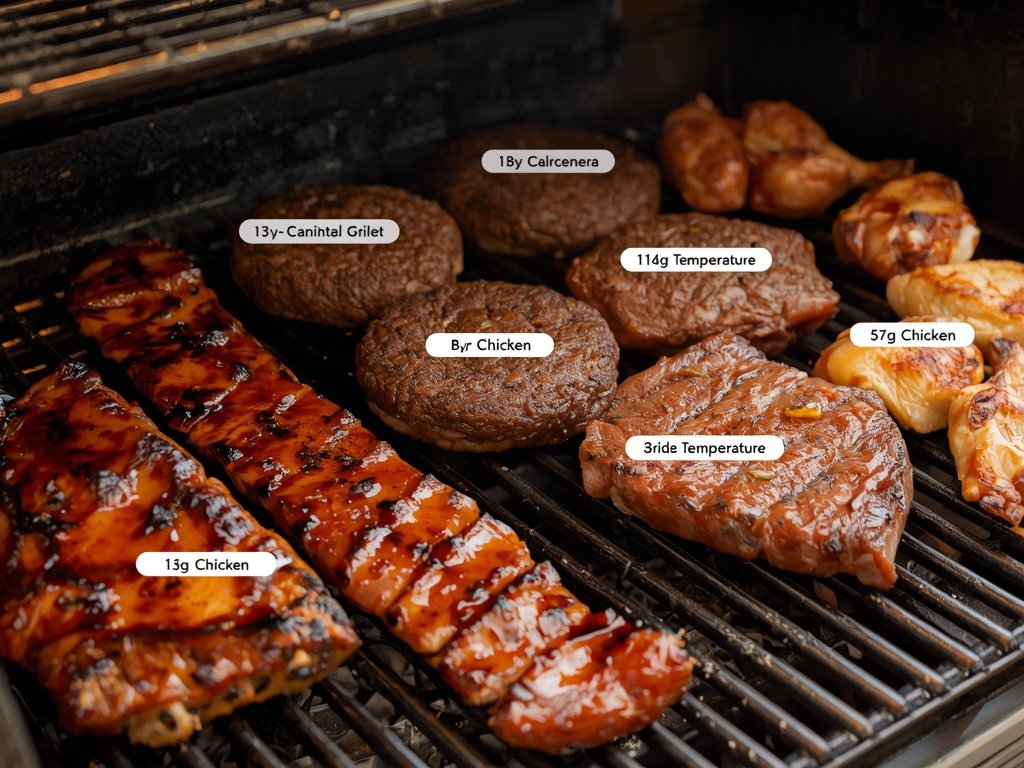
From Texas brisket to New England clam bakes, American cuisine is as diverse as its regions. But no matter the dish, food safety remains the same. For barbecue lovers, pork shoulder should reach 145°F for optimal safety and tenderness. In the Midwest, where pot roasts reign supreme, beef should hit 145°F for medium-rare. On the West Coast, where seafood is king, fish should be cooked to 145°F to ensure flakiness without dryness. Knowing the safe temperatures for your favorite regional dishes ensures you can enjoy them without worry.
The Role of Resting Time in Food Safety

Resting meat isn’t just about juiciness—it’s also about safety. As meat rests, its internal temperature continues to rise by 5-10 degrees, a process called carryover cooking. This means you can pull your meat off the heat a few degrees below the target temperature and let it finish cooking during resting. For example, remove a steak at 135°F for medium-rare, and it’ll reach 145°F as it rests. This technique ensures perfectly cooked meat while minimizing the risk of overcooking. It’s a win-win for both flavor and safety.
FAQ
Can I use a meat thermometer for frozen meat?
No, meat thermometers are designed for use in fully thawed meat. Inserting a thermometer into frozen meat can give inaccurate readings and damage the probe.
How often should I calibrate my meat thermometer?
Calibrate your thermometer at least once a month, or before cooking for large gatherings. Use the ice water or boiling water method to ensure accuracy.
Is it safe to eat medium-rare burgers?
While medium-rare burgers can be safe if prepared correctly, the USDA recommends cooking ground beef to 160°F to eliminate any bacteria that may be present throughout the meat.
Can I reuse a meat thermometer for different types of meat?
Yes, but always clean the probe with hot, soapy water or sanitize it with alcohol between uses to prevent cross-contamination.
What’s the best way to store a meat thermometer?
Store your thermometer in a dry, cool place, preferably in a protective case to prevent damage to the probe. Avoid leaving it in extreme temperatures, which can affect its accuracy.

David handles the Kitchen Gear category, reviewing tools, equipment, and accessories that make cooking and food storage easier. His articles focus on practical recommendations for everyday home cooks.

← Previous
Air Fryer Safety: Silicon Mats vs Parchment Paper
Next →
Mortar and Pestle vs. Spice Grinder: Which Boosts Flavor?