Follow Me On Social Media!

Reheating Leftover Salmon: Tips to Keep it Moist and Delicious
The Beauty of Leftover Salmon
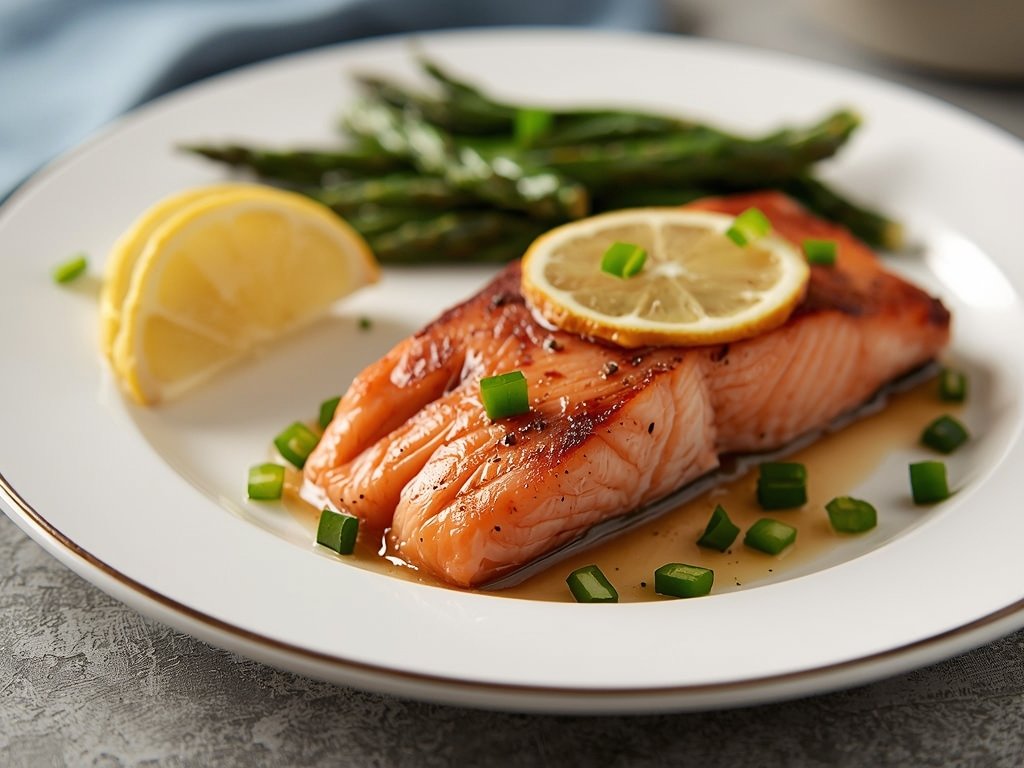
Leftover salmon presents a myriad of benefits, making it a treasured addition to any culinary repertoire. Not only is salmon renowned for its rich flavor and versatility, but it also boasts impressive nutritional value. High in omega-3 fatty acids, protein, and essential vitamins such as B12 and D, salmon contributes to a balanced diet. Consuming leftover salmon can be both a delicious and health-conscious choice, reinforcing the importance of incorporating seafood into your meals.
Moreover, leftover salmon offers unparalleled convenience. With its ability to retain flavor and texture when properly stored, salmon can easily transform meals, making it an ideal choice for busy individuals seeking quick and nutritious dining options. Whether added to salads, pastas, or served alongside vegetables, leftover salmon promises to enhance various dishes effortlessly.
However, a prevalent challenge that many encounter when reheating salmon is the tendency for it to become dry and less palatable. This common pitfall can lead to disappointment, undermining the culinary experience and reducing the appeal of what was once a delectable meal. The risk of overcooking leftovers can transform moist, tender fish into a parched version, diminishing the enjoyment and nutritional benefits.
In this article, we will address the common challenges associated with reheating leftover salmon, particularly focusing on the critical techniques to maintain its inherent moisture and flavor. We will explore methods to retain the salmon’s delightful texture and taste, ensuring that your leftover salmon remains a delectable treat deserving of your dining table. With the right strategies, such as selecting appropriate reheating temperatures and methods, you can master the art of retaining moisture in leftover salmon, allowing you to savor its beauty even on a second serving.
Why Leftover Salmon Can Be Delicious
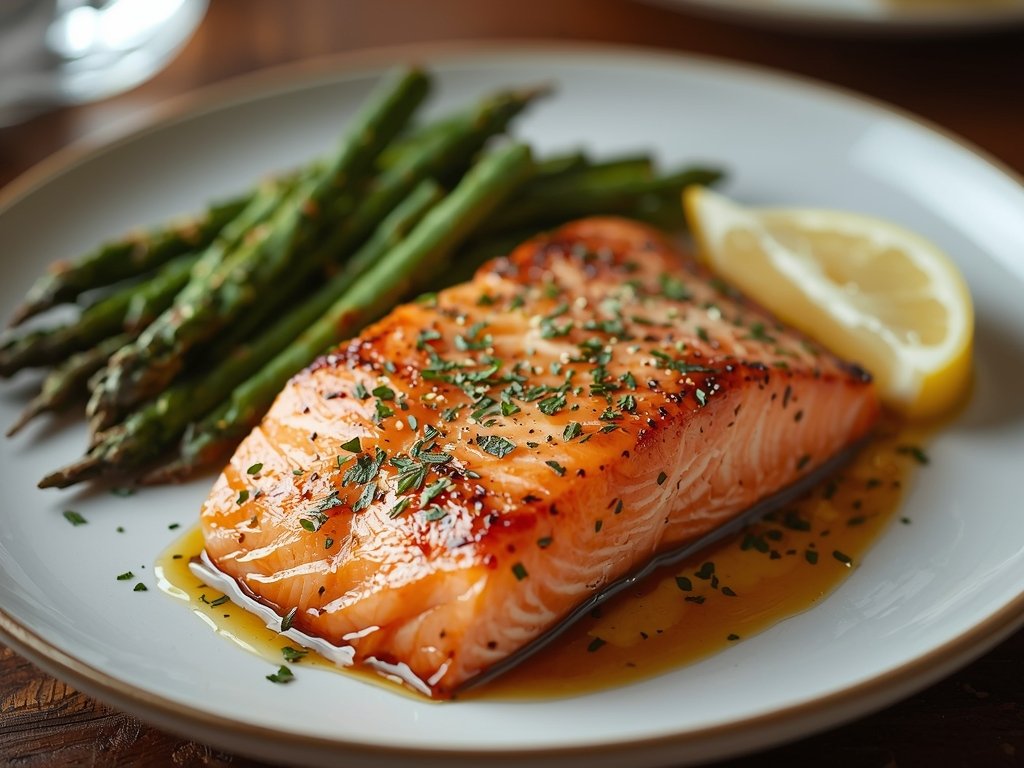
Salmon is renowned for its rich texture and flavor, making it a popular choice in various cuisines. While many people may hesitate to reheat leftover salmon, it can still be delicious if warmed properly. The key lies in the method applied for reheating, which can preserve the fish’s moistness and enhance its taste. When done right, leftover salmon can offer a delightful second outing that rivals its fresh counterpart.
Moreover, properly reheated salmon retains much of its nutritional value, including essential omega-3 fatty acids, which are crucial for heart health. These beneficial fats can decrease inflammation and promote brain function, making salmon not only a tasty option but also a nutritious second meal. While reheating can sometimes lead to dryness, taking care to manage cooking times and temperatures can ensure moistness and flavor remain intact.
Furthermore, leftover salmon presents an opportunity to get creative in the kitchen. It can be transformed into various dishes such as salmon salads, salmon patties, or even added to pasta dishes, enhancing their nutritional profile and flavor. By incorporating complementary ingredients like herbs, citrus, or light sauces during reheating, one can elevate the sensory experience, proving that leftover salmon can indeed be as memorable as its freshly cooked version.
In summary, leftover salmon should never be dismissed. With the proper reheating technique, this nutritious fish can remain flavorful and enjoyable, enabling individuals to savor its culinary delights long after the original meal has been consumed.
The Science of Reheating Salmon
Reheating salmon correctly is not just about simply placing it in a microwave or oven; it involves understanding the thermal properties of fish and how heat influences moisture retention. Salmon, as a type of fish, has a delicate structure that can easily be compromised by excessive heat. The key to successful reheating lies in managing the thermal dynamics to ensure that the fish remains moist and flavorful.
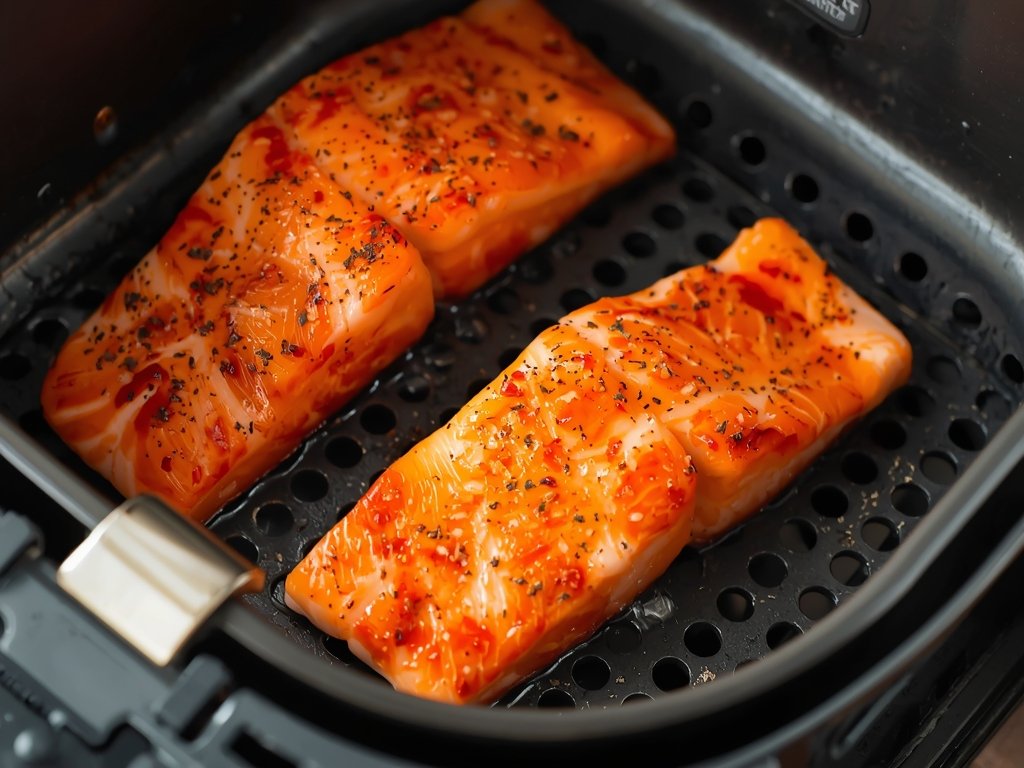
When reheating fish, particularly salmon, it is crucial to achieve even heat distribution. Uneven heating can lead to some parts of the fish being overcooked while others remain cold. This not only impacts the texture but also affects the overall moisture content. Fish meat is primarily composed of water, and high cooking temperatures can cause the moisture to evaporate rapidly, resulting in a dry piece of salmon. Therefore, using gentle reheating methods, such as low-heat baking or steaming, is advisable. These methods promote uniform heat distribution, allowing the fish to warm up gradually without losing its valuable moisture.
Another important concept in reheating science is the role of internal temperatures. Salmon should ideally be reheated to an internal temperature of around 125°F to 130°F (51°C to 54°C) to ensure it remains juicy without being overcooked. At this temperature, you can expect a tender texture that retains its natural oils and flavors. Employing the use of a food thermometer can assist in accurately gauging the internal temperature, thus preventing the fish from overheating.
In summary, understanding the science behind reheating salmon involves considering thermal properties, uniform heat distribution, and appropriate internal temperatures. By adhering to these principles, you can enjoy leftover salmon that is delicious and moist, reviving the taste and texture of this beloved fish.
Preparation: How to Store Leftover Salmon
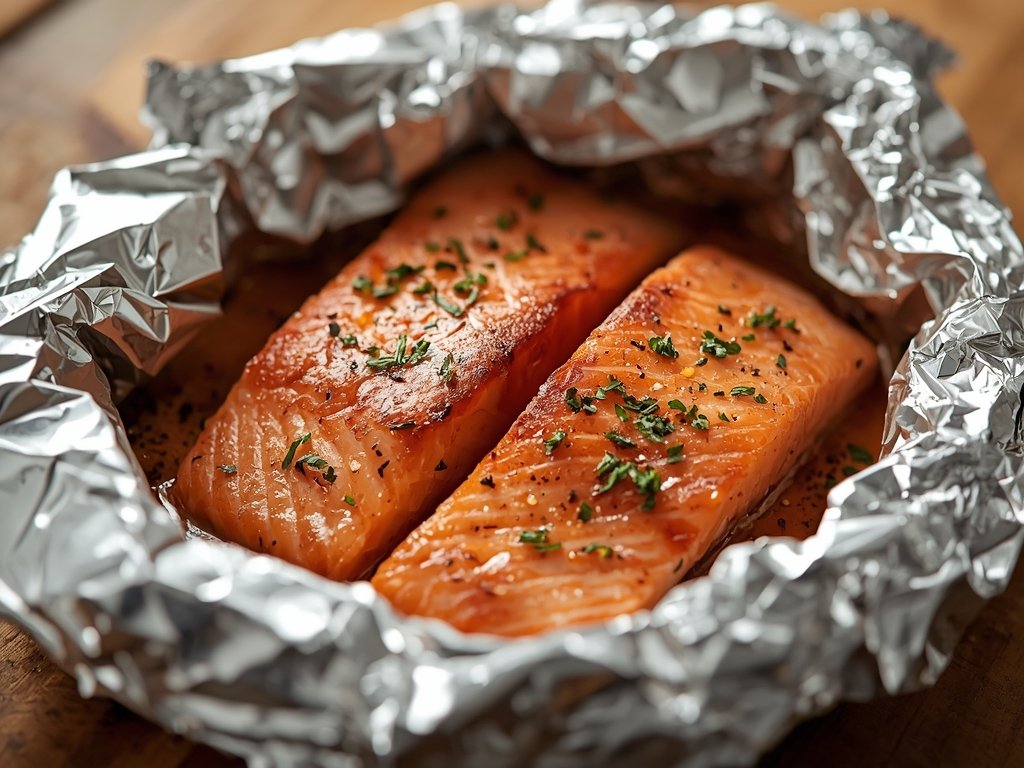
Preserving the quality of leftover salmon is essential for maintaining its moisture and flavor when the time comes for reheating. Proper storage methods significantly impact how well the fish will hold up, preventing it from becoming dry or losing its taste. First and foremost, leftover salmon should always be refrigerated within two hours of cooking. Leaving it out at room temperature increases the risk of bacteria growth, which can compromise food safety.
To effectively store leftover salmon, utilize a few simple yet effective wrapping techniques. It’s advisable to wrap the salmon in aluminum foil or place it in an airtight container. Foil provides a protective layer against air exposure, while an airtight container seals in moisture, preventing the fish from drying out in the refrigerator. If you choose to use foil, ensure that the salmon is fully wrapped, as this creates a barrier that protects it from odors and changes in texture caused by air exposure.
The ideal timeframe for consuming leftover salmon is generally within three days of refrigeration. Eating it sooner rather than later helps retain its taste and quality. After this period, the risk of spoilage increases, and while reheating may soften the texture somewhat, it cannot restore the salmon’s original flavor if it has already begun to deteriorate. For those planning to keep leftover salmon for more extended periods, freezing is an option that can preserve the fish’s integrity. When freezing, it’s crucial to use a proper freezer bag, removing as much air as possible to prevent freezer burn. Following these storage tips can help you enjoy your leftover salmon in a delicious manner when it’s time to reheat and serve.
Best Methods for Reheating Salmon
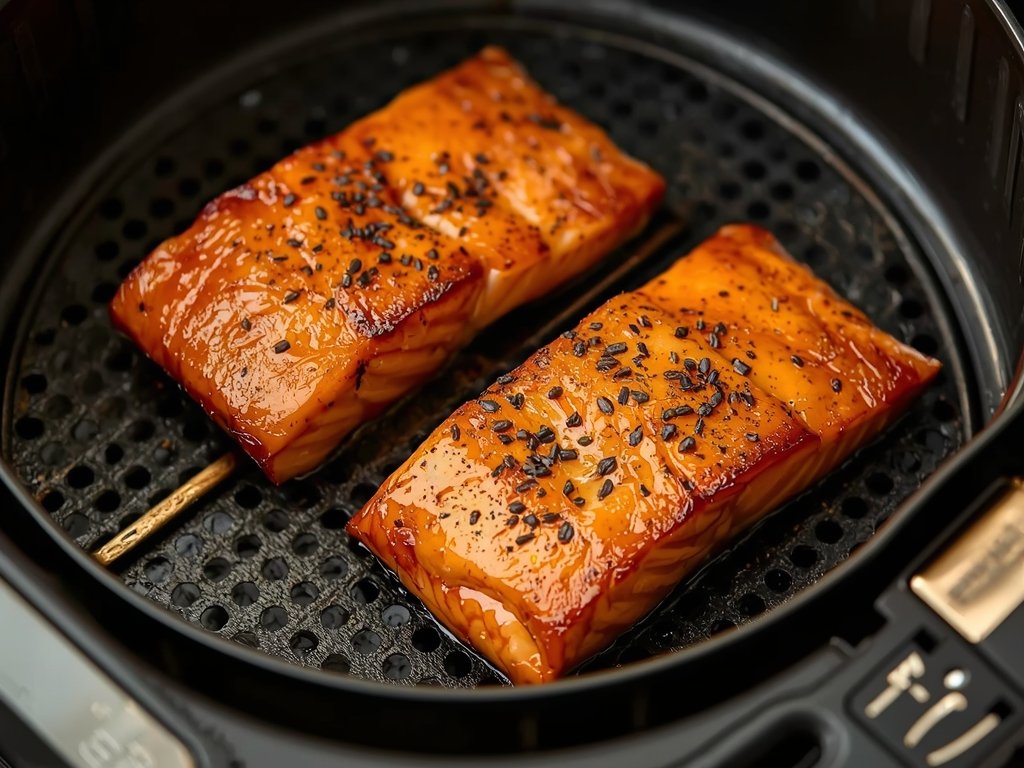
Reheating salmon can be a delicate process, as it is crucial to retain its moisture and flavor while ensuring that it is heated evenly. Below are some effective methods for reheating leftover salmon.
1. Oven Method: One of the best ways to reheat salmon is in the oven. Preheat your oven to 275°F (135°C). Place the salmon on a baking sheet lined with parchment paper. To prevent the fish from drying out, consider covering it with foil. Heat the salmon for about 15 to 20 minutes, or until it reaches an internal temperature of 125°F (52°C) to 130°F (54°C), which will help maintain its moisture and taste.
2. Stovetop Method: Using the stovetop is another efficient technique. Start by heating a non-stick skillet over low heat. Add a small amount of oil or butter to the pan. Once the oil is warm, add the salmon, skin side down if applicable. Cover the skillet with a lid to trap steam, which helps keep the salmon moist. Heat for about 5 to 7 minutes, flipping halfway through, until the fish is warmed through.
3. Microwave Method: Although it’s not always the best for maintaining texture, the microwave can be convenient. Place the salmon on a microwave-safe plate and cover it with a damp paper towel to retain moisture. Heat on medium power for about 30 seconds, then check and continue heating in 15-second increments until heated evenly. Ensure the salmon does not reach overcooking, as this can make it dry.
4. Sous Vide Method: For the culinary enthusiasts, using a sous vide is an excellent choice. Set the sous vide to 130°F (54°C) and place the salmon in a vacuum-sealed bag. Submerge the bag in the water bath for about 30 minutes. This method preserves the fish’s original texture and flavor, making it incredibly moist.
Tips and Tricks to Keep Salmon Moist
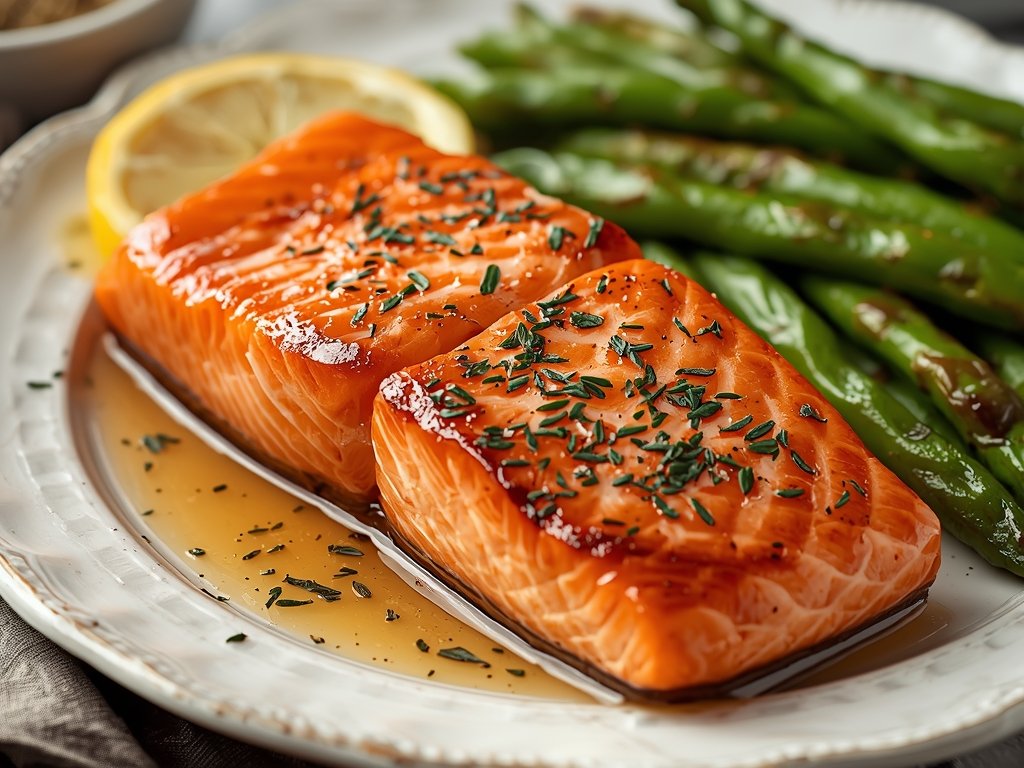
Reheating leftover salmon can be a challenge, as the delicate nature of this fish makes it susceptible to drying out. To ensure that your salmon remains moist and flavorful during the reheating process, several effective strategies can be utilized. First, consider adding moisture to the reheating method. Placing the salmon in a baking dish with a small amount of broth or water can create steam, which helps keep the fish moist. This approach is particularly effective in an oven, where the surrounding moisture can be trapped to enhance the reheating process.
Another useful technique involves covering the salmon with aluminum foil while it reheats. The foil acts as a barrier, trapping steam generated from the salmon itself or the added moisture, preventing excess evaporation. This method works well whether you choose to reheat the salmon in the oven or on the stovetop.
Monitoring the reheating process is crucial to maintaining the salmon’s moisture. It is advisable to use a food thermometer to check the internal temperature, aiming to reach around 125°F to 130°F. This temperature ensures that the salmon is warm but not overcooked. Overheating can quickly lead to dry, rubbery fish, so removing the salmon from the heat as soon as it reaches the desired temperature is essential.
Finally, consider breaking up the salmon and mixing it into a sauce or a salad. This serves two purposes. Firstly, the sauce can add additional moisture, and secondly, blending the salmon with other ingredients helps distribute the heat more evenly, further enhancing the overall texture and flavor of the dish. By following these tips, you can effectively maintain the moisture and deliciousness of reheated salmon, turning a simple leftover into a delightful meal.
Flavor Enhancements: Elevate Your Leftovers
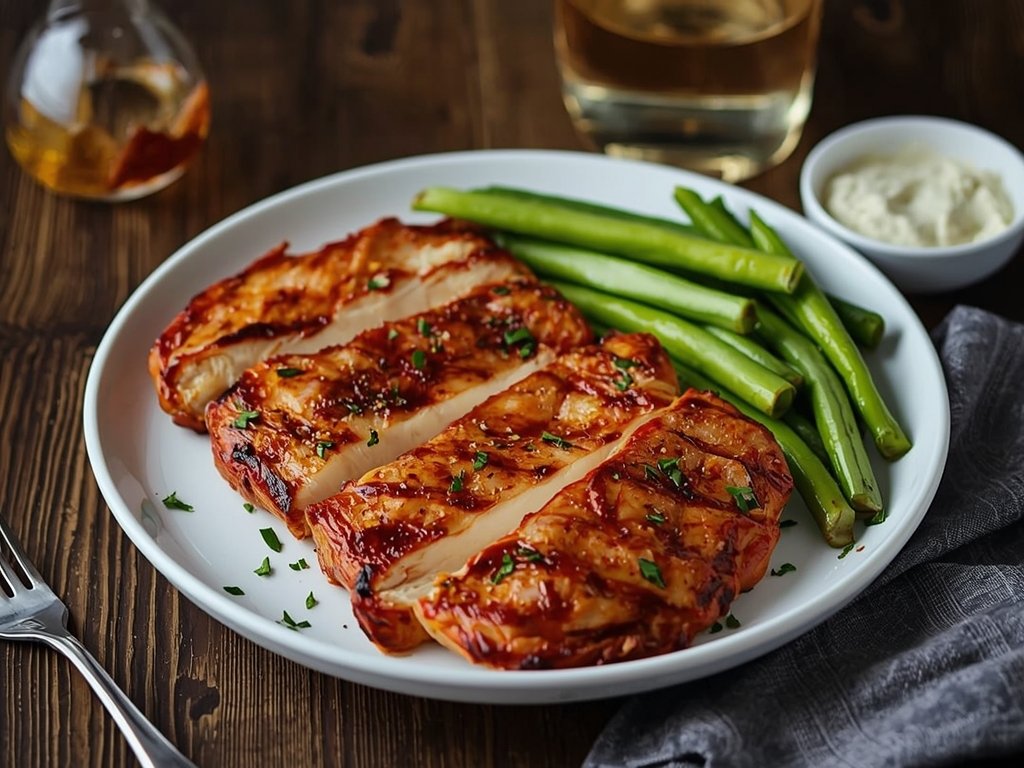
Reheating leftover salmon can seem challenging, particularly when it comes to preserving its moisture and flavor. However, by incorporating various flavor enhancements, one can elevate the dish into a delightful culinary experience. Marinades, sauces, and toppings are excellent ways to add depth without overshadowing the inherent flavors of the salmon.
One simple yet effective method is to use a marinade. A mixture of olive oil, lemon juice, and a touch of honey serves as a vibrant marinade that complements salmon impeccably. Allowing the salmon to soak in this mixture for a short while before reheating not only infuses it with flavor but also helps in retaining moisture. A dash of garlic powder or fresh herbs like dill can further enhance this blend.
For those who prefer a sauce, consider options such as a creamy dill sauce or a light teriyaki glaze. Both offer a delightful contrast to the natural richness of the salmon. A creamy dill sauce could be prepared by mixing Greek yogurt with fresh dill, lemon zest, and a pinch of salt. Drizzle this on reheated pieces to give your meal a refreshing twist. Alternatively, a teriyaki glaze provides a sweetness that can elevate the umami notes of the salmon.
Toppings present another opportunity to boost flavor. A sprinkle of toasted sesame seeds or chopped green onions can add a great textural element, while capers provide bursts of briny flavor that pair superbly with seafood. Additionally, a light sprinkle of smoked paprika can impart a subtle smokiness that enhances the overall taste profile.
Incorporating these simple yet effective enhancements can transform your reheated salmon into a dish that not only retains its appeal but also delights the palate with added flavors while remaining moist and delicious.
Common Mistakes to Avoid When Reheating Salmon
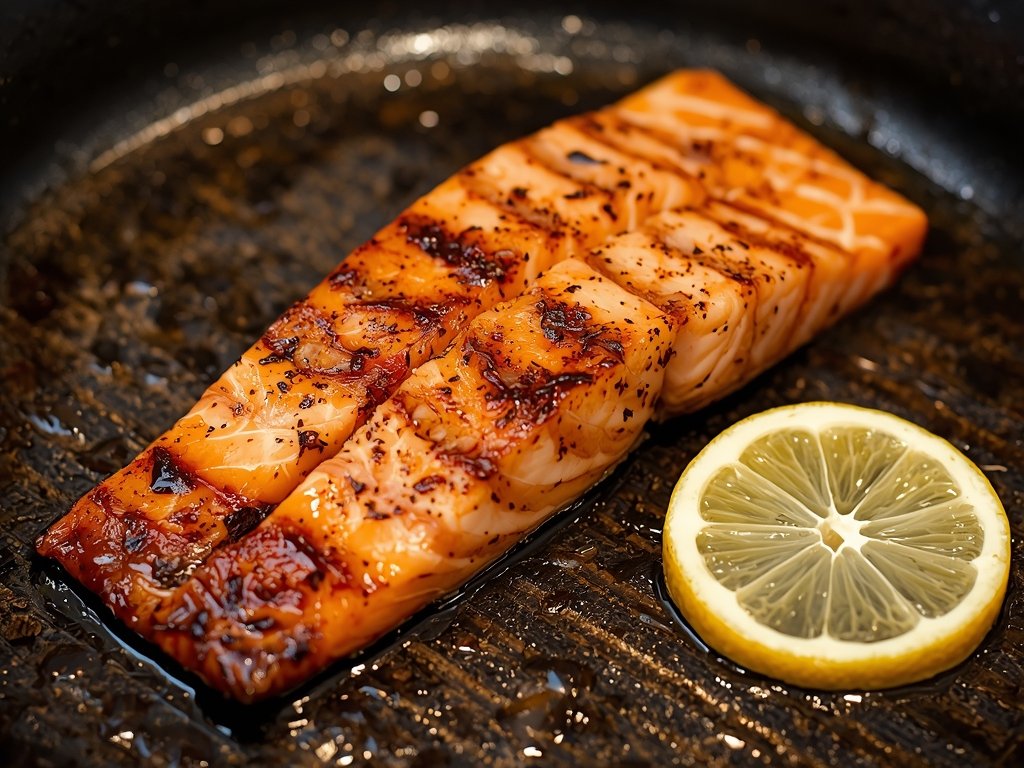
Reheating leftover salmon can be challenging, as it requires precise attention to detail to maintain its moisture and flavor. Several common mistakes can lead to dry, unappetizing results, and understanding these pitfalls is crucial for enjoying your leftovers. One of the most frequent errors is reheating salmon at too high a temperature. High heat can cause the fish to cook further, leading to a loss of its natural oils and moist texture. To avoid this, always choose a lower temperature setting on your oven or stovetop, ideally below 350°F (175°C). This gentle approach allows the salmon to warm evenly without overcooking.
Another mistake often made during reheating is prolonged cooking time. It can be tempting to leave the salmon in for an extended period to ensure it is thoroughly warm; however, this is counterproductive. The key is to monitor the cooking time closely. For best results, reheat salmon for no more than 10 minutes, checking for warmth at intervals. Remember that salmon continues to cook after being removed from heat, so it is essential to err on the side of caution.
Additionally, neglecting to add moisture can lead to a less than desirable texture. Salmon is known for its rich flavor, which can diminish when it is reheated. To combat this, consider adding a bit of broth, olive oil, or lemon juice before reheating. These ingredients will help retain the moisture, infuse additional flavor, and create a more enjoyable dish.
By avoiding these common mistakes of high temperatures, extended cooking times, and lack of moisture, you can ensure that your reheated salmon remains delicious and succulent. Adopting these practices will allow you to fully appreciate your leftovers without compromising quality.
Enjoy Your Perfectly Reheated Salmon
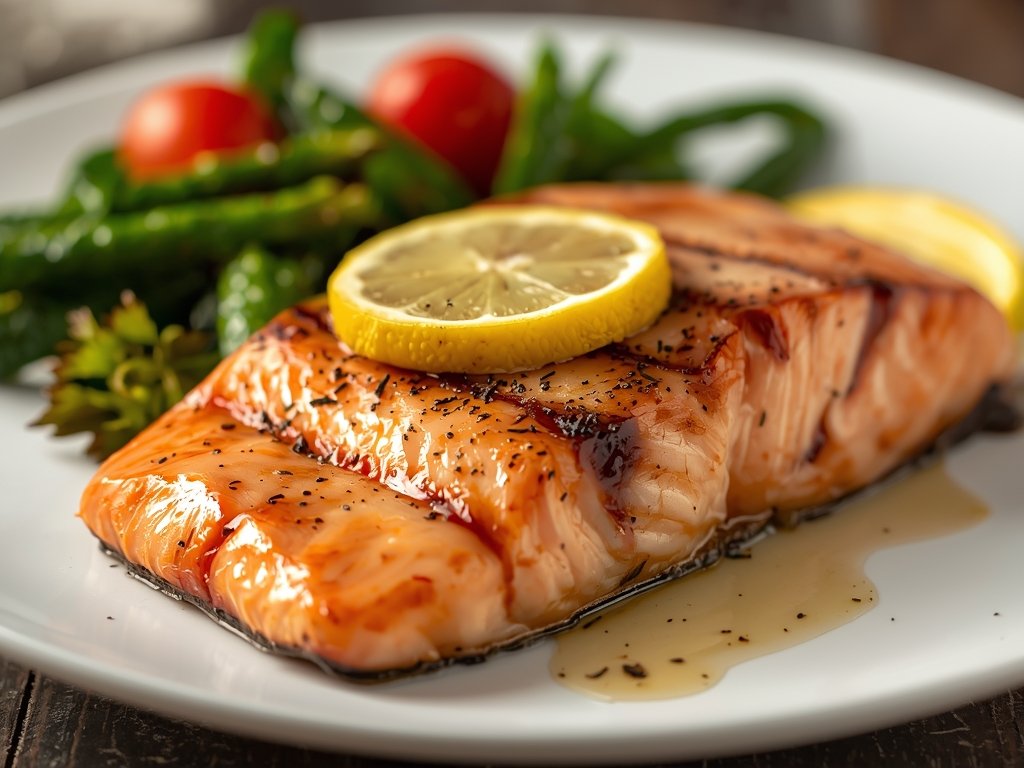
In conclusion, reheating leftover salmon can be an art form that, when done correctly, transforms what might be a mundane meal into a delightful dining experience. Throughout this article, we explored various techniques to ensure that your salmon retains its original moisture and flavor. It is crucial to understand the importance of gentle reheating methods, such as using an oven or microwave at low power, to avoid drying out the fish.
Additionally, incorporating techniques such as adding moisture through broth or oil, and wrapping the salmon in foil can greatly enhance the outcome. The guidance provided emphasizes that patience is key when reheating; rushing the process can lead to an unappetizing result. Each method discussed serves a purpose and can be adapted according to personal preferences and time constraints.
We encourage you to experiment with these practices to find what works best for your palate and lifestyle. With a little trial and error, you can master the nuances of reheating leftover salmon, ensuring it remains as delectable as when it was first prepared. Remember, the satisfaction of enjoying perfectly reheated salmon not only cuts down on food waste but also contributes to a more economical and sustainably-minded cooking approach. So the next time you find yourself with leftover salmon, embrace the techniques discussed, and savor a meal that is just as enjoyable the second time around.