Follow Me On Social Media!

Mason Jar Hacks: The Ultimate Storage Tool in 2026
The Timeless Appeal of Mason Jars
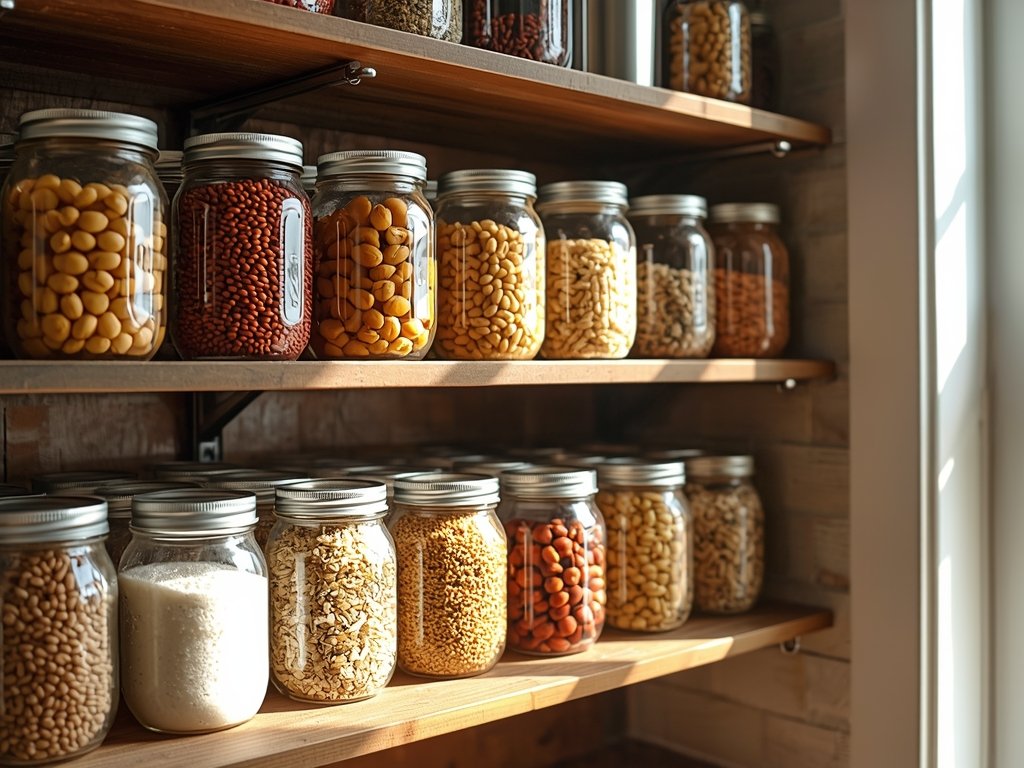
In the heart of every American kitchen, there’s a humble hero that’s stood the test of time: the Mason jar. From preserving grandma’s secret jam recipe to organizing pantry staples, these jars have been a staple since the 1850s. But why, in 2026, are they still the go-to storage tool? It’s simple—Mason jars are versatile, durable, and downright charming. Whether you’re meal prepping in Brooklyn or canning peaches in Georgia, these jars adapt to your needs like a trusted friend.
Their airtight seal keeps food fresher longer, reducing waste and saving money—a win-win in today’s eco-conscious world. Plus, their clear glass design lets you see exactly what’s inside, making meal planning a breeze. So, let’s dive into why Mason jars are still the MVP of storage and how you can make the most of them in your kitchen.
From Pantry to Picnic: Versatility at Its Best

Mason jars aren’t just for storing dry goods—they’re a Swiss Army knife for foodies. Need a portable salad container? Grab a jar. Want to shake up a homemade dressing? Twist on the lid and give it a whirl. Their versatility knows no bounds, from holding overnight oats for your morning commute to serving as a chic vase for your farmhouse-style dining table.
In the South, they’re perfect for layering sweet tea with fresh mint. In the Midwest, they’re ideal for packing layered dips for tailgates. And on the West Coast, they’re the go-to for smoothie prep. No matter where you are in the U.S., Mason jars seamlessly fit into your lifestyle, proving that sometimes the simplest tools are the most ingenious.
Meal Prep Like a Pro
One of the biggest trends in recent years is meal prepping, and Mason jars are the unsung heroes of this movement. Their stackable design saves space in your fridge, and their portion control helps you stick to your health goals. Layer quinoa, veggies, and dressing for a grab-and-go lunch, or prep pancake mix for a quick breakfast. The possibilities are endless.
Eco-Friendly Living Made Easy
In a world increasingly focused on sustainability, Mason jars shine as a reusable alternative to plastic. Swap out disposable containers for these durable jars, and you’ll cut down on waste without sacrificing convenience. Plus, their timeless design means they’ll never go out of style, making them a smart investment for the future.
The Science Behind the Seal: Why Mason Jars Keep Food Fresher
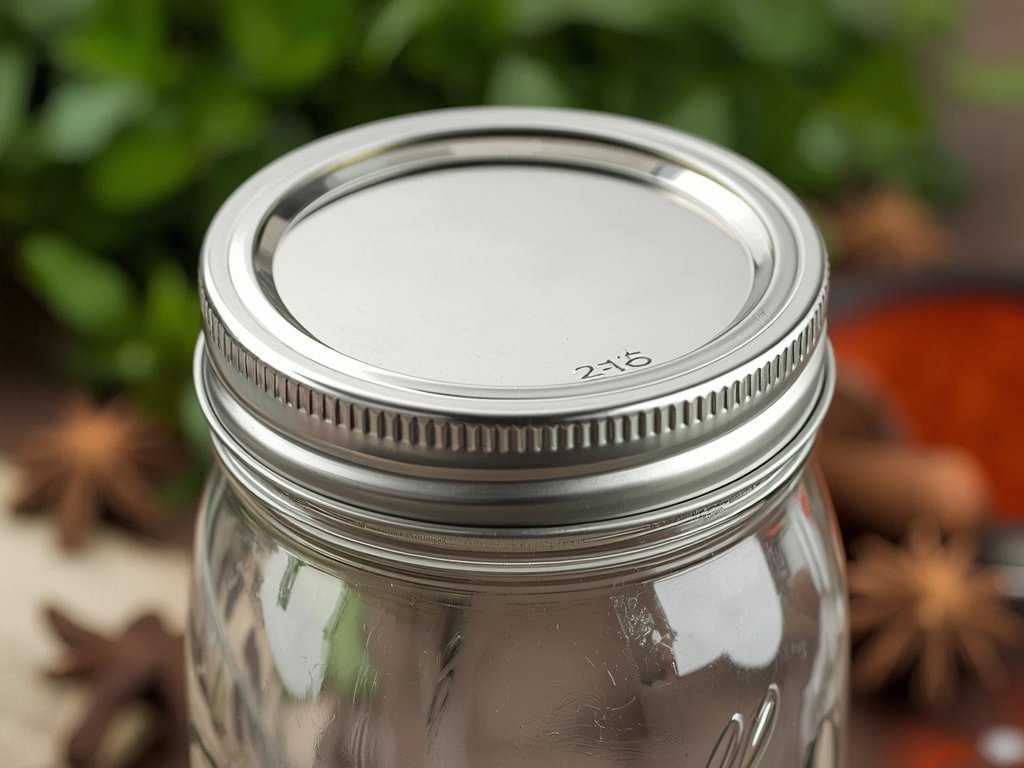
Ever wonder why Mason jars keep food fresher than other containers? It’s all about the seal. The two-piece lid system—a flat disc and a screw band—creates an airtight barrier that locks out moisture and air. This not only preserves flavor but also prevents spoilage, making them perfect for everything from storing leftovers to fermenting kombucha.
For canning enthusiasts, this seal is a game-changer. By creating a vacuum, it prevents bacteria from entering, ensuring your jams, pickles, and sauces stay safe to eat for months. It’s no wonder that in states like Pennsylvania and Ohio, where home canning is a cherished tradition, Mason jars are passed down through generations.
The Role of Vacuum Sealing
The vacuum seal isn’t just for canning—it’s a secret weapon for everyday storage. Whether you’re keeping coffee beans fresh or storing homemade granola, the lack of air keeps flavors intact and extends shelf life. It’s like having a mini vacuum sealer in your pantry, but way more charming.
A Healthier Kitchen
Unlike plastic containers, Mason jars are free from harmful chemicals like BPA. This makes them a safer choice for storing both hot and cold foods. Plus, their glass construction won’t absorb odors or stains, ensuring your food tastes just as it should. It’s a small change that makes a big difference in your health and the environment.
Creative Ways to Repurpose Mason Jars
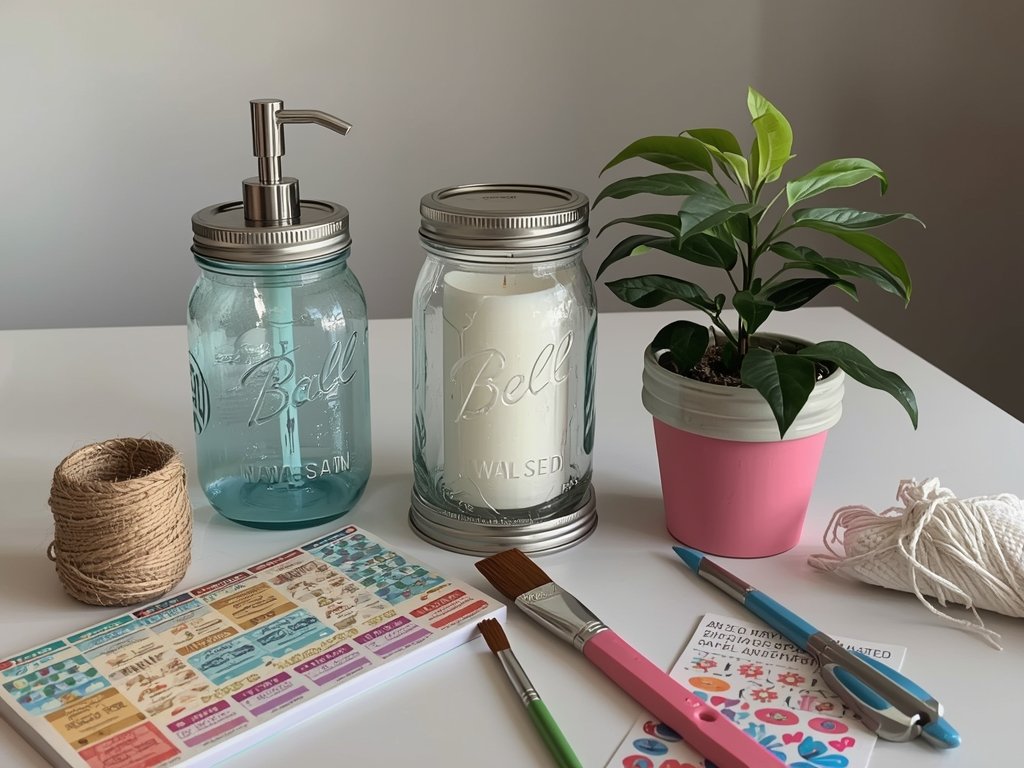
Think Mason jars are just for food storage? Think again. These jars are a blank canvas for creativity, perfect for DIY projects that add a personal touch to your home. From chic soap dispensers to rustic candle holders, the possibilities are limited only by your imagination. In cities like Austin and Portland, where the DIY culture thrives, Mason jars are a favorite for upcycling projects.
Need inspiration? Turn a jar into a terrarium for your windowsill, or fill it with fairy lights for a cozy nightlight. For gift-giving, layer dry ingredients for cookies or hot cocoa mix, tie a ribbon around the jar, and you’ve got a thoughtful, handmade present. It’s amazing how a simple jar can bring so much joy.
Organize Every Corner of Your Home
Mason jars aren’t just for the kitchen—they’re perfect for organizing every room in your house. Use them to store cotton balls in the bathroom, sort office supplies in your workspace, or hold loose change in the entryway. Their uniform size and clear design make them ideal for creating a tidy, cohesive look.
Party-Ready Decor
Planning a party? Mason jars are your secret weapon for stylish, budget-friendly decor. Fill them with flowers for centerpieces, use them as drinking glasses, or hang them with twine for lanterns. In the South, they’re a staple at weddings and barbecues, adding a touch of rustic charm to any event.
Mason Jars in Modern American Culture

Mason jars aren’t just a practical tool—they’re a cultural icon. From farmers’ markets in California to country fairs in New England, these jars are synonymous with homemade goodness. They’ve become a symbol of self-sufficiency, creativity, and a return to simpler times. In a world of fast-paced living, Mason jars remind us to slow down and savor the little things.
Social media has only amplified their popularity. Platforms like Pinterest and Instagram are filled with Mason jar hacks, from layered salads to DIY beauty products. Influencers and home cooks alike swear by them, proving that their appeal is as strong as ever. In 2026, Mason jars aren’t just a trend—they’re a lifestyle.
A Symbol of Sustainability
As Americans become more conscious of their environmental impact, Mason jars have emerged as a symbol of sustainable living. Their reusability aligns with the growing zero-waste movement, making them a favorite among eco-conscious consumers. In cities like Seattle and San Francisco, where green living is a priority, Mason jars are a common sight in homes and cafes alike.
Connecting Generations
Mason jars have a unique ability to bridge generations. For many, they evoke memories of helping grandma in the kitchen or learning to can with mom. Today, they’re a way for younger generations to connect with those traditions, keeping them alive in a modern world. It’s a beautiful reminder that some things never go out of style.
FAQ
Are Mason jars dishwasher safe?
Yes, most Mason jars are dishwasher safe, but it’s best to place them on the top rack to avoid breakage. Hand washing the lids is recommended to preserve the sealing ring.
Can I use Mason jars for freezing?
While Mason jars can be used for freezing, it’s important to leave enough headspace (about ½ inch) to allow for expansion. Avoid using wide-mouth jars for freezing liquids, as they’re more prone to cracking.
How long do foods last in Mason jars?
Properly stored dry goods can last up to a year in Mason jars, while canned foods like jams and pickles can last 12-18 months. Always check for signs of spoilage before consuming.
Can I use Mason jars for hot beverages?
Mason jars are safe for hot beverages, but be cautious as the glass can become very hot. Using a jar cozy or sleeve can help protect your hands.
Where can I buy Mason jars in bulk?
Mason jars are widely available at stores like Walmart, Target, and hardware stores. For bulk purchases, check online retailers like Amazon or specialty canning supply websites.