Follow Me On Social Media!

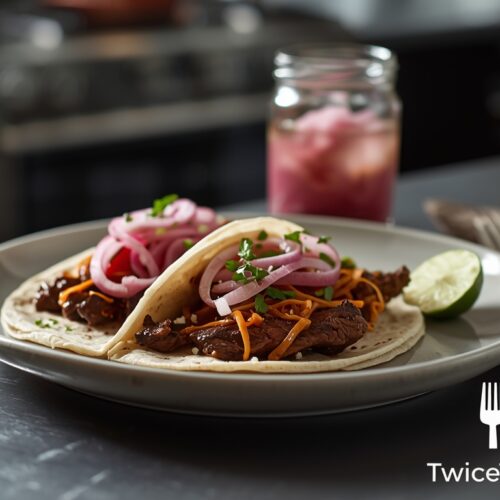
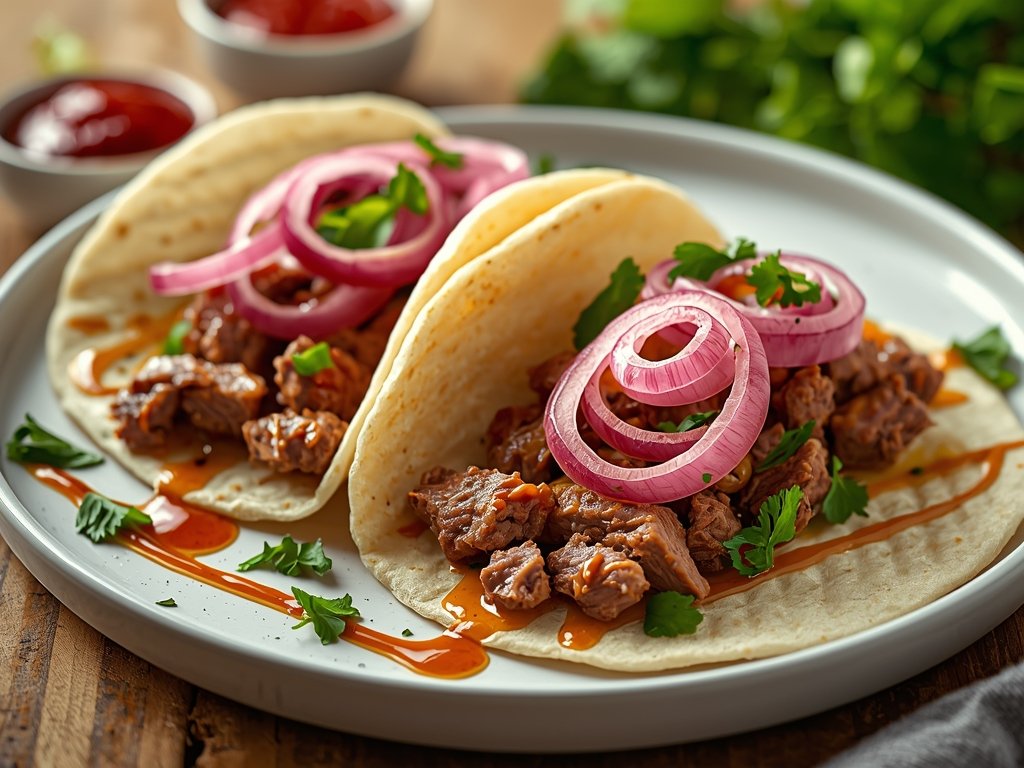
Leftover Roast Beef Tacos with Quick Pickled Onions

There’s a very specific kind of disappointment that comes with leftover roast beef.It’s not spoiled. It’s not inedible. It’s just… tired.
Ingredients
- 2 cups leftover roast beef, thinly sliced against the grain
- 1 tablespoon neutral oil
- ½ teaspoon ground cumin
- ½ teaspoon smoked paprika
- Salt & black pepper to taste
- Small tortillas corn or flour
Instructions
- Combine onion, vinegar, hot water, sugar, and salt. Let sit 15 minutes.
- Pro Tip: Heat speeds up pickling—no boiling needed, just hot tap water.
- Slice roast beef thin and against the grain.
- Pro Tip: Grain direction matters more than thickness for tenderness.
- Heat oil in a skillet over medium-high heat (375°F / 190°C).
- Pro Tip: The pan should shimmer, not smoke—too hot dries the beef instantly.
- Add beef, sprinkle spices, salt, and pepper. Toss for 30–45 seconds only.
- Pro Tip: You’re warming and seasoning—not cooking again.
1. Catchy Introduction – Problem & Solution
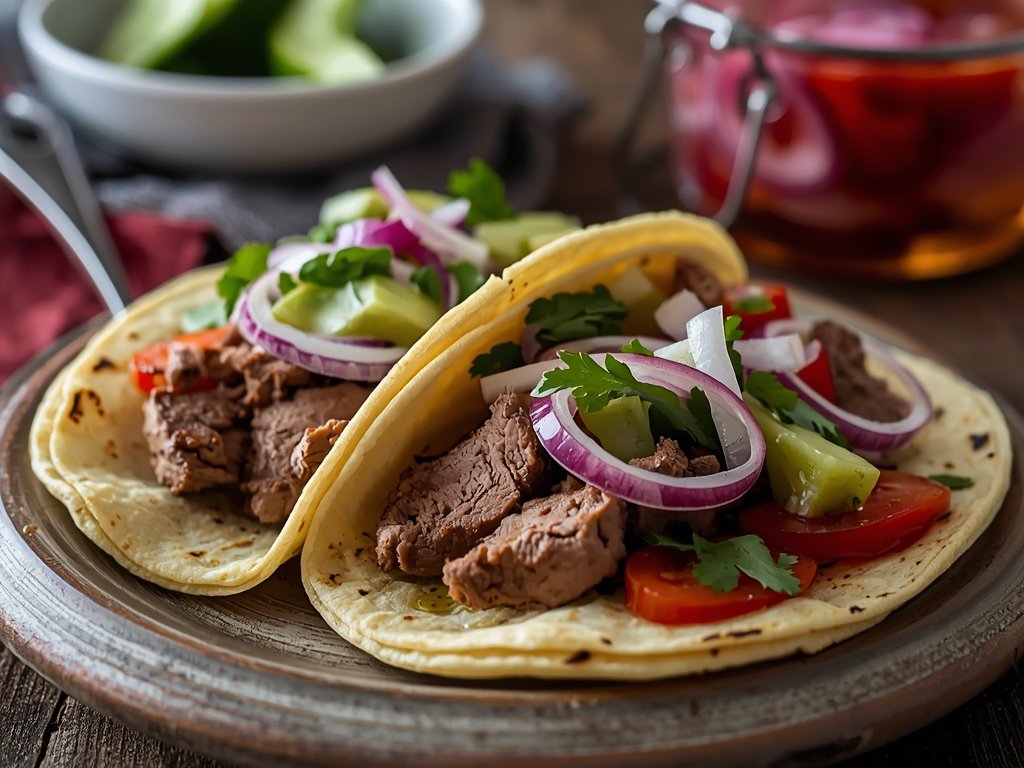
There’s a very specific kind of disappointment that comes with leftover roast beef.
It’s not spoiled. It’s not inedible. It’s just… tired.
Dry edges. Muted flavor. That chewy, reheated texture that reminds you it was cooked yesterday. You think about microwaving it, hesitate, then do it anyway—only to end up with beef that’s hot but somehow less enjoyable than it was cold.
This is why so many people quietly abandon leftover roast beef in the fridge until it’s “too late.”
Here’s the reality: roast beef doesn’t want to be reheated as roast beef. Direct heat tightens muscle fibers, pushes out moisture, and flattens flavor. That’s why most leftover beef fails—not because it’s bad, but because it’s treated like it’s still the main event.
The solution? Reposition it.
Thin slicing, fast heat, bold seasoning, and acid. When you turn leftover roast beef into tacos—and pair it with sharp, quick-pickled onions—you’re no longer reheating. You’re rebuilding.
This is the TwiceTasty approach: use science, not force.
AI IMAGE PROMPT:
Photorealistic professional food photography of leftover roast beef slices on a plate, slightly dry edges, dull brown color, refrigerator-lit kitchen setting, realistic home environment, shallow depth of field, high detail, no text, no watermark
2. The Science of Taste (Why Tacos Save Leftover Beef)
Roast beef loses quality after cooking for three main reasons:
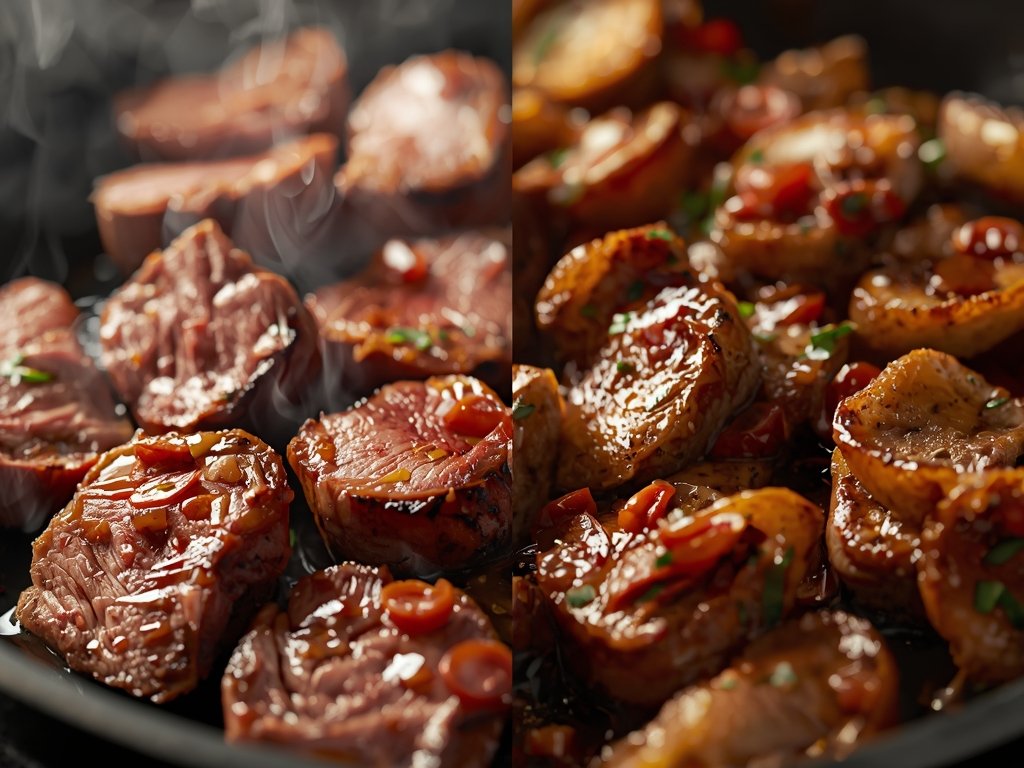
Protein Tightening
Beef muscle fibers contract as they cool and tighten further when reheated. This squeezes out internal moisture, making reheated beef feel dry and chewy, even if it wasn’t overcooked originally.
Flavor Flattening
Salt and fat redistribute overnight. Without new seasoning, reheated beef tastes muted and one-dimensional.
Surface Drying
Cold air in the fridge dehydrates exposed edges, which then overcook first during reheating.
So why do tacos work?
Because tacos rely on thin cuts, fast heat, and contrast.
- Thinly sliced beef heats quickly before moisture escapes
- A hot pan reactivates surface flavor without overcooking the interior
- Spices add volatile aromas that distract from “leftover” notes
- Pickled onions introduce acid, which cuts through dryness and wakes up fat
Acid is the unsung hero here. Vinegar doesn’t just add tang—it chemically stimulates saliva production, making beef feel juicier than it actually is.
That’s not magic. That’s food science.
3. Step-by-Step Method (Fast, Juicy, Never Dry)
Ingredients
- 2 cups leftover roast beef, thinly sliced against the grain
- 1 tablespoon neutral oil
- ½ teaspoon ground cumin
- ½ teaspoon smoked paprika
- Salt & black pepper to taste
- Small tortillas (corn or flour)
Quick Pickled Onions
- 1 red onion, thinly sliced
- ½ cup vinegar (apple cider or white)
- ½ cup hot water
- 1 teaspoon sugar
- 1 teaspoon salt
Step 1: Pickle the Onions First
Combine onion, vinegar, hot water, sugar, and salt. Let sit 15 minutes.
Pro Tip: Heat speeds up pickling—no boiling needed, just hot tap water.
Step 2: Slice the Beef Correctly
Slice roast beef thin and against the grain.
Pro Tip: Grain direction matters more than thickness for tenderness.
Step 3: Preheat the Pan
Heat oil in a skillet over medium-high heat (375°F / 190°C).
Pro Tip: The pan should shimmer, not smoke—too hot dries the beef instantly.
Step 4: Season Fast, Cook Faster
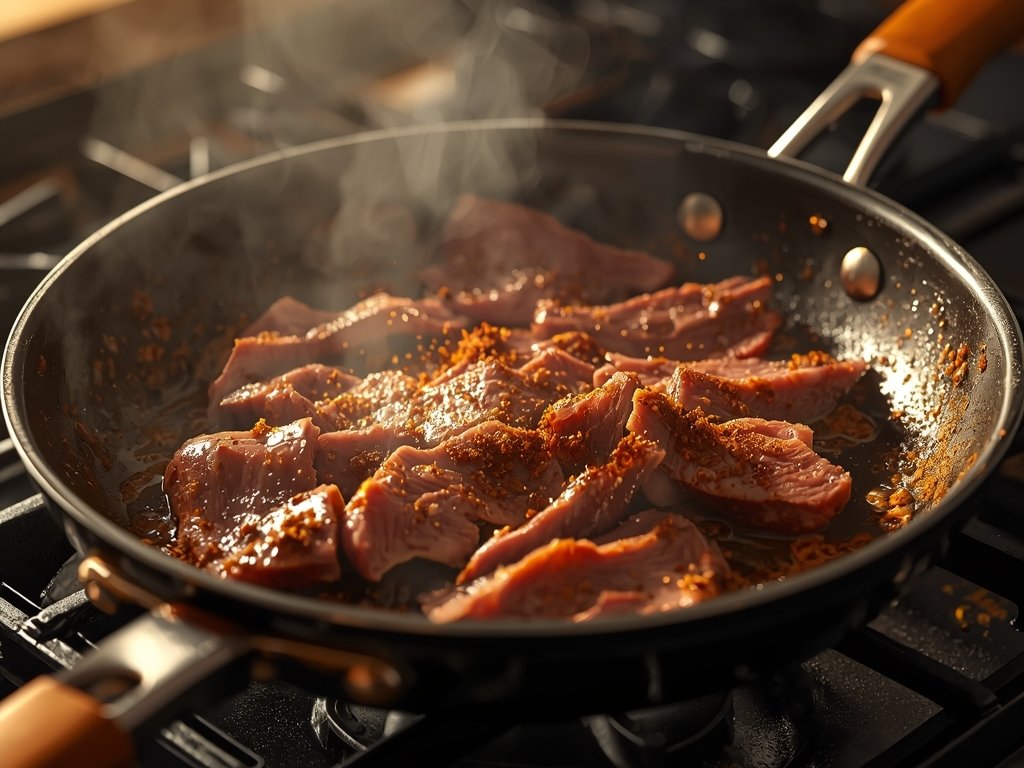
Add beef, sprinkle spices, salt, and pepper. Toss for 30–45 seconds only.
Pro Tip: You’re warming and seasoning—not cooking again.
Step 5: Warm Tortillas Separately
Warm tortillas in a dry pan or wrapped in a towel.
Pro Tip: Cold tortillas steal heat and make beef seem tougher.
Step 6: Assemble Immediately
Beef first, then pickled onions. Serve hot.
Pro Tip: Assembly delays dry meat—tacos wait for no one.
4. Variations & Flavor Boosters
These upgrades are fast, realistic, and fridge-friendly.
Mexican-Inspired Boost
Add garlic, chili powder, and a squeeze of lime.
Why it works: Citrus brightens beef fat and balances spice.
Asian-Fusion Twist
Season with soy sauce, ginger, and a splash of sesame oil.
Why it works: Umami compounds enhance depth and hide leftover notes.
Creamy Contrast
Top tacos with yogurt-lime sauce or sour cream.
Why it works: Fat coats the palate, softening perceived dryness.
5. Food Safety & Storage (Important but Ignored)
Leftover beef is safe—but only within limits.
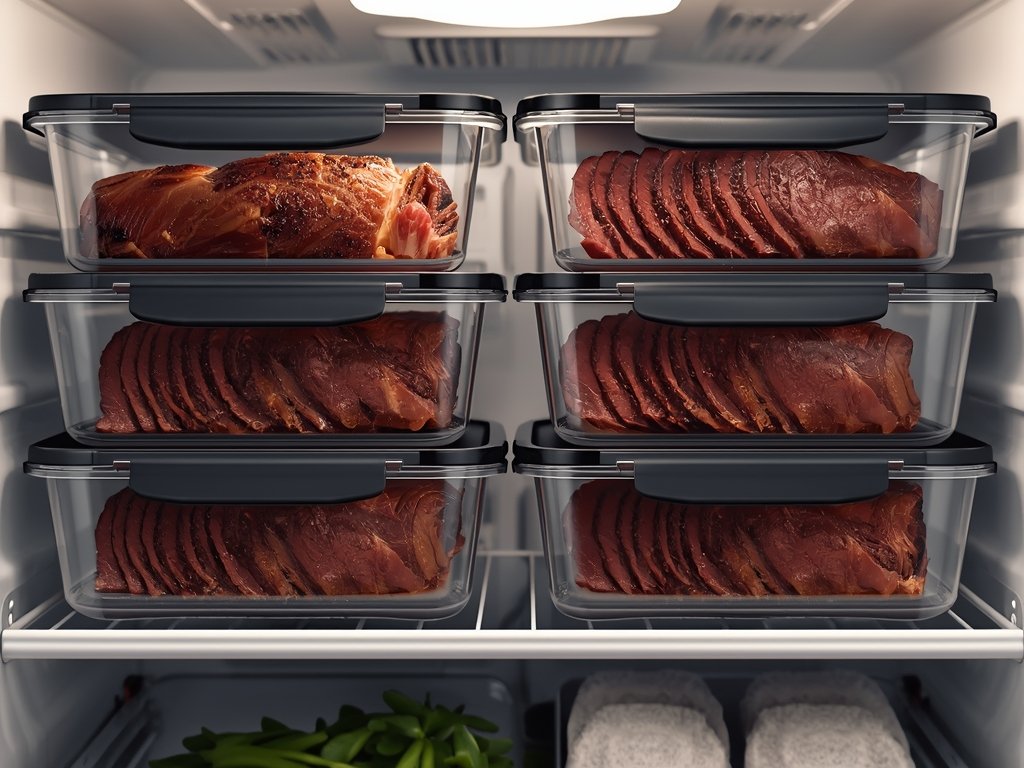
Safe Storage Time
- Cooked roast beef in fridge (≤40°F / 4°C): 3–4 days
After that, tacos won’t save it.
Do’s and Don’ts
DO:
- Store beef tightly wrapped or airtight
- Refrigerate within 2 hours of cooking
- Reheat only once
DON’T:
- Use beef with sour or metallic odor
- Leave beef at room temperature over 2 hours
- Reheat multiple times “a little at a time”
Food safety is not flexible—even when tacos are involved.
6. FAQ – People Also Ask
Can I use cold roast beef directly in tacos?
You can, but quick warming improves flavor and texture significantly.
Why is my leftover beef always chewy?
Most often it’s sliced with the grain or overheated. Thin slices + fast heat fix this.
Can I freeze leftover roast beef?
Yes. Freeze tightly wrapped for up to 2 months. Thaw slowly in the fridge.
What vinegar is best for pickled onions?
Apple cider for mild sweetness, white vinegar for sharp bite.
Are roast beef tacos healthy?
They can be—high protein, customizable fats, and easy to balance with veggies.
Leftover roast beef doesn’t need rescuing—it needs direction. Once you stop reheating it like a roast and start treating it like an ingredient, everything changes. Thin cuts, fast heat, aggressive seasoning, and acid turn yesterday’s beef into tacos that feel deliberate, bold, and genuinely craveable.

Amara writes for the Tasty Remakes category, turning everyday leftovers into creative new dishes. Her recipes focus on practical transformations that save time and reduce food waste — proving that yesterday’s dinner can become today’s best meal.

← Previous
Transforming Yesterday’s Salmon into Golden Salmon Patties
Next →
How to Make Fried Rice Using Leftover White Rice
Rate This Recipe
Tried this recipe? Share your experience and help others!