Follow Me On Social Media!

Reviving Leftovers: The Art of Arancini

Leftover risotto often gets a bad rap, but it’s the secret weapon for creating a beloved Italian treat: arancini. These crispy, cheesy rice balls are a staple in Sicilian street food culture and have gained a dedicated following across the United States.
Transforming yesterday’s risotto into today’s snack is not just a clever way to reduce food waste; it’s a culinary adventure. The process of shaping, stuffing, and frying these rice balls is a tactile and rewarding experience, resulting in a snack that’s both comforting and indulgent.
A Cheesy Twist: Mozzarella’s Melty Magic

While traditional arancini are often filled with ragù and peas, the addition of mozzarella takes these rice balls to a whole new level. The cheese’s high moisture content and meltability make it the perfect candidate for creating that coveted gooey center.
As the arancini fry, the mozzarella softens and stretches, creating a molten core that contrasts beautifully with the crispy exterior. This texture play is a key part of the arancini’s appeal, making each bite a delightful surprise.
Choosing the Right Mozzarella
Not all mozzarella is created equal when it comes to arancini. Fresh mozzarella, with its high water content, can make the rice balls soggy. Instead, opt for low-moisture mozzarella, often sold in blocks or pre-shredded.
This type of mozzarella is firmer and less watery, ensuring it melts evenly without compromising the arancini’s structure. It’s a small detail that makes a big difference in the final result.
Mastering the Arancini Technique
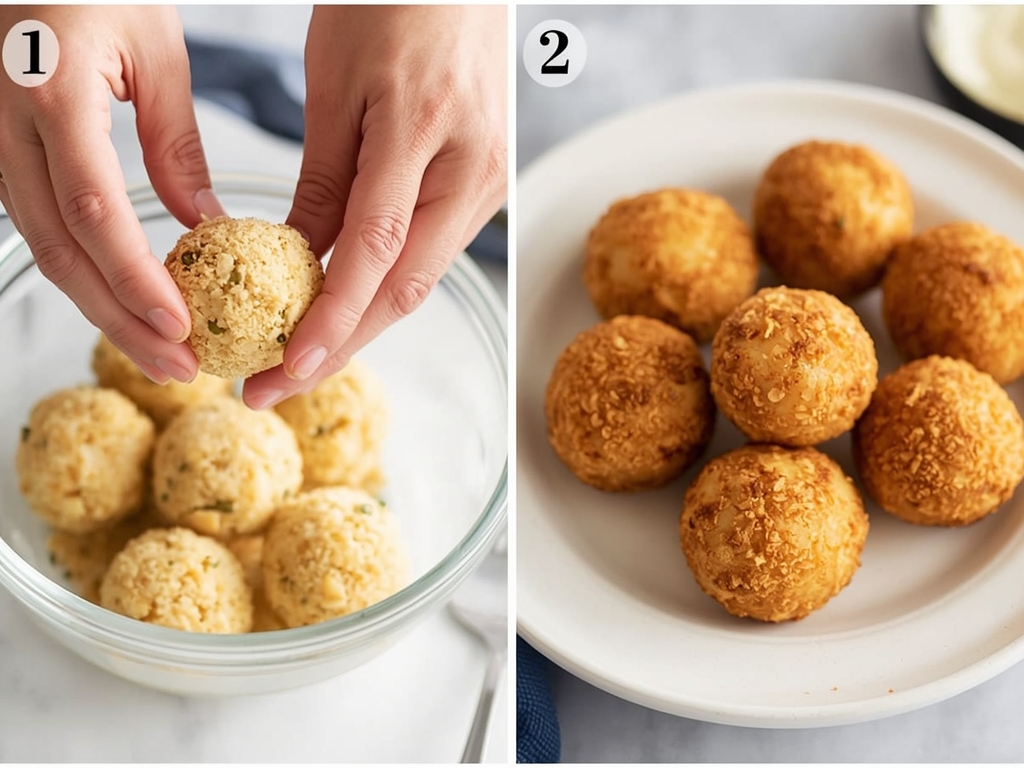
Making arancini is a hands-on process that requires a bit of practice but is well worth the effort. The key steps involve shaping the rice, stuffing it with cheese, and creating a uniform coating for even frying.
Shaping the Rice Balls
Start by taking a portion of risotto and flattening it in your palm. Place a cube of mozzarella in the center and gently wrap the rice around it, sealing the cheese inside. The goal is to create a smooth, round ball with no visible cheese peeking out.
This step requires a light touch and a bit of patience. If the rice is too sticky, wet your hands slightly to prevent it from clinging. Aim for consistency in size to ensure even cooking.
The Breadcrumb Barrier
Coating the arancini in breadcrumbs serves two purposes: it adds a crispy texture and acts as a barrier to prevent the cheese from leaking during frying. Use a standard breadcrumb and egg wash setup for this step.
First, roll the shaped arancini in flour, then dip them in beaten egg, and finally coat them in breadcrumbs. This triple coating ensures a sturdy exterior that can withstand the hot oil.
Frying to Perfection

Frying is where the magic happens, transforming the breaded rice balls into crispy, golden treats. The key to success lies in maintaining the right oil temperature and not overcrowding the pan.
Oil Temperature Matters
Heat the oil to 350°F (175°C) before adding the arancini. This temperature ensures the rice balls cook through without burning the exterior. Use a candy thermometer for accuracy, as maintaining the correct temperature is crucial.
If the oil is too hot, the outside will brown before the inside is warm, and if it’s too low, the arancini will absorb excess oil, becoming greasy. Finding the sweet spot is essential for the perfect fry.
Frying in Batches
Resist the urge to fry all the arancini at once. Crowding the pan can cause the oil temperature to drop and lead to uneven cooking. Fry in small batches, allowing each rice ball to have enough space to cook evenly.
Use a slotted spoon or spider strainer to gently lower the arancini into the oil and to remove them once they’re golden brown. This technique ensures a consistent cook and makes it easier to monitor the frying process.
Serving Suggestions: Beyond the Plate
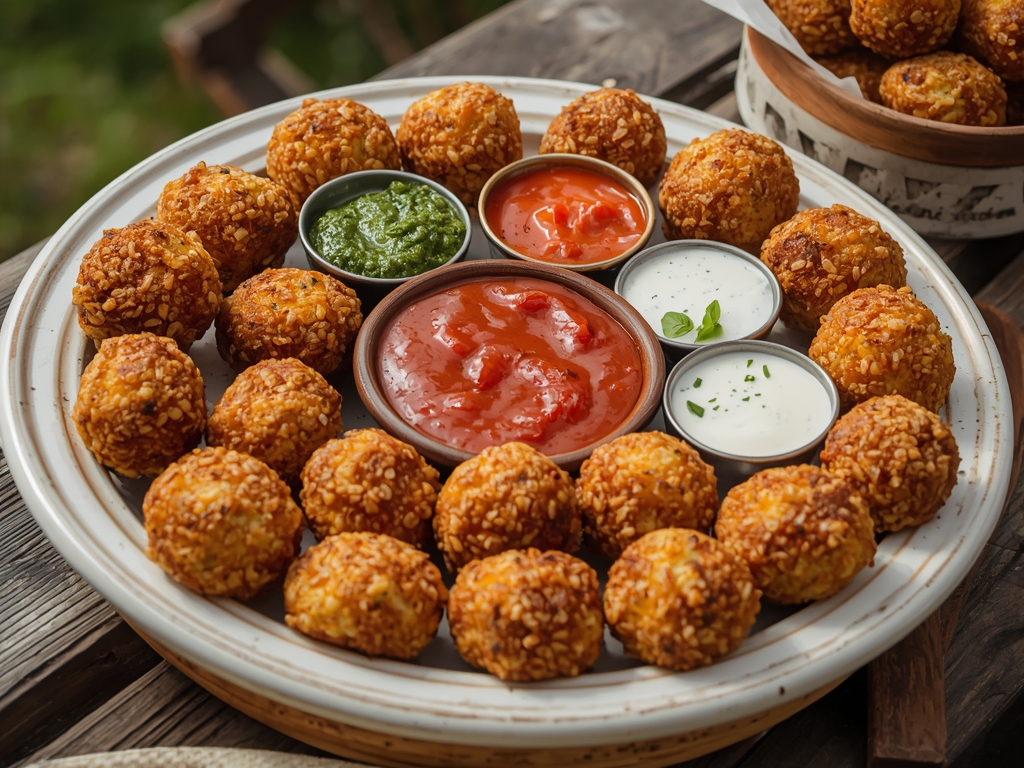
Arancini are incredibly versatile and can be served in various ways, making them perfect for parties, game nights, or as a unique appetizer. The key to a great presentation is offering a range of dipping sauces and garnishes.
Dipping Sauces Galore
While traditional marinara is a classic pairing, don’t be afraid to get creative. Pesto, aioli, and even a spicy sriracha mayo can elevate the arancini experience. Offer a selection of sauces to cater to different tastes.
For a more sophisticated presentation, serve the sauces in small bowls or ramekins, allowing guests to dip and discover their favorite combinations. This interactive element adds to the overall enjoyment.
Garnishes and Presentation
A sprinkle of fresh herbs, such as parsley or basil, adds a pop of color and freshness. For a more indulgent touch, serve the arancini with a side of grated Parmesan or a drizzle of truffle oil.
Consider the overall aesthetic when plating. Arrange the arancini on a large platter or board, allowing guests to serve themselves. This family-style presentation encourages sharing and creates a visually appealing display.
FAQ: Arancini Answers
Can I use day-old risotto for arancini?
Absolutely! Day-old risotto is ideal for arancini as it’s firmer and easier to shape. The rice’s texture is perfect for forming the balls without them falling apart.
How do I prevent the cheese from leaking?
Ensure the mozzarella is completely enclosed within the rice and that the arancini are well-coated in breadcrumbs. Frying at the correct temperature also helps prevent cheese leakage.
Can I bake arancini instead of frying?
While baking is a healthier option, it won’t achieve the same crispy exterior. If baking, brush the arancini with oil and bake at a high temperature to promote browning.
What’s the best way to reheat arancini?
Reheat arancini in a hot oven (400°F/200°C) for 5-7 minutes to restore their crispiness. Avoid microwaving, as it can make the rice balls soggy.
Can I freeze arancini?
Yes, arancini freeze well. Place them on a tray and freeze until solid, then transfer to a freezer bag. Reheat from frozen in the oven for best results.

Amara writes for the Tasty Remakes category, turning everyday leftovers into creative new dishes. Her recipes focus on practical transformations that save time and reduce food waste — proving that yesterday’s dinner can become today’s best meal.

← Previous
Meatloaf Bolognese Recipe: Transform Leftovers into Rich Pasta Sauce
Next →
Taco Meat Casserole: Tex-Mex Layered Bake with Leftover Beef