Follow Me On Social Media!

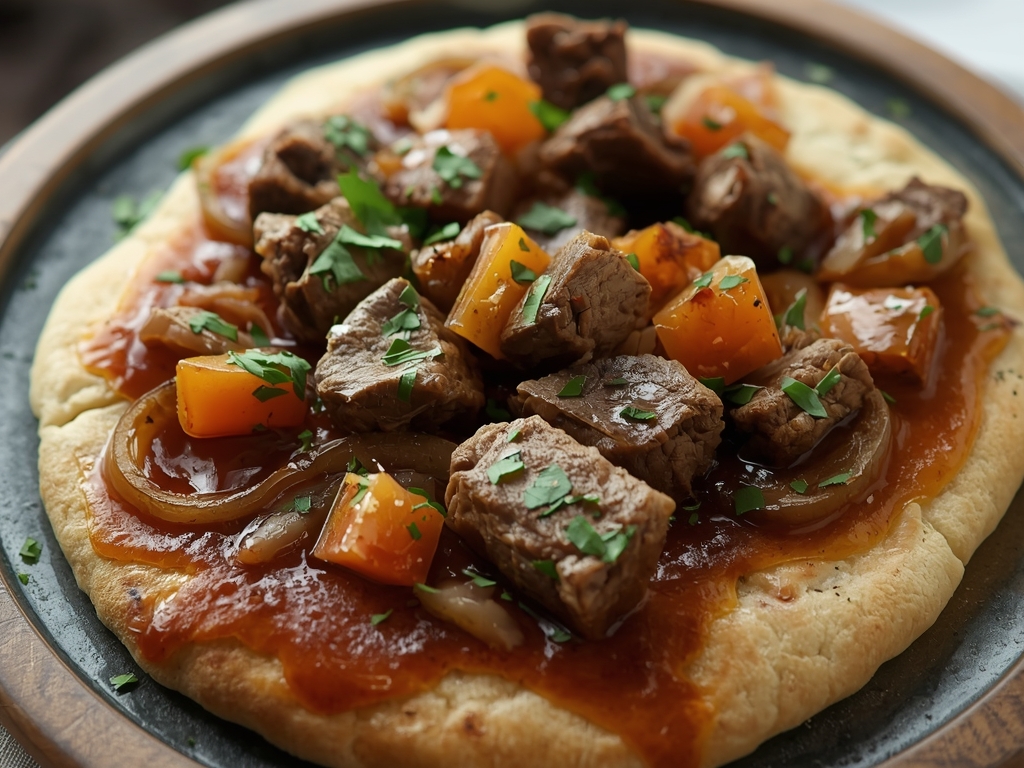
There is a specific kind of “Sunday Scaries” that happens in the kitchen on Monday night. You open the refrigerator, and there it is: the Tupperware container holding the remnants of yesterday’s pot roast. Yesterday, surrounded by family and wine, that beef was majestic—falling apart, tender, shimmering with beefy juices. Now, under the harsh LED lights of the fridge, it looks like a science experiment. The meat is grey and compressed into a dense brick, and the fat has congealed into a white, waxy cap that sits on top like a snowdrift.
Most people look at this and think “sandwich.” A sad, microwaved sandwich on soft bread that turns into a mushy mess. But the problem with leftover pot roast isn’t the flavor—the flavor is actually better after a day of mingling. The problem is the texture and the temperature. It’s heavy, it’s cold, and it’s rich. To rescue it, we need to cut that richness with something sweet and crunchy. We need to reinvent the vehicle. We are taking that heavy, beefy brick and turning it into a crispy, savory flatbread that feels like it came from a wood-fired pizza joint, not a plastic container.
The Gelatin and Fat Dilemma
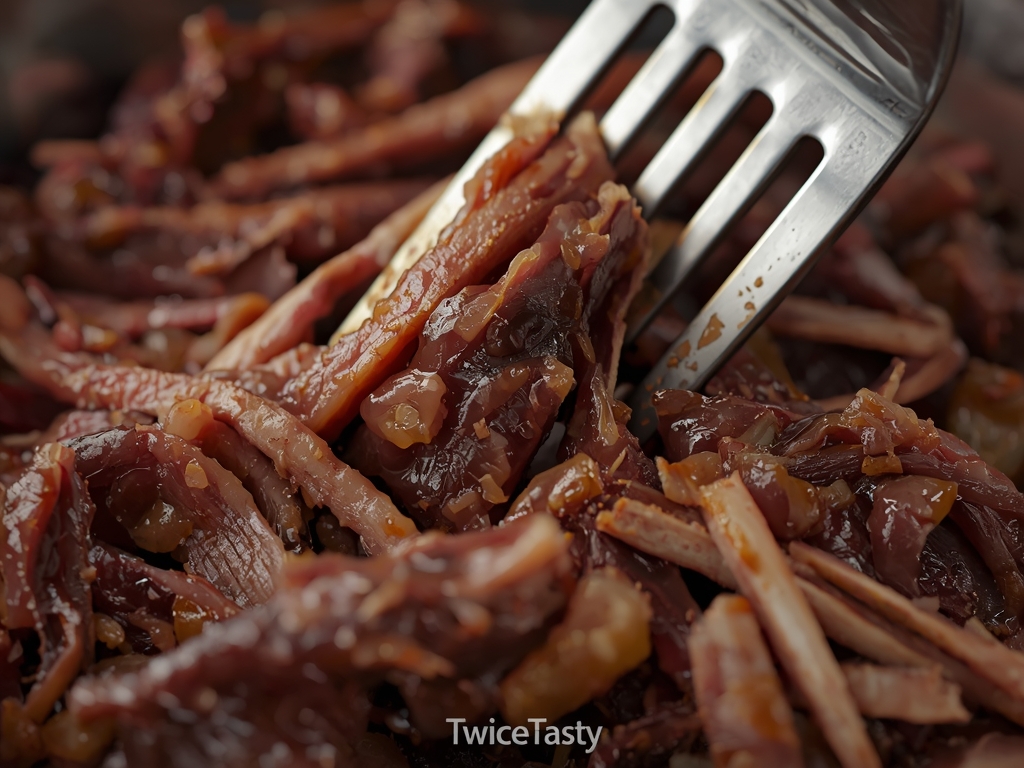
To understand how to fix this, we have to look at what pot roast actually is. It’s a tough cut of meat, usually chuck, that we torture for hours with low heat and moisture. During that time, the collagen—the connective tissue—breaks down into gelatin. This is what makes it fork-tender. But when that gelatin cools down in the fridge, it sets. It turns into a jelly.
That jelly, combined with the rendered beef fat that has solidified, creates that heavy, waxy texture. If you just throw this in the microwave, the gelatin melts, turning into a slippery, slimy liquid, and the fat renders out, leaving the meat fibers dry and stringy. It separates. It’s unappealing.
We need to treat this leftover beef not as a “roast,” but as a topping. We need to separate the meat from the excess jelly so we can control the moisture. A flatbread is the perfect vehicle because the high heat of the oven will crisp up the dough, providing a textural contrast to the soft beef. But we can’t just dump wet meat on dough, or we’ll end up with a soggy, uncooked center. We need to build a flavor bridge that can handle the moisture and stand up to the beef.
The Sweet and Savory Bridge: Caramelized Onions
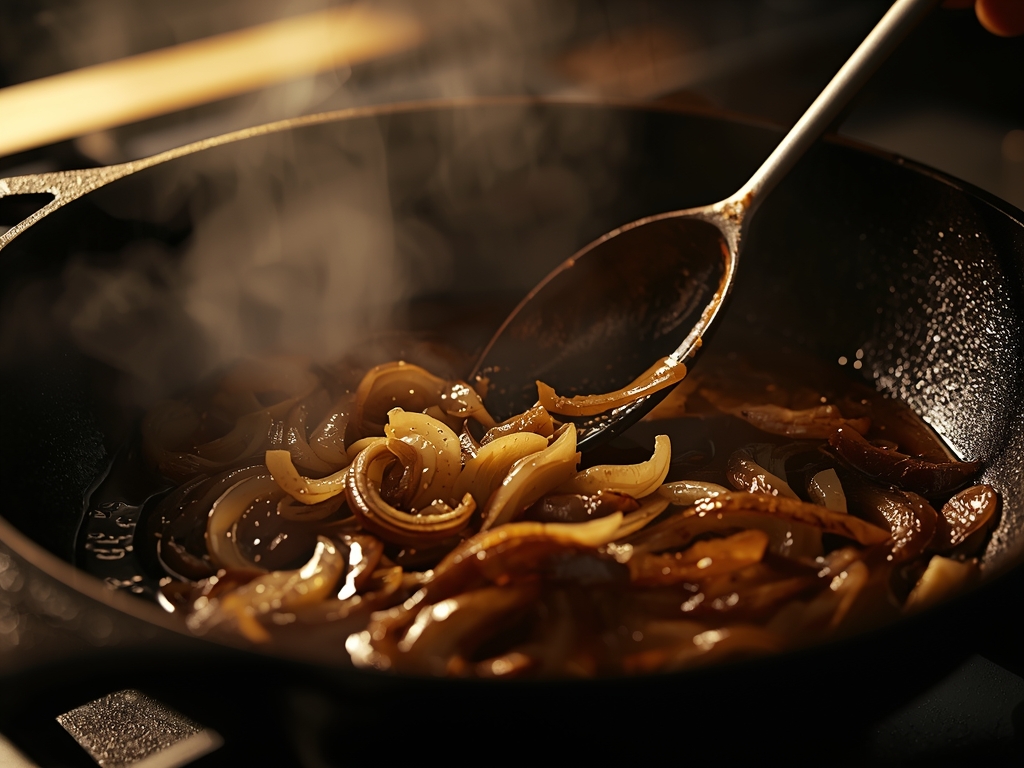
The secret to this dish isn’t the beef; it’s the onions. Pot roast is intensely savory, salty, and earthy. It needs something to cut through that heaviness. Caramelized onions are the answer. They are sweet, savory, and sticky.
Grab two or three big yellow onions. Slice them thin. Get a skillet hot with a little olive oil and throw them in. Here is where patience pays off. You aren’t sautéing them for dinner; you’re breaking them down. Let them cook over medium-low heat for 20 to 30 minutes.
As they cook, they will release their water and start to turn brown. The natural sugars in the onions will pyrolyze, turning that deep, mahogany color. They will shrink down to a fraction of their size. What you end up with is a jam-like consistency that is intensely sweet and savory.
This “onion jam” is crucial for the flatbread because it acts as a protective barrier between the dough and the beef. It’s thick and viscous, so it won’t soak through the crust and make it soggy. Plus, the sweetness of the onions balances the saltiness of the beef. It creates that steakhouse onion vibe without the fuss.
Assembly: Protecting the Crust
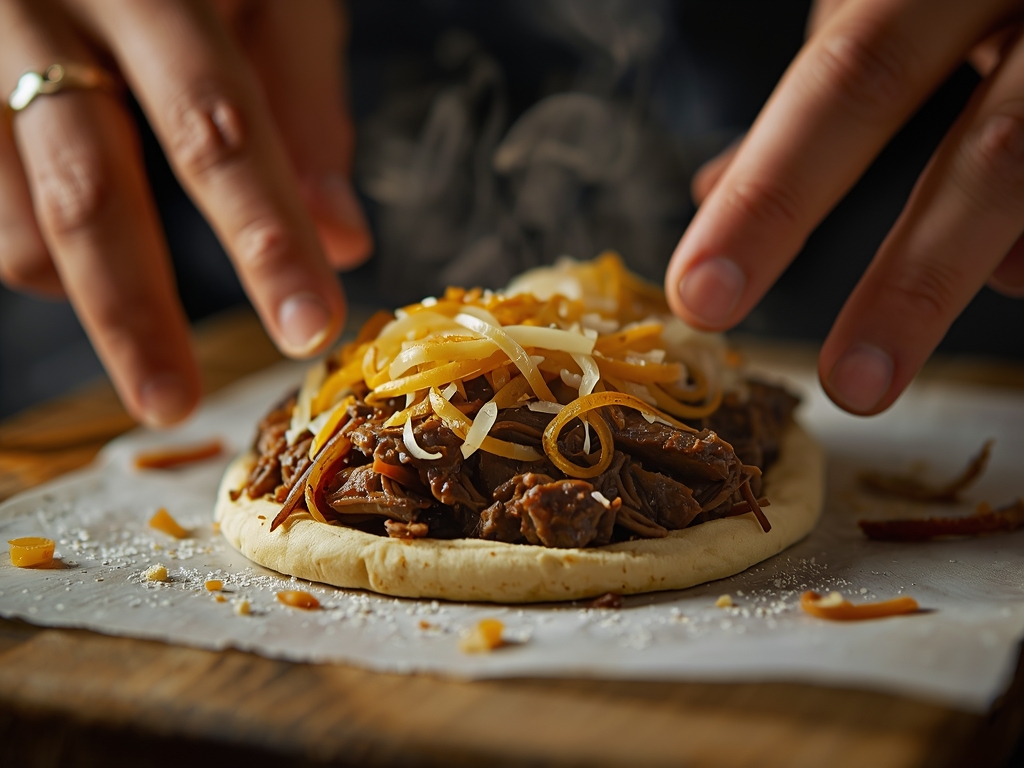
Now, let’s build. Preheat your oven as hot as it will go—450°F or even 500°F if your oven allows. You want that blast of heat to mimic a pizza oven. Roll out your dough. Whether it’s store-bought pizza dough, pita bread, or naan, get it onto a baking sheet or a pizza peel dusted with cornmeal.
First, the cheese. Don’t go for mozzarella alone; it’s too bland and stringy. Go for a mix. Some mozzarella for the melt, but add some Gruyère or sharp cheddar. The nuttiness of the Gruyère pairs beautifully with beef. Spread the cheese out, leaving a little rim for the crust to puff up.
Next, layer on your caramelized onions. Spread them like a jam. Now, the beef. Take your leftover pot roast out of the fridge. Pull it apart with your hands or a fork. Here is a pro tip: if your beef is sitting in a lot of gravy or jelly, drain it in a colander first. You don’t want that liquid pooling on your pizza. You want the meat fibers to be relatively dry so they can crisp up slightly in the oven.
Scatter the beef over the onions. It doesn’t need to be buried; just nestled in. Toss in some fresh thyme leaves if you have them. The piney aroma of thyme is the classic pairing for beef. Slide the whole thing into the oven.
The Fresh Greens Finish
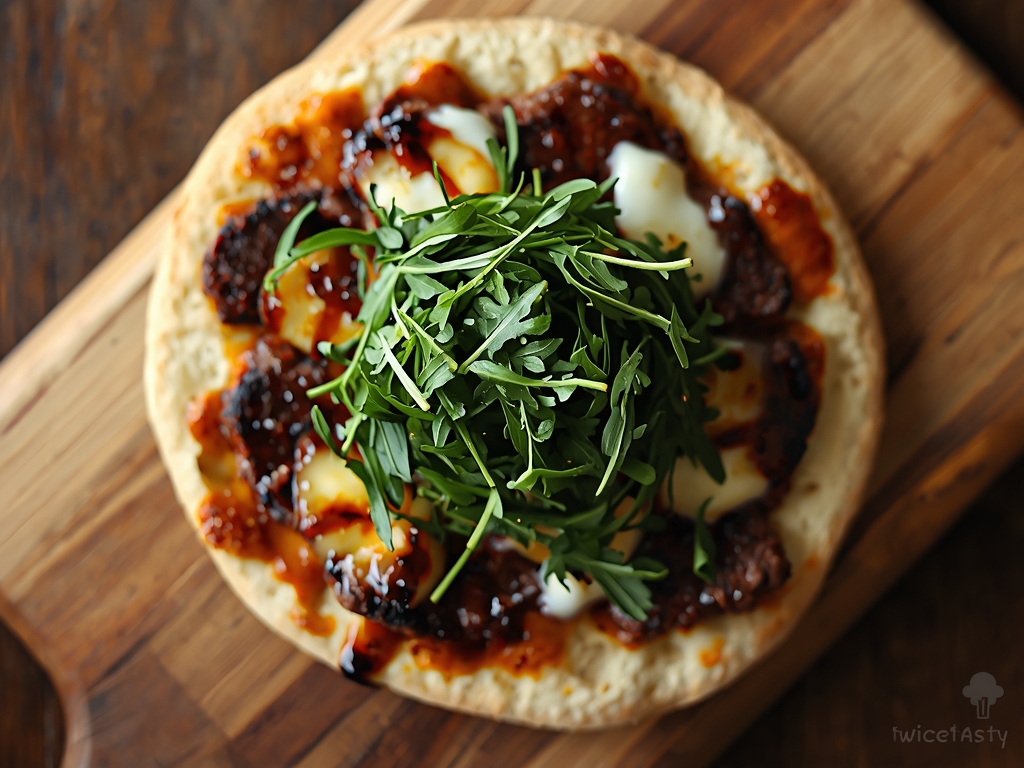
Bake it for 10 to 12 minutes. You want the edges of the crust to turn a deep golden brown and the cheese to be bubbling and blistered. The beef on top will get crispy edges, and the onions will start to caramelize even further against the heat of the oven.
When you pull it out, let it rest for just two minutes so the cheese sets slightly. This is the “Gourmet” touch that changes the whole profile. The dish is currently hot, rich, and brown. It needs freshness.
Grab a handful of arugula. Toss it in a bowl with a tiny drizzle of olive oil, a squeeze of lemon juice, and a pinch of salt. Pile that bright green, peppery salad right on top of the hot flatbread.
The contrast is wild. You have the crispy, salty crust, the gooey sharp cheese, the sweet and sticky onions, and the savory beef. Then you get the cool, peppery bite of the arugula and the acid from the lemon juice cutting right through the fat of the beef and cheese. It wakes up the palate. It turns a “heavy leftover meal” into something that feels light and sophisticated. You didn’t just reheat dinner; you elevated it.
Frequently Asked Questions
Can I use the leftover gravy from the roast on the pizza?
Be careful. If you pour gravy on the dough, it will make the crust soggy before it has a chance to cook. If you really want that flavor, brush a very thin layer of reduced gravy (cooked down until it’s thick) on the crust before you add the cheese. Treat it like a sauce base, but use it sparingly.
What if I don’t have time to caramelize onions? It won’t be the same, but you can cheat. Thinly slice some red onion and toss them on raw. They will cook in the oven, but they’ll retain a bit of their crunch and sharp bite. To mimic the sweetness, you could drizzle a tiny bit of balsamic glaze or honey over the pizza right when it comes out of the oven.
Can I freeze the leftover roast specifically for this? Yes! In fact, pot roast freezes beautifully. Freeze the shredded meat in portions with a little bit of the gravy (frozen together). When you’re ready to make the flatbread, thaw it in the fridge overnight. The freezing process can actually help break down the fibers even more, making the beef incredibly tender. Just make sure to drain off the excess liquid after thawing before putting it on the pizza.

Amara writes for the Tasty Remakes category, turning everyday leftovers into creative new dishes. Her recipes focus on practical transformations that save time and reduce food waste — proving that yesterday’s dinner can become today’s best meal.

← Previous
How to Use Leftover Pizza Toppings for an Omelet Masterclass
Next →
Turning Leftover Pasta into a Crispy Italian Noodle Frittata