Follow Me On Social Media!

From Dip to Crisp: The Ultimate Leftover Hummus Makeover

We’ve all been there – staring into the fridge at a half-empty container of hummus, wondering if it’s still good to eat. Fear not, fellow food lovers! Today, we’re transforming that leftover dip into a crunchy, flavorful snack that’ll have you questioning why you ever threw it away.
The Science Behind the Crisp: How Hummus Becomes a Cracker

Before we dive into the recipe, let’s talk about what makes this transformation possible. Hummus, with its chickpea base, is packed with protein and fiber. When baked at high temperatures, the moisture evaporates, leaving behind a crispy, cracker-like texture.
The key to achieving the perfect crisp is a combination of heat and airflow. By spreading the hummus thinly and baking it at a high temperature, we create the ideal conditions for moisture to escape, resulting in a crunchy, satisfying snack.
Ingredients: What You’ll Need

- Leftover hummus: The star of the show – use as much or as little as you have.
- Spices: Cumin, paprika, and garlic powder add depth of flavor.
- Optional mix-ins: Chopped olives, sun-dried tomatoes, or roasted red peppers can take your crackers to the next level.
Mix, Spread, and Bake: The Simple Steps to Cracker Perfection
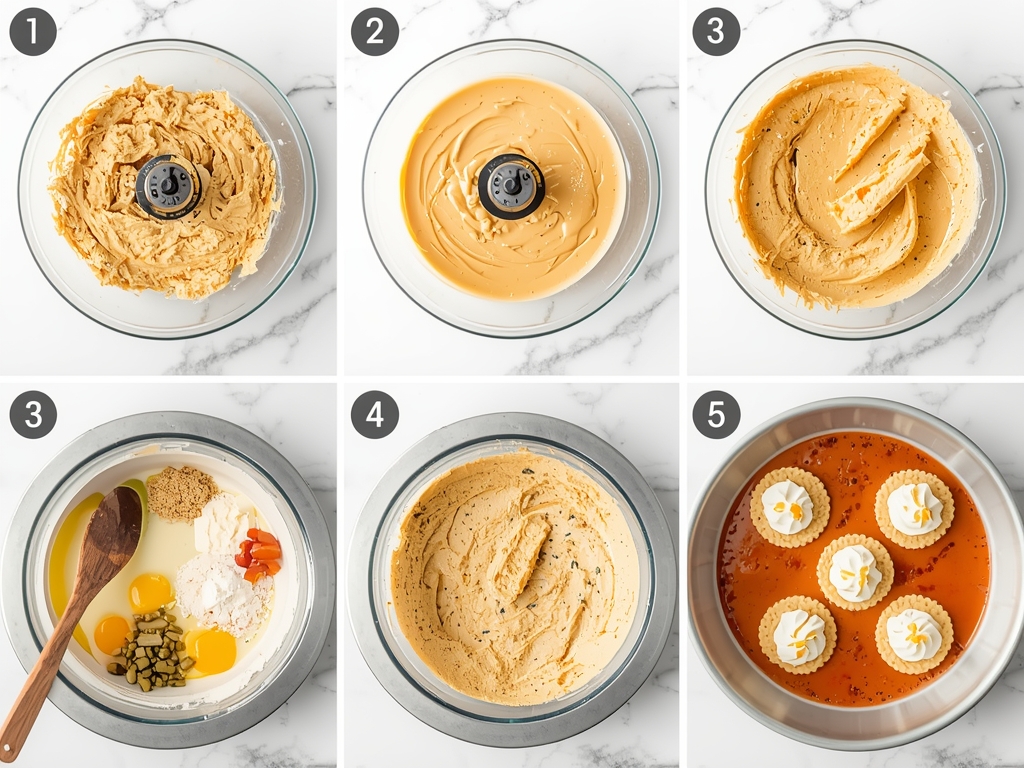
Now that we’ve got our ingredients, let’s get baking! Preheat your oven to 350°F (175°C) and line a baking sheet with parchment paper. In a mixing bowl, combine your leftover hummus with your chosen spices and mix-ins.
Spread the mixture thinly and evenly onto the prepared baking sheet, aiming for a thickness of about 1/4 inch. The thinner you spread it, the crispier your crackers will be. Bake for 20-25 minutes, or until the edges are golden brown and the center is crispy.
Tips and Tricks for the Perfect Crisp
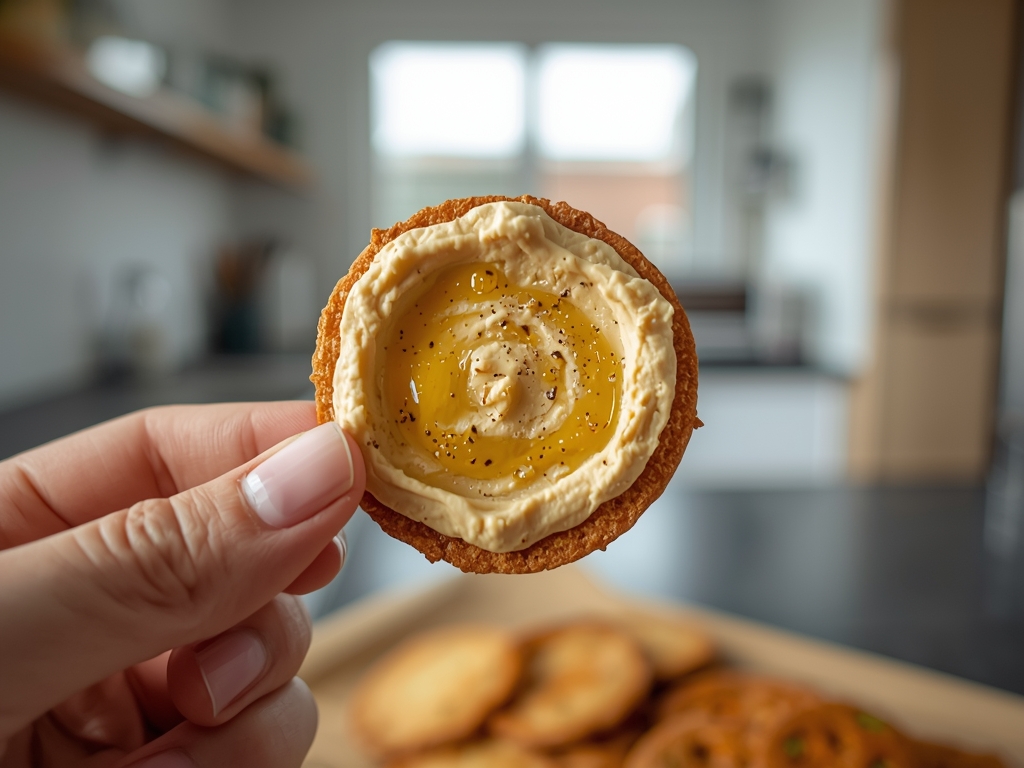
- Experiment with different spice combinations to find your favorite flavor profile.
- For a cheesier twist, sprinkle grated cheddar or parmesan on top before baking.
- If your crackers aren’t crispy enough, return them to the oven for an additional 5-10 minutes, keeping a close eye to avoid burning.
Serving Suggestions: How to Enjoy Your Hummus Crackers
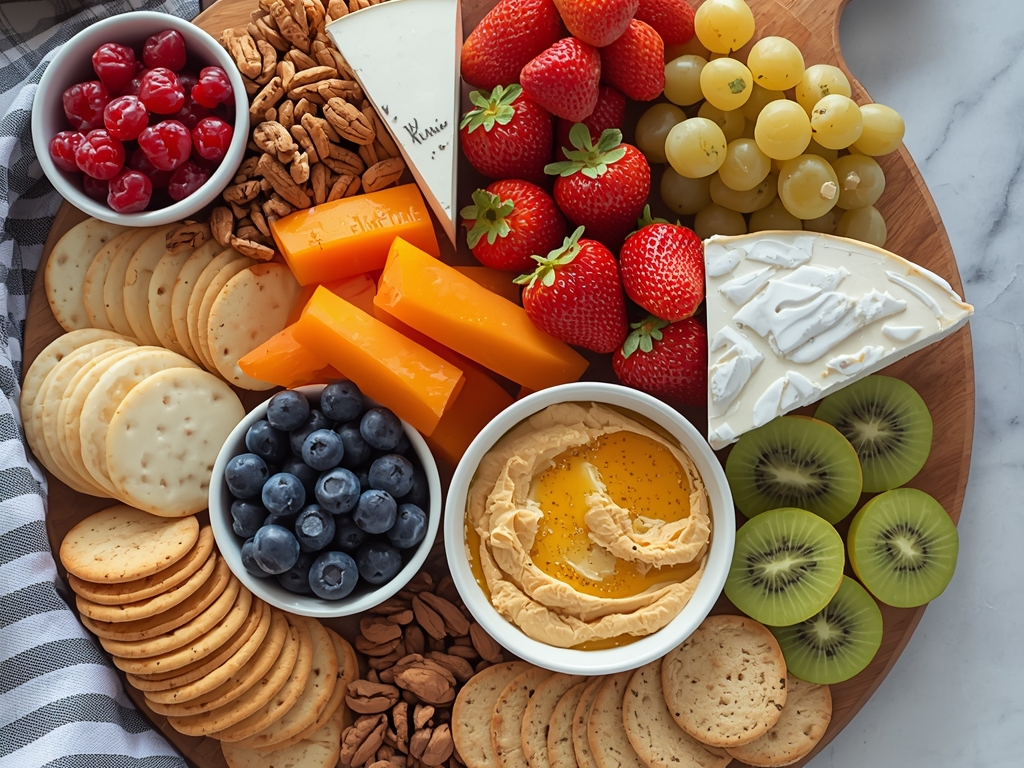
Your hummus crackers are now ready to be enjoyed! Serve them as a snack on their own, or pair them with your favorite dips and spreads. They’re also a great addition to a charcuterie board, adding a crunchy, flavorful element to the mix.
For a more substantial meal, top your crackers with sliced avocado, cherry tomatoes, and a drizzle of balsamic glaze. Or, crumble them over a salad for a crunchy, healthy boost.
Storing and Reheating: Keeping Your Crackers Crispy
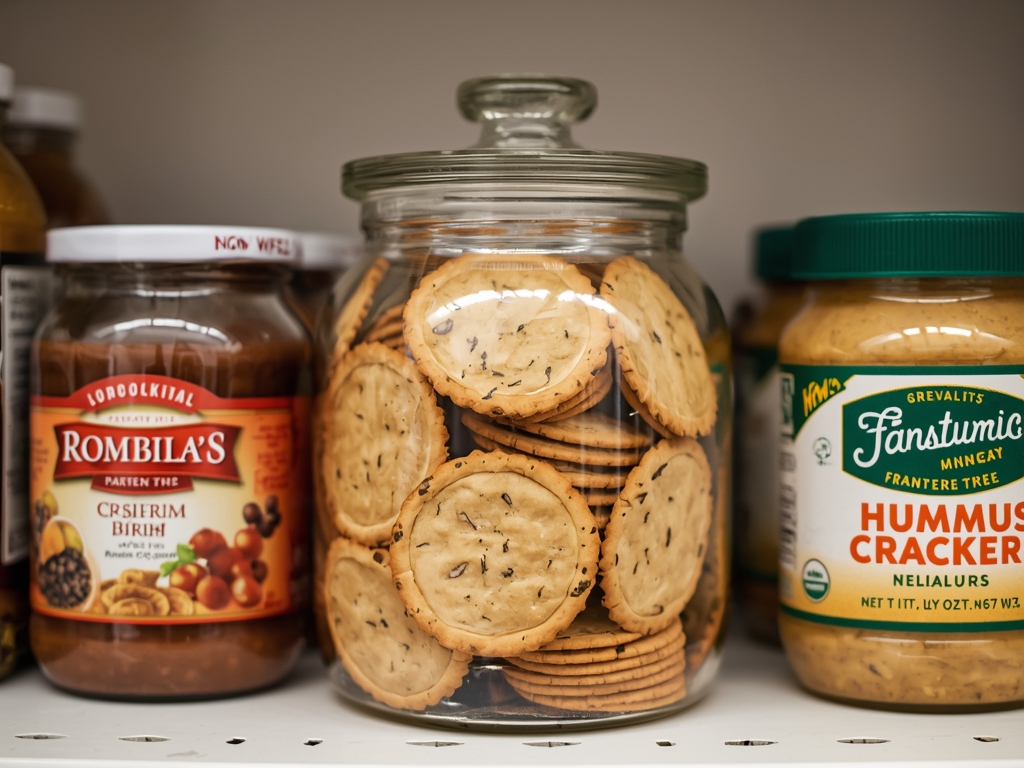
To keep your hummus crackers crispy, store them in an airtight container at room temperature for up to 3 days. If they lose their crispness, simply reheat them in a 350°F (175°C) oven for 5-10 minutes, or until warmed through.
For longer storage, freeze your crackers in a sealed container for up to 1 month. When ready to enjoy, thaw them at room temperature and reheat as needed.
FAQ
Can I use any type of hummus for this recipe?
Yes, you can use any type of hummus, whether it’s store-bought or homemade. Just be sure to adjust the seasoning to your taste.
How long do hummus crackers last?
When stored in an airtight container at room temperature, hummus crackers will last for up to 3 days. For longer storage, freeze them for up to 1 month.
Can I make hummus crackers in advance?
Absolutely! Hummus crackers are a great make-ahead snack. Simply store them in an airtight container and reheat as needed.
What’s the best way to reheat hummus crackers?
To reheat hummus crackers, preheat your oven to 350°F (175°C) and bake them for 5-10 minutes, or until warmed through. You can also reheat them in a toaster oven or air fryer for a quicker option.
Can I add cheese to my hummus crackers?
Yes, you can add grated cheese to your hummus mixture before baking for a cheesier twist. Cheddar, parmesan, and gouda all work well.

Amara writes for the Tasty Remakes category, turning everyday leftovers into creative new dishes. Her recipes focus on practical transformations that save time and reduce food waste — proving that yesterday’s dinner can become today’s best meal.

← Previous
Roast Beef Pho: Transform Leftovers into Vietnamese Soup
Next →
Chili Mac Burger: Gourmet Leftover Chili Topping Recipe