Follow Me On Social Media!

Knife Sharpness Test: Master the Paper Test Like a Pro
The Paper Test: A Time-Honored Tradition in American Kitchens
In the heart of every American kitchen, there’s a secret weapon that separates the pros from the amateurs: a truly sharp knife. But how can you tell if your trusty blade is up to the task? Enter the paper test, a simple yet effective method that’s been passed down through generations of home cooks and professional chefs alike.
This time-honored tradition is deeply rooted in American culinary culture, where the art of knife skills is revered. From the bustling food trucks of Los Angeles to the quaint farm-to-table restaurants in New England, a sharp knife is the cornerstone of any successful kitchen.
Why Sharpness Matters: The Impact on Your Cooking
The Science Behind Sharpness
Before we dive into the paper test, let’s explore why sharpness is crucial in the kitchen. A sharp knife not only makes cutting and chopping more efficient but also has a significant impact on the quality of your ingredients.
When a knife is sharp, it creates a clean cut, minimizing damage to the cells of fruits, vegetables, and meats. This results in less bruising, better texture, and enhanced flavor – all essential elements of American cuisine, where freshness and quality are highly valued.
The Consequences of a Dull Blade
On the other hand, a dull knife can wreak havoc on your ingredients. It requires more force to cut, often leading to uneven slices and crushed produce. In the worst-case scenario, a dull blade can even be dangerous, as it’s more prone to slipping and causing accidents.
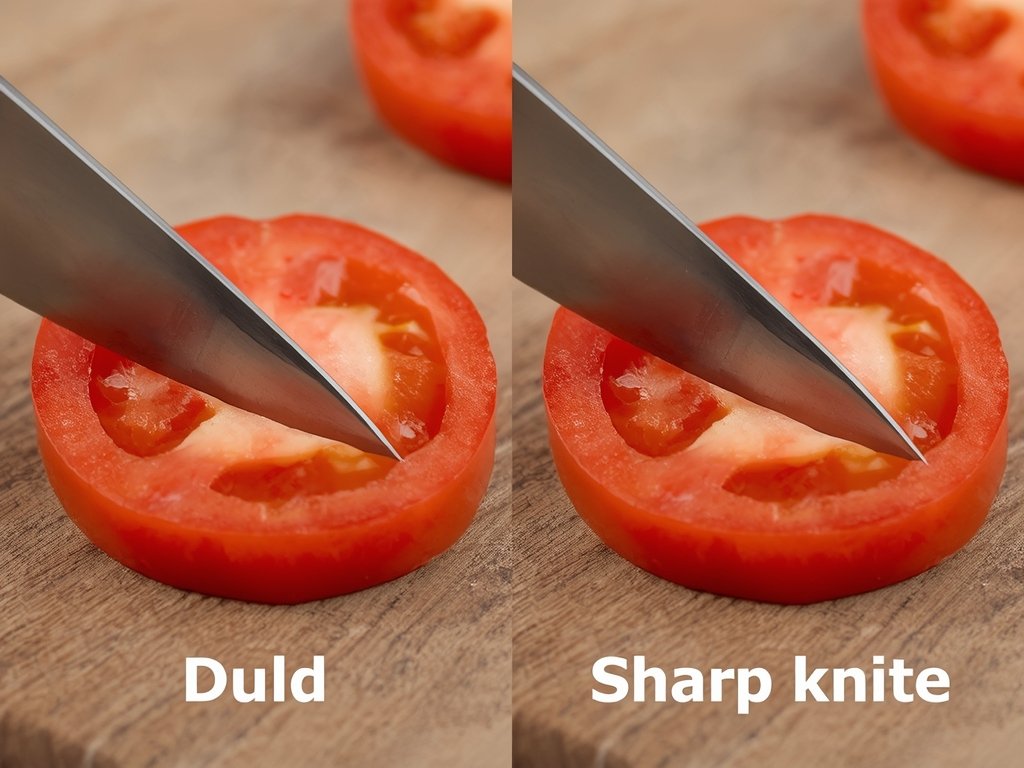
Imagine trying to slice through a juicy, ripe tomato with a dull knife – it’s a recipe for disaster, resulting in a mushy mess and lost flavor. In a country where the farm-to-table movement is thriving, preserving the integrity of ingredients is paramount.
Mastering the Paper Test: A Step-by-Step Guide

Gathering Your Materials
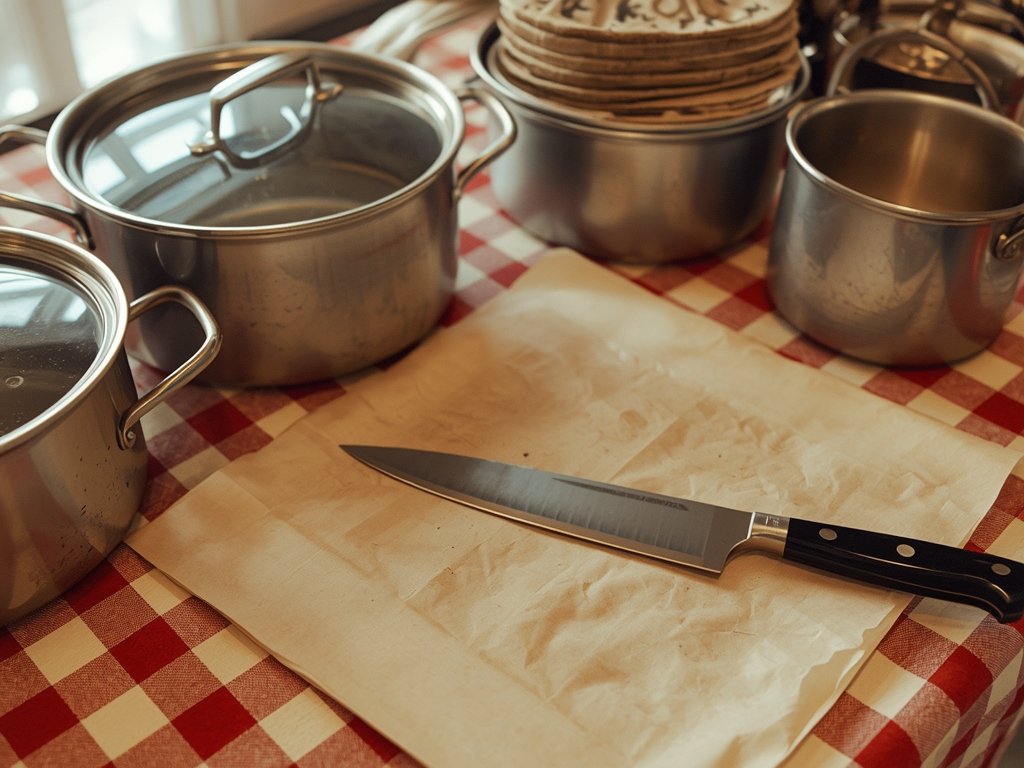
To perform the paper test, you’ll need a few simple items: a sharp knife (or one you suspect might be dull), a sheet of standard printer paper, and a flat surface. It’s essential to use a plain, uncoated paper, as glossy or thick paper can yield inaccurate results.
For best results, choose a knife that’s representative of your everyday cutting tasks. Whether it’s a versatile chef’s knife or a specialized slicing blade, the paper test will reveal its true sharpness.
The Technique: A Delicate Touch
Hold the knife in your dominant hand, with the paper resting on a flat surface in front of you. Position the blade at a slight angle, approximately 15-20 degrees, and gently draw it across the paper, applying minimal pressure.
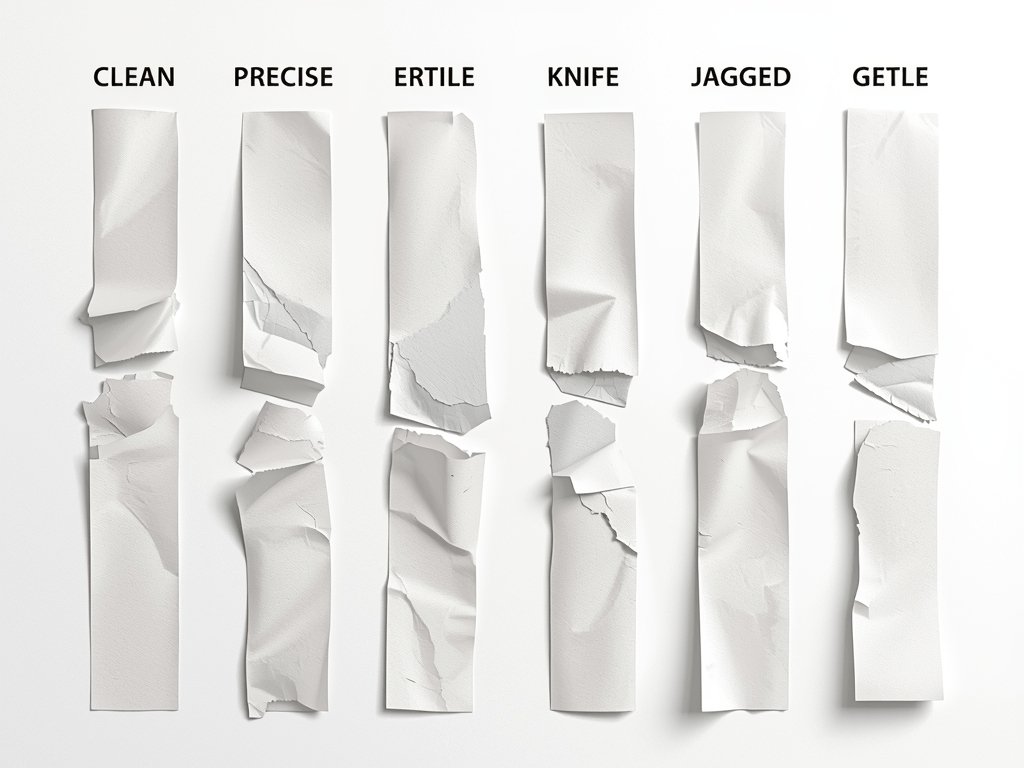
The goal is to create a smooth, continuous cut without tearing or snagging. A truly sharp knife will glide through the paper with ease, leaving a clean edge. If the knife catches or requires significant force, it’s a sign that your blade needs attention.
Interpreting the Results: What Your Knife is Telling You
Signs of a Sharp Knife
If your knife passes the paper test with flying colors, congratulations – you’ve got a sharp blade on your hands. Look for a clean, smooth cut that extends the entire length of the paper. The knife should feel almost effortless to use, requiring minimal pressure to achieve the desired result.
This level of sharpness is ideal for precision tasks like mincing herbs, slicing delicate fish, or creating paper-thin cuts of meat. It’s the hallmark of a well-maintained knife and a testament to your commitment to culinary excellence.
Identifying Dullness: When to Take Action
If your knife struggles to cut through the paper or produces a torn, jagged edge, it’s a clear indication of dullness. You might also notice that the knife feels sticky or requires significant force to make progress.
Don’t despair – a dull knife is a common issue that can be remedied with proper sharpening and maintenance. However, it’s crucial to address the problem promptly, as continued use of a dull blade can lead to frustration, inefficiency, and even safety hazards in the kitchen.
Beyond the Paper Test: Advanced Sharpness Indicators
The Tomato Test: A Culinary Challenge
While the paper test is an excellent starting point, some chefs prefer a more culinary-focused approach: the tomato test. This method involves slicing through a ripe tomato with your knife, observing the results.
A sharp knife will produce clean, even slices with minimal juice loss, while a dull blade will crush the tomato, leaving a messy, unappetizing result. This test is particularly relevant in American kitchens, where the tomato is a staple ingredient in countless dishes, from burgers to salads.
Professional Insights: When to Seek Expert Help
If you’re unsure about your knife’s sharpness or lack the tools to address the issue, consider seeking professional assistance. Many American cities boast specialized knife sharpening services, often found in culinary supply stores or farmers’ markets.
These experts can assess your knife’s condition, provide tailored advice, and restore your blade to its former glory. It’s an investment in your culinary pursuits and a way to support local businesses that share your passion for quality and craftsmanship.
Maintaining Sharpness: Tips for Long-Lasting Performance

Regular Maintenance: A Habit Worth Cultivating
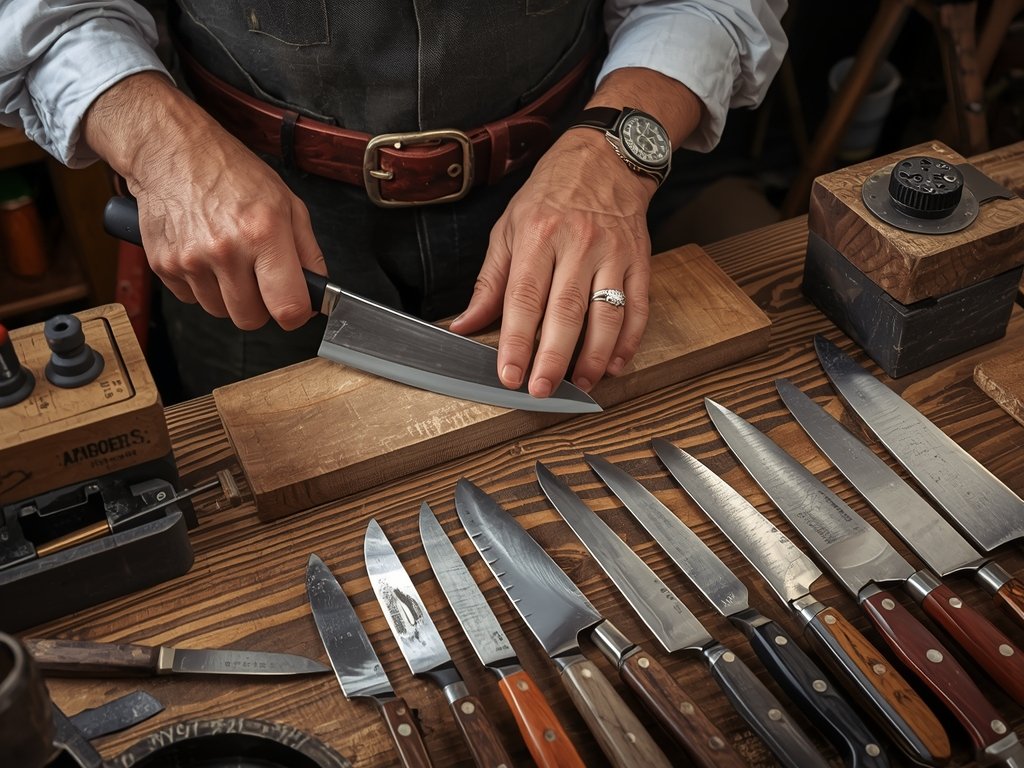
To keep your knives in top condition, regular maintenance is key. Invest in a high-quality sharpening stone or honing rod, and make it a habit to tend to your blades periodically. A few minutes of care can extend the life of your knives and ensure consistent performance.
Remember, a sharp knife is a safe knife. By maintaining your blades, you’ll not only elevate your cooking but also reduce the risk of accidents in the kitchen – a win-win situation for any home cook or professional chef.
Storage and Handling: Protecting Your Investment
Proper storage and handling are essential for preserving your knife’s sharpness. Store your knives in a block, on a magnetic strip, or in individual sheaths to prevent damage and maintain their edges. Avoid tossing them in a drawer, where they can knock against other utensils and become dull.
When using your knives, always cut on a suitable surface, such as a wooden or plastic cutting board. Hard surfaces like glass, marble, or ceramic can quickly dull your blade, undermining your efforts to maintain sharpness.
FAQ
How often should I perform the paper test?
It’s a good idea to perform the paper test periodically, especially if you use your knives frequently. Aim for once a month or whenever you notice a decline in cutting performance.
Can I use any type of paper for the test?
For best results, use standard printer paper (80-90 gsm). Avoid glossy, thick, or coated papers, as they can yield inaccurate results.
What if my knife fails the paper test?
If your knife struggles to cut through the paper, it’s likely dull and needs sharpening. You can attempt to sharpen it yourself using a sharpening stone or seek professional assistance.
Is the paper test suitable for all types of knives?
The paper test is effective for most kitchen knives, including chef’s knives, paring knives, and slicing blades. However, it may not be suitable for serrated or heavily curved blades.
How can I maintain my knife’s sharpness between tests?
Regular honing with a sharpening rod, proper storage, and avoiding cutting on hard surfaces can help maintain your knife’s sharpness. Additionally, hand-washing and drying your knives can prevent damage and corrosion.