Follow Me On Social Media!


There is a specific kind of “morning after” guilt that comes with hosting. You stumble into the kitchen, eyes half-open, and there it is: the party platter. It’s sitting on the counter or shoved into the fridge, looking tragic. The carrot sticks have gone floppy and white at the ends. The celery ribs are bent and tired. The broccoli florets are looking a little yellow and sad, and the ranch dip container has that dangerous “dip cross-contamination” swirl from a double-dipper.
You look at this pile of vegetation and feel a sense of obligation. You should eat it. It’s healthy. It’s expensive. But let’s be real—chewing on a limp, cold carrot stick is a joyless experience. It feels like a chore. Most people scrape this into the compost or the trash, counting it as a loss. But you are sitting on a goldmine of flavor. Those vegetables aren’t bad; they are just dehydrated. And that little tub of dip? That’s a flavor bomb waiting to happen. If we apply some heat and a little mechanical aggression, we can transform that sad, raw platter into a velvety, sophisticated soup that tastes like it came from a bistro, not a rescue mission.
Why Raw Veggie Hate the Fridge

To understand how to fix this, we have to look at what happened to those carrots and cucumbers overnight. Raw vegetables are basically water balloons held together by cellulose. When they are cut from the root, they lose their source of hydration. In the dry air of the fridge, they start to transpire—they lose water to the atmosphere. That’s why the carrots go limp; the internal pressure has dropped.
But the bigger issue for eating them is the flavor. Raw vegetables often have defense mechanisms—bitter compounds or spicy notes—that keep pests away. Cooking breaks these down. Furthermore, the sugars in vegetables like carrots, peppers, and onions are locked inside tight cell walls. When you eat them raw, you taste the vegetable, but you don’t taste the sweetness. The sweetness only comes out when you apply heat and break down those cell walls, allowing the sugars to caramelize.
We aren’t just trying to warm these up; we are trying to concentrate them. Roasting is the key because it uses the dry heat of the oven to evaporate even more water, leaving behind a concentrated, intense vegetable flavor. We are taking a watery, crunchy snack and turning it into a rich, savory base.
The “Roast to Soft” Strategy

Don’t even think about putting these in a pot of water to boil. They are already water-logged and flavorless. You want to roast them. Crank your oven to 400°F. Dump the entire contents of the veggie tray—carrots, celery, peppers, broccoli, cauliflower—onto a large baking sheet. Toss them with a glug of olive oil, salt, and pepper.
Now, roast them hard. We aren’t looking for tender-crisp; we want them soft. We want the edges to char. Let them go for 25 to 30 minutes. What happens here is the Maillard reaction and caramelization working overtime. The natural sugars in the carrots and onions turn brown and sweet. The broccoli develops that deep, nutty flavor. The dehydration that made them limp in the fridge is now working in our favor, concentrating the flavor into a smaller, more intense package.
When you pull them out, they should be soft enough to squash between your fingers, and they should smell incredible—earthy and sweet. This is the flavor base that store-bought broth tries to fake. This is the real deal.
The Dip Hack: Your Secret Thickener

Now, here is the twist that elevates this from “garbage soup” to “gourmet dinner.” Do not use water or plain broth to thin this out. Remember that tub of dip that came with the tray? Whether it’s ranch, dill, or onion dip, that is your liquid gold.
Scoop the roasted veggies into a blender. Pour in about half a cup of vegetable or chicken stock just to get things moving, and then—dump in that leftover dip. The dip usually has buttermilk, sour cream, mayonnaise, and herbs like dill, parsley, and chives. It already has the fat, the acid, and the seasoning perfectly balanced for these specific vegetables.
Blend it on high until it’s silky smooth. The starch from the potatoes or carrots (if you had them) and the pectin from the broccoli will combine with the fats in the dip to create a luxurious, creamy texture without you having to add a single drop of heavy cream. It’s thick, it coats the spoon, and it tastes incredibly savory. The herbs in the dip, which were sitting in that cold tub, bloom again when heated, releasing a fresh aroma that makes the soup taste vibrant and alive.
The Acid Finish and the Crouton Crunch
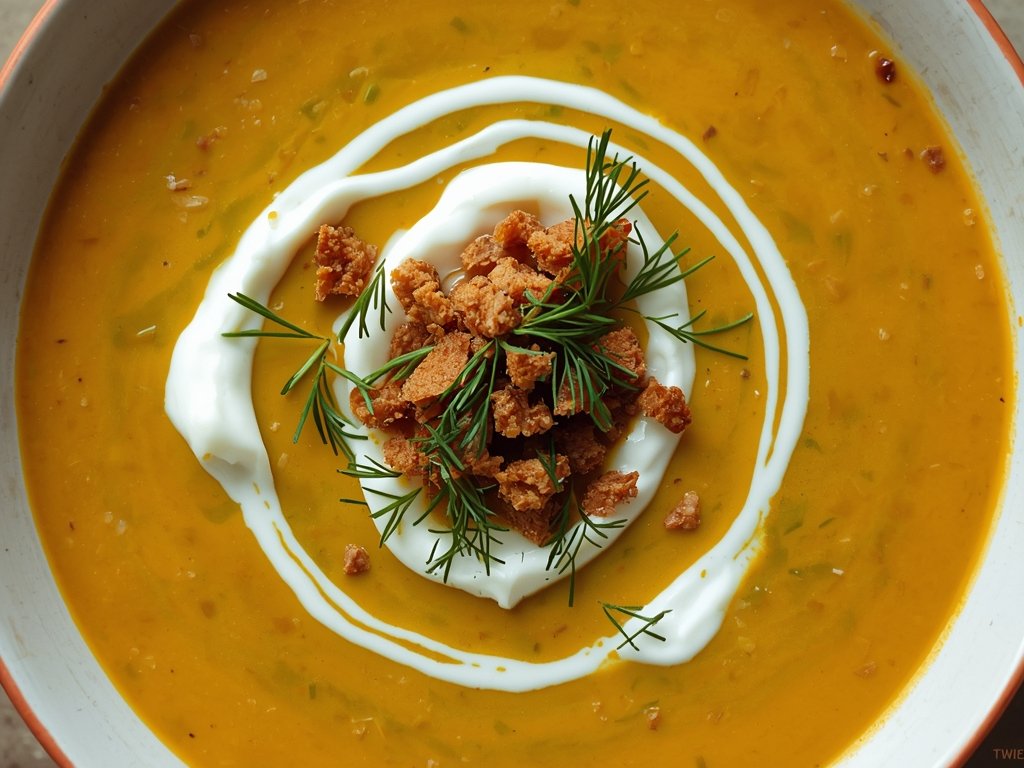
Pour the blended soup back into a pot to warm through gently. Taste it. It will likely be rich and sweet from the roasted vegetables, but it might be missing a “pop.” That’s where the acid comes in. Roasted vegetables need acid to cut through the sweetness. Squeeze in some lemon juice or add a splash of apple cider vinegar. It brightens the whole bowl, making the flavors dance rather than just sit heavily on your tongue.
For the final textural element, look at your veggie tray again. Did you have any almonds or walnuts? Or perhaps that bag of pita chips or pretzels that was on the side? Crush them up. Top the soup with those salty, crunchy bits.
The contrast is key. You have this hot, smooth, creamy soup, and then you hit a salty, crunchy crouton or a nutty almond. It transforms the mouthfeel completely. You’ve taken the dregs of a party—a bunch of wilting crudités and some dip—and turned it into a starter that feels elegant and thoughtful. It’s the ultimate “TwoceTasty” move: wasting nothing and maximizing flavor.
Frequently Asked Questions
Can I use the onion or veggie dip if it’s been sitting out all night?
If the dip was left out at room temperature for more than two hours, you should toss it for safety reasons—bacteria love dairy. However, if the dip was put back in the fridge promptly, it’s perfectly safe to cook with. The high heat of the blending process and the simmering soup will pasteurize it, killing any bacteria.
What if my veggie tray didn’t have carrots or broccoli, just cucumbers and peppers? You can still make soup! Cucumbers and peppers roast beautifully. However, cucumbers have a very high water content. When you roast them, they will release a lot of liquid. You might not need as much added stock. Also, cucumber soup is often served cold (Gazpacho style), so you could blend it with the dip and chill it for a refreshing summer lunch.
Does this soup freeze well? It depends on the dip. If the dip was mayonnaise-based (like most ranch), it can separate slightly when frozen and thawed, as the emulsion can break. It will still taste fine, but the texture might look a little grainy. If you plan to freeze it, I recommend blending the roasted veggies with just broth, freezing that, and then stirring in fresh cream or yogurt when you reheat it.

Amara writes for the Tasty Remakes category, turning everyday leftovers into creative new dishes. Her recipes focus on practical transformations that save time and reduce food waste — proving that yesterday’s dinner can become today’s best meal.

← Previous
Leftover Pulled lamb Breakfast Burritos: The Ultimate Weekend Brunch
Next →
Leftover Scalloped Potatoes Shepherd’s Pie: The Ultimate Crust Hack