Follow Me On Social Media!

We’ve all been there. You spent forty-five minutes standing over the stove, stirring Arborio rice and ladling in stock until your arm practically fell off. The result was a creamy, perfect pot of Mushroom Parmesan risotto that was the highlight of your Tuesday night. You packed the leftovers away, dreaming of how good lunch was going to be the next day.
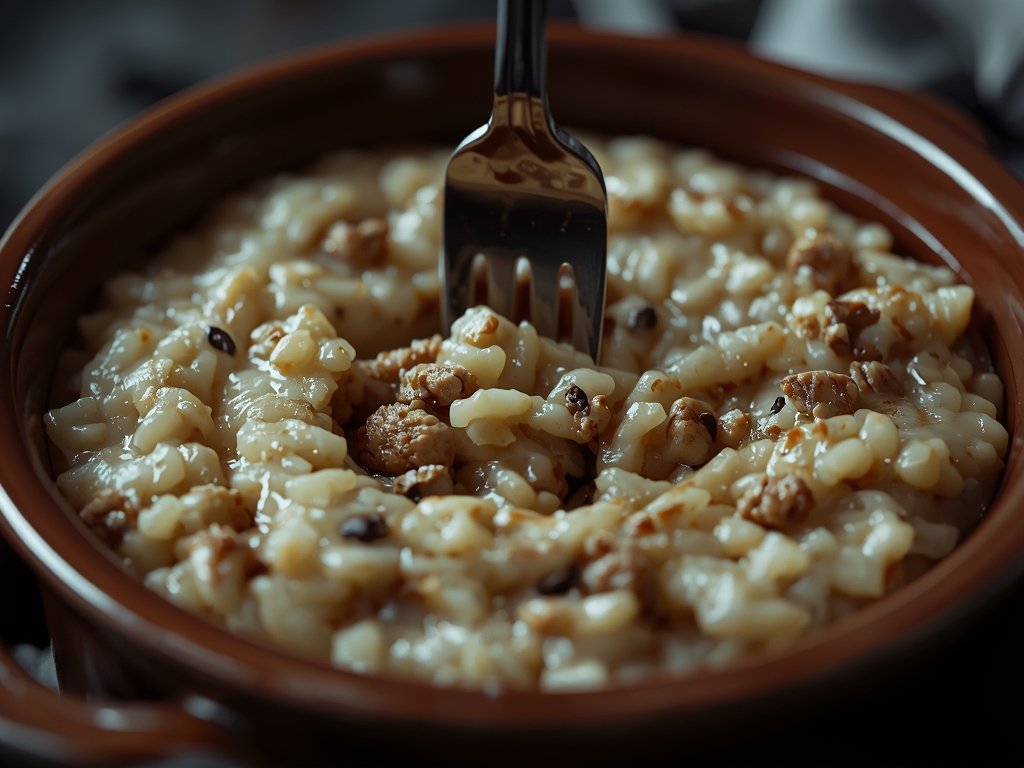
Fast forward to lunchtime. You grab a fork, dive into the Tupperware, and… tragedy strikes. The beautiful, flowing creaminess has vanished. In its place is a dense, rubbery block of glued-together rice grains that tastes more like paste than gourmet Italian cuisine. It’s dry, it’s sad, and honestly? It’s a little insulting to the effort you put in last night.
Most people just throw it in the microwave for two minutes and hope for the best. That is exactly where the failure happens. The microwave blasts water molecules, creating erratic steam that turns the exterior to mush while leaving the center cold. But here at TwiceTasty, we don’t do sad leftovers. We believe leftovers should be an opportunity for an upgrade, not a downgrade.
The secret isn’t just “heating it up.” It’s about adding the right kind of hydration and applying the right kind of agitation. We are going to walk you through the TwiceTasty Stovetop Revival Method. This technique re-emulsifies the starches and brings back that signature, luscious mantecatura texture that makes risotto famous. Say goodbye to the rubber block.
The Science of Taste: Why Risotto Fails (And How We Fix It)
To fix the problem, we have to understand the villain here: Starch. Specifically, the high amylopectin content in Arborio (or Carnaroli) rice. When you make risotto fresh, you are coercing the starch molecules to leave the grain and mix with the stock and butter to create a creamy suspension. It’s like a culinary science experiment.
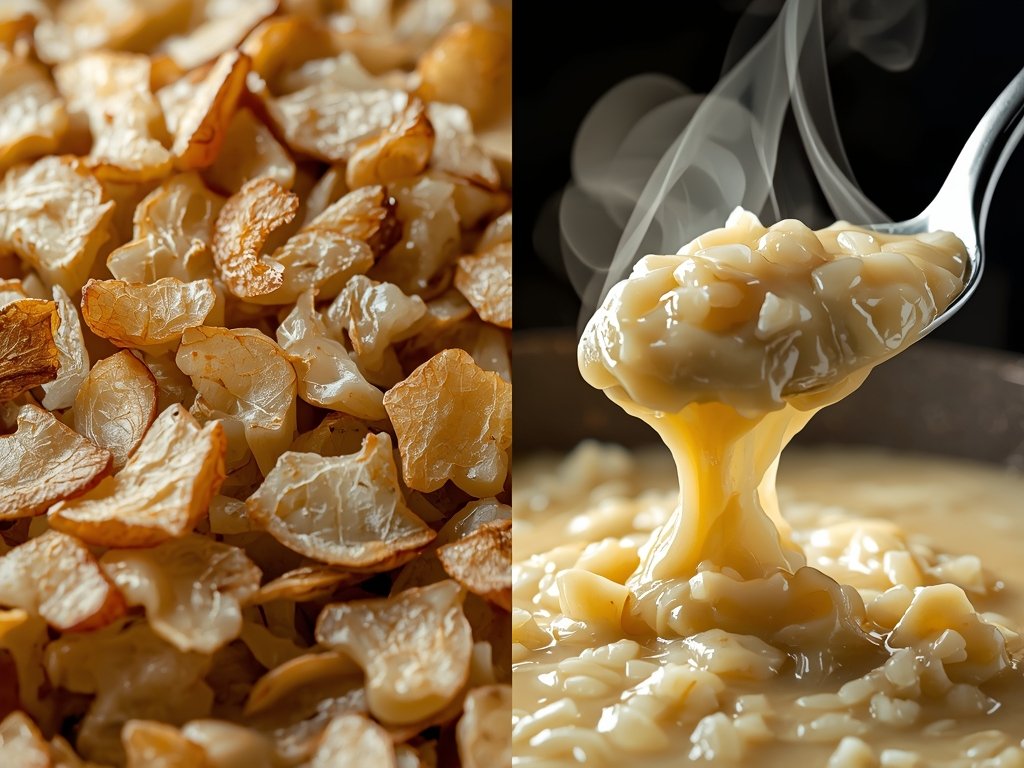
When you put that risotto in the fridge, two things happen. First, retrogradation occurs. The starch molecules firm up and crystallize as they cool, squeezing out moisture. The liquid separates from the solid, which is why you often see a pool of cloudy water at the bottom of the container. Second, the remaining liquid gets absorbed completely by the rice grains, which continue to swell until they burst or become gummy.
If you microwave this block of crystallized starch, you aren’t melting it back down into a sauce; you are just steaming the rice into a fluffier, soggier version of a brick.
To reverse this, we need to introduce fat and liquid simultaneously while applying mechanical agitation (stirring). The liquid rehydrates the dried grains, and the fat (butter or oil) helps lubricate the starches so they slide apart rather than sticking together. The heat is merely the tool that marries them. By using the stovetop, we control the temperature precisely, ensuring we melt the starch bonds without boiling the life out of the rice. We are essentially making a “second run” risotto, but much faster.
Step-by-Step Method: The Stovetop Revival
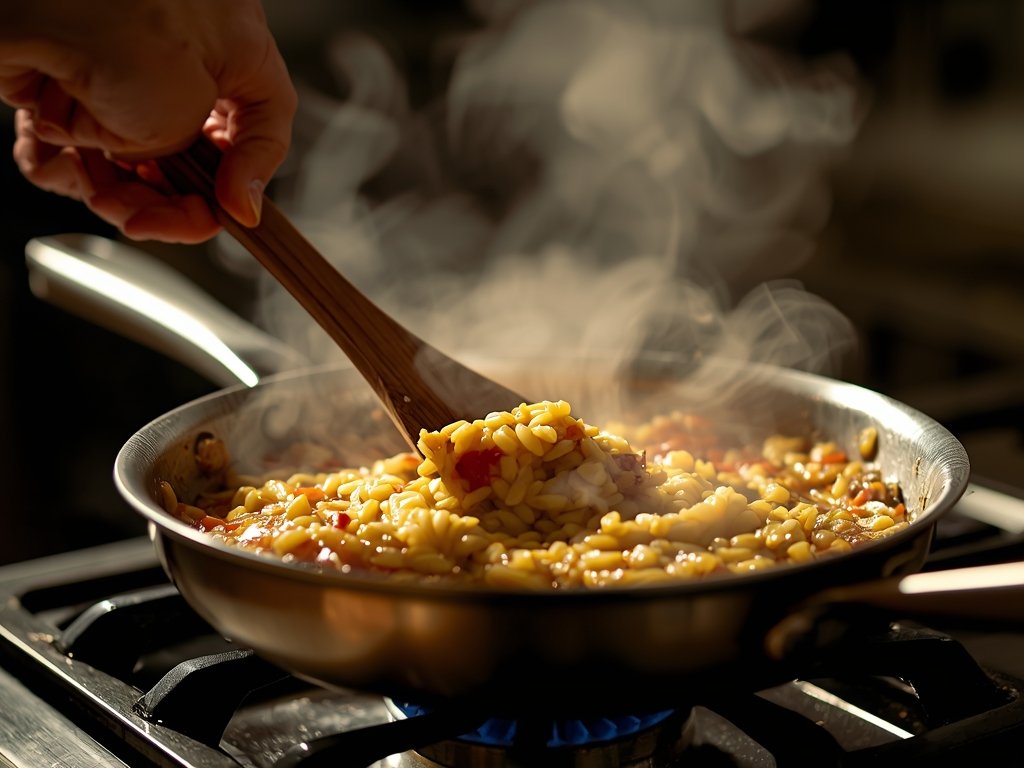
Forget the microwave. For risotto, the stove is non-negotiable. This method takes about 5–7 minutes, but the texture difference is night and day. We are aiming for that al dente bite and the velvety sauce that coats the back of a spoon.
1. The Prep Take your leftover risotto out of the fridge at least 15 minutes before you plan to eat. Letting it come up slightly in room temperature helps it heat evenly, preventing the “burnt outside, frozen inside” effect. Break up any large clumps with a fork gently.
Pro Tip: Don’t try to mash the clumps apart forcefully yet; if the rice is too cold, it will just shatter the grains. Just loosen them slightly.
2. The Pan & The Foundation Grab a wide, cold skillet (non-stick or stainless steel works best). Add the cold risotto to the pan. Cut a tablespoon of cold butter into small pats and scatter them over the top of the cold rice.
Pro Tip: Always start with a cold pan. Adding cold rice to a hot pan instantly sears the starch to the bottom, making cleanup a nightmare and causing hot spots.
3. The Liquid Ratio For every 1.5 cups of leftover risotto, pour in roughly 1/4 cup of liquid. You can use chicken stock, vegetable stock, or even a splash of white wine mixed with water. Do not turn the stove on yet.
Pro Tip: If you have leftover Parmesan rind, toss it into the pan now. As the mixture heats, the rind will release incredible umami flavor and extra melting cheese fat.
4. The Heat & The Stir Turn the burner to medium-low heat. As the butter melts and the pan warms up, start stirring. Use a wooden spoon or silicone spatula to scrape the bottom of the pan. The mixture will look soupy and broken at first—this is normal. Keep stirring gently for about 3 minutes.
Pro Tip: Listen to the sound. You want a gentle sizzle-plop, not a violent hiss. If it’s bubbling too hard, turn the heat down immediately; high heat kills the texture.
5. The Finish Once the liquid is absorbed and the risotto is steaming hot and流动 (fluid/flowing), turn off the heat. Remove the Parmesan rind if you used one. Stir in a handful of fresh grated Parmesan cheese and a squeeze of lemon juice to brighten the flavors.
Pro Tip: The lemon juice is the secret weapon. The acid cuts through the heavy starch and “wakes up” the leftover garlic and onions from the initial cook.
Variations & Flavor Boosters
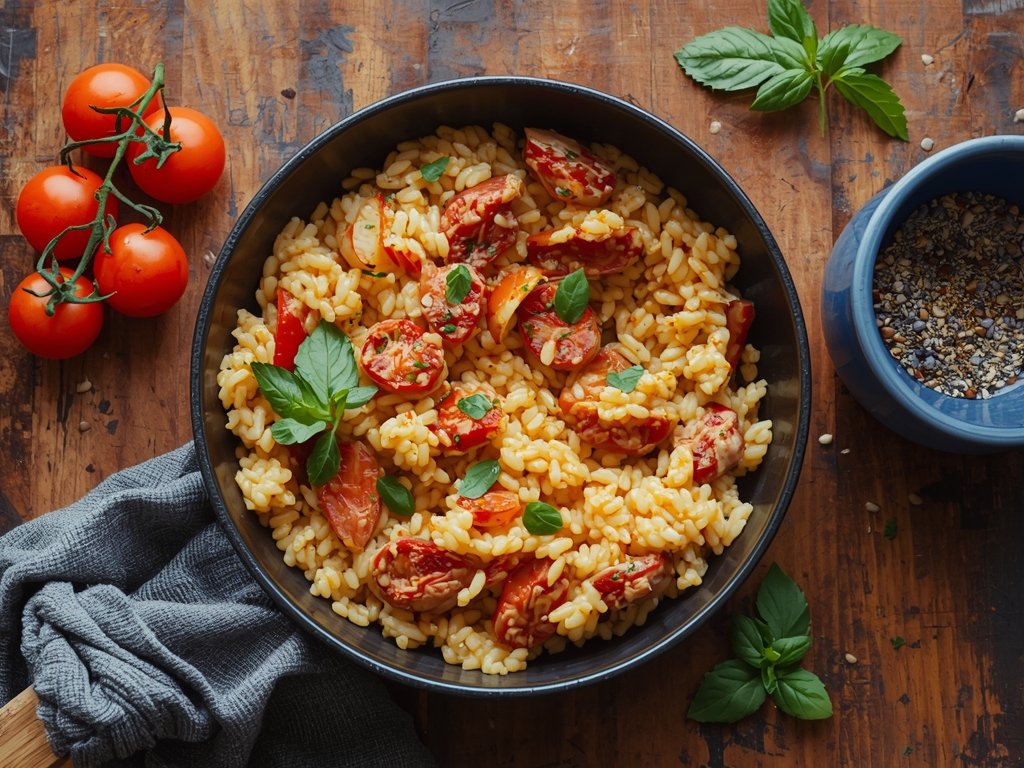
Leftover risotto is actually a better canvas for experimentation than fresh risotto because the base flavor profile is already set. You don’t need to build the flavor from scratch; you just need to accessorize. Here are three high-impact ways to upgrade your reheated bowl without spending another hour in the kitchen.
- The “Green Goddess” Boost: If your risotto is plain (like Lemon & Herb or Parmesan), stir in a cup of frozen peas and a handful of fresh spinach during the reheating process (Step 4). The heat will wilt the spinach and thaw the peas in minutes, adding sweetness and color. Finish with fresh basil and a drizzle of high-quality pesto.
- The “Carbonara” Hack: For Bacon or Mushroom risotto, crisp up 3 strips of bacon in the pan before you add the risotto. Remove the bacon, drain most of the fat, and then proceed with the reheating method using the bacon grease as your fat source instead of butter. Crumble the crispy bacon back on top right before serving.
- The Seafood Upgrade: If you have a Seafood Risotto leftover, be careful not to overcook the shrimp. Reheat the rice using the stovetop method, but skip adding protein to the pan. Instead, pan-sear a couple of fresh shrimp or scallops in a separate skillet for 2 minutes and place them on top of the creamy rice. It looks restaurant-quality and tastes much fresher.
Food Safety & Storage
Let’s talk safety. Rice is actually one of the most common causes of foodborne illness (specifically Bacillus cereus) in home kitchens, not because it’s toxic, but because of how we handle it. The spores of this bacteria can survive cooking, and if rice is left out too long, they produce toxins that reheating cannot destroy.
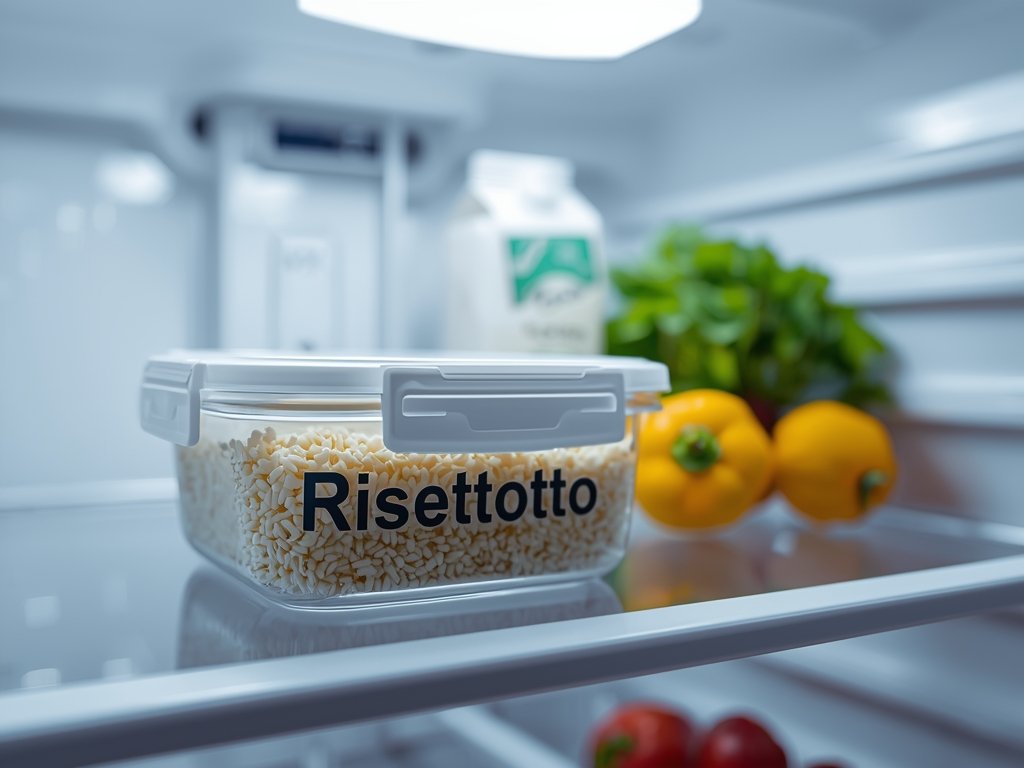
Fridge Storage Time: Leftover risotto must be refrigerated within 2 hours of cooking. Once it is in the fridge in an airtight container, you have a strict window of 3 to 4 days to eat it. After day 4, the texture degradation is severe, and the risk of bacteria growth increases significantly. If you aren’t going to eat it within 4 days, freeze it immediately.
When Reheating Becomes Unsafe: If your leftover risotto has been sitting on the counter for a picnic or potluck, do not try to save it. Similarly, if you have already reheated the risotto once, you cannot put the leftovers back in the fridge for a third round. The “one-reheat rule” applies here. The texture won’t survive a second reheat anyway, but the bacteria count will be too high to risk.
The Do’s and Don’ts of Rice Safety:
- DO cool rice quickly before putting the lid on (spread it on a baking sheet for 20 mins if you have time).
- DO reheat rice to 165°F (74°C) to kill any bacteria that may have multiplied.
- DON’T leave a container of risotto in the car or on the counter “to cool down” all afternoon.
- DON’T reheat risotto more than once.
FAQ – People Also Ask
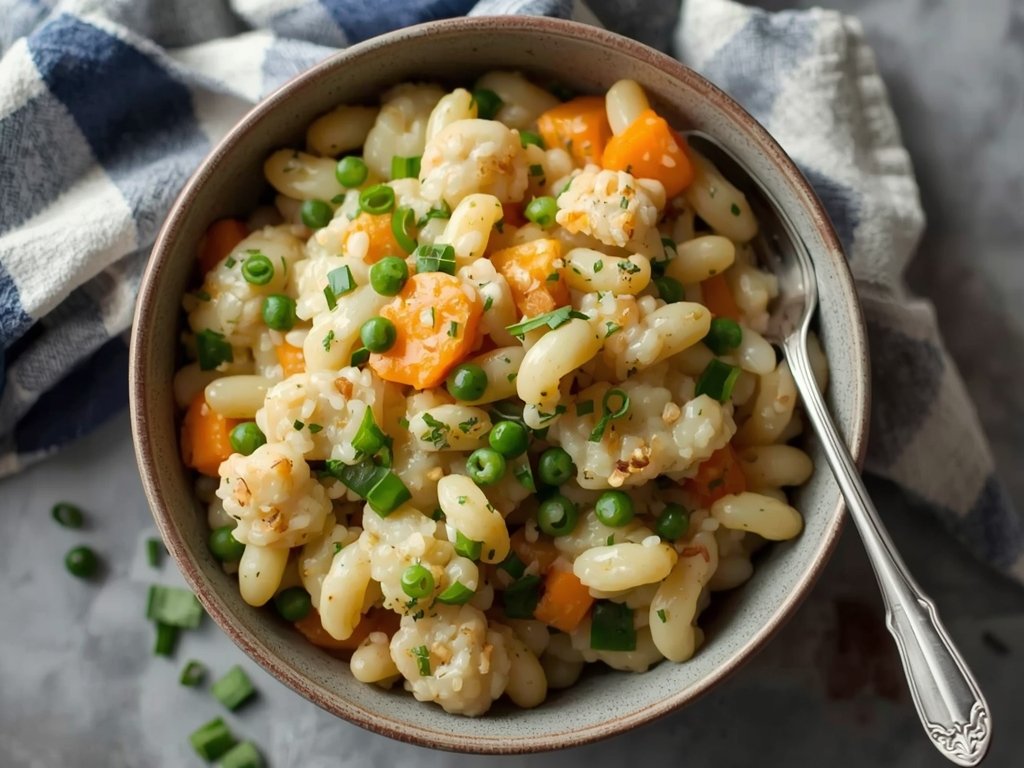
Can I freeze leftover risotto?
Yes, but the texture will change. Freezing ruptures the rice grain cells further, so when you thaw it, it will be much softer than fresh. It’s best to freeze it in portion-sized bags, flatten them to freeze quickly, and then reheat using the stovetop method with a little extra liquid. It makes a great base for soups if the texture is too soft to stand alone.
Is it safe to reheat rice in the microwave? It is safe if you ensure it reaches 165°F throughout and stir it halfway through. However, from a culinary standpoint, it is highly discouraged for risotto because it creates a hot, gummy mess. If you must use a microwave, cover the bowl with a damp paper towel, add a splash of water, and heat in 30-second intervals, stirring in between.
Why is my risotto crunchy after reheating? If the rice is crunchy, the grains were likely undercooked to begin with, or you added too much liquid during reheating which caused the exterior to cook faster than the interior. Unfortunately, you can’t fix an undercooked grain in the reheat phase. Next time, ensure the rice is fully tender (al dente is soft, not crunchy) before you store it.
Can I turn leftovers into Arancini (fried rice balls)? Absolutely. If your risotto is too wet or mushy to eat as a dish, Arancini is the perfect rescue mission. Scoop cold risotto into balls, shove a cube of mozzarella in the center, bread them (flour, egg, breadcrumbs), and deep fry until golden. This is the ultimate transformation strategy.
We’ve covered the science, the method, and the safety. Now, the next time you open the fridge and see that container of cold, hard risotto, don’t sigh in disappointment. See it as a canvas. Grab that pan, melt that butter, and bring that creamy, cheesy luxury back to life. I want to hear how your revival goes—did you try the lemon trick or did you go full bacon mode? Let me know in the comments below.

Marco covers the Reheat Pro category on TwiceTasty, focusing on reheating techniques and texture preservation. His articles help home cooks bring leftovers back to life with the right methods for every type of food — from crispy fried chicken to creamy pastas.