Follow Me On Social Media!

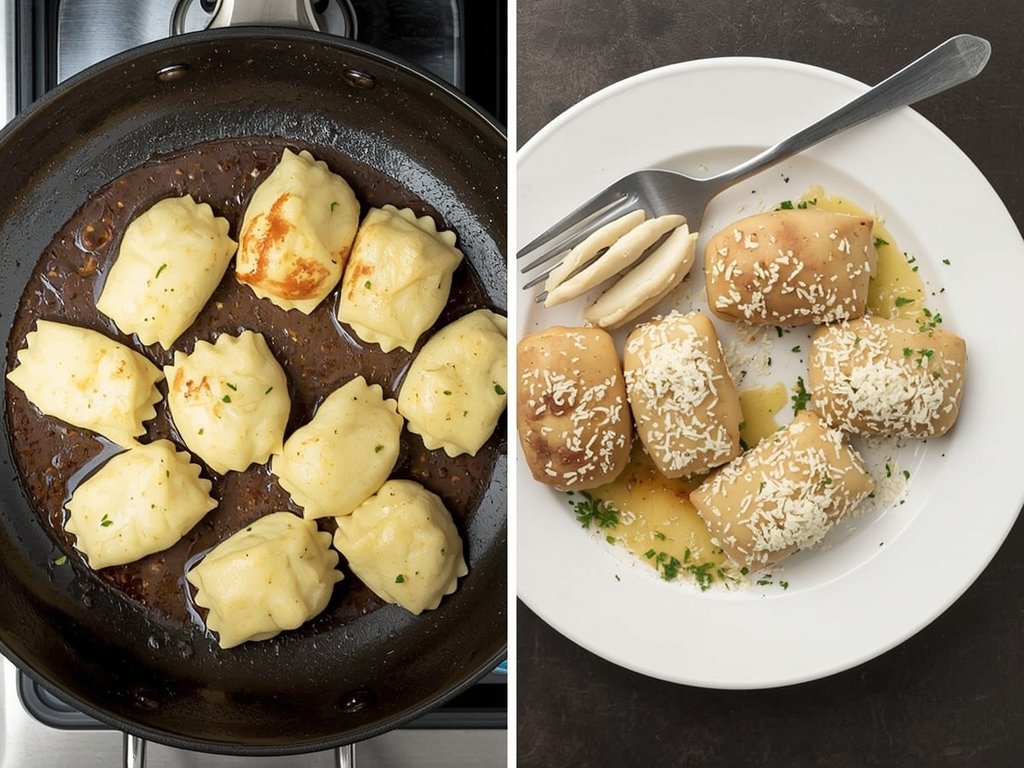
There is a specific kind of texture tragedy that happens with leftover gnocchi. You open the fridge, eyeing that Tupperware container of potato dumplings from dinner last night. You remember how they tasted fresh—light as air, yielding, soft little clouds that melted in your mouth with a bite of brown butter. But now, cold and congealed, they look like dense, heavy pebbles. You know that if you throw them in the microwave, you are going to create a culinary disaster. The microwave is the enemy of the potato.
What usually happens is you hit “two minutes,” and you pull out a bowl where the edges are fused together into a solid, rubbery mass, and the center is still cold. The texture transforms from “pillowy” to “gluey” in seconds. It’s dense, it sticks to the roof of your mouth, and it sits in your stomach like a rock. It feels like a waste of good potatoes and good effort. But the texture isn’t gone forever; it’s just dormant. We can wake it up. We need to reintroduce moisture and heat in a way that relaxes the starch rather than tightening it. We need to stop cooking and start hydrating.
Why Gnocchi Turns Into a Brick
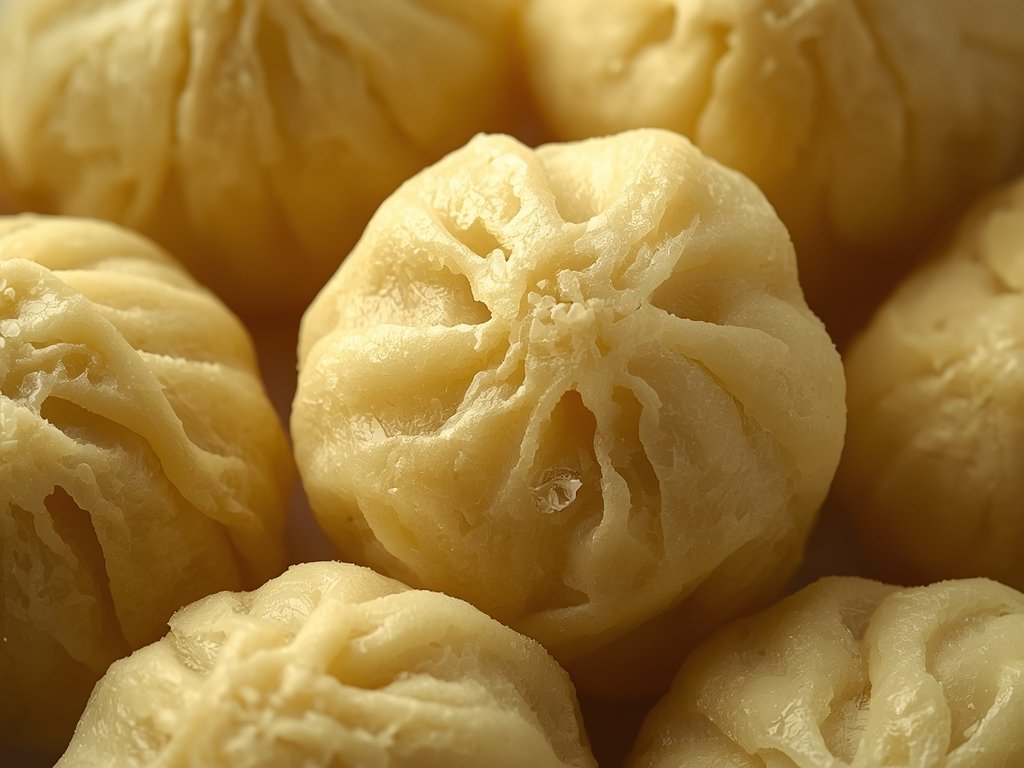
To fix the texture, we have to look at what gnocchi actually is. It’s not just pasta; it’s mostly potato. Potatoes are full of starch and water. When you make fresh gnocchi, you’re trying to keep the starch granules intact so they stay fluffy. But when you cook gnocchi the first time, those granules swell up with water and burst, creating that soft interior.
The problem starts in the fridge. As the gnocchi cools, the moisture inside starts to migrate out, and the starch molecules undergo retrogradation—they recrystallize and squeeze out water, just like bread or rice. The gnocchi gets dense. Because they are so dense, they hold onto cold. They are essentially little thermal batteries of cold potato.
The microwave fails because it attacks the outside with aggressive, uneven heat. It boils the water remaining in the outer layer of the dumpling, turning the surface starch into a gelatinous glue. The inside, being dense and cold, stays cold. You end up with a gummy shell and a frozen core. To get that “pillowy” texture back, we need to warm the gnocchi gently and evenly, allowing the starch to relax and reabsorb a little moisture without getting blasted apart.
The 60-Second Rescue Dip
This is the technique that restaurants use, and it’s incredibly simple. Forget the microwave. Forget baking them in the oven for twenty minutes (which will dry them out into hard balls). We are going to use the stovetop and a pot of boiling water. But we are not going to “cook” them.
Bring a pot of salted water to a rolling boil. You don’t need a huge amount, just enough to submerge a mesh strainer or a slotted spoon. Place your leftover gnocchi into that strainer. Now, lower the strainer into the boiling water.
Here is the key: we are dipping, not boiling. Leave them in the water for about 30 to 60 seconds. Think of it like blanching vegetables. You just want to shock them with heat. What this does is instantly warm the gnocchi through. The boiling water penetrates the dense potato, softening the recrystallized starch. Because the water is all around them, the heat is even. There are no hot spots.
The water also rehydrates the surface slightly, washing away that sticky, gummy layer that formed in the fridge. After a minute, lift the strainer out. Shake off the excess water. Taste one. It should be hot all the way through, and the texture should be soft again, not dense or rubbery. It’s not quite fresh, but it’s 90% of the way there.
The Butter-Sage Crisp (The Upgrade)
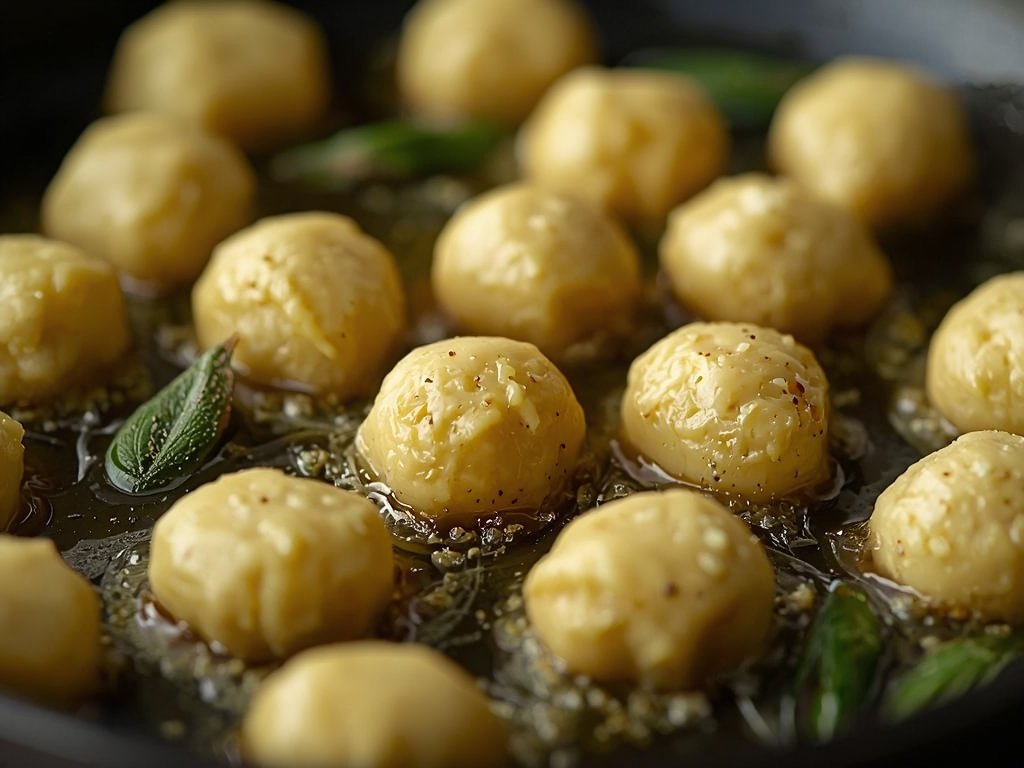
Now, we have warm, soft gnocchi, but let’s be honest—they are a little plain. The sauce from last night has probably been absorbed into the pasta or separated in the fridge. We need to dress them up, and we can actually improve upon the original texture by adding a quick sear.
While the water is boiling, melt a generous knob of butter in a large skillet over medium-high heat. If you have a fresh sage leaf or two, throw them in. Let the butter foam and start to brown. The milk solids will toast, creating a nutty aroma.
Take your warmed, drained gnocchi and dump them into the skillet. Listen to that sizzle. We aren’t cooking them; we’re just coating them and giving them a tiny bit of texture. Sauté them for just 2 or 3 minutes. Toss them gently so they don’t break.
What happens here is magic. The hot butter and the brief contact with the pan creates a very thin, crispy skin on the outside of the gnocchi. But because we already warmed the inside with the water dip, the inside stays pillowy and soft. You get this incredible contrast—a crispy, buttery exterior that gives way to a fluffy, mashed-potato interior. The brown butter and sage add a savory, nutty depth that masks any “fridge” flavor. It transforms a leftover side dish into something that feels like a deliberate, high-end appetizer.
Serving the Resurrection
Take them out of the pan immediately. Don’t let them sit in the hot fat or they will continue to cook and get tough. Transfer them to a plate. If you have a little parmesan cheese, grate it over the top while they are sizzling hot. The heat will slightly melt the cheese, creating salty little pockets of flavor.
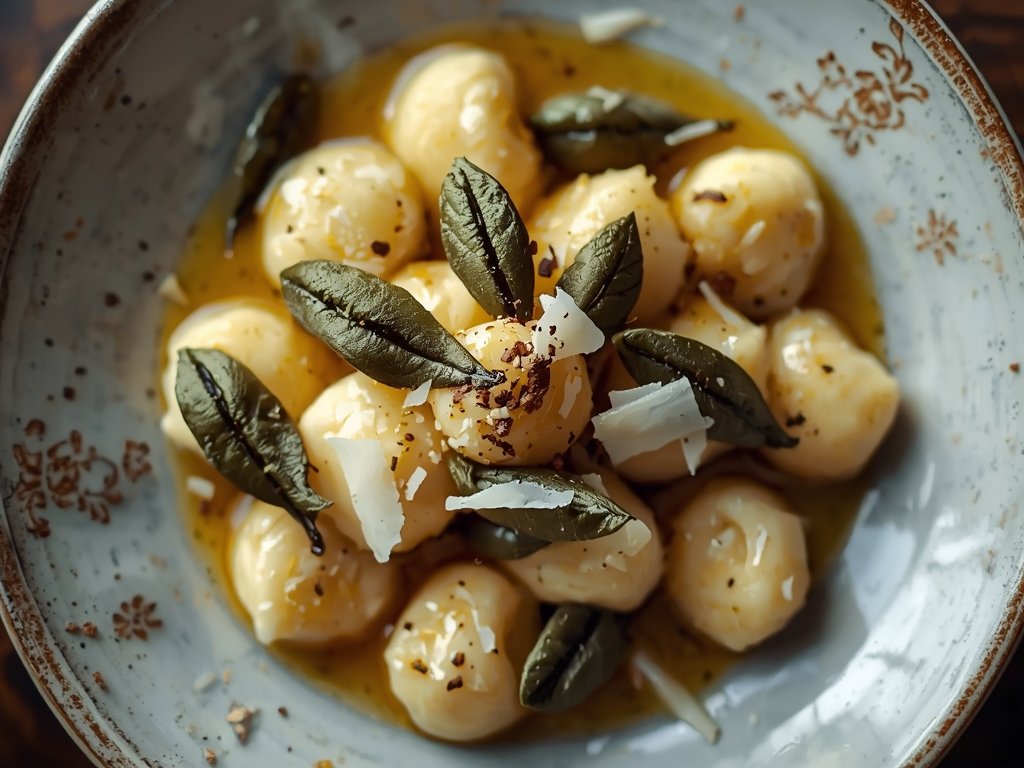
This method works whether your gnocchi was originally in a red sauce, a cream sauce, or just plain butter. If they were in a red sauce, skip the butter sauté and just do the water dip, then toss them quickly in a pan with a splash of fresh sauce to coat them. The key is the water dip—it resets the texture. It’s the difference between eating a cold rubber ball and enjoying a soft, comforting bite of potato. You’ve just saved dinner, and honestly? These crispy-edged, butter-soaked leftovers might actually be better than the first batch.
Frequently Asked Questions
Can I reheat frozen gnocchi this way?
Yes! In fact, frozen gnocchi is great for the water dip method. Since they are frozen, you might need to leave them in the boiling water strainer for about 90 seconds to 2 minutes to ensure they are hot all the way through. Then proceed with the butter sauté.
Why does my microwave gnocchi always explode? It’s the steam pressure. Gnocchi is dense and moist. When the microwave superheats the water inside, it turns to steam rapidly. Since the surface is often sealed by dried sauce or starch, the pressure builds up until the skin bursts. The gentle boiling water allows the steam to escape naturally, preventing the explosion.
Is it okay to reheat gnocchi that was in a creamy sauce? Cream sauces can break or become oily when reheated. It’s best to separate the gnocchi from the sauce if you can. Reheat the gnocchi using the water dip, and gently reheat the sauce in a separate pan over low heat. Toss them together at the very end. If you can’t separate them, add a tiny splash of cream or milk to the sauce before reheating to loosen it up.

Marco covers the Reheat Pro category on TwiceTasty, focusing on reheating techniques and texture preservation. His articles help home cooks bring leftovers back to life with the right methods for every type of food — from crispy fried chicken to creamy pastas.

← Previous
Reheating Donuts: How to Refresh Glazed Donuts in 10 Seconds
Next →
Reheating Stuffed Mushrooms: How to Keep the Filling Juicy