Follow Me On Social Media!

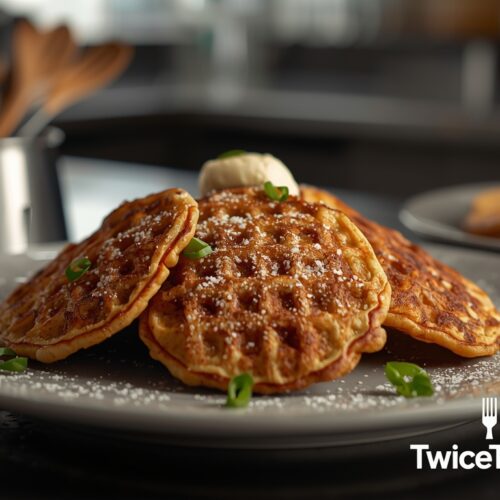
How to Make Crispy Pancakes from Leftover Mashed Potatoes

There’s a particular kind of kitchen guilt that strikes when you open the fridge and see that bowl of mashed potatoes staring back at you. You made too much for Thanksgiving, or Sunday dinner, or that pot roast you were…
Ingredients
- 1 large egg the protein structure that holds everything together
- 3 tablespoons all-purpose flour absorbs excess moisture and aids browning
- 1/4 teaspoon baking powder optional but magical—creates tiny air pockets for lighter texture
- 1/2 teaspoon salt potatoes need more salt than you think, especially cold ones
- 2 tablespoons grated onion not optional—the juice adds moisture and enzymes that tenderize
Instructions
- This is the foundational technique. Master this, and you can riff endlessly. We’re aiming for lacy, golden edges and creamy, hot centers—the textural contrast that makes these addictive.
There’s a particular kind of kitchen guilt that strikes when you open the fridge and see that bowl of mashed potatoes staring back at you. You made too much for Thanksgiving, or Sunday dinner, or that pot roast you were sure would feed an army. Now they’re sitting there, slightly graying at the edges, looking more like paste than food. Maybe you microwaved them once already and discovered the tragic truth: reheated mashed potatoes are a textural nightmare. Gummy, gluey, somehow both wet and dry at the same time—like eating warm, seasoned library paste.

Most people fail with leftover mashed potatoes because they treat them like a side dish that needs warming up. But here’s the TwiceTasty truth: mashed potatoes aren’t leftovers, they’re a blank canvas. Specifically, they’re the perfect foundation for what might become your favorite crispy-edged, creamy-centered comfort food. We’re talking about potato pancakes that make you forget they started as yesterday’s side dish.
The secret? We’re not reheating—we’re restructuring. Through the alchemy of heat, fat, and starch chemistry, we’re going to transform that sad bowl into golden, lacy-edged pancakes that crunch when you cut them and steam when you bite. Let’s get into the science, then the method.
The Science of Why Mashed Potatoes Fail
To understand the rescue mission, you need to know why mashed potatoes go wrong in the first place. It’s all about starch behavior.

The Starch Retrogradation Problem Potatoes are packed with starch granules. When you first mash them with hot butter and cream, those granules absorb water and swell up—that’s what makes them fluffy. But as they cool, something called retrogradation occurs. The starch molecules realign and squeeze out moisture, then recrystallize into a firm, dense network. That’s why cold mashed potatoes feel like clay. Reheat them gently, and you get gummy glue. Reheat them aggressively, and you get a crusty outside with a frozen center.
The Moisture Migration Issue Mashed potatoes are an emulsion—fat and water held together by starch. When cold, that emulsion breaks. The butter solidifies, the water separates, and you’re left with grainy, greasy spuds that no amount of stirring fixes.
Why Pan-Frying Saves Everything We’re leveraging the Maillard reaction and starch gelatinization to our advantage. When we spread mashed potatoes thin in a hot, oiled pan, several things happen simultaneously:
- Surface moisture evaporates rapidly, creating a crispy, lacquered crust
- Interior starch re-gelatinizes in a new, thin structure (creamy, not gluey)
- Added binding ingredients (egg, flour) create a new protein-starch network that holds shape
- Direct contact with hot fat creates flavor compounds (furanones, aldehydes) that taste like “freshly cooked” rather than “leftover”
We’re essentially using the mashed potatoes as a pre-cooked potato base rather than trying to resurrect them as mashed potatoes. It’s culinary judo—using the problem’s weight against itself.
The TwiceTasty Crispy Potato Pancake Method
This is the foundational technique. Master this, and you can riff endlessly. We’re aiming for lacy, golden edges and creamy, hot centers—the textural contrast that makes these addictive.

Step-by-Step Method
1. The Potato Prep (Temperature Matters) Take 2 cups of cold leftover mashed potatoes out of the fridge. Let them sit at room temperature for 15 minutes—cold potatoes shock the pan and cook unevenly. If your mash is super cold, microwave for 20 seconds just to take the chill off. You want cool, not frigid.
Pro Tip: If your mashed potatoes are extremely wet or were made with lots of cream/cream cheese, spread them on a plate and refrigerate uncovered for 30 minutes to dry out slightly. Wet batter = soggy pancakes.
2. The Binding Mix In a large bowl, combine your 2 cups mashed potatoes with:
- 1 large egg (the protein structure that holds everything together)
- 3 tablespoons all-purpose flour (absorbs excess moisture and aids browning)
- 1/4 teaspoon baking powder (optional but magical—creates tiny air pockets for lighter texture)
- 1/2 teaspoon salt (potatoes need more salt than you think, especially cold ones)
- 2 tablespoons grated onion (not optional—the juice adds moisture and enzymes that tenderize)
Mix until just combined. Don’t overwork it, or you’ll develop gluten and get chewy pancakes.
Pro Tip: For extra crispy edges, substitute 1 tablespoon of the flour with cornstarch. It creates a glassier, more shatter-prone crust.
3. The Pan Setup Use a 10-inch heavy skillet (cast iron is ideal, stainless steel works). Heat over medium-high heat for 3-4 minutes until a drop of water dances and evaporates in 2 seconds. Add 2 tablespoons neutral oil or clarified butter—enough to coat the bottom with a thin, even layer. You want the oil shimmering but not smoking.
Pro Tip: Test temperature with a tiny drop of batter. It should sizzle immediately and start browning within 30 seconds. Too slow = greasy pancakes. Too fast = burnt outside, raw inside.
4. The Scoop and Spread Use a 1/4 cup measure to drop batter into the pan. Immediately flatten with the back of the measuring cup or a spatula to about 1/2-inch thickness. Thinner = crispier. Thicker = creamier interior. You decide your ratio.
Pro Tip: Don’t crowd the pan. Two pancakes at a time in a 10-inch skillet. They need air circulation to crisp, and crowding drops pan temperature.
5. The Undisturbed Sear Let them cook for 3-4 minutes without moving them. I know you want to check. Don’t. You’re building a crust. Peek at the edges—when they’re deep golden brown and the bottom looks lacy, flip confidently with a thin spatula.
Pro Tip: If they stick, they’re not ready. A proper crust releases itself from the pan. Be patient.
6. The Second Side and Finish Cook the second side for 2-3 minutes until equally golden. Transfer to a wire rack (not paper towels—those steam the bottom and ruin crispness). Hold in a 200°F oven if making multiple batches.
Serve immediately with sour cream, applesauce, or hot sauce. Total active time: 20 minutes.
Three Genius Variations (Because Basic is Boring)
Once you’ve mastered the base method, try these flavor-forward upgrades. Each takes the same base technique but transforms the final dish.

Variation 1: Loaded Baked Potato Pancakes
Mix into the base batter: 2 tablespoons crumbled cooked bacon, 2 tablespoons shredded sharp cheddar, 1 tablespoon chopped chives, and a pinch of black pepper. Top finished pancakes with a dollop of sour cream and more chives. The fat from the bacon and cheese creates extra-crispy spots, and the chives add fresh contrast.
Pro Tip: Cook these slightly lower heat (medium rather than medium-high) because the cheese can burn if the pan is too aggressive.
Variation 2: Herb and Lemon Zest Cakes

Add to base batter: 2 tablespoons minced fresh herbs (parsley, dill, or chives), 1 teaspoon lemon zest, and 1/4 teaspoon white pepper. Serve with smoked salmon and crème fraîche for an elegant brunch that nobody will believe started as leftovers.
Pro Tip: The lemon zest oils help cut through the richness of the potato and brighten the “leftover” flavor profile. Add zest right before frying for maximum aromatic impact.
Variation 3: Spicy Southwestern Cakes
Mix in: 2 tablespoons diced pickled jalapeños, 1 teaspoon cumin, 1/2 teaspoon smoked paprika, and 2 tablespoons corn kernels (fresh or frozen). Serve with salsa, avocado, and a fried egg on top for a hearty breakfast-for-dinner situation.
Pro Tip: The acidity from pickled jalapeños actually helps tenderize the potato starch further, and the sugar in the corn promotes extra caramelization on the crust.

Food Safety & Storage (The Boring But Critical Stuff)
Mashed potatoes are actually a higher-risk leftover than many people realize, so let’s handle this right.

Storage Timeline
- Refrigerated mashed potatoes: Safe for 3-4 days maximum. After that, bacterial spores that survived cooking can germinate.
- Potato pancakes (cooked): Safe for 3 days refrigerated, but honestly, eat them immediately for texture. They don’t hold well.
- Raw pancake batter: Don’t make ahead. The baking powder activates immediately, and the potatoes oxidize and turn gray.
The Botulism Warning (Seriously) Never store mashed potatoes at room temperature for more than 2 hours, and never seal them airtight while warm. Potatoes are low-acid and can harbor Clostridium botulinum spores. In an oxygen-free, warm environment (like a sealed container of warm mash), they can produce toxin. This is rare but potentially fatal. Always cool potatoes quickly—spread them thin on a sheet pan if needed—then refrigerate uncovered until cold.
Do’s and Don’ts
✅ DO:
- Cool mashed potatoes rapidly before refrigerating (within 2 hours of cooking)
- Store in shallow containers (no deeper than 2 inches) for quick cooling
- Reheat to 165°F internal temperature if you’re uncertain about freshness
- When making pancakes, ensure the interior reaches 160°F (the egg needs to be fully cooked)
- Trust your senses: if they smell sour, wine-like, or “off,” compost them
❌ DON’T:
- Leave mashed potatoes in a warm crockpot or sealed container overnight at room temperature
- Use mashed potatoes that have been in the fridge for more than 4 days, even if they look fine
- Taste-test questionable potatoes to “check if they’re still good”
- Feed leftover mashed potato pancakes to immunocompromised individuals if there’s any doubt about storage history
FAQ: Your Potato Pancake Questions Answered

My pancakes keep falling apart. What’s wrong? Usually excess moisture. Your mashed potatoes were too wet to begin with, or you didn’t add enough binding (egg/flour). Try adding another tablespoon of flour, or refrigerate the batter for 15 minutes to firm up. Also, ensure your pan is hot enough—if it’s too cool, the crust doesn’t form fast enough to hold the pancake together.
Can I make these with instant mashed potatoes? Technically yes, but the texture will be… odd. Instant potatoes are already dehydrated and reconstituted; frying them creates a gummy, rubbery texture. If you must, add extra egg and flour to compensate, and cook them very thin and crispy to mask the texture.
Why are my pancakes greasy instead of crispy? Pan temperature too low. If the oil isn’t hot enough, the potatoes absorb fat before the moisture evaporates. You want that immediate sizzle when batter hits pan. Also, don’t flip too early—if the crust hasn’t formed, the potato absorbs oil instead of frying.
Can I bake these instead of frying? You can, but they won’t be crispy. Bake at 425°F on an oiled sheet pan for 20 minutes, flipping once. You’ll get golden, pleasant cakes, but not the shatter-crisp edges that make these special. For health reasons, baking works; for texture, frying is non-negotiable.
What if my mashed potatoes had skins in them? Even better! The skin bits add texture and visual interest. Just make sure they’re chopped small enough not to tear the pancake structure when flipping. Rustic mashed potatoes with skins make the most “homemade” looking pancakes.
Can I freeze these? Cooked potato pancakes freeze poorly—the texture becomes mealy upon reheating. If you must freeze, undercook them slightly, freeze flat on a sheet pan, then bag. Reheat from frozen in a hot oven (425°F) until crisp. They’ll be 70% as good as fresh.

So here’s your mission: find that container of mashed potatoes, ignore the slight gray tinge (that’s just oxidation, not danger, assuming they’re within the 4-day window), and transform them into something that will make you intentionally make extra mashed potatoes next time. These crispy-edged, creamy-centered pancakes are the ultimate leftover redemption story—proof that with the right technique, yesterday’s side dish becomes today’s main event.
The best part? They come together faster than ordering takeout, use ingredients you already have, and taste like you planned this all along. That’s the TwiceTasty difference—we’re not managing leftovers, we’re creating second acts.
What are you mixing into your batter? Bacon and cheddar? Herbs and lemon? Or are you a purist with just salt and pepper? Drop a comment and let us know your signature spin—I’m always looking for new ways to rescue a potato.

Amara writes for the Tasty Remakes category, turning everyday leftovers into creative new dishes. Her recipes focus on practical transformations that save time and reduce food waste — proving that yesterday’s dinner can become today’s best meal.

← Previous
5 Genius Recipes for Leftover Rotisserie Chicken
Next →
How to Turn Leftover Spaghetti into a Cheesy Pasta Bake
Rate This Recipe
Tried this recipe? Share your experience and help others!