Follow Me On Social Media!

The Garlic Dark Spot: Where to Store Garlic to Prevent Sprouting
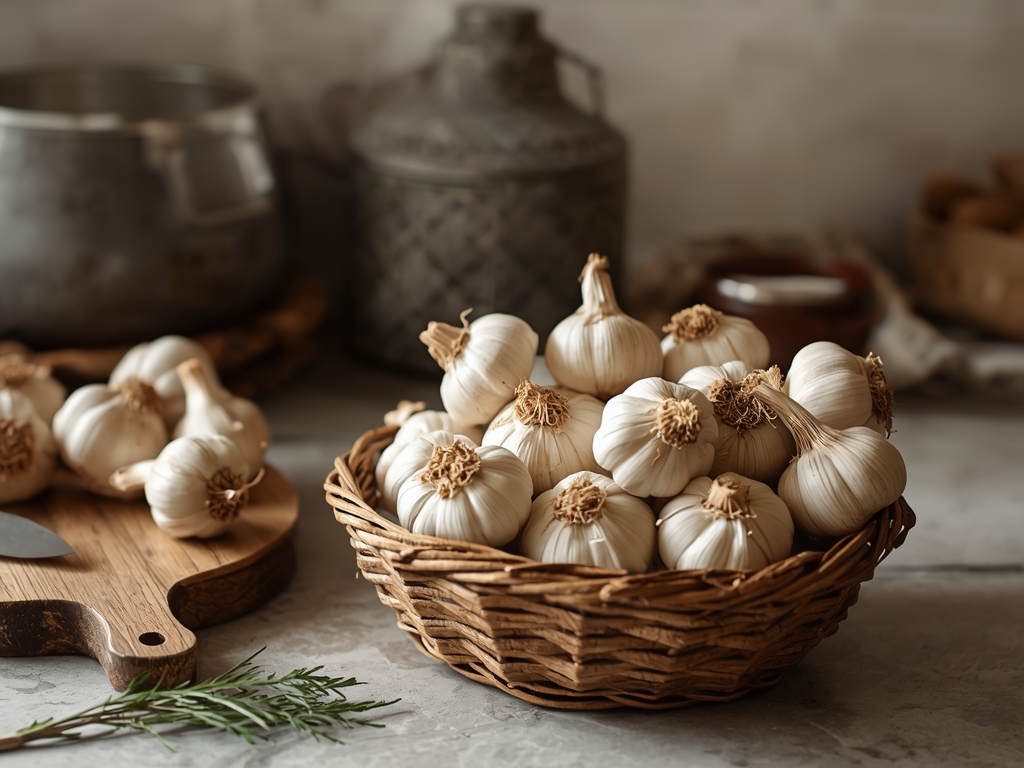
Garlic is a staple in American kitchens, from spicy Cajun gumbos in Louisiana to hearty New England clam chowders. But there’s nothing worse than reaching for a bulb only to find it’s sprouted and soft. If you’ve ever wondered where to store garlic to keep it fresh, you’re not alone. Let’s uncover the secrets to preventing sprouting and keeping your garlic in prime condition.
Why Garlic Sprouts (and How to Stop It)

Garlic sprouting is a natural process triggered by warmth and moisture. In the U.S., where kitchens can range from humid Southern climates to dry Southwestern air, storage conditions vary widely. Sprouting not only affects flavor but also shortens garlic’s lifespan. The key? Mimic its natural environment—cool, dry, and dark.
The Garlic Dark Spot: Finding the Perfect Storage Location
Pantry Power: The Ideal Garlic Home
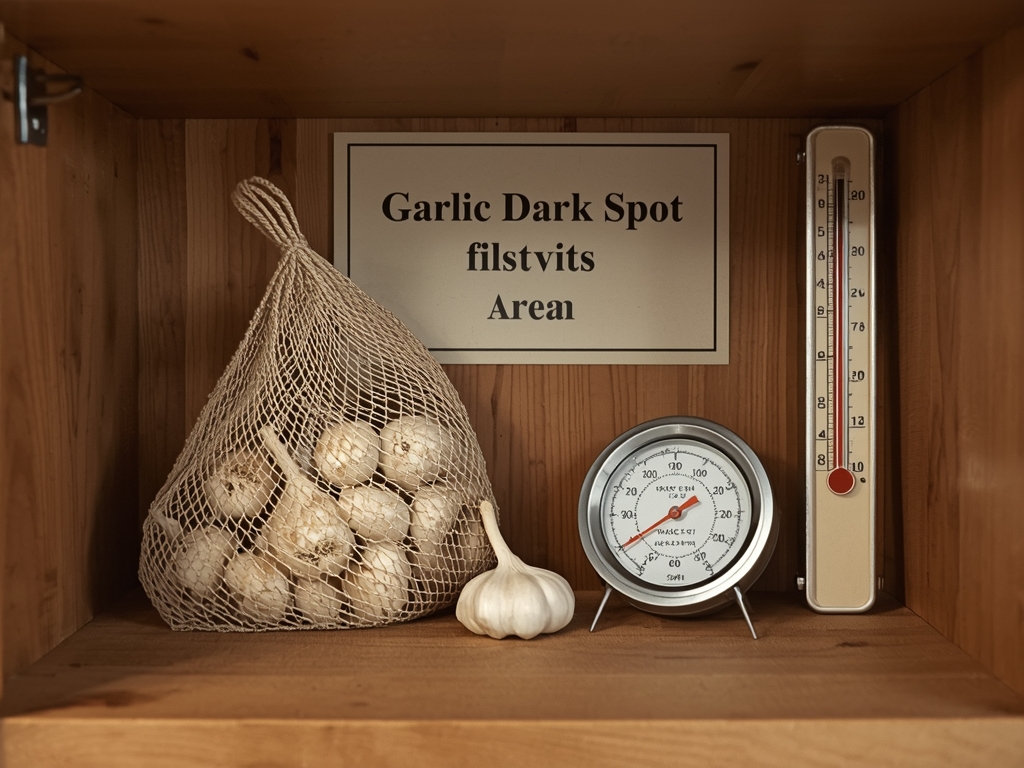
Your pantry is often the best spot for garlic storage. Aim for a temperature between 60–65°F (15–18°C) and keep humidity low. Avoid areas near appliances like ovens or refrigerators, which emit heat. Pro tip: Store garlic in a mesh bag or ventilated container to allow air circulation.
Avoid the Fridge: A Common Garlic Mistake
While refrigerating garlic might seem logical, it accelerates sprouting and causes bulbs to become rubbery. The cold, moist environment also promotes mold growth. If you must refrigerate (say, for peeled cloves), use an airtight container and consume within a week.
Creative Storage Solutions for Garlic Lovers

Terracotta Keepers: Old-School Charm, Modern Function
Terracotta garlic keepers are a stylish and effective storage solution. Their porous material regulates moisture, while the design blocks light. Perfect for farmhouse-style kitchens or anyone looking to add a touch of rustic charm.
Mesh Bags: Simple and Effective
For a budget-friendly option, mesh bags are hard to beat. They allow air to circulate while keeping garlic in the dark. Hang one in your pantry or on a kitchen hook for easy access. Bonus: They’re reusable and eco-friendly.
DIY Storage: Repurpose and Save
Got an empty coffee tin or glass jar? Drill a few holes in the lid, and you’ve got a custom garlic keeper. This method is especially popular in eco-conscious households across the U.S., from Portland to Austin.
Regional Tips: Garlic Storage Across the U.S.
Southern Humidity: Keep It Dry
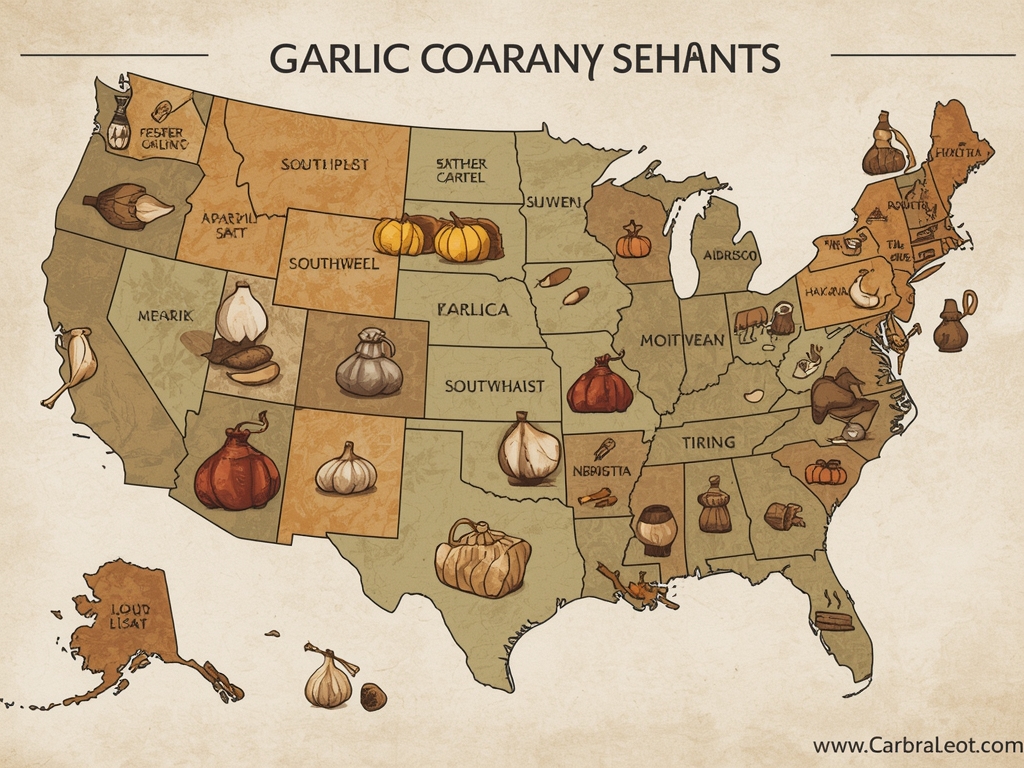
In humid states like Florida or Georgia, moisture is the enemy. Use desiccants like silica gel packets in your garlic container to absorb excess humidity. Regularly check for signs of mold, especially during summer months.
Dry Climates: Prevent Over-Drying
In arid regions like Arizona or New Mexico, garlic can dry out too quickly. Store it in a slightly enclosed container, like a wooden box with a loose lid, to retain just enough moisture without encouraging sprouting.
FAQ: Garlic Storage Answered
Can I freeze garlic to prevent sprouting?
Yes, but freezing alters garlic’s texture. Peel and chop cloves, then store in airtight bags. Use within 6 months for best flavor.
How long does garlic last when stored properly?
Whole bulbs can last up to 6 months in ideal conditions. Once broken, cloves should be used within 10 days.
Does light affect garlic storage?
Yes, light can trigger sprouting. Always store garlic in a dark place or use opaque containers.
Can I store garlic near onions?
While both prefer similar conditions, onions can cause garlic to spoil faster. Store them separately for best results.
What’s the best way to store peeled garlic?
Submerge peeled cloves in olive oil and refrigerate. Change the oil weekly to prevent bacterial growth.

Lina leads the Fresh Hacks category, covering food storage tips, freshness preservation, and smart ways to extend the life of your groceries. Her guides help readers keep ingredients at peak quality for longer.

← Previous
Revive Stale Crackers in 60 Seconds: Crunchy Snack Hack
Next →
Save Your Lemons: Easy Storage Tips to Prevent Drying