Follow Me On Social Media!

The Great Garlic Press Debate: To Chop or Not to Chop

Garlic is a staple in American kitchens, from classic Italian-American pasta dishes to Southern-style barbecue sauces. But when it comes to preparing this pungent bulb, home cooks are divided. Should you chop it by hand or use a garlic press? The debate is as heated as a cast-iron skillet on high flame.
The Case for Chopping: Tradition Meets Texture

For many, chopping garlic is a ritual. It’s the way grandma did it, and her food was always the best. Chopping allows you to control the size and texture of the garlic pieces, which can enhance the mouthfeel of your dish. Whether you’re making a chunky bruschetta or a delicate aioli, the knife gives you precision.
Chopping also preserves the integrity of the garlic’s flavor. Presses can sometimes extract bitter juices, especially if you’re not careful. By hand, you can avoid crushing the clove too much, keeping the taste bright and balanced.
The Knife Skills Advantage
If you’ve ever watched a chef in action, you know that knife skills are a point of pride. Chopping garlic is a great way to practice your technique. A sharp knife and a steady hand can turn a mundane task into a meditative practice. Plus, there’s something satisfying about the rhythmic chop-chop-chop on a wooden board.
For dishes like stir-fries or marinades, finely minced garlic can distribute flavor more evenly. It’s also easier to incorporate into sauces or dressings without overwhelming the other ingredients.
The Garlic Press: Speed and Convenience
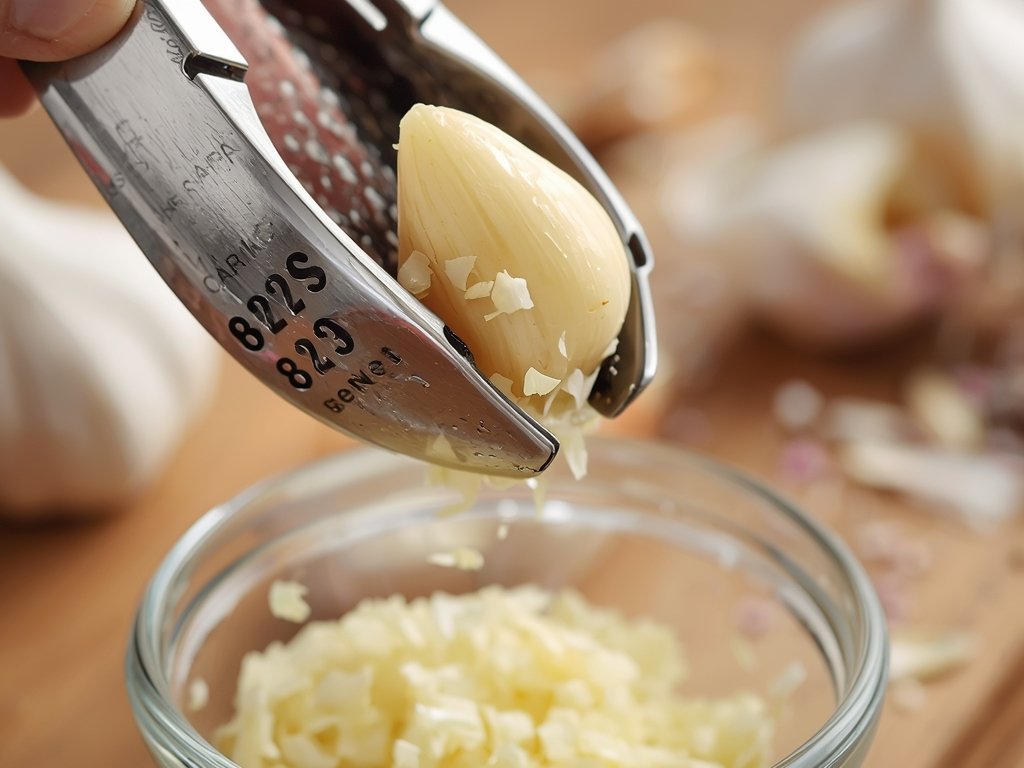
On the other side of the debate, garlic press enthusiasts swear by its speed and efficiency. With a press, you can mince garlic in seconds, no knife skills required. This is a game-changer for busy weeknight dinners or when you’re cooking for a crowd.
Garlic presses also extract more juice from the clove, which can intensify the flavor in certain dishes. If you’re making garlic butter or a robust vinaigrette, the extra punch might be just what you need.
The Cleanup Factor
Let’s face it: chopping garlic can be messy. Garlic juices can stain your cutting board, and tiny pieces can fly everywhere. A garlic press, on the other hand, contains the mess. Most presses are also dishwasher-safe, making cleanup a breeze.
For those with arthritis or hand fatigue, a garlic press can be a lifesaver. It requires less force and precision than chopping, making it a more accessible option for all cooks.
Flavor Face-Off: Which Method Wins?
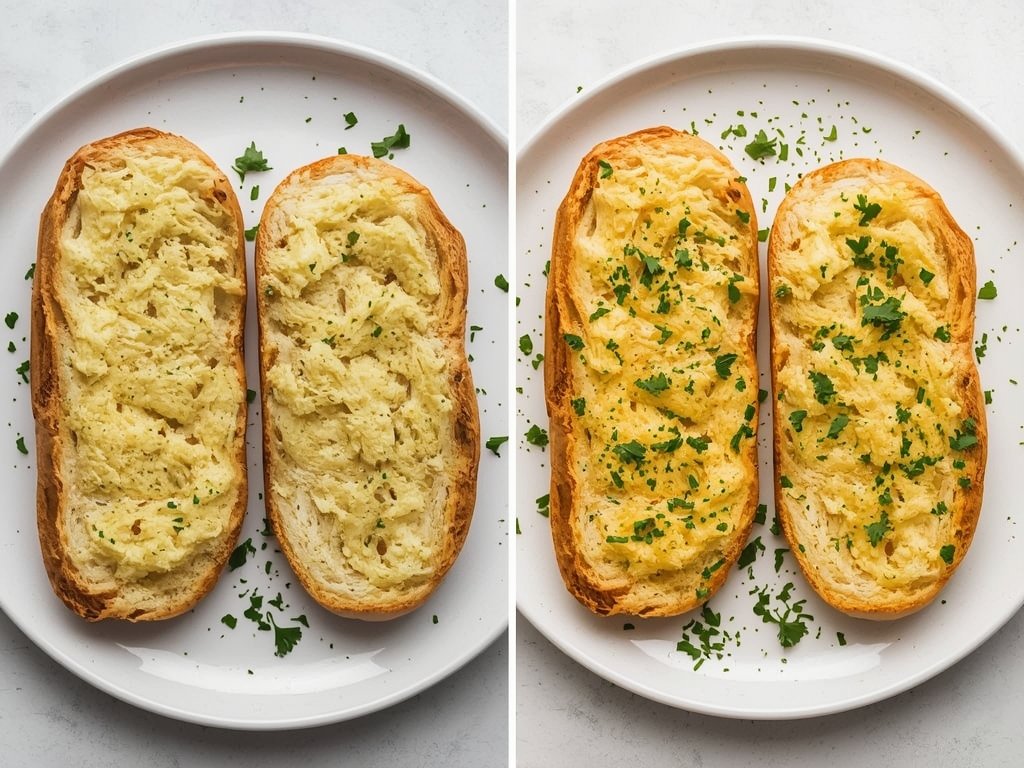
The ultimate test of any garlic preparation method is, of course, the flavor. In blind taste tests, some claim that chopped garlic has a fresher, more nuanced taste, while others prefer the boldness of pressed garlic. The truth is, it depends on the dish.
For raw applications like salad dressings or dips, chopping often yields a more delicate flavor. For cooked dishes like roasted vegetables or soups, the pressed garlic’s intensity can shine. Experimenting with both methods is the best way to find your preference.
The Science Behind the Flavor
When garlic is crushed, it releases an enzyme called alliinase, which reacts with alliin (a sulfur compound) to create allicin. This is what gives garlic its signature flavor and health benefits. Chopping and pressing both activate this process, but pressing can sometimes release more allicin, leading to a stronger taste.
However, over-pressing can also release bitter compounds, so it’s a fine line. Chopping allows you to control this process more precisely, which is why it’s often preferred by chefs.
Regional Preferences: A Garlic Divide

In the U.S., garlic preferences often align with regional cuisines. In the Northeast, where Italian-American cooking reigns supreme, chopping is the norm. It’s all about preserving the texture and flavor of the garlic in dishes like marinara sauce or garlic bread.
In the South, where bold flavors are king, garlic presses are more common. Think of the intense garlic profiles in Cajun and Creole cooking, where a press can deliver the punch needed for spicy gumbos or jambalayas.
The West Coast Twist
On the West Coast, particularly in California, the farm-to-table movement has influenced garlic preparation. Here, fresh, locally grown garlic is often chopped by hand to showcase its natural sweetness and complexity. It’s all about letting the ingredient speak for itself.
However, in fast-paced cities like Los Angeles, the convenience of a garlic press can’t be beat. It’s not uncommon to see both methods used interchangeably, depending on the dish and the cook’s mood.
FAQ: Your Garlic Press Questions Answered
Is a garlic press worth buying?
If you cook with garlic frequently and value convenience, a garlic press is a worthwhile investment. It saves time and effort, especially for recipes that require a lot of minced garlic.
Can I use a garlic press for unpeeled cloves?
While some garlic presses claim to work with unpeeled cloves, it’s generally better to peel them first. The skins can clog the press and affect the texture of the minced garlic.
How do I clean a garlic press?
Most garlic presses are dishwasher-safe, but for best results, rinse it immediately after use to prevent garlic from drying and sticking. Use a small brush to remove any remaining bits.
Does pressing garlic destroy its health benefits?
Pressing garlic can actually enhance its health benefits by releasing more allicin, a compound with antioxidant and anti-inflammatory properties. However, over-pressing can reduce its potency, so use it in moderation.
Can I chop garlic in a food processor?
Yes, a food processor can chop garlic quickly, but be careful not to overprocess it, as it can become paste-like. Pulse the garlic in short bursts for the best results.

David handles the Kitchen Gear category, reviewing tools, equipment, and accessories that make cooking and food storage easier. His articles focus on practical recommendations for everyday home cooks.

← Previous
Remove Rainbow Stains from Stainless Steel Without Scratching
Next →
Mandoline Slicer Safety Gear: Protect Your Hands Like a Pro