Follow Me On Social Media!

The Fish & Chips Rule: A Classic Dish Gets a Second Chance
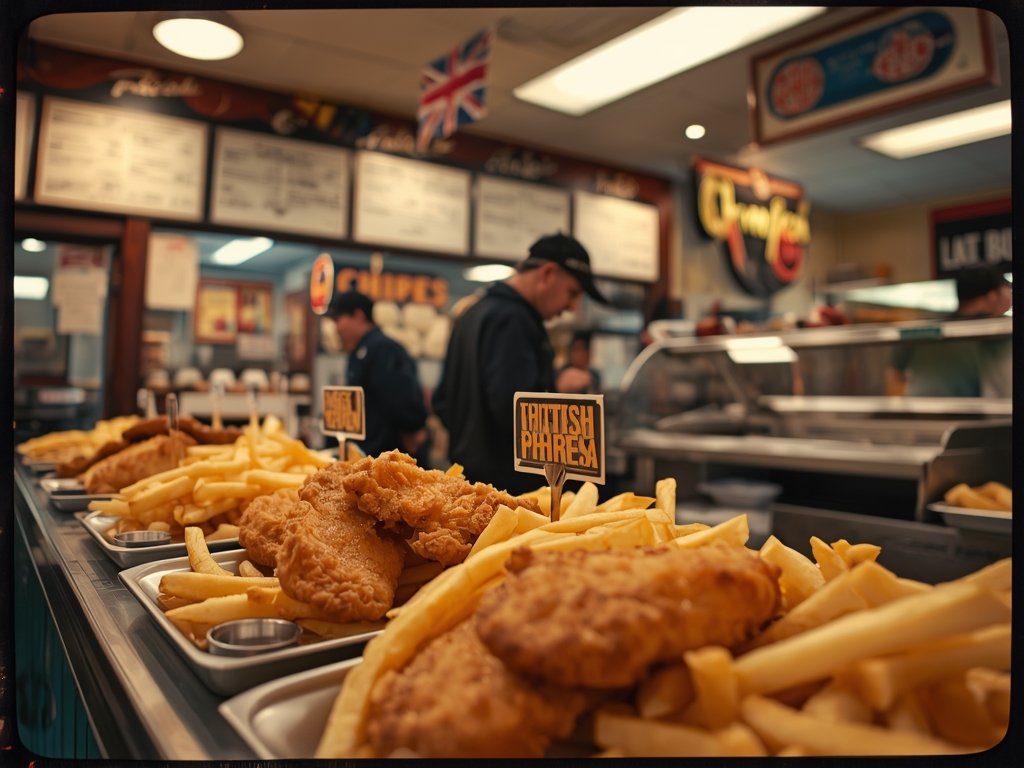
Fish and chips, a beloved British classic, has found its way into the hearts (and stomachs) of people worldwide, including the United States. This iconic dish, with its crispy battered fish and golden chips, is a comfort food like no other. But what happens when you have leftover fish and chips, and the batter has lost its crunch? Fear not, as we’re about to dive into the art of reviving cold batter in a dry heat oven, ensuring every bite is as delicious as the first.
The Science Behind the Crunch
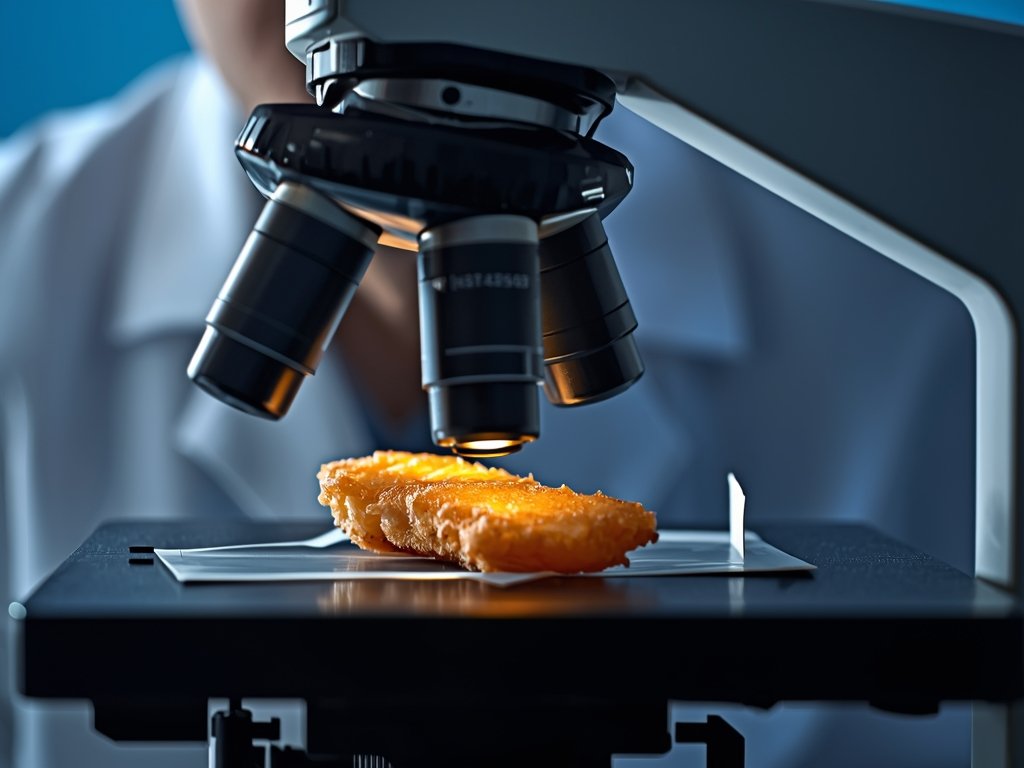
To understand the revival process, let’s first explore the science behind the perfect fish and chips batter. The key to that irresistible crunch lies in the Maillard reaction, a chemical reaction between amino acids and reducing sugars when heated. This reaction creates hundreds of flavor compounds, resulting in the golden-brown color and distinctive taste we crave.
When fish and chips are freshly cooked, the batter is at its crispest due to the high heat of the fryer. However, as the food cools, moisture from the fish and steam can soften the batter, causing it to lose its crunch. This is where the dry heat oven comes into play, offering a second chance at batter perfection.
Revival Techniques: Dry Heat to the Rescue
The Dry Heat Advantage
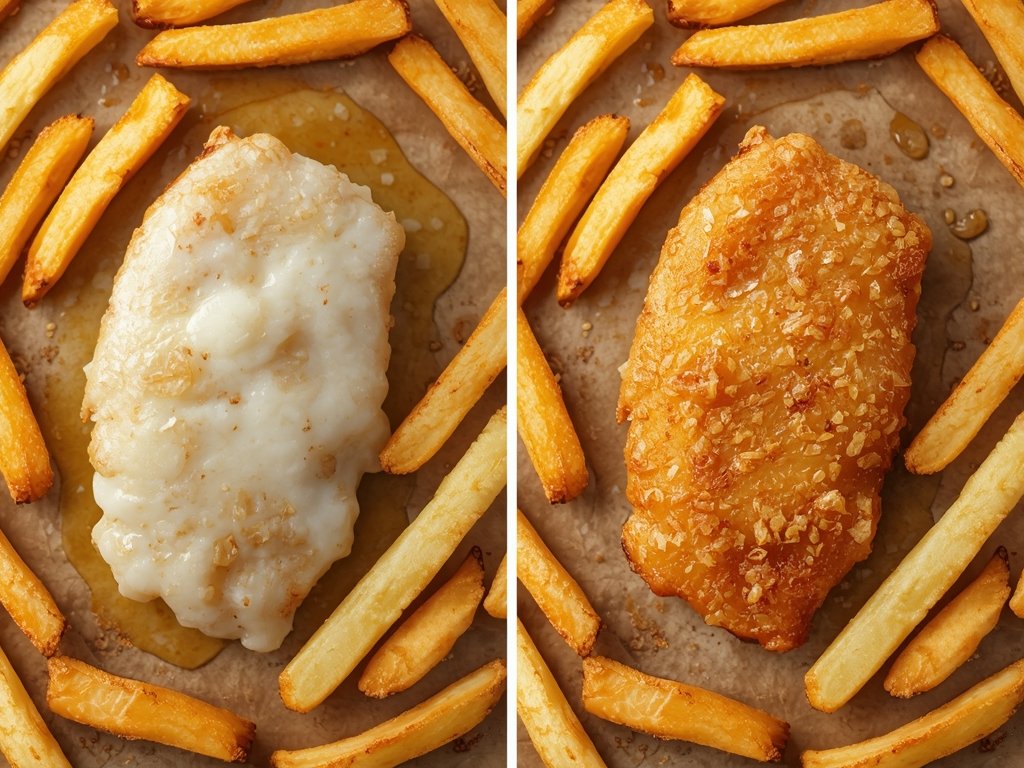
Using a dry heat oven to revive cold fish and chips is a game-changer. Unlike microwaves, which can make the batter soggy, dry heat works by evaporating moisture from the food’s surface, re-crisping the batter without overcooking the fish.
This method is particularly effective for fish and chips due to the dish’s unique composition. The batter, being a carbohydrate, responds well to dry heat, while the fish, with its higher moisture content, remains protected from drying out.
Step-by-Step Revival Guide
Now, let’s get into the practical steps of reviving your fish and chips:
- Preheat the Oven: Start by preheating your oven to 350°F (175°C). This temperature is ideal for re-crisping without burning.
- Prepare the Fish and Chips: Place your cold fish and chips on a wire rack set over a baking sheet. This setup allows hot air to circulate, ensuring even heating.
- Dry Heat Magic: Pop the tray into the preheated oven for 10-15 minutes. Keep a close eye on it, as oven temperatures can vary. You’re aiming for a golden, crispy batter.
- Serve and Enjoy: Once revived, serve immediately. The batter should be crisp, and the fish flaky and moist. Pair with your favorite tartar sauce or a squeeze of lemon for the ultimate experience.
Regional Variations: Fish and Chips Across the USA

While the traditional British fish and chips remain a favorite, the USA has embraced this dish with regional twists. From coast to coast, you’ll find unique variations that reflect local tastes and seafood specialties.
New England’s Seafood Delight
In New England, fish and chips often feature local favorites like cod or haddock. The batter tends to be lighter, allowing the delicate flavor of the fish to shine. Served with a side of clam chowder, it’s a seafood lover’s dream.
Southern Comfort
Down South, catfish takes center stage in the fish and chips scene. The batter is often seasoned with a hint of Cajun spice, adding a kick to the crispy exterior. A side of hush puppies and coleslaw completes this Southern comfort meal.
West Coast Innovation
On the West Coast, fish and chips get a creative twist. You might find sustainable options like Pacific cod or even fish tacos, where the battered fish is served in a warm tortilla with fresh salsa and crema.
Pairing Perfection: Drinks and Sides
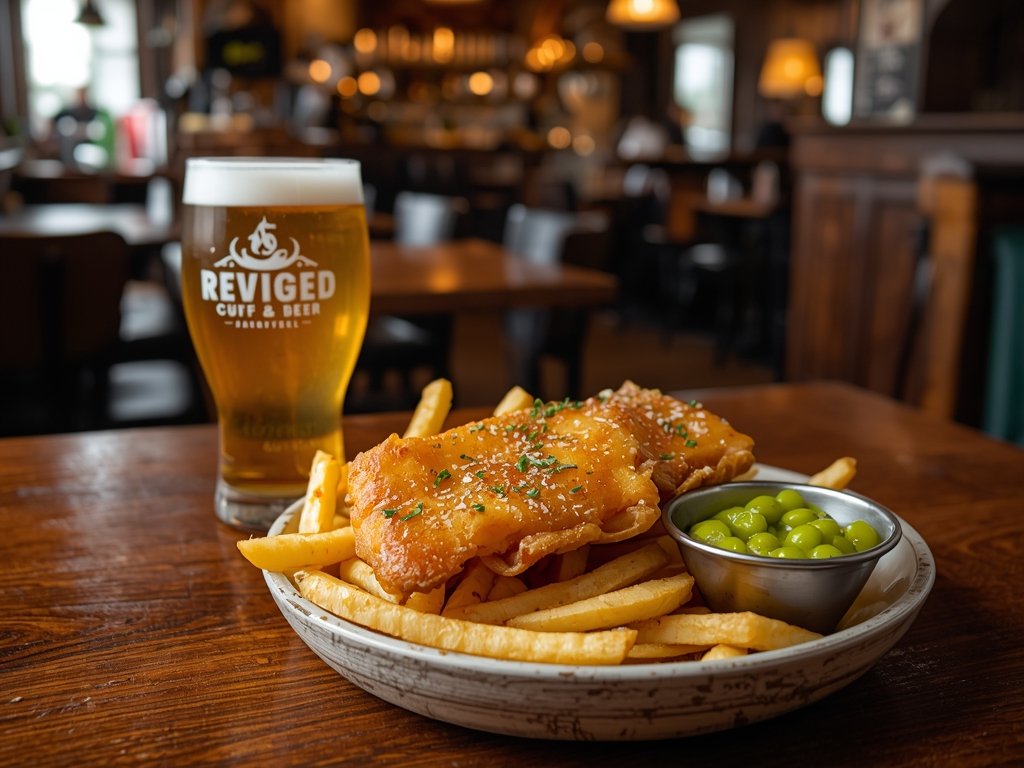
No fish and chips experience is complete without the perfect accompaniments. Here’s how to elevate your revived dish:
Beverage Choices
A cold, crisp beer is the classic choice, with lagers and pale ales complementing the dish’s flavors. For non-alcoholic options, try a tangy lemonade or a traditional British dandelion and burdock soda.
Side Dishes
Mushy peas, a British staple, add a sweet and creamy contrast to the crispy fish. Tartar sauce, with its tangy flavor, is a must-have for dipping. For a healthier option, a fresh green salad with a vinaigrette dressing can cut through the richness of the dish.
FAQ: Fish and Chips Revival Edition
Can I use this method for other fried foods?
Absolutely! The dry heat oven technique works wonders for reviving various fried foods, from chicken nuggets to mozzarella sticks. Adjust the temperature and timing based on the food’s size and thickness.
How do I store leftover fish and chips?
To maintain freshness, store leftovers in an airtight container in the fridge. Consume within 2-3 days for the best quality. For longer storage, consider freezing, but note that the batter may not revive as well after freezing.
Can I use an air fryer for revival?
Yes, an air fryer can also be used for re-crisping. Preheat to 350°F and cook for 5-7 minutes, checking frequently to avoid overcooking.
What’s the best type of oil for frying fish and chips?
For the perfect fry, use oils with a high smoke point, such as peanut, canola, or vegetable oil. These oils can withstand the high temperatures needed for crispy results without burning.
How can I make my batter extra crispy?
For an extra crispy batter, try adding a small amount of cornstarch or rice flour to your batter mix. These ingredients absorb moisture, resulting in a lighter, crispier coating.

Marco covers the Reheat Pro category on TwiceTasty, focusing on reheating techniques and texture preservation. His articles help home cooks bring leftovers back to life with the right methods for every type of food — from crispy fried chicken to creamy pastas.

← Previous
Reheat Gravy Like a Pro: Fix Lumpy Sauce in Minutes
Next →
Revive Leftover Paella: Crispy Socarrat Secrets Revealed